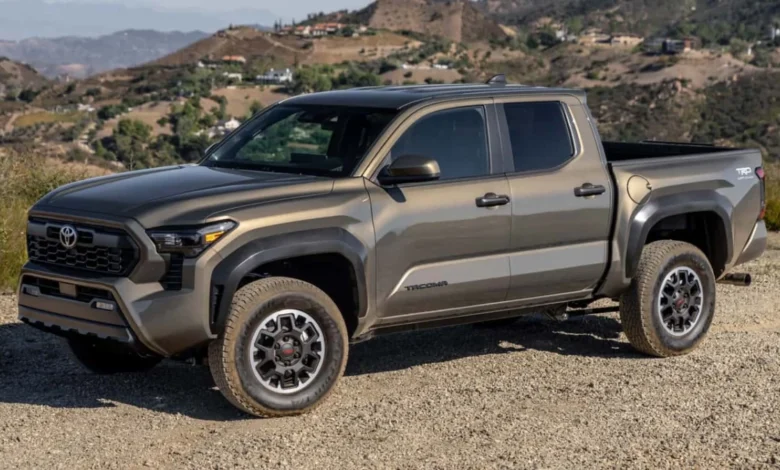
Toyota has officially released the pricing structure for the 2027 Tacoma lineup, signaling a strategic shift in both MSRP positioning and the scope of its complimentary maintenance program. The latest iteration of the best-selling midsize pickup truck arrives with a base MSRP of $32,725—excluding the mandatory destination and delivery fees—marking a notable increase across the entire model hierarchy. For consumers looking to acquire the entry-level SR trim, the total cost at the dealership, once the $1,745 destination charge is factored in, climbs to $34,470. This upward trend in pricing reflects broader industry pressures involving manufacturing costs, supply chain logistics, and the integration of enhanced standard features.
A Shift in Ownership Support: The ToyotaCare Reduction
Perhaps the most significant development for the 2027 model year is the modification of the ToyotaCare program. Historically, Toyota has distinguished itself from competitors by offering a two-year or 25,000-mile complimentary scheduled maintenance plan. For 2027, this coverage has been halved. The new policy mandates that ToyotaCare benefits expire after one year or 10,000 miles, whichever threshold is met first.
This reduction in coverage represents a tangible change in the ownership experience. While the two-year, unlimited-mileage roadside assistance program remains intact, the decrease in maintenance support shifts the financial responsibility for routine services—such as oil changes, tire rotations, and multi-point inspections—onto the owner much earlier in the vehicle’s lifecycle. Toyota has publicly stated that this adjustment was made in response to direct customer feedback, though the specific nature of that feedback remains internal. Market analysts suggest that such moves are often part of broader corporate efforts to streamline operational costs in a highly competitive automotive landscape.
Pricing Tiers and Trim-Level Analysis
The 2027 Tacoma lineup features a consistent price hike across its various configurations. Every trim level has seen an increase of at least $180, with specific off-road-oriented models experiencing more aggressive adjustments. The TRD Off-Road and TRD Sport trims have received a $520 bump, reflecting the premium positioning of these variants within the midsize segment. At the apex of the lineup, the TRD Pro Hybrid now commands a starting price of $66,675, a figure that includes the destination and delivery fees.
When navigating the online configurator, prospective buyers will find that the base price is merely the starting point. Options and accessory packages can escalate the total cost of the vehicle rapidly. For example, the SR5 trim, which carries a base MSRP of $36,815, can easily see an as-configured price of $38,410 or higher once common option bundles are added. This represents a $1,825 gap in optional equipment alone, and some configurations indicate a jump of as much as $2,560 when more extensive equipment sets are selected.
Enhanced Standard Equipment for 2027
To justify the higher entry costs, Toyota has expanded the standard equipment list for several popular trims. The SR5, for instance, now comes equipped with powered, heated front seats as standard—a feature that previously required the selection of higher-tier packages or trim levels. Additionally, the SR5 receives a refreshed aesthetic with the inclusion of dark-silver-finished wheels.
From a mechanical standpoint, the 2027 Tacoma maintains the performance profile that defined the previous model year. The standard turbocharged 2.4-liter gas engine continues to deliver 278 horsepower and 317 pound-feet of torque. The high-performance i-Force Max hybrid powertrain remains the flagship option, producing 326 horsepower and an impressive 465 pound-feet of torque. These power plants remain consistent across the truck’s 23 available core configurations, ensuring that performance expectations are met regardless of the chosen trim.
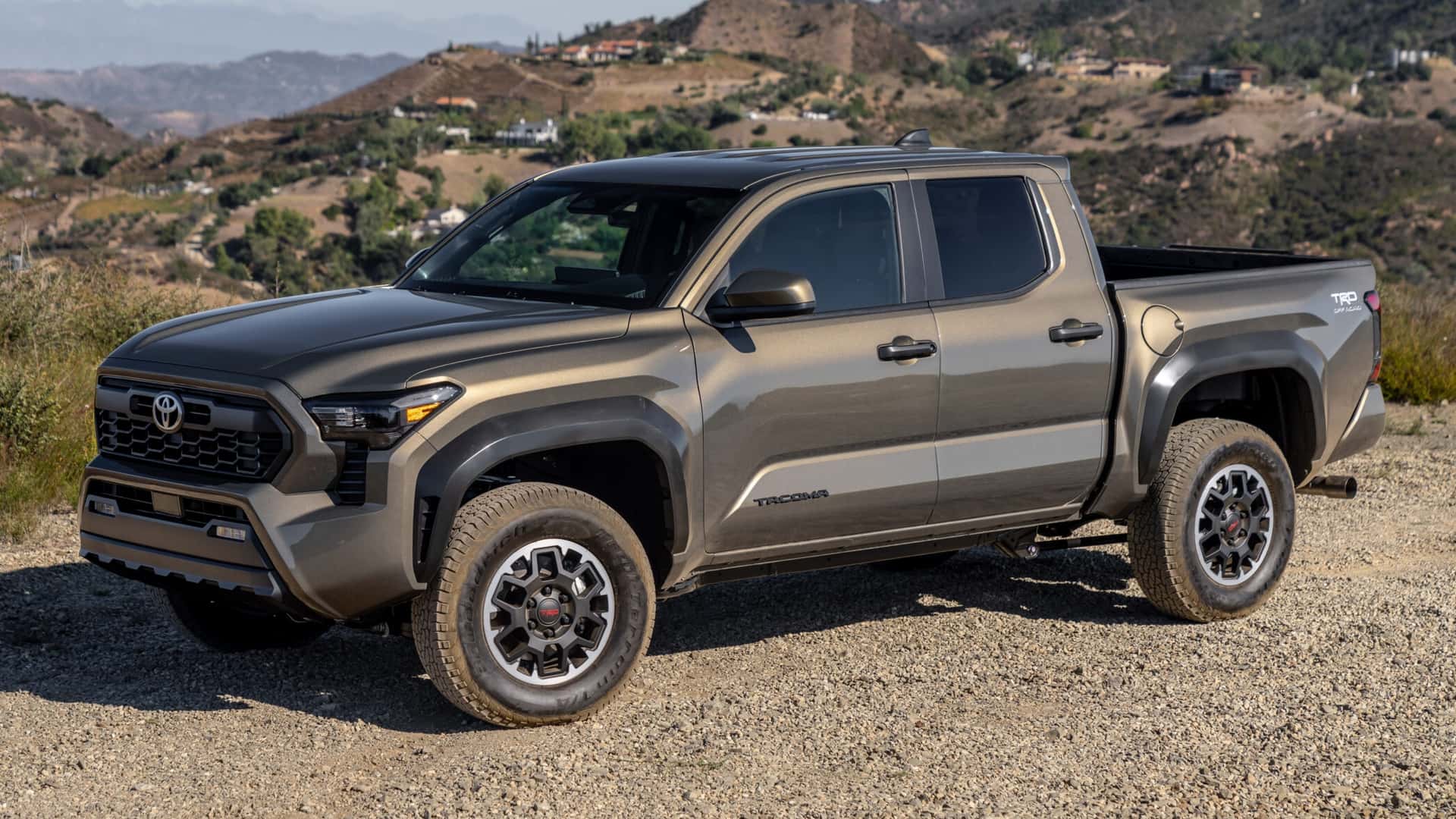
Visually, Toyota is further segmenting the lineup with the introduction of "Honeycomb," a new, exclusive exterior paint color offered solely on the TRD Pro model. This strategic use of color serves to differentiate the top-of-the-line off-roader from the rest of the fleet, reinforcing its identity as the pinnacle of the Tacoma’s capability-focused hierarchy.
The Financial Implications for Buyers
For consumers currently weighing their options, the transition to the 2027 model year requires a nuanced look at the total cost of ownership. Comparing a new 2027 model against a used 2026 example or a late-model pre-owned unit reveals a distinct financial divergence. While the 2027 model offers factory-installed upgrades—such as the now-standard heated seats in the SR5—the shortened maintenance window means that owners will need to budget for their own service visits sooner than they would have with the previous model.
This shift in the ownership timeline is particularly relevant for high-mileage drivers who previously relied on the two-year/25,000-mile window to cover the majority of their early-life service costs. With the new one-year/10,000-mile limit, the cumulative cost of maintenance over the first few years of ownership will inevitably be higher for the 2027 model. Buyers should factor this into their long-term budget projections, especially when comparing the 2027 Tacoma against competitors that may still offer more robust maintenance or warranty packages.
Historical Context and Industry Positioning
The Tacoma has long been a pillar of the midsize truck market, frequently topping sales charts due to its reputation for reliability and resale value. The current iteration, introduced recently to modernize the aging platform, represents a significant leap in technology and capability. However, the move to raise prices while simultaneously cutting maintenance benefits reflects a broader industry trend where manufacturers are looking to protect profit margins amidst rising R&D and manufacturing expenditures.
In the context of the last few years, Toyota has been aggressive in refreshing its truck and SUV lineup. The rollout of the 2027 Tacoma mirrors updates seen across the brand’s portfolio, including the 2027 4Runner, which also saw price increases and feature additions. These changes indicate that Toyota is comfortable positioning itself as a premium option in the segment, banking on brand loyalty and the perceived value of the Tacoma’s engineering to offset the increased financial burden on the consumer.
Strategic Outlook: What This Means for the Market
As the automotive industry continues to navigate a transition toward electrification and higher tech integration, price sensitivity among consumers remains a critical factor. By standardizing high-demand features like heated seats, Toyota is attempting to improve the perceived value of the truck. However, the reduction of the ToyotaCare program is a calculated risk. For many buyers, the two-year maintenance plan was a major selling point that simplified the decision-making process.
The success of the 2027 model will likely depend on whether buyers perceive the added standard equipment and the new aesthetic options as sufficient value to offset the price hikes and the loss of the second year of free maintenance. Dealerships will play a pivotal role in communicating these changes to consumers, and it is likely that sales strategies will pivot to emphasize the longevity and resale value of the Tacoma to maintain its dominant market share.
In summary, the 2027 Toyota Tacoma arrives as a more capable, better-equipped, and more expensive truck. While it offers more creature comforts, it also demands more from the owner in terms of upfront investment and long-term maintenance planning. For the dedicated Toyota enthusiast, these changes represent the evolution of a classic, but for the value-conscious buyer, they serve as a reminder that the cost of entry for a modern, feature-rich midsize pickup continues to rise.