BlizzCon 2026 Reveals StarCraft Dominion: A Narrative-Driven Third-Person Shooter Planned for a 2030 Release

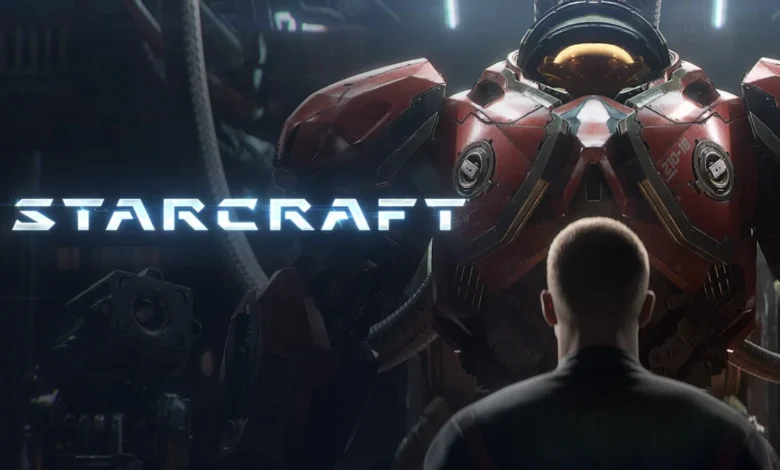
BlizzCon 2026 concluded over the weekend with a series of major announcements from Blizzard Entertainment, anchored by the unexpected revival of one of gaming’s most celebrated science-fiction intellectual properties. While concurrent panels detailed upcoming content for established franchises including Diablo 5 and a new expansion for Warcraft 3, the convention’s primary focal point centered on the future of the StarCraft universe. Sixteen years following the initial release of StarCraft 2, Blizzard officially confirmed that the franchise is returning, though it is deliberately stepping away from its historical roots as a real-time strategy (RTS) title.
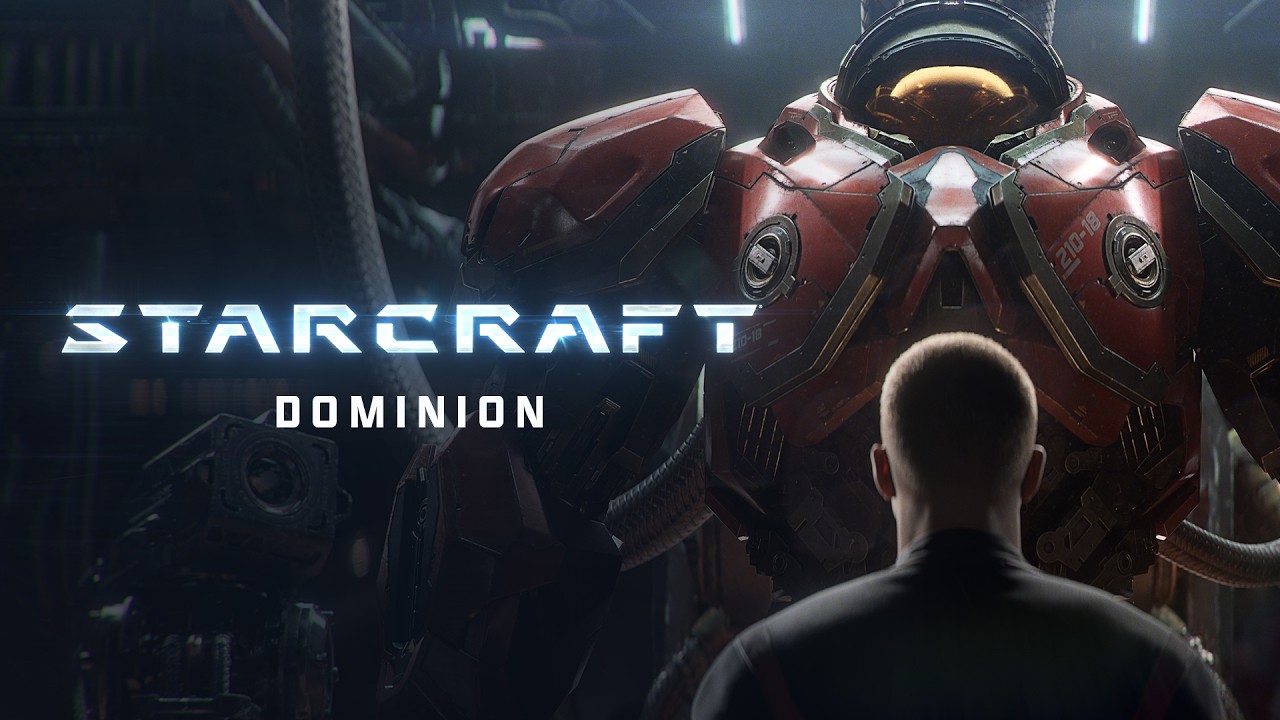
The upcoming project, showcased via an initial cinematic trailer under the provisional title StarCraft: Dominion, is currently scheduled for release in 2030. Rather than continuing the macro-management mechanics that defined the original trilogy, the new installment is being developed as a narrative-driven, open-world, third-person shooter. Spearheaded by creative director Dan Hay—widely recognized for his leadership on prominent open-world action titles within the industry—the project aims to explore the iconic conflict between humanity and the relentless Zerg swarm from a grounded, boots-on-the-ground perspective.
Chronology and Narrative Framework
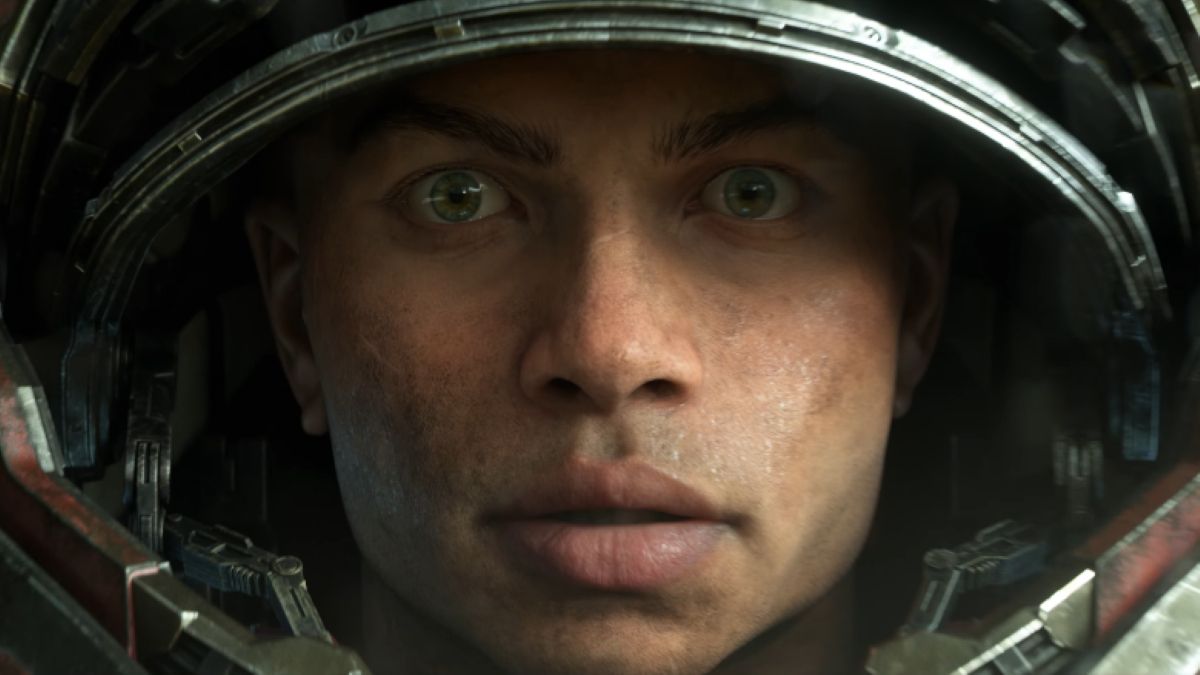
Set approximately 70 years after the conclusion of the StarCraft 2 trilogy, StarCraft: Dominion shifts its narrative lens from the overarching geopolitical machinations of sector leaders to the immediate survival of individuals caught in the crossfire. The cinematic debut offered a stark, visceral depiction of this reality, juxtaposing the detached command structures of military leaders with the brutal attrition rate experienced by frontline Terran marines.
According to preliminary details shared by Blizzard representatives during the convention, the game is being designed as a definitive, single-player experience with a clear narrative conclusion. Eschewing the prevailing industry trend toward live-service monetization, seasonal content drops, and persistent multiplayer loops, the development team is prioritizing a structured, story-focused campaign. While the initial reveal heavily emphasizes single-player immersion, industry observers note that the cooperative potential inherent to the franchise’s premise leaves room for possible multiplayer integration as development progresses.
Strategic Realignment and Genre Shift
The decision to transition StarCraft from a real-time strategy format to a third-person narrative action game represents a calculated strategic realignment for Blizzard Entertainment. Since the launch of StarCraft 2: Wings of Liberty in 2010—followed by its subsequent expansions Heart of the Swarm (2013) and Legacy of the Void (2015)—the real-time strategy genre has experienced significant commercial contraction within the mainstream gaming market. Despite maintaining a dedicated esports ecosystem and a loyal community, traditional RTS titles have struggled to capture the broad audience metrics commanded by open-world action games and narrative shooters.
By adopting a third-person perspective, Blizzard aims to capitalize on the distinct visual identity of the StarCraft universe, most notably the iconic power armor worn by Terran marines. This design choice invites immediate comparisons to recent successes in the sci-fi action space, such as Arrowhead Game Studios’ Helldivers 2 and Focus Entertainment’s Warhammer 40,000: Space Marine 2. However, where titles like Space Marine 2 rely on linear, mission-based progression, Blizzard’s framing of StarCraft as an open-world experience suggests a more expansive exploration environment.
Industry Context and Historical Background
The announcement of StarCraft: Dominion arrives at a critical juncture for Blizzard Entertainment, which has spent recent years navigating corporate restructuring following its acquisition by Microsoft in late 2023. Under the broader Xbox Game Studios umbrella, Blizzard has faced increased pressure to revitalize its dormant intellectual properties and diversify its portfolio beyond its core pillars of World of Warcraft, Diablo, and Overwatch.
Rumors surrounding a potential StarCraft-themed shooter have circulated periodically within the games industry for over a decade. Most notably, Blizzard previously attempted to develop a StarCraft-based tactical shooter codenamed "Ares" around 2015 to 2019. That project, which drew conceptual inspiration from the Battlefield franchise, was ultimately canceled to reallocate engineering resources toward the development of Diablo 4 and Overwatch 2. The unveiling at BlizzCon 2026 indicates that leadership has successfully greenlit a fresh conceptual approach, positioning Dan Hay at the helm to steer the franchise into a new medium.
Production Timeline and Potential Implications
With a tentative release window set for 2030, StarCraft: Dominion is currently in the early-to-mid stages of production. The four-year lead time underscores the scale of development required to build a modern, open-world third-person shooter from the ground up, particularly under Blizzard’s historically rigorous quality assurance standards.
The announcement has elicited a mixed, albeit largely optimistic, response from the core fanbase. While purists of the real-time strategy genre have expressed disappointment that the franchise’s third mainline entry is bypassing traditional RTS mechanics, narrative enthusiasts and action-gaming proponents have welcomed the opportunity to experience the StarCraft universe on a micro level. The commitment to a standalone, narrative-driven structure without live-service dependencies has also been interpreted positively by consumers weary of perpetual monetization models.
As development proceeds toward the 2030 horizon, industry analysts will closely monitor how Blizzard translates the complex faction dynamics of Terrans, Zerg, and Protoss into an intimate, third-person action framework. For now, BlizzCon 2026 has successfully reestablished StarCraft as a flagship property for the studio, ensuring that one of science fiction’s most enduring military conflicts will find new life on the digital frontier.
Related posts: