Beyond Fiber: How Overlooked Plant Proteins and Human Metabolism Reshape Our Understanding of Gut Health

The conventional wisdom surrounding plant-based diets has long centered on a single, highly touted dietary hero: fiber. While nutritionists and medical professionals have universally praised high-fiber regimens for supporting cardiovascular health, enhancing metabolic function, and bolstering the immune system, the precise biochemical mechanisms that translate a diet rich in fruits, vegetables, and whole grains into systemic health benefits have remained only partially understood. New research spearheaded by scientists at the Princeton Branch of the Ludwig Institute for Cancer Research is now fundamentally rewriting this narrative, revealing that fiber tells only part of the story.
According to two groundbreaking studies led by researcher Jenna AbuSalim and Joshua Rabinowitz, director of the Princeton Branch of the Ludwig Institute, certain plant proteins that actively resist human digestion play an equally critical, yet historically overlooked, role in shaping the gut microbiome. Furthermore, a companion study has upended decades-long assumptions regarding the origin of key metabolites circulating in the human body, demonstrating that mammalian cells—not just intestinal microbes—are capable of manufacturing compounds long thought to be exclusively bacterial in origin. These dual revelations promise to reshape dietary guidelines, influence future therapeutic interventions for chronic diseases, and potentially introduce a brand-new metric to nutritional science and food labeling.
The Microbiome, Metabolites, and the Search for Mechanisms
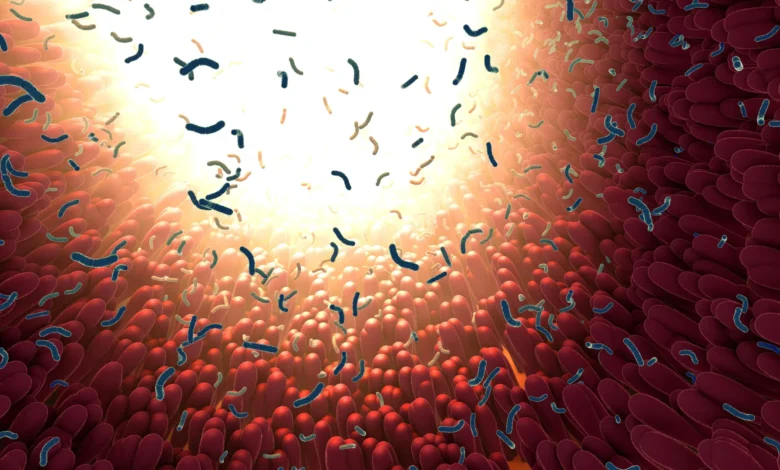
To appreciate the gravity of these recent findings, one must examine the complex ecosystem residing within the human gastrointestinal tract. The human gut microbiome consists of trillions of microorganisms, including bacteria, fungi, and viruses, which collectively process components of food that the human digestive tract lacks the enzymatic machinery to break down independently. As these microbes feast on dietary inputs, they generate thousands of chemical byproducts known as metabolites.
Metabolites serve as vital molecular messengers, influencing everything from systemic inflammation and immune regulation to neurological function and cancer progression. Among these, phenol and indole metabolites have drawn intense scrutiny from the medical community. Formed via the breakdown of amino acids such as tyrosine, phenylalanine, and tryptophan, these compounds possess vastly divergent health implications.
For years, medical researchers have sought to harness diet as a primary tool to manipulate the microbiome, encouraging the production of beneficial metabolites while suppressing harmful ones. However, as Rabinowitz noted, designing effective therapeutic interventions has been hindered by a fundamental knowledge gap. "Diet holds great promise for controlling the microbiome and its outputs," Rabinowitz explained. "But to devise effective therapeutic interventions, we need to understand what aspects of the diet control which microbial outputs."
Chronology of Discovery: A Two-Pronged Scientific Inquiry
The journey toward untangling these complex chemical interactions culminated in a series of sophisticated experiments utilizing stable isotope tracing, a technique in which researchers label molecules with non-radioactive isotopes to track their precise pathways and metabolic fates within living organisms. This methodology allowed the research team to map metabolic transformations in mice, rats, and human cellular models with unprecedented precision.
The research timeline advanced through two major publication milestones:
- June: A study published in Nature Metabolism challenged foundational assumptions about the origins of vital circulating metabolites, proving that mammalian cells autonomously synthesize compounds previously attributed exclusively to gut bacteria.
- Subsequent publication in the Proceedings of the National Academy of Sciences (PNAS): The team detailed how plant fiber and indigestible proteins synergistically direct gut bacteria to favor health-promoting phenol metabolites over pathogenic alternatives.
This chronological progression moved science away from broad epidemiological associations and deep into the molecular mechanics of host-microbiome crosstalk.
The Dual Roles of Fiber and Indigestible Plant Proteins
In the PNAS investigation, the research team focused specifically on phenol metabolites derived from two distinct amino acids: tyrosine and phenylalanine. The downstream products of phenylalanine—namely phenylpropionate and hippuric acid—are robustly associated with healthy body weight and robust gastrointestinal homeostasis. Conversely, the tyrosine-derived compounds p-cresol sulfate and phenol sulfate are strongly linked to adverse clinical outcomes, including accelerated disease progression in cancer patients and profound systemic toxicity in individuals suffering from chronic kidney disease.
The central question facing AbuSalim and her colleagues was straightforward: How do various constituents of plant foods dictate whether microbes produce the helpful or harmful variants of these phenol metabolites?
The answer lay in an overlooked category of nutrients that the researchers termed "proteins imitating fiber," or Prifs. While nutritional science has dedicated decades to studying dietary fiber, plant proteins that successfully navigate the human upper gastrointestinal tract without complete enzymatic degradation have received scant attention.
The experiments revealed that Prifs safely reach the colon, where they serve as alternative nutritional substrates for the gut microbiome. Crucially, Prifs do not act in a vacuum; they operate in tandem with plant fiber to fundamentally redirect bacterial metabolism.
Through sophisticated isotope tracing, the team uncovered a remarkable protective mechanism regarding where gut bacteria harvest raw materials. When diets run low on fiber, starving microbes resort to breaking down host-derived proteins, specifically targeting the mucin glycoproteins that comprise the protective mucus layer lining the intestines. This mucous barrier is critical for separating luminal bacteria from fragile host epithelial cells; its degradation compromises gut integrity and yields harmful, tyrosine-derived phenol metabolites.
Fiber acts as a biochemical shield, suppressing bacterial degradation of this protective intestinal mucus. Simultaneously, Prifs supply an abundant, alternative source of dietary protein for the microbes, satisfying their nutritional demands and encouraging them to shift production toward healthful phenylalanine-derived metabolites.
"We think Prifs represent an emerging class of dietary nutrients that shape the composition of the gut microbiome and could have a far-reaching influence on metabolic health," stated AbuSalim. The implications of this discovery are profound enough that Rabinowitz envisions a day when food packaging might feature Prif content listed directly beneath dietary fiber on nutrition facts panels.
Upending Dogma: The Origin of Circulating Metabolites
While the PNAS study redefined how dietary components govern microbial outputs, the companion study published in Nature Metabolism challenged an even more entrenched dogma within gastroenterology and microbiome research: the assumption that gut microbes hold a monopoly on the production of key metabolites.
The research team turned their attention to indole metabolites, which are generated from the essential amino acid tryptophan. Indoles are recognized as master regulators of host biology, participating directly in immune system modulation, inflammatory pathways, neurodegenerative disorders, inflammatory bowel disease (IBD), and tumor immunology. Because of their therapeutic potential, extensive research efforts have been dedicated to developing probiotics, prebiotics, and targeted dietary interventions designed to manipulate gut bacteria into increasing indole production.
However, this therapeutic paradigm relied entirely on the unproven assumption that intestinal microbes are the sole manufacturers of these compounds. If mammalian cells independently synthesize substantial quantities of these metabolites, attempting to control their systemic levels solely by manipulating the microbiome via probiotics or antibiotics could prove largely ineffective.
To test this hypothesis, the researchers administered broad-spectrum antibiotics to mice to deliberately deplete their intestinal microbiomes, subsequently tracking metabolite levels in both animal models and human clinical samples, including patients undergoing active cancer treatments.
The results were astonishing. While certain specific compounds—such as indole-3-propionate and p-cresol sulfate—vanished or sharply declined following antibiotic treatment, confirming their strict microbial dependence, many other vital metabolites remained completely robust in the bloodstream. Compounds like indole-3-lactate and indole-3-acetate persisted at substantial levels even in the total absence of a functioning gut microbiome. Further cellular analysis confirmed that mammalian tissues possess the autonomous biochemical machinery to synthesize these substances.
Analysis of Implications for Future Medicine and Nutrition
The convergence of these two studies carries sweeping implications for the future of clinical medicine, nutritional science, and pharmacology. By demonstrating that the human body manufactures many metabolites previously credited to bacteria, the research cautions against a reductionist approach to microbiome therapeutics. Future clinical trials attempting to treat metabolic disease, cancer, or autoimmune disorders via microbiome modulation must rigorously account for the metabolic contributions of the host’s own cells.
Furthermore, the identification of Prifs as active modulators of intestinal chemistry opens entirely new avenues for dietary intervention. Nutritionists and physicians may soon possess a more nuanced framework for designing therapeutic diets—one that looks beyond simple macronutrient breakdowns to consider the precise structural properties of plant proteins escaping human digestion.
While the majority of this foundational evidence stems from murine models and in vitro cellular assays, the translational potential for human health is immense. As researchers continue to bridge the gap between bench science and clinical application, the ultimate goal remains the formulation of highly precise, personalized nutritional guidance capable of preventing disease and optimizing human longevity.
"Beyond that," concluded Rabinowitz, "a clearer picture of how different foods interact with the microbiome to modulate the production of bacterial metabolites will help sharpen the guidance nutritionists and doctors can give to people for disease prevention and therapy."
Funding for these foundational studies was provided by the Ludwig Institute for Cancer Research, the National Institutes of Health, the National Institute of Diabetes and Digestive and Kidney Diseases, the Princeton Alliance for Collaborative Research and Innovation, and Princeton University.
Related posts: