Gracie Abrams Brings Daughter From Hell to The Tonight Show with an Impassioned Live Performance

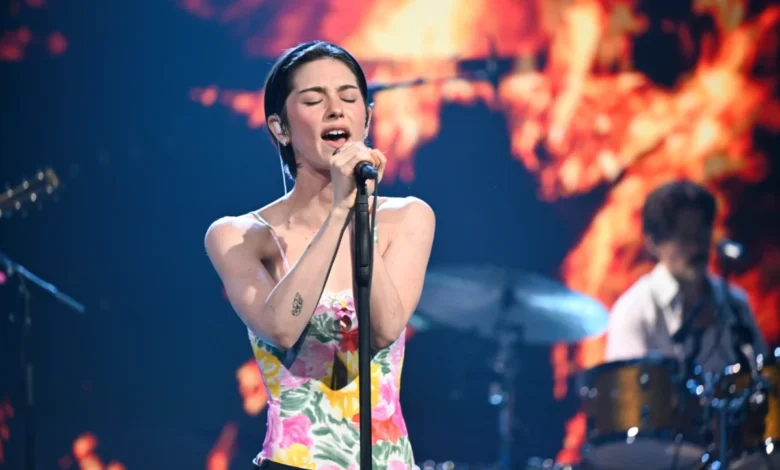
Gracie Abrams brought her critically acclaimed musical era to late-night television this week, stopping by The Tonight Show Starring Jimmy Fallon to deliver a powerful, live-band rendition of her track "Look at My Life." The performance highlighted the emotional core of her latest artistic chapter, anchoring a banner year for the 26-year-old singer-songwriter following the massive commercial and critical success of her third studio album, Daughter From Hell.
Appearing on stage alongside a tightly synchronized live band, Abrams offered viewers an intimate yet soaring interpretation of the album cut. Her distinctive vocal delivery, characterized by raw vulnerability and understated precision, filled the studio as she navigated the complex emotional landscape of the song. The television appearance serves as a high-profile platform to continue promoting the record, which has dominated music charts and cultural conversations since its mid-summer release.
The Chart-Topping Triumph of Daughter From Hell
Released in July, Daughter From Hell immediately resonated with both dedicated fans and mainstream audiences, capturing a major milestone in Abrams’ rapidly accelerating career. The LP debuted at Number One on the Billboard 200 chart, marking the first time the singer-songwriter has achieved the top position on the premier album tally.
During its opening frame, Daughter From Hell secured an impressive 124,000 equivalent album units, demonstrating the singer’s expanding commercial viability and dedicated fanbase. The achievement reflects a steady trajectory for Abrams, who has cultivated a fiercely loyal audience through relentless touring, deeply confessional songwriting, and strategic collaborations with indie-folk and pop royalty.
A Collaborative Masterpiece Crafted by Indelible Talents
Daughter From Hell benefits from an elite roster of behind-the-scenes collaborators. The album was produced by Aaron Dessner of The National, who previously helmed Abrams’ debut album, Good Riddance, as well as her acclaimed sophomore effort, The Secret of Us. Dessner’s signature atmospheric instrumentation and intricate acoustic layering provide a spacious sonic backdrop that complements Abrams’ introspective lyricism.
In addition to Abrams and Dessner, the album features notable writing credits from a tightly knit circle of creative contemporaries. Justin Vernon, widely known as the creative force behind Bon Iver, contributed to the project, infusing it with his distinct experimental folk sensibilities. The record also features contributions from Abrams’ long-time close friend and frequent collaborator Audrey Hobert, as well as actor and partner Paul Mescal, who co-wrote the track "Imaginary Friend." This blend of close personal relationships and esteemed industry veterans gives Daughter From Hell an intimate, diary-like quality while maintaining high-tier production values.
Exploring the Liminal Space of Your Twenties
Speaking with Rolling Stone ahead of the album’s release, Abrams articulated the thematic framework underpinning Daughter From Hell. She described the body of work as an exploration of an "in-between quality," capturing the peculiar psychological territory of early adulthood.
"The theme to me is trying to paint an accurate picture of all of these different versions of who you are in this decade when you are sort of one foot in a past life and one foot in the future," Abrams explained during the interview.
She expanded on these sentiments during an exclusive, underplay release show at New York City’s historic Bowery Ballroom. Performing for a packed room of supporters just days before the album dropped, Abrams reflected on the solitude and excitement inherent to the era.
"This album came from being kind of quiet after we had gone our separate ways after tour ended," Abrams shared with the Bowery Ballroom crowd. "Being in your 20s is so strange and weird, it can feel lonely in a new way and it can feel like thrilling in a new way. You imagine your future differently all of a sudden and then your adolescence still feels like it’s like right behind."
Chronology of an Ascent
To understand Abrams’ current mainstream dominance, one must look at the methodical pace of her career development. Emerging initially with viral digital releases, Abrams steadily built a reputation as a poignant lyricist capable of capturing the granular anxieties of youth.
Her trajectory shifted significantly with the release of her debut full-length album, Good Riddance, which established her as a critical darling and earned her a coveted opening slot on high-profile stadium tours, most notably Taylor Swift’s Eras Tour. That exposure introduced her music to millions of new listeners worldwide. Following up with The Secret of Us solidified her artistic identity, setting the stage for the creative freedom and emotional maturity found on Daughter From Hell.
By the time she stepped onto the stage at The Tonight Show, Abrams was no longer merely a promising newcomer, but an established chart-topping artist navigating the responsibilities of cultural prominence.
Industry Implications and the Road Ahead
The success of Daughter From Hell and its accompanying television promotion underscore a broader shift in the modern music landscape, where quiet, lyric-driven confessionals continue to capture top commercial slots traditionally reserved for high-tempo pop bangers. By prioritizing emotional honesty and working within a tight-knit creative ecosystem, Abrams has carved out a distinct space for herself in contemporary music.
As "Look at My Life" gains traction at radio and streaming platforms, and as television appearances like her turn on The Tonight Show introduce her work to wider demographics, the momentum behind Daughter From Hell shows no signs of slowing down. For Abrams, the era represents not just a career-best chart placement, but a definitive artistic coming-of-age that resonates with an entire generation navigating the liminal spaces of youth.