Reassessing Mammography Overdiagnosis: Landmark Study Suggests Rates Are Far Lower Than Previously Feared

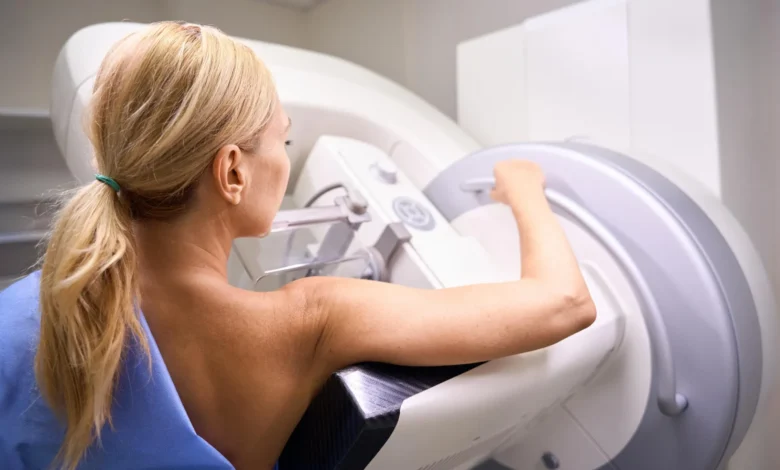
For decades, one of the most persistent and fiercely debated ethical dilemmas surrounding population-based healthcare has been the phenomenon of overdiagnosis in breast cancer screening. When public health initiatives urge women to undergo routine mammography, the primary objective is straightforward: to identify malignancies at their earliest, most treatable stages, thereby reducing premature mortality. However, this medical advancement carries an inherent paradox. Mammograms can occasionally detect slow-growing or indolent cellular abnormalities—such as ductal carcinoma in situ (DCIS) or non-aggressive tumors—that would never have advanced to cause clinical symptoms, metastasized, or threatened a patient’s life during her natural lifespan.
Historically, this drawback has served as a formidable counterweight in international health policy discussions, often fueling public skepticism and complicating clinical decision-making. For nearly half a century, medical literature has routinely cited randomized controlled trials suggesting that anywhere from 30% to 50% of all breast cancers detected via routine screening might represent overdiagnosis. These staggering figures have profoundly influenced global clinical guidelines, shaped the curriculum of medical schools, and dictated how healthcare providers frame the risks and benefits of mammography to patients.
Yet, a comprehensive new international study published by a team of leading epidemiologists and public health researchers fundamentally challenges this long-standing dogma. By rigorously re-analyzing the foundational randomized trials of mammography screening and correcting for methodological blind spots that have skewed data for decades, the research team has concluded that the true rate of overdiagnosis is likely below 5%. This paradigm-shifting revelation promises to reshape public health communication, reassure millions of women weighing the risks of preventative care, and recalibrate how the medical community evaluates the efficacy of cancer screening programs worldwide.
Decoding the Historical Discrepancy: Why Early Estimates Missed the Mark
To understand how previous scientific consensus arrived at figures as high as 50%, researchers had to look backward into the history of cancer epidemiology. The debate over overdiagnosis is rooted in the very nature of how medical screening alters the timeline of disease detection. When a regional or national mammography program is introduced, a predictable statistical surge occurs. Suddenly, a large volume of prevalent, asymptomatic cancers that had been developing silently for years are detected all at once. This initial spike creates a temporary inflation in breast cancer incidence rates.
In theory, this initial surge should be followed by a compensatory downward dip in diagnoses a few years later. The logic is simple: because these cases were found and treated early, they are effectively removed from the pool of cancers that would have naturally presented themselves clinically at a later date. However, tracking this natural cycle in clinical trials proved exceptionally difficult.
According to Dr. Elsebeth Lynge, professor emerita at the Department of Public Health at the University of Copenhagen and a co-author of the new study, early randomized trials often failed to account for the full temporal dynamics of disease progression. "When screening is introduced, the number of breast cancer diagnoses initially rises because cancers are detected earlier than they would have been without screening," Dr. Lynge explains. "Over time, this should be followed by a drop, as some of these cancers would otherwise have been diagnosed later. This pattern can also be affected if women in either group continue to undergo screening after the trials had ended, which was common. If researchers do not take these factors into account, the initial increase can be mistaken for overdiagnosis."
Compounding this timing issue was the phenomenon of contamination within the control groups of historical trials. As the decades progressed and the perceived benefits of mammography became widely popularized, women assigned to the control groups—who were ostensibly not supposed to receive routine screening—frequently sought out mammograms independently in the community. This cross-contamination blurred the boundaries between the study cohorts, artificially compressing the differences in long-term diagnosis rates and leading statisticians to incorrectly attribute the lingering excess of cases to overdiagnosis rather than shifting diagnostic timelines.
Furthermore, Matejka Rebolj, a Senior Epidemiologist at Queen Mary University of London who contributed to the study, points out that early high estimates were frequently calculated before the trial data had reached full biological maturity. "Taken together, we believe some previous high estimates of overdiagnosis, which influenced screening guidelines and communication, were based on evidence before trial data had fully matured," Dr. Rebolj notes. "When interpreted in their full temporal context, randomized trial data are consistent with overdiagnosis of less than five percent, rather than with estimates nearing 50%."
A Methodological Breakthrough: The Danish Real-World Reference
To arrive at these revised figures, the research consortium adopted an innovative comparative methodology. Rather than evaluating the historical clinical trials in isolation, the team cross-referenced their data against comprehensive, long-term registry data from Denmark.
Denmark served as an ideal real-world reference point due to the unique rollout of its national healthcare infrastructure. Organized, population-wide breast cancer screening was introduced in different Danish regions at staggered intervals, with some areas initiating programs up to 17 years earlier than others. This natural policy variation created a rich, longitudinal data landscape. It allowed epidemiologists to track, with granular precision, how breast cancer incidence rates shifted immediately following the introduction of screening and how those patterns evolved over multi-decade periods.
The research team systematically reviewed all eight major randomized controlled trials ever conducted in the field of mammography screening. This exhaustive cohort included:
- The New York Health Insurance Plan (HIP) trial
- The Malmö mammography trial
- The Two-County trial in Sweden
- The Edinburgh trial in the United Kingdom
- The Canadian National Breast Screening Study
- The Stockholm trial
- The Gothenburg trial
- The UK Age trial
By harmonizing the data from these historical trials with contemporary Danish registry data, the team was able to isolate invasive breast cancers as well as ductal carcinoma in situ (DCIS). They applied a uniform analytical framework that accounted for lead-time bias, contamination of control arms, and the necessary follow-up window required for the anticipated drop in incidence to manifest.
When the data were adjusted for these critical variables, a striking pattern emerged: the excess breast cancer cases detected in the historical randomized trials closely mirrored the modern Danish data, where true overdiagnosis has long been calculated at well below 5%.
Defining Overdiagnosis and Its Clinical Realities
To contextualize the study’s findings, public health officials emphasize the importance of clearly defining what overdiagnosis is—and what it is not.
In clinical epidemiology, overdiagnosis refers strictly to the detection of a malignancy that would never have manifested clinically, caused symptoms, or threatened a patient’s life had it been left undiscovered. A woman harboring such a lesion would ultimately die of entirely unrelated causes, completely unaware that she had cancer. A closely related subset of this phenomenon involves elderly patients or individuals with severe, life-limiting comorbidities who are diagnosed with slow-growing tumors shortly before passing away from other conditions. In these instances, the identification and subsequent treatment of the cancer offer negligible health benefits, as the patient’s limited life expectancy precludes any meaningful extension of life or improvement in well-being.
However, distinguishing between an aggressive, life-threatening tumor and an indolent, overdiagnosed lesion at the moment of initial biopsy remains one of modern oncology’s greatest challenges. Because pathologists cannot reliably predict with 100% certainty which early-stage abnormalities or non-invasive lesions will remain dormant, standard medical protocol typically dictates that all diagnosed cancers must be treated. This reality is precisely why high estimates of overdiagnosis historically troubled bioethicists and clinicians, as the prospect of subjecting healthy women to unnecessary surgical interventions, radiation therapy, or endocrine treatments weighed heavily on medical risk-benefit analyses.
By demonstrating that true overdiagnosis affects fewer than one in twenty women screened—rather than nearly one in two—this new research fundamentally alters the ethical calculus of population-based screening programs.
Restoring Public Confidence: Implications for Clinical Practice and Patient Communication
The publication of these findings arrives at a critical juncture for public health messaging. In recent years, fluctuating estimates of overdiagnosis have frequently appeared in mainstream media, occasionally generating unwarranted anxiety and contributing to declining participation rates in organized screening programs across various developed nations. When patients are told that there is a coin-flip chance their diagnosis might be completely meaningless, hesitation naturally ensues.
Lead researcher Sisse Helle Njor, a professor at the University of Southern Denmark and Lillebælt Hospital, emphasizes that the primary goal of the study was to bring empirical clarity to a decades-long academic dispute and to translate those findings into practical reassurance for patients.
"The aim of our study was to bring together the evidence from all randomized controlled trials to get a clearer picture of the extent of overdiagnosis in breast cancer screening," Professor Njor states. "Randomized trials have often been cited as evidence that overdiagnosis is a substantial problem. Our study shows that this interpretation is not as straightforward as it may seem."
Reflecting on the broader implications for women receiving invitations for routine mammograms, Professor Njor offers an optimistic message aimed at restoring trust in preventative healthcare infrastructure. "Most women will not develop breast cancer, but with this study we can now be reassured that the benefits of detecting breast cancer early and preventing premature death will outweigh the small risk of unnecessary treatment," she notes. "With this in mind, we hope this study will provide a framework for a more realistic interpretation of the evidence and help us better inform women when they are invited for screening."
Broader Impacts on Global Health Policy
As public health agencies around the world continually review and update their clinical guidelines, the findings from Njor, Lynge, Rebolj, and their colleagues are expected to ripple through international health organizations.
Policy frameworks that govern mammography screening intervals, age eligibility thresholds, and risk communication strategies have historically incorporated conservative allowances for high rates of overdiagnosis. With robust, modernized data indicating that overdiagnosis is an exceptionally rare statistical artifact rather than a systemic systemic flaw of mammography, policymakers may find renewed justification for expanding, promoting, and refining organized screening initiatives.
Furthermore, the study underscores the enduring value of re-analyzing historical clinical trials through modern epidemiological lenses. As diagnostic technologies continue to evolve—incorporating artificial intelligence, advanced imaging techniques, and molecular profiling—the methodologies established in this latest research provide a blueprint for evaluating future generations of cancer screening innovations with unprecedented precision.
Ultimately, by dismantling the pervasive narrative that mammography routinely exposes vast numbers of patients to unnecessary interventions, this landmark study clears the path for a more transparent, evidence-based dialogue between healthcare providers and the millions of women navigating the vital landscape of preventative oncology.