Behind the Curtains of Global Aviation: How Cabotage Laws Shape the US Skies and Limit Passenger Choice

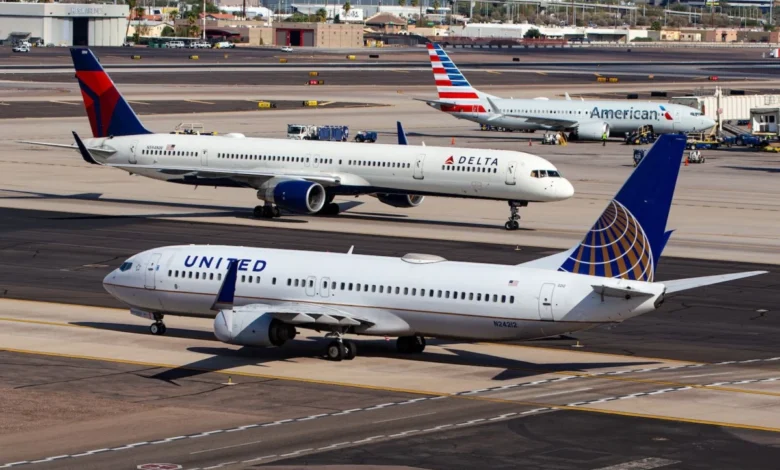
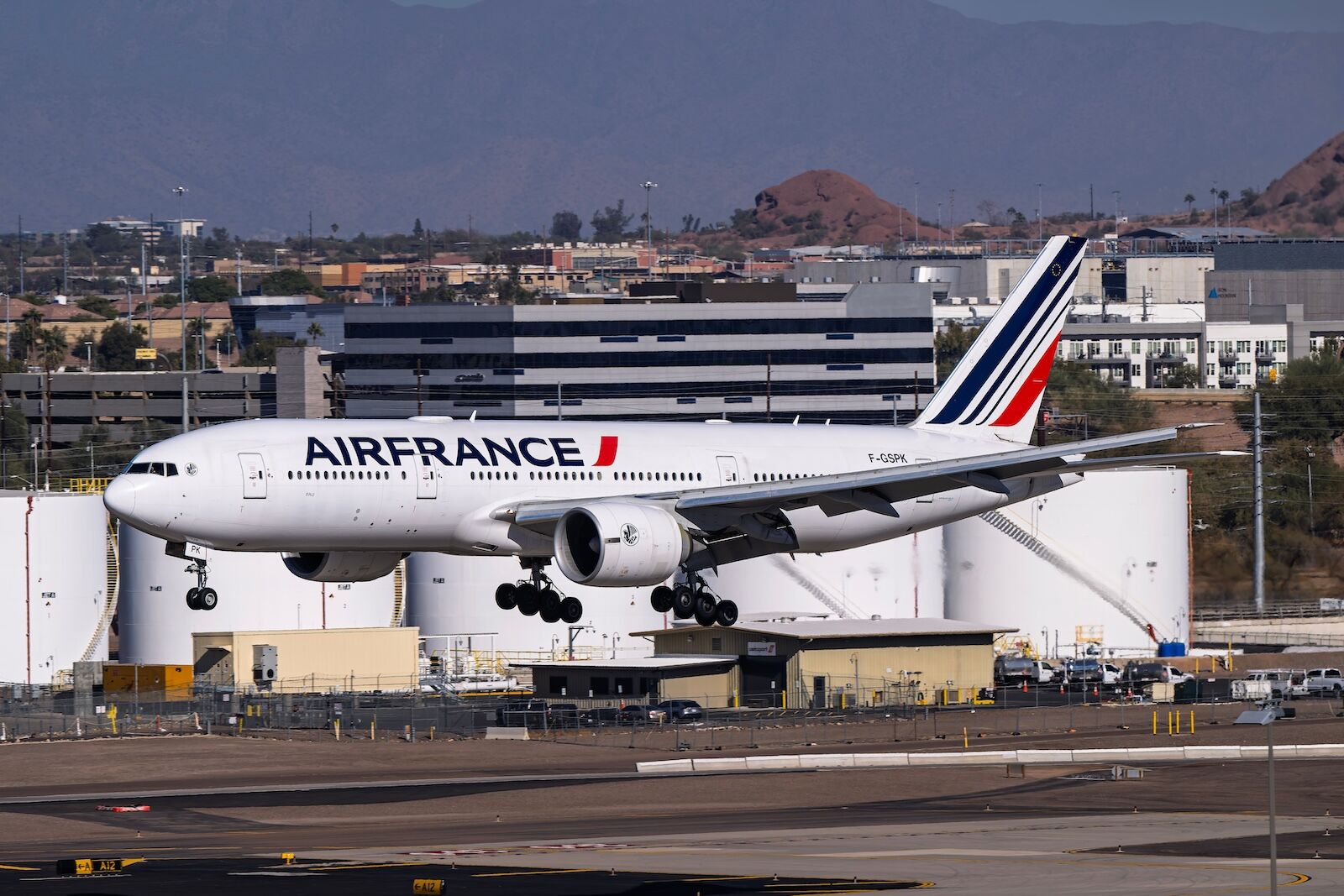
When booking a cross-country flight within the United States, travelers are routinely presented with a familiar roster of domestic carriers. While international airlines such as Emirates or Lufthansa readily connect global travelers from Dubai or Frankfurt to American hubs like New York or Los Angeles, those same foreign carriers are legally barred from transporting passengers from New York to Los Angeles. This restriction is the direct result of a little-known aviation and maritime principle known as cabotage, a protectionist regulation that fundamentally shapes the competitive landscape of the domestic US commercial aviation market.
At its core, cabotage broadly refers to the transport of goods or passengers between two points within a single nation by a transportation provider headquartered in another country. In the context of American aviation, foreign airlines are strictly prohibited from engaging in interstate or intrastate air commerce. While supporters of the law argue that it is vital for safeguarding national security, protecting domestic labor, and stabilizing the local airline industry, critics contend that it shields major carriers from essential global competition, ultimately leaving consumers to bear the burden of inflated ticket prices and substandard service quality.
The Etymology and Evolution of Cabotage
The term cabotage traces its origins to the French word caboter, which roughly translates to "to sail along the coast." During the 16th century, the phrase was utilized in reference to French protectionist maritime laws designed to restrict coastal trade strictly to domestic shipping companies. Over time, the concept migrated into the English lexicon, eventually expanding beyond maritime shipping to encompass nearly all major modes of domestic transportation, including trucking, cruising, and commercial aviation.
Within the cruise industry, a parallel regulation known as the US Passenger Vessel Services Act generally prohibits foreign-flagged cruise ships from transporting passengers directly between two domestic US ports without first stopping at a foreign destination. This legal constraint is the primary reason why many coastal cruise itineraries along North American shores routinely feature a brief stop in Canada, Mexico, or the Caribbean.

In the aviation sector, the origins of American cabotage are deeply rooted in the foundational legislation of the early 20th century. The US government first formally regulated the operational rights of foreign aircraft with the passage of the Air Commerce Act of May 1926. This landmark federal law established a blunt, unambiguous restriction regarding foreign commercial aircraft operating within national borders, declaring simply that no foreign aircraft shall engage in interstate or intrastate air commerce.
Following the conclusion of the Second World War, as global commercial aviation entered an era of rapid expansion, this protectionist framework was formalized on an international scale. In 1944, delegates from dozens of nations convened in Chicago to establish a unified set of international civil aviation standards, culminating in the Convention on International Civil Aviation, commonly known as the Chicago Convention. This historic treaty granted signatory nations the discretionary right to prohibit foreign airlines from carrying passengers or cargo between points within their domestic territories. Although the convention did not mandate such bans, it provided the legal permission necessary for individual governments to institute them.
The United States swiftly incorporated this framework into domestic statute with the passage of the Federal Aviation Act of 1958, a foundational piece of legislation that remains active today. The US is far from alone in maintaining these restrictions; comparable cabotage laws remain firmly on the books in nations such as Canada, Australia, India, China, and Brazil. Furthermore, the member states of the European Union operate under a unified regional cabotage framework that treats the entire EU bloc as a single domestic aviation market while restricting outside carriers.
The Case for Cabotage: National Security and Labor Protection
Supporters of aviation cabotage maintain that commercial airlines are far too critical to a nation’s economic stability and sovereign defense to be treated like standard retail businesses. Proponents emphasize that major domestic airlines form a vital strategic reserve that can be mobilized to support national defense operations during times of international crisis or military mobilization.
A prime example of this integration is the Civil Reserve Air Fleet (CRAF) program administered by the US Department of Transportation and the Department of Defense. Under this initiative, participating US commercial air carriers agree to make a portion of their aircraft available to the military if civilian transport needs exceed available Department of Defense airlift capabilities. In exchange for this strategic commitment, participating domestic carriers receive preferential treatment when bidding on lucrative government transportation contracts.
Furthermore, industry advocates and labor organizations argue that dismantling cabotage laws would introduce unfair economic competition. Allowing foreign carriers to operate domestic routes could permit airlines operating under vastly different labor standards, wage structures, government subsidies, and regulatory burdens to undercut the pricing models of US carriers. Domestic labor groups point out that the commercial aviation sector remains a massive domestic employer; according to data from the US Department of Transportation, US cargo and passenger airlines collectively employed more than 555,000 workers as of July 2026. Labor representatives argue that opening the skies to foreign competition would jeopardize these high-paying domestic jobs and undermine collective bargaining agreements.
The Case Against Cabotage: Market Concentration and Consumer Impact
Conversely, critics of cabotage argue that the policy exacerbates an already heavily concentrated domestic market, insulating legacy carriers from the competitive pressures that drive down prices and elevate service standards. While cabotage is not solely responsible for the current state of the American aviation sector, it plays a definitive role in preventing some of the world’s largest and most highly rated international airlines from challenging dominant domestic carriers on local routes.
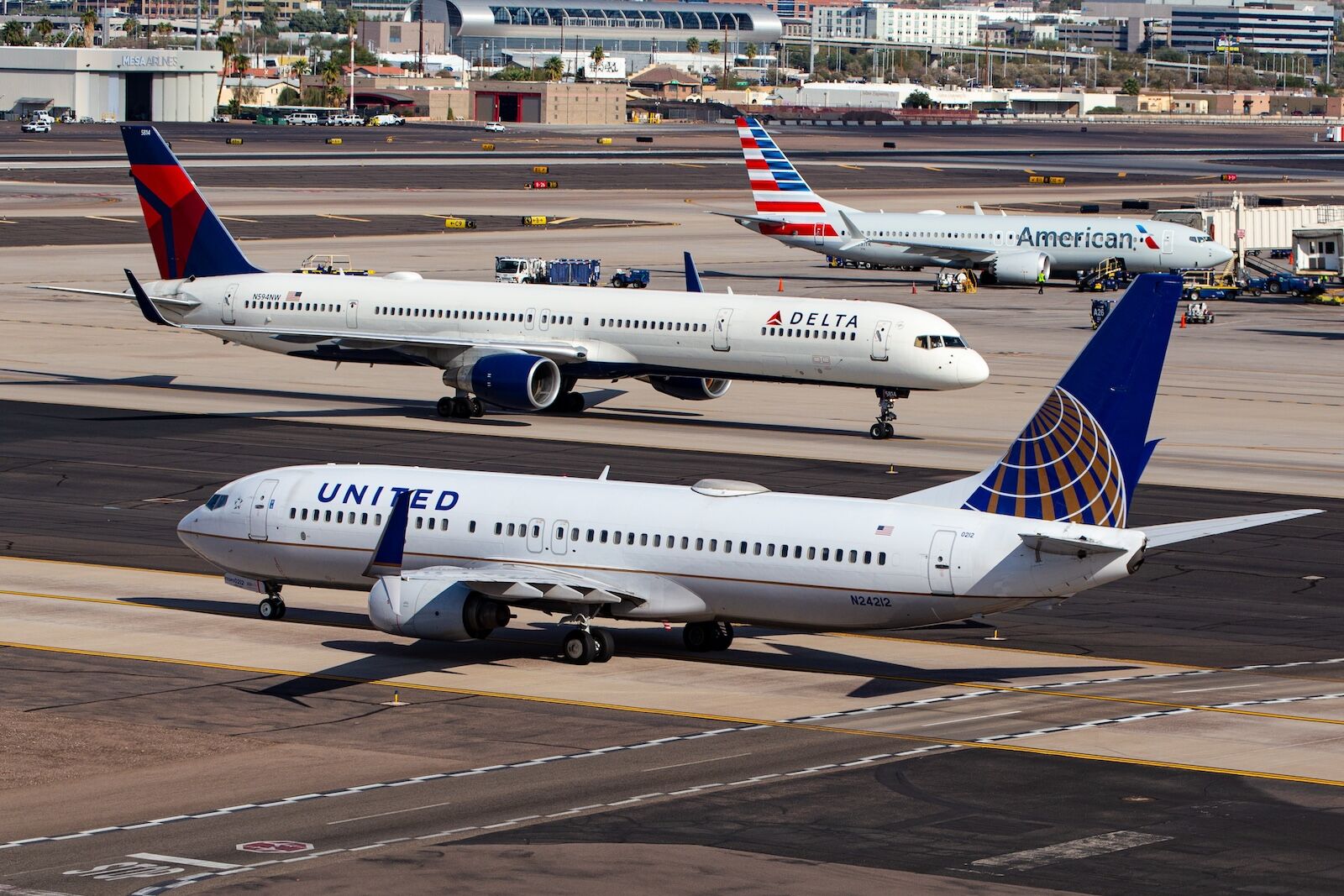
The modern concentration of the US airline industry is the product of decades of corporate consolidation, bankruptcies, and strategic mergers. A 2026 report published by the non-partisan Government Accountability Office (GAO) highlights that between 2008 and 2013, a wave of major airline mergers consolidated the industry to the point where just four primary carriers—United Airlines, Delta Air Lines, American Airlines, and Southwest Airlines—control a combined market share exceeding 75 percent of all domestic air travel.
Critics argue that this lack of robust competition has measurable negative consequences for the flying public. The GAO report noted that consumers routinely experience higher fares and lower service quality on domestic routes where market competition has been diminished through consolidation. Additionally, academic research cited in federal reviews indicates a direct correlation between competitive market pressure and operational reliability. For instance, studies analyzing route competition have demonstrated that when the number of competing airlines on a given route drops from three to two, average flight delays can increase by as much as 25 percent, while cancellation rates rise correspondingly. The Department of Justice has repeatedly maintained in federal filings that robust airline competition is essential for producing lower airfares and higher service standards.
Public sentiment frequently mirrors these economic findings, particularly regarding passenger satisfaction. In the annual Skytrax World Airline Awards—which aggregate millions of passenger surveys from travelers across more than 100 countries—US-based carriers are consistently absent from the upper echelons of global rankings. Conversely, top honors routinely go to international carriers such as Qatar Airways, Singapore Airlines, Emirates, Cathay Pacific, and All Nippon Airways. Analysts note a stark contrast in airport connectivity: major international hubs like Istanbul, Hong Kong, Dubai, and Paris Charles de Gaulle are regularly serviced by well over 100 distinct international airlines, providing travelers with vast choices. In comparison, prominent US gateways such as San Francisco International Airport, Chicago O’Hare, Dallas-Fort Worth, and Hartsfield-Jackson Atlanta International Airport feature significantly fewer total passenger carriers, reinforcing the insular nature of the domestic market.
Implications and the Road Ahead
Whether relaxing or reforming cabotage laws would directly translate to a better experience for the average American flyer remains a subject of intense debate among economists, lawmakers, and industry experts. Because cabotage is deeply embedded in international aviation treaties and domestic statutes, any legislative modification would require sweeping diplomatic negotiations and face fierce opposition from powerful labor unions and domestic airline lobbies.
For the everyday traveler, the legal mechanics of cabotage remain entirely invisible, hidden beneath the fine print of ticket purchases and frequent flyer programs. Yet, understanding this obscure aviation law helps explain why domestic flight search results consistently feature the same familiar cohort of carriers, and why structural debates over market access, consumer pricing, and service quality continue to define the modern trajectory of American commercial aviation.
Related posts: