Daily Consumption of Mangoes and Avocados Linked to Improved Cardiovascular Health in Adults with Prediabetes

Cardiovascular disease remains a leading global health crisis, prompting researchers to continuously explore preventative dietary strategies that bypass the need for intensive medical interventions. A recent clinical investigation conducted by researchers at the Illinois Institute of Technology (Illinois Tech) has shed new light on this pursuit, suggesting that the daily incorporation of two specific nutrient-dense fruits—mangoes and avocados—can yield measurable improvements in blood vessel function and blood pressure. Published in the Journal of the American Heart Association, the findings offer a practical, food-first approach for individuals managing prediabetes, a metabolic state that affects approximately 98 million Americans, or roughly one in three adults.
The study arrives at a critical juncture in public health. Prediabetes is characterized by elevated blood glucose levels that have not yet crossed the diagnostic threshold for type 2 diabetes. However, the condition itself independently elevates the risk of developing cardiovascular disease, stroke, and kidney complications. Traditional preventative frameworks often emphasize strict caloric restriction and sweeping lifestyle overhauls, which many patients find difficult to sustain over long periods. By investigating the cardiovascular impacts of whole, accessible fruits within an otherwise standard American dietary framework, the Illinois Tech research team aimed to identify a more approachable pathway for mitigating heart disease risk in vulnerable populations.
Methodology and Study Chronology
To evaluate the physiological impacts of an Avocado-Mango (AM) dietary intervention, researchers designed a controlled, eight-week clinical trial involving 82 adult participants. The cohort was strictly curated to include individuals aged 25 to 60 who had been clinically diagnosed with prediabetes and classified as having overweight or obesity, falling within a Body Mass Index (BMI) range of 25 to 35 kg/m². Furthermore, prospective participants were screened to ensure they were generally healthy, non-smokers, free of major chronic illnesses, and not currently adhering to specialized or restrictive diets.
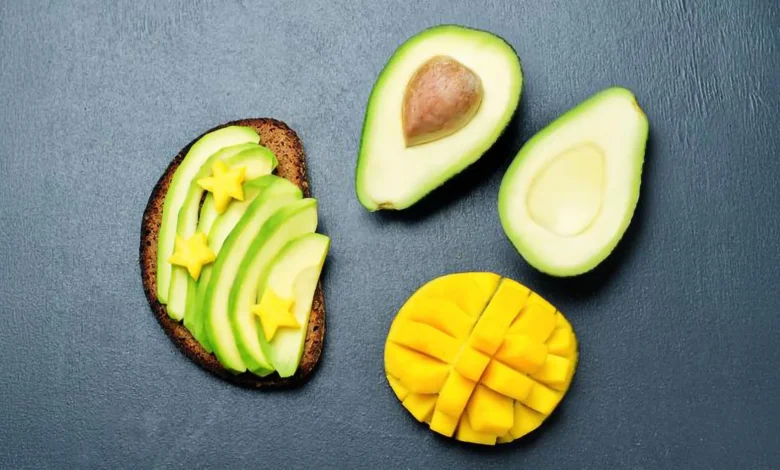
The eight-week trial utilized a parallel-group comparative design. Participants in the experimental arm incorporated one medium Hass avocado and one cup of fresh mango into their daily routines. Conversely, individuals in the control group followed a diet in which these fruits were substituted with carbohydrate-based alternative foods matched for equivalent caloric content. To maximize adherence and minimize dietary variance, the research team prepared and supplied meals accounting for 75 percent of each participant’s estimated daily caloric requirements, leaving the remaining 25 percent to be chosen independently under standardized guidelines.
Data Collection and Blood Vessel Function
Throughout the eight-week intervention, researchers monitored a broad spectrum of metabolic, vascular, and renal health indicators. The primary metric of interest was flow-mediated dilation (FMD), a noninvasive ultrasound technique used to evaluate endothelial function. The endothelium is the delicate, single-cell lining of the blood vessels responsible for regulating vascular tone, blood flow, and arterial constriction and relaxation. Healthy endothelial function is widely recognized as a foundational pillar of cardiovascular health, as it ensures that arteries can appropriately expand to accommodate increased blood flow.
At the conclusion of the study, the data revealed a statistically significant divergence between the two cohorts. Participants consuming the daily avocado and mango diet experienced an increase in FMD, rising to an average of 6.7 percent. In sharp contrast, the control group exhibited a decline in FMD, dropping to 4.6 percent. This comparative divergence highlights the potential of specific dietary components to preserve or enhance vascular flexibility, even in individuals with established metabolic dysfunction.
Blood Pressure and Metabolic Indicators
In addition to vascular elasticity, the study tracked changes in blood pressure parameters. While overall cardiovascular markers remained stable, notable variations emerged when analyzing the data by demographic subgroups. Male participants in the control group demonstrated an average increase of 5 millimeters of mercury (mmHg) in central blood pressure over the eight-week period. Meanwhile, male participants in the avocado and mango intervention group experienced an approximate reduction of 1.9 points in central blood pressure.
Diastolic blood pressure—the measurement of arterial pressure during the heart’s relaxation phase between beats—was a particular point of interest for the investigators. Chronically elevated diastolic pressure places persistent mechanical stress on the cardiovascular system, accelerating arterial stiffening. Researchers noted that the modest blood pressure reductions observed in the fruit-consuming cohort could translate into clinically meaningful risk reductions if sustained over extended periods.
Significantly, these cardiovascular and vascular enhancements occurred in the absence of any notable changes in participants’ body weight or total caloric intake. This finding challenges the traditional assumption that weight loss is an absolute prerequisite for improving cardiometabolic health markers. Instead, it underscores the hypothesis that the intrinsic nutritional quality of specific foods can directly influence physiological function independent of overall energy balance.
Nutritional Profiles of Mango and Avocado
The observed health benefits are mechanistically linked to the distinct yet complementary nutrient profiles of mangoes and avocados. Although the two fruits offer disparate flavor profiles and culinary applications, their combined biochemical constituents provide a robust matrix of vitamins, minerals, healthy fats, and dietary fiber.
Mangoes are a rich source of dietary fiber, supplying approximately 2 grams per three-quarter cup serving, alongside a substantial concentration of vitamin C, providing roughly 50 percent of the daily value. As a potent antioxidant, vitamin C helps mitigate oxidative stress by neutralizing free radicals that can damage cellular structures, including the vascular endothelium. Furthermore, dietary fiber plays a well-documented role in modulating postprandial glycemic responses, supporting gastrointestinal motility, and fostering a favorable lipid profile.
Avocados contribute a complementary array of nutrients, prominently featuring monounsaturated fats. A standard one-third serving of a medium avocado supplies approximately 6 grams of unsaturated fats, which can assist in lowering low-density lipoprotein (LDL) cholesterol levels when substituted for saturated fats in the diet. Avocados also deliver dietary fiber (3 grams per serving) and essential minerals such as potassium (250 milligrams per serving), which is vital for the physiological regulation of blood pressure and fluid balance.
Despite these favorable nutrient deliveries, the study noted that certain clinical parameters—including systemic inflammation markers, fasting blood glucose, and standard circulating cholesterol panels—did not undergo statistically significant shifts compared to the control group. Additionally, the trial design did not isolate whether consuming both fruits simultaneously produced synergistic effects superior to consuming either fruit independently.
Renal Health Indicators and Broader Implications
Beyond cardiovascular endpoints, the investigators identified secondary improvements in specific markers of renal function. Notably, participants in the fruit-consuming group exhibited favorable changes in their estimated glomerular filtration rate (eGFR), a clinical metric used to quantify how effectively the kidneys filter metabolic waste products from the bloodstream. Given the well-established nexus between chronic metabolic conditions like prediabetes and the eventual onset of nephropathy, even modest improvements in early renal filtration markers warrant further investigation.
The broader implications of the study center on the viability of preventative nutrition within modern healthcare frameworks. Dr. Britt Burton-Freeman, principal investigator and professor at Illinois Tech, emphasized the strategic value of food-first interventions in managing chronic disease risk. By demonstrating that accessible, whole-food additions can improve vascular health without imposing burdensome dietary restrictions, the research offers a scalable model for public health messaging.
Expert Perspectives and Industry Context
The findings have drawn analytical commentary from nutritional scientists and preventative medicine advocates who emphasize the importance of dietary patterns over isolated nutrient supplementation. Public health campaigns frequently struggle with patient adherence when interventions rely on complex deprivation models. By contrast, integrating nutrient-dense whole foods into existing dietary habits represents a low-barrier strategy that aligns with behavioral psychology principles.
The study was supported by an unrestricted research grant provided jointly by the National Mango Board and the Hass Avocado Board. To maintain scientific integrity and objectivity, the funding organizations had no role in the formulation of the study design, the execution of the trials, the analysis of the data, or the interpretation and reporting of the findings.
Limitations and Future Research Directions
While the results of the Illinois Institute of Technology study are promising, the authors and independent reviewers have underscored several methodological limitations that necessitate cautious interpretation. The intervention window was restricted to eight weeks, leaving open questions regarding the long-term durability of the observed vascular and blood pressure improvements over months or years.
Additionally, the study cohort was narrowly defined, comprising exclusively adults with prediabetes who were classified as having overweight or obesity. Consequently, the findings cannot be directly extrapolated to normoglycemic populations, individuals with advanced type 2 diabetes, or demographic groups with significantly different baseline dietary patterns. Furthermore, the trial measured surrogate markers of cardiovascular risk—such as flow-mediated dilation and central blood pressure—rather than hard clinical endpoints, such as the actual incidence of myocardial infarctions or cerebrovascular accidents.
To definitively establish whether these short-term physiological shifts translate into long-term reductions in cardiovascular morbidity and mortality, larger, longer-term randomized controlled trials will be required. Future investigations may also seek to isolate individual components of the avocado-mango diet to determine whether the synergistic interaction of both fruits is strictly necessary to achieve these vascular benefits.
Conclusion
The investigation provides compelling evidence that simple, targeted dietary modifications can positively influence cardiovascular physiology in high-risk populations. By demonstrating that daily consumption of mangoes and avocados can enhance endothelial function and favorably modulate blood pressure without inducing weight gain, the research reinforces the therapeutic potential of whole foods in modern medicine. As health authorities continue to seek effective, sustainable strategies for combating the rising tide of metabolic and cardiovascular diseases, food-first interventions offer an encouraging frontier for clinical practice and public health policy alike.
Related posts: