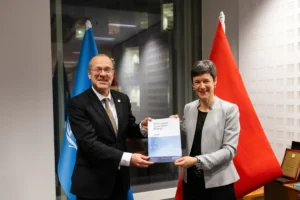
WHO and the Kingdom of Saudi Arabia sign agreements in support of health priorities

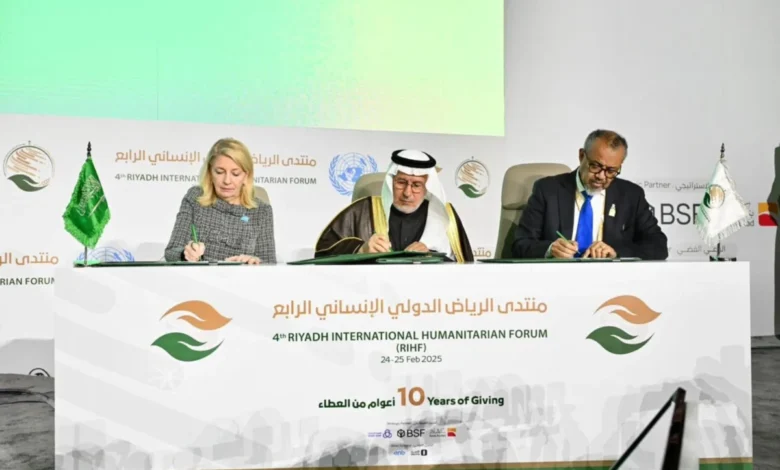
The Riyadh International Humanitarian Forum, held on February 24-25, 2025, served as a landmark assembly for the global humanitarian community, bringing together heads of international agencies, state representatives, and aid practitioners. Commemorating the 10th anniversary of the King Salman Humanitarian Aid and Relief Centre (KSRelief), the event transitioned from a retrospective on a decade of philanthropy to a high-stakes platform for addressing the compounding health crises currently destabilizing the Middle East and beyond. At the heart of the proceedings was a renewed emphasis on "health diplomacy," a strategic approach designed to navigate the increasingly perilous landscape of conflict zones where the safety of aid workers and the survival of displaced populations are under constant threat.
A Decade of KSRelief: From Inception to Global Influence
Established in 2015, KSRelief has rapidly evolved from a regional charity initiative into one of the most significant players in the international humanitarian architecture. Over the past ten years, the center has functioned as the Kingdom of Saudi Arabia’s primary vehicle for soft power and emergency response. The 2025 forum was not merely a celebratory milestone; it was a deliberate effort to institutionalize the partnership between the Kingdom and global health entities like the World Health Organization (WHO) and UNICEF.
The forum’s timing was critical. As of early 2025, the global humanitarian sector faces unprecedented levels of strain, with protracted conflicts in Gaza, Sudan, and Yemen creating massive displacement and the breakdown of basic healthcare infrastructure. By convening in Riyadh, the international community signaled that the sustainability of aid in these regions requires more than just capital—it requires a coordinated diplomatic framework to ensure that life-saving resources reach those in the most inaccessible territories.
Strategic Funding: Targeting Disease and Displacement
A major outcome of the forum was the solidification of targeted funding agreements aimed at curbing the spread of infectious diseases. The partnership between KSRelief and the WHO has moved toward a more granular, intervention-based model, focusing on the specific health threats that thrive in the aftermath of conflict.
In Yemen, a nation grappling with both the long-term impacts of war and the resurgence of preventable illnesses, the new agreements represent a lifeline. The allocation of US$ 12 million specifically for malaria control and US$ 2.1 million for the expansion of cholera treatment centers is a direct response to the crumbling sanitation and medical systems in the region. Epidemiological data suggests that in conflict-affected areas, the collapse of water, sanitation, and hygiene (WASH) infrastructure leads directly to cholera outbreaks. By providing the capital for decentralized treatment, these agreements seek to break the transmission cycle that has historically claimed thousands of lives.

Furthermore, the humanitarian spillover from the conflict in Sudan has placed immense pressure on the neighboring countries, particularly Egypt. The agreement worth US$ 3.6 million, directed toward the WHO Egypt Country Office, is designated for dialysis treatment for Sudanese refugees. This funding addresses a critical gap: the maintenance of chronic disease care for displaced persons, a sector often overlooked in emergency relief, which tends to prioritize acute trauma and infectious disease control.
The Global Polio Eradication Initiative (GPEI) Commitment
Perhaps the most significant financial pledge of the forum was the formalization of the US$ 500 million commitment to the Global Polio Eradication Initiative (GPEI). Initially pledged in April 2024, the confirmation of these funds during the forum was a vital boost for global immunization efforts.
The funding is structured to provide US$ 300 million through the WHO and US$ 200 million through UNICEF. This contribution is essential for the GPEI’s goal of vaccinating 370 million children annually. The logistical challenge of reaching these children is staggering, particularly in regions where the virus has seen a resurgence. In conflict zones such as Afghanistan, Pakistan, and parts of Gaza, polio vaccination campaigns are frequently hampered by insecurity, infrastructure damage, and the displacement of populations.
Public health experts note that the polio virus is a "barometer of instability." Its persistence in areas of conflict indicates a total collapse of health surveillance and vaccination delivery systems. By focusing this massive financial injection on these specific regions, Saudi Arabia and its UN partners are attempting to arrest the resurgence of a disease that was once on the verge of complete global eradication.
Chronology of Recent Humanitarian Engagement
- April 2024: The Kingdom of Saudi Arabia announces a landmark US$ 500 million pledge to the Global Polio Eradication Initiative during a high-level coordination meeting.
- Late 2024: Negotiations finalize the distribution of funds between WHO and UNICEF to ensure maximum operational reach in high-risk zones.
- February 24, 2025: The Riyadh International Humanitarian Forum commences, focusing on the protection of aid workers and the security of health infrastructure in conflict settings.
- February 25, 2025: Official signing ceremonies take place for the malaria and cholera interventions in Yemen, the dialysis project for Sudanese refugees in Egypt, and the GPEI funding agreement.
Analysis: Implications for Global Health Security
The implications of the 2025 Riyadh Forum extend beyond the immediate relief provided by the dollar amounts. The focus on "health diplomacy" suggests a shift in how international aid is conceptualized. By hosting a forum that explicitly links health outcomes to diplomatic dialogue, Saudi Arabia is positioning itself as a central mediator in global health governance.
From an operational standpoint, the move to support chronic disease care (such as dialysis) alongside infectious disease control (malaria/cholera/polio) represents a more mature approach to humanitarian aid. It acknowledges that refugees and displaced persons are not only at risk of immediate trauma but are also suffering from the silent, long-term depletion of medical support for pre-existing conditions.
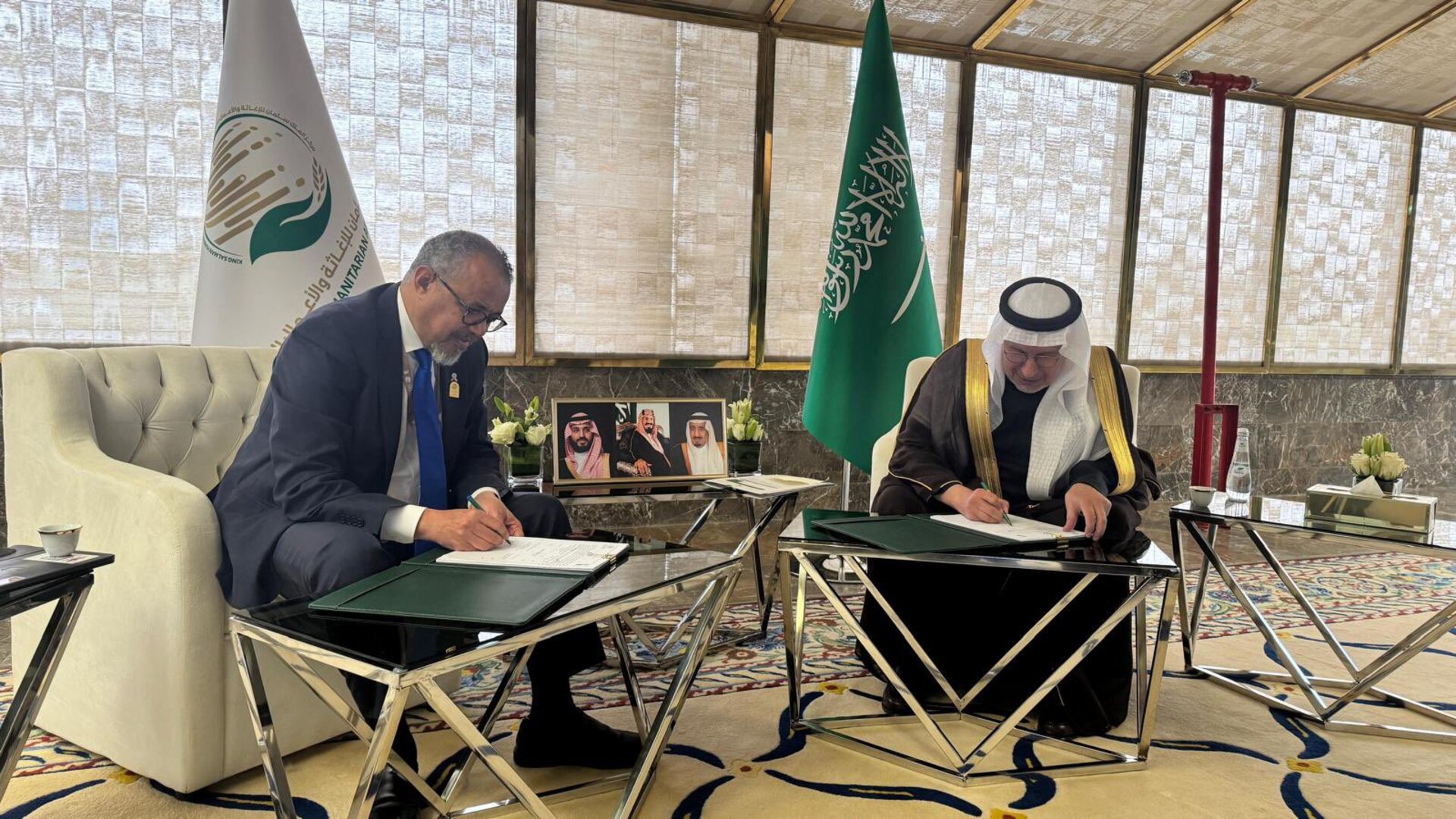
However, the efficacy of these agreements will be tested by the realities on the ground. The security of aid workers remains a paramount concern. As Dr. Tedros Adhanom Ghebreyesus, WHO Director-General, and Abdullah Al Rabeeah, Supervisor-General of KSRelief, emphasized during the proceedings, the "dignity of people affected by crises" is inextricably linked to the ability of the international community to protect its personnel. Without safe passage and a protected status for medical facilities, even the most generously funded programs face significant barriers to implementation.
Official Responses and the Path Forward
The collaboration between the WHO and KSRelief is currently viewed by policy analysts as a blueprint for "multilateral bilateralism"—a model where a single state donor works in deep alignment with a multilateral agency to achieve localized, high-impact results.
In his address to the forum, Dr. Al Rabeeah highlighted that the Kingdom’s humanitarian mission is a pillar of its national strategy, emphasizing that the 10th anniversary of KSRelief is a transition point toward even greater integration with international standards. The response from the global community has been largely positive, as the funding bridges the gap created by a global humanitarian funding shortfall. As traditional donor nations face domestic economic constraints, the role of regional powers in sustaining global health initiatives has become increasingly decisive.
Conclusion
The Riyadh International Humanitarian Forum 2025 has successfully reinforced the necessity of collaborative, well-funded, and diplomatically supported humanitarian action. By addressing both the immediate threats of infectious disease and the complex, long-term health needs of refugees, the agreements signed in Riyadh provide a glimmer of stability in a volatile global landscape. Whether these commitments result in the long-term eradication of polio or the stabilization of health systems in Yemen and Sudan will depend on the sustained commitment of all parties involved to prioritize health as a fundamental human right, regardless of political and geographic boundaries. The forum concluded with a clear consensus: in an era of multiple, overlapping crises, the health of the world is only as strong as the weakest and most neglected of its populations.