Madrid, the sprawling capital of Spain, serves as the administrative, financial, and cultural epicenter of the Iberian Peninsula. With a municipal population exceeding 3.5 million and an urban footprint that houses over 6.7 million residents, the city functions as the primary gateway for the 10 million international tourists who visit the region annually. Unlike the Mediterranean-facing hub of Barcelona, Madrid is defined by its high-altitude plateau geography and its distinct social rhythm, characterized by a nocturnal culinary culture and an intensive dedication to historical preservation. As a UNESCO World Heritage site designee, the city maintains a complex infrastructure of museums, palaces, and public spaces that require strategic navigation for any professional or recreational traveler.
The Evolution of the Capital and Urban Infrastructure
The modern urban layout of Madrid is a result of centuries of rapid expansion, transitioning from a medieval fortress town to the seat of the Hapsburg Empire in 1561. This historical legacy is most visible in the "Madrid de los Austrias" district, where the architecture reflects the architectural transitions between the 16th and 18th centuries.
Current urban development plans emphasize the "Paisaje de la Luz" (Landscape of Light), a UNESCO-recognized area that integrates the Paseo del Prado and El Retiro Park. This designation reflects the city’s commitment to urban sustainability and historical conservation. Data from the Madrid City Council indicates that the tourism sector accounts for approximately 12% of the city’s GDP, underscoring the importance of maintaining the integrity of these cultural sites amidst rising visitor volumes.
Day 1: The Golden Triangle of Art
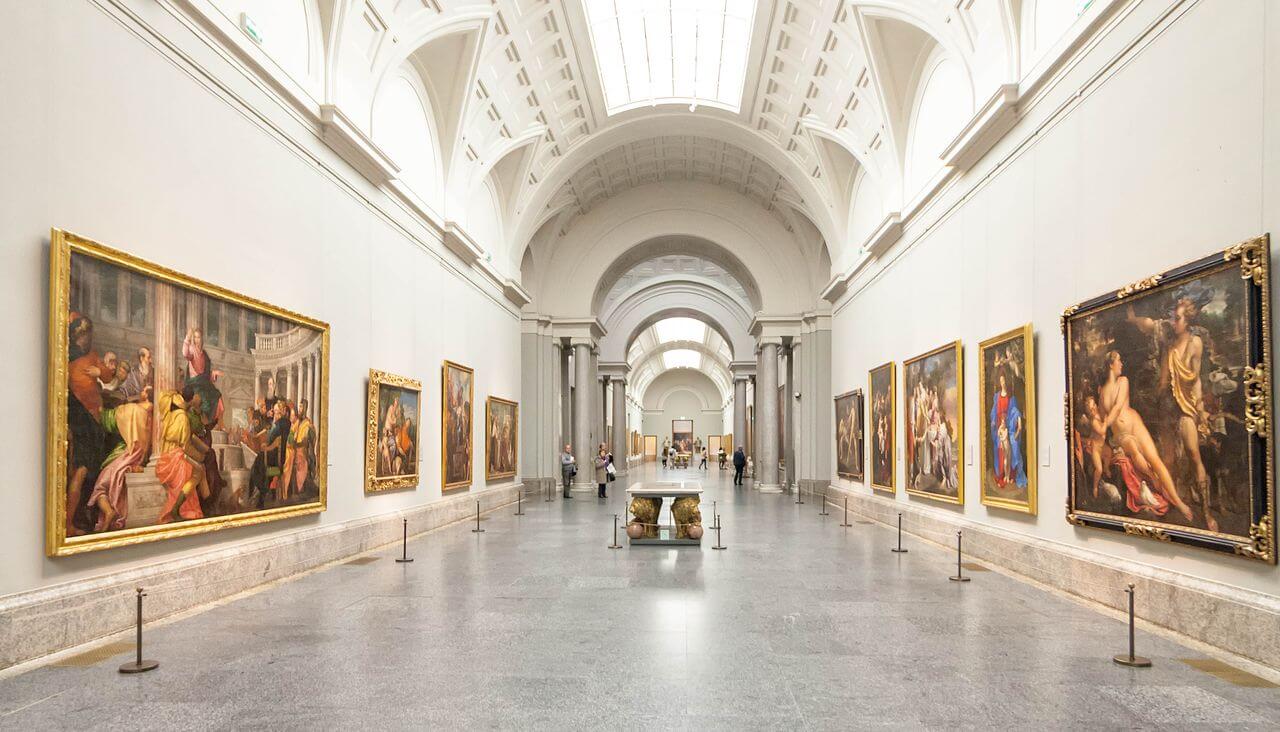
The primary cultural axis of Madrid, known as the "Golden Triangle of Art," offers one of the densest concentrations of fine art in the world. The Prado Museum, established in 1819, serves as the cornerstone of this route. Housing over 8,000 paintings, it provides a comprehensive timeline of European art, specifically the Spanish School, featuring works by Diego Velázquez, Francisco de Goya, and El Greco.
Continuing the sequence, the Thyssen-Bornemisza Museum provides a critical bridge between historical and contemporary collections, while the Reina Sofía National Art Center addresses the 20th century. The centerpiece of the Reina Sofía, Pablo Picasso’s 1937 Guernica, serves as both an aesthetic milestone and a historical document of the Spanish Civil War. Recent data suggests that these institutions have successfully digitized over 60% of their collections, providing researchers and students worldwide with access to archival records.
Day 2: Habsburg History and Royal Governance
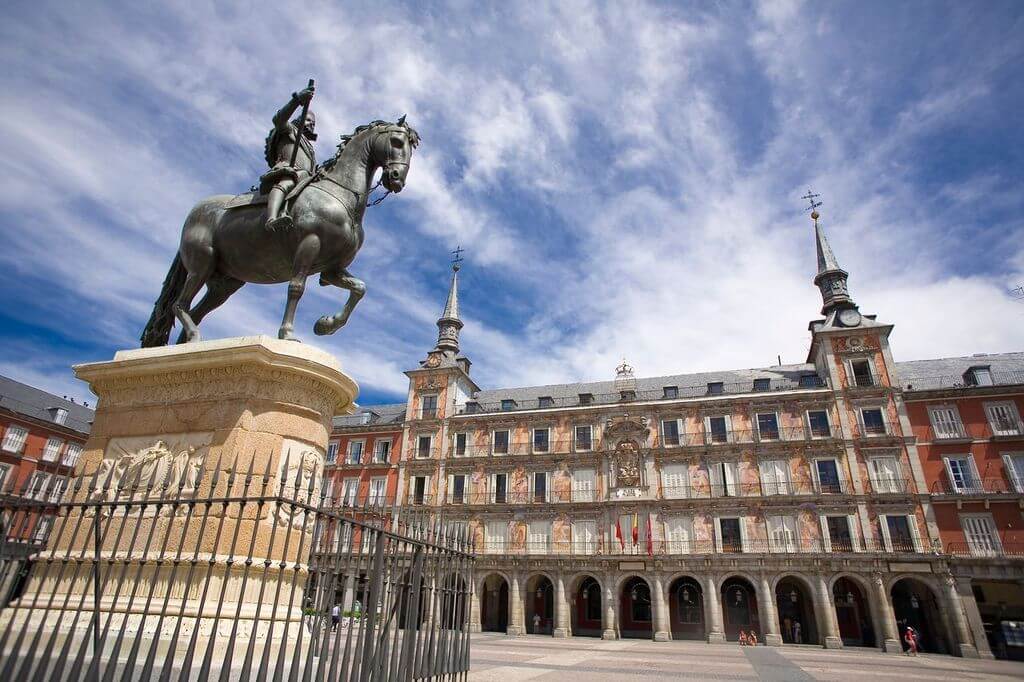
The geographic center of the nation is marked at Puerta del Sol’s "Kilometer Zero" plaque, the official point from which all Spanish radial highways are measured. This district remains the administrative heart of the country. Adjacent to the plaza lies the Plaza Mayor, a 17th-century architectural marvel that formerly served as the epicenter for public trials and royal ceremonies.
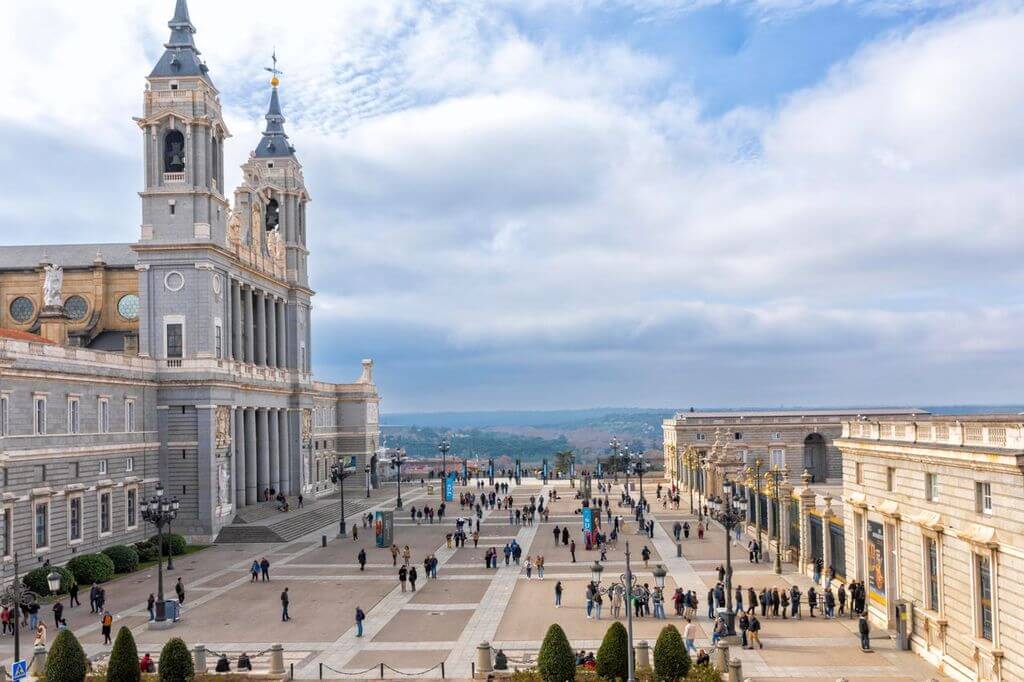
The Royal Palace of Madrid, while no longer the primary residence of the Spanish monarch, remains the largest functioning royal palace in Western Europe. Covering 135,000 square meters and containing 3,418 rooms, it functions as a diplomatic venue for state visits. The adjacent Almudena Cathedral, completed as recently as 1993, provides a contrasting study in 20th-century religious architecture, utilizing a neo-classical exterior to maintain visual consistency with the neighboring palace complex.
Day 3: Gastronomic and Economic Significance
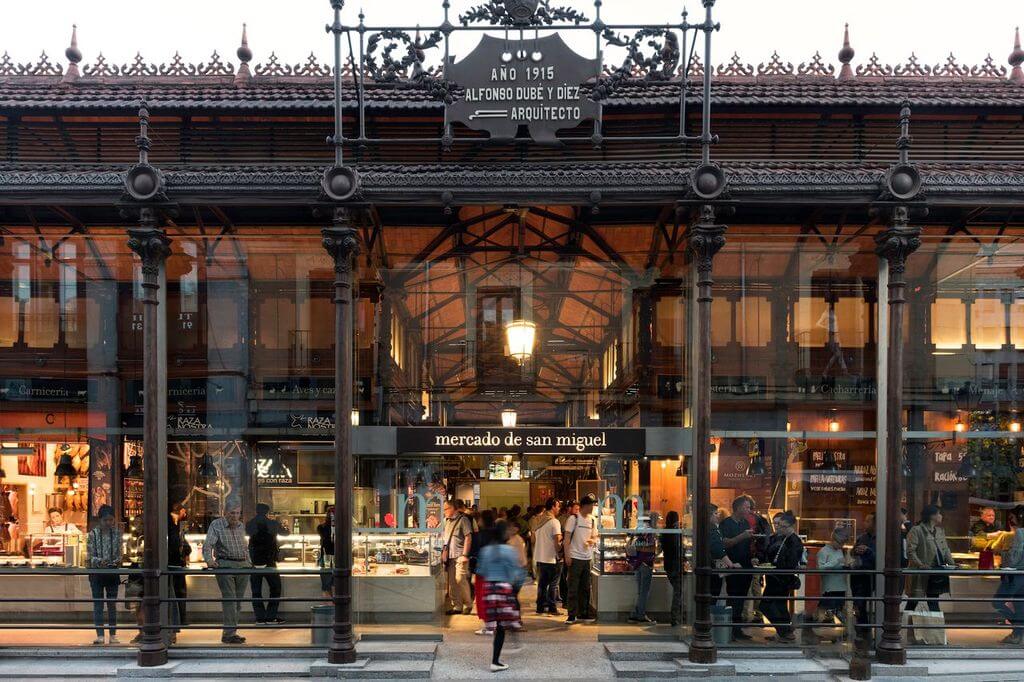
Madrid’s culinary industry is a vital component of its service-oriented economy. The Mercado de San Miguel, a glass-and-iron structure dating back to 1916, has evolved from a local produce market into a global gourmet hub. Economic analysis of the hospitality sector shows that the "tapas" economy—the practice of frequenting multiple small-plate establishments—sustains thousands of local businesses and supports a decentralized labor market.
The city has also seen a significant shift toward plant-based dining. According to recent surveys by the Madrid Hospitality Association, the number of vegetarian and vegan-certified establishments in neighborhoods like Malasaña has increased by 40% since 2020, reflecting a broader European trend toward sustainable consumption and diversified dietary demands.
Day 4: Peripheral UNESCO Sites and Regional Connectivity
The Madrid region extends its historical influence through several nearby UNESCO-recognized sites that are vital to understanding the Spanish Golden Age. San Lorenzo de El Escorial, located 45 kilometers northwest of the capital, serves as the burial site for Spanish royalty and a masterpiece of Renaissance architecture.
The Royal Palace of Aranjuez and the University of Alcalá de Henares further illustrate the depth of the region’s heritage. The University of Alcalá, founded in 1499, is historically significant not only for its architecture but as the birthplace of Miguel de Cervantes, the author of Don Quixote. Efficient regional rail connectivity—specifically the Renfe Cercanías network—allows for seamless transit between these sites, facilitating a regional tourism strategy that promotes "day-trip" sustainability, thereby reducing over-tourism in the capital’s center.
Day 5: Cloistered Collections and Urban Green Spaces
The final phase of a Madrid itinerary focuses on the city’s hidden institutional assets. The Monastery of Las Descalzas Reales and the Royal Monastery of La Encarnación house collections that were historically sequestered from public view. These institutions, managed by the Patrimonio Nacional, function as time capsules of the 16th and 17th centuries.
The inclusion of Casa de Campo—a 1,722-hectare public park—into the tourist route highlights the city’s focus on urban green space. Originally a royal hunting ground, the park was converted for public use in 1931. Current environmental initiatives from the Madrid Municipality aim to integrate this park further with the city center, utilizing it as a "green lung" to mitigate the heat island effect common in major metropolitan areas.
Institutional Implications and Future Outlook
The strategic management of Madrid as a tourism destination involves a constant balancing act between commercial expansion and preservation. Experts from the World Tourism Organization (UNWTO), which is headquartered in Madrid, note that the city serves as a global benchmark for urban tourism management. The integration of high-speed rail, modernized museum infrastructure, and a robust culinary scene has solidified the city’s position as a top-tier destination.
However, the future of the city’s tourism model depends on managing the social impact on local residents. As rental costs in the city center rise due to the popularity of short-term accommodations, local government authorities have begun implementing stricter regulations on tourist housing. These legislative adjustments are expected to shape the future of the hospitality market, encouraging tourists to explore neighborhoods beyond the traditional historic core, such as Chamberí, Arganzuela, and Tetuán.
For the international traveler, Madrid offers a multifaceted experience that transcends mere sightseeing. The city’s ability to preserve its historical narrative while actively participating in the modern global economy is what distinguishes it within the European landscape. Whether through the study of its art, the exploration of its royal history, or the participation in its evolving culinary scene, Madrid continues to function as a vital center of cultural and social exchange. For those planning a visit, a duration of five days allows for a comprehensive overview of these sectors, ensuring that both the primary monuments and the nuanced, peripheral treasures of the city are adequately experienced.