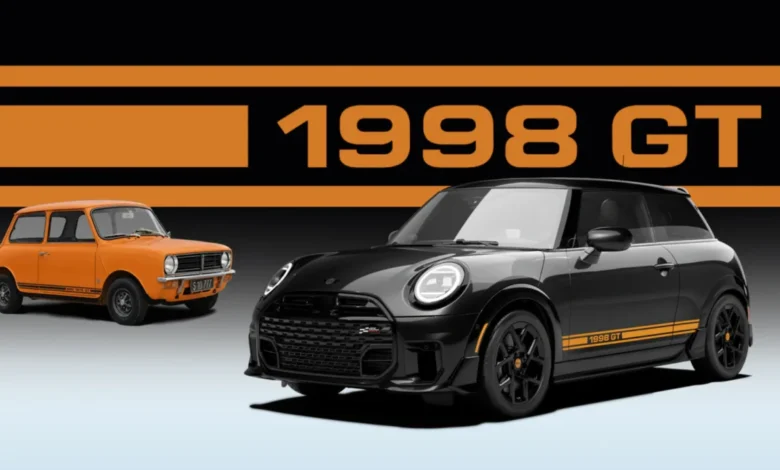
As part of its ongoing global product cadence and its highly publicized "Icon Drops" release calendar, automotive manufacturer Mini has officially unveiled the sixth instalment in its current series of specialized hatchback releases. Designated as the Cooper C 1998 GT Edition, the latest vehicle introduces a specialized cosmetic and functional package to the brand’s contemporary lineup. Despite its nomenclature, the special edition bears no direct relationship to the cultural or automotive landscape of the 1990s. Instead, the numerical designation is derived from a meticulous corporate tradition linking the vehicle’s engine displacement directly to its historic spiritual predecessors.
The introduction of the 1998 GT Edition reflects a broader strategy by the British-rooted, BMW-owned marque to maintain consumer interest through limited-run aesthetic variations and heritage-inspired configurations. While the market for three-door hatchbacks has contracted globally in favor of crossovers and SUVs, specialized variants continue to command dedicated enthusiast attention. However, the pricing strategy and mechanical specification of this particular release have already sparked considerable discussion within automotive circles, raising questions about the intersection of heritage branding, cosmetic upgrades, and baseline powertrain performance.
Heritage and Nomenclature: Understanding the Lineage
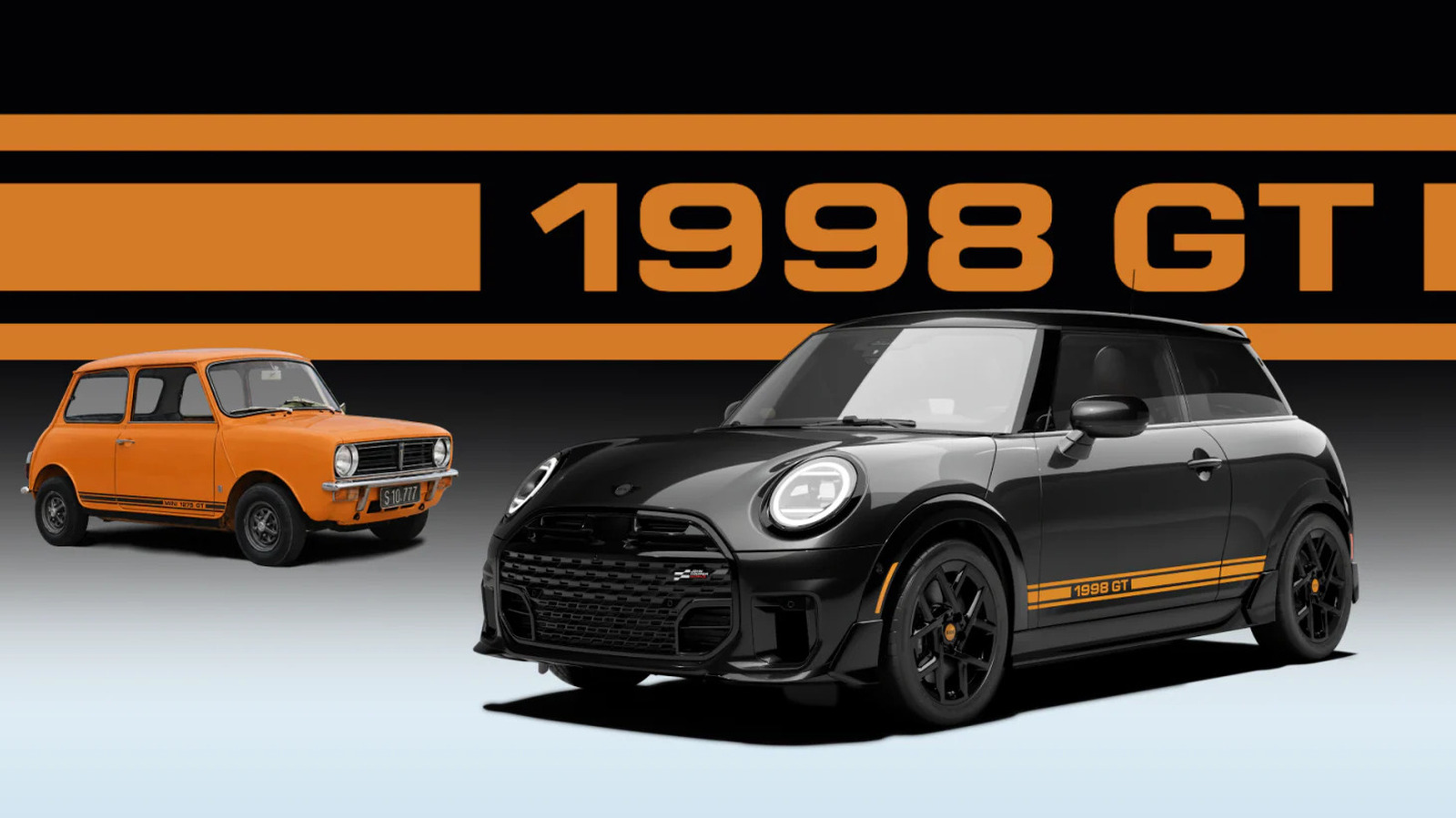
To understand the rationale behind the Mini Cooper C 1998 GT Edition, automotive historians must look back more than half a century to the British Motor Corporation era. The modern GT lineage is directly descended from the classic 1969 Mini Cooper 1275 GT, a vehicle engineered to replace the high-performance Mini Cooper S in certain motorsport and market segments. The original 1275 GT was named after the exact displacement of its transverse-mounted four-cylinder engine—1,275 cubic centimeters.
Unlike the high-strung Cooper S of the late 1960s and early 1970s, the original 1275 GT was conceived as a more accessible grand tourer. It featured distinctive "clubman" front styling, a sportier interior layout boasting a comprehensive set of driver-facing gauges, and longer gear ratios designed to make sustained highway driving more practical. Although it utilized a single carburetor rather than the twin-carb setup of the Cooper S, it carved out a unique identity as an approachable, stylish everyday driver with sporting pretension.
This naming convention was revived decades later under BMW’s stewardship of the Mini brand. In 2020, the company introduced the Cooper 1499 GT. In that vehicle, the numerical designation referenced the 1,499 cc displacement of the entry-level 1.5-liter, three-cylinder turbocharged engine fitted beneath the hood. The 1499 GT paired this base powertrain with an aggressive black-and-orange visual theme, establishing a formula that combined entry-level mechanical underpinnings with high-end cosmetic appointments.
The newly announced 2026 Cooper 1998 GT Edition follows this exact lineage. Its title is a direct mathematical translation of its power unit’s physical characteristics: the 2.0-liter turbocharged four-cylinder engine displaces 1,998 cubic centimeters. By retaining this naming convention, Mini has successfully bridged three distinct eras of its corporate history, linking the classic Alec Issigonis-designed original with the modern fourth-generation architecture.
Mechanical Specifications and Equipment Upgrades
Beneath the specialized bodywork and exclusive paint finish, the Mini Cooper C 1998 GT Edition relies on the mechanical foundations of the standard, entry-level Cooper C rather than the higher-output Cooper S variant. Consequently, the vehicle is propelled by a 2.0-liter turbocharged four-cylinder engine tuned to produce 161 horsepower and 184 lb-ft of torque. While these figures provide brisk acceleration suitable for urban and suburban commuting, they sit below the performance thresholds established by the dedicated Cooper S and the track-focused John Cooper Works (JCW) models.
Despite utilizing the base engine tuning, the 1998 GT Edition incorporates a significant suite of hardware and cosmetic components sourced directly from the John Cooper Works parts catalog. Most notably, the vehicle is equipped with high-performance JCW braking systems, offering enhanced stopping power and pedal feel compared to the standard Cooper C setup. Furthermore, the exterior receives the complete JCW aerodynamic treatment, including a comprehensive body kit, specialized aerodynamic winglets, and a rear diffuser assembly.
The integration of JCW components extends into the cabin and rolling stock. The vehicle rides on bespoke 17-inch black alloy wheels that fill the wheel arches cleanly while reducing unsprung mass relative to larger, heavier rim options. Inside, occupants are greeted by supportive JCW sport seats, a heated three-speed steering wheel wrapped in tactile materials, aluminum paddle shifters, and model-specific badging. Additional interior touches exclusive to the GT Edition include customized floor mats, dedicated door sill scuff plates, branded key fob covers, and a serial-numbered plaque mounted on the center console storage box.
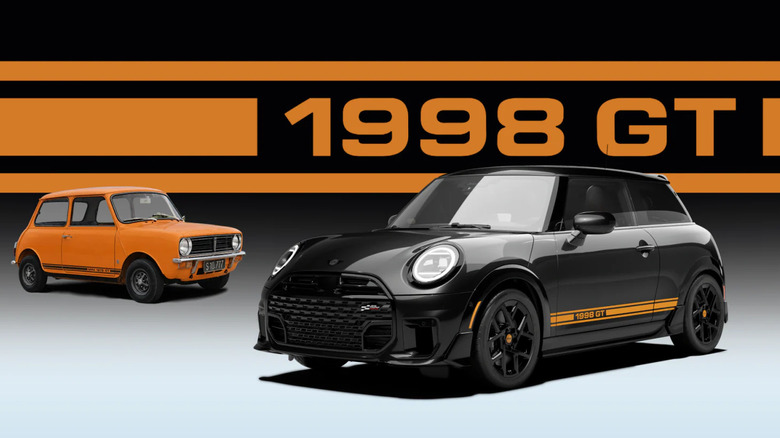
Exterior differentiation is strictly controlled. The 1998 GT Edition is offered exclusively in a two-door hatchback body style, finished in a deep Midnight Black Metallic exterior paint contrasted by vivid orange decals along the flanks and hood. This color palette intentionally inverts the classic paint schemes seen on vintage 1275 GT models, which frequently paired bright orange bodies with black accent striping.
Pricing Strategy and Market Positioning
When the Mini Cooper C 1998 GT Edition reaches dealership showrooms in the United States, it will carry a manufacturer’s suggested retail price of $38,225, a figure that includes mandatory destination and handling fees. This price point has immediately drawn scrutiny from automotive analysts and enthusiasts alike, primarily due to internal pricing overlap within the current Mini product portfolio.
To contextualize the financial investment required for the 1998 GT Edition, market comparisons must be drawn against the broader Mini lineup. The base price of the 1998 GT Edition sits approximately $4,075 higher than the starting MSRP of the standard Cooper S two-door. The Cooper S, by comparison, utilizes a more aggressively tuned variant of the same 2.0-liter engine, generating significantly higher horsepower and delivering sharper acceleration and dynamic capability out of the box.
This pricing structure highlights a persistent trend in the modern automotive industry: the commercial premium commanded by limited-run aesthetic packages and heritage branding. Buyers selecting the 1998 GT Edition are paying a substantial financial markup for exclusivity, JCW cosmetic enhancements, and historical nomenclature, while simultaneously accepting a lower horsepower output than what is available further down the standard ordering sheet.
Industry observers note that such vehicles are rarely purchased purely on a cost-per-horsepower metric. Instead, they appeal to brand loyalists, collectors, and design-conscious consumers who prioritize distinct visual styling, rarity, and a connection to the marque’s motorsport heritage over raw straight-line performance.
Broader Industry Implications and Brand Strategy
The rollout of the 1998 GT Edition underscores Mini’s broader product lifecycle management under BMW Group. As the automotive sector navigates the complex, capital-intensive transition toward vehicle electrification, internal combustion engine (ICE) platforms are increasingly being sustained through niche marketing initiatives, targeted special editions, and personalization programs.
By dividing its release schedule into themed "Icon Drops," Mini has created a predictable cadence of media engagement and consumer interest. This strategy mirrors methodologies utilized in the fashion and streetwear industries, where scarcity and timed releases generate higher emotional engagement and urgency than traditional model-year refreshes. Each drop serves to keep the aging or transitioning platform relevant in automotive news cycles without requiring the massive engineering expenditures associated with a completely new generation of vehicles.
Furthermore, the integration of John Cooper Works styling cues into a base-engine model reflects a widespread industry practice known colloquially as "performance packaging" or appearance tiering. Manufacturers frequently leverage their high-performance sub-brands to enhance the visual appeal and perceived value of standard-tier vehicles. For consumers who desire the aggressive stance, braking confidence, and aerodynamic flair of a dedicated sports car, but prefer the smoother ride quality, lower insurance premiums, and improved fuel efficiency of a base engine, these hybrid trims occupy a highly specific sweet spot in the market.
However, the strategy is not without its risks. Purists have historically criticized configurations that pair aggressive motorsport aesthetics with modest powertrain outputs, occasionally using dismissive terminology such as "all show and no go." Yet, sales figures for historical appearance packages suggest that a large segment of the consumer base prioritizes visual drama and interior comfort over track-day capability.
Chronology and Future Outlook
The journey of the modern Mini GT lineage began in earnest with the introduction of the Cooper 1499 GT in 2020, which successfully tested consumer appetite for heritage-themed, base-engine special editions. Building upon that foundation, the announcement of the 2026 Cooper C 1998 GT Edition represents the sixth milestone in the current Icon Drops calendar, leaving two additional special editions slated for release before the conclusion of the promotional cycle.
As Mini continues to overhaul its global lineup—introducing newly designed electric variants alongside updated gasoline-powered models—vehicles like the 1998 GT Edition serve as a bridge between the brand’s storied past and its electrified future. Whether the steep price premium will deter prospective buyers or cement the vehicle’s status as a future collectible remains to be seen. What is certain, however, is that Mini will continue leveraging its rich historical archives to craft unique product offerings designed to capture attention in an increasingly crowded global marketplace.