"Sometimes you’ve got to be bold about it," says Emmy winner Sheryl Lee Ralph, her words resonating with a quiet determination that perfectly encapsulates the journey of the independent film Ricky. The film, a powerful exploration of reintegration into society after incarceration, is forging an unconventional path to audiences, a testament to the creative spirit and unwavering commitment of its filmmakers in a landscape increasingly challenging for independent cinema.
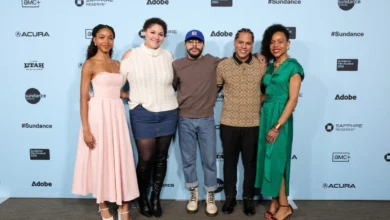
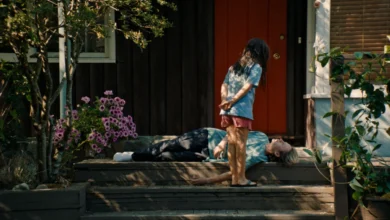
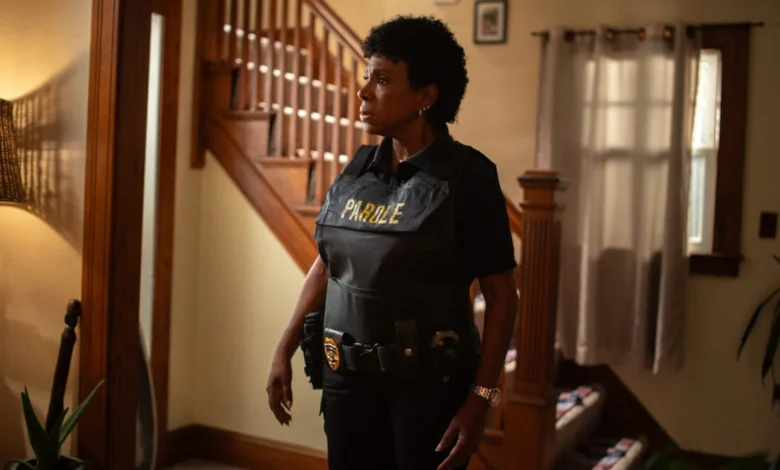
Ricky, the feature directorial debut of Rashad Frett, premiered to critical acclaim at the prestigious Sundance Film Festival sixteen months ago. The drama, which centers on a 30-year-old man’s arduous reintegration into society after being incarcerated since his teenage years, captivated festival-goers and earned Frett the directing prize in the festival’s competition. The film features standout performances from Ralph, portraying the character’s parole officer, and Stephan James, known for his role in If Beale Street Could Talk, who delivers a nuanced performance as the titular Ricky. However, despite its critical success and potent subject matter, Ricky faced the familiar hurdles of the indie film market, with traditional distribution avenues proving slower to materialize than anticipated.
Defying Expectations: A Self-Distribution Revolution
In response to a shifting and often unforgiving independent film distribution landscape, the Ricky team, with facilitation from Blue Harbor Entertainment, has opted for a bold and innovative self-distribution strategy. This approach allows the filmmakers to retain full creative control and intellectual property rights as they prepare for a targeted theatrical release on April 24th. This decision, described by Ralph as "bold," stems from a deep-seated desire to connect the film directly with the communities it aims to serve and to ensure its vital message reaches those most impacted by the criminal justice system.
A successful Kickstarter campaign played a pivotal role in galvanizing support and resources for this unique distribution model. Producer Sterling Brim, who also makes his feature film debut, articulated the team’s core motivation: "We wanted to make sure that people who are actually affected by recidivism and the imprisonment system could see this film. I wanted to make sure that people in Chicago, people in Detroit and any of the big cities that you think about that have Black and brown people and marginalized groups could see this film." This community-focused approach underscores a broader trend within independent filmmaking, where artists are increasingly exploring alternative models to circumvent traditional gatekeepers and foster direct audience engagement.
A Grounded Vision: Authenticity at the Forefront
Director Rashad Frett’s connection to the narrative of Ricky runs deep. He revealed that he "grew up in the environment" depicted in the film, absorbing the lived experiences and systemic challenges that shape the lives of its characters from a young age. His previous work was primarily in documentaries, and his initial foray into filmmaking was a short film of the same name. This background informs Ricky‘s profound sense of verisimilitude. Frett meticulously focused on portraying the realities of life post-incarceration with a raw, unvarnished authenticity. The script navigates moments of painful realism, while the filmmaking itself embraces the inherent chaos and unpredictability of life as it unfolds.
"I wanted to make this film as visceral and as real as possible, so I was telling my cinematographer, ‘Find the shots, find the frame,’" Frett explained. "We were on the headset and I’m constantly in his ear: ‘Just follow the movement.’" This directorial philosophy creates an immersive experience for the audience, drawing them into Ricky’s world with an almost documentary-like intimacy.
Stephan James, who embodies the complex character of Ricky, echoed this sentiment, highlighting the film’s intentionality. "It felt like a film that was made with intention, with purpose. Every frame of that film was calculated… You’re dealing with a 15-year-old boy entering adulthood for the first time [at 30]. As a character study, it was just so fascinating." To prepare for the role, James dedicated significant time to observing and interacting with teenagers, striving to understand their unique perspectives and how they navigate the world. "I had to get into the psychology of a 15-year-old boy," he stated, emphasizing that this foundational understanding was crucial to portraying Ricky, regardless of his chronological age. "I took real pride in understanding the full picture."
Sheryl Lee Ralph, who delivers a compelling performance as Ricky’s parole officer, Joanne, was drawn to the project by both the opportunity to work with James and the resonant narrative. "We don’t see a lot of stories about successful young Black men, marginalized young men coming out and having the life that they’ve dreamed of," Ralph observed. "This script spoke so well about so many things that these young men face coming out of the system, and how they get involved in the system to begin with." Her involvement adds significant weight and gravitas to the film, leveraging her considerable talent to amplify its social message.

Navigating a Challenging Market: The Indie Film Conundrum
The path Ricky has taken is emblematic of broader challenges faced by American narrative features emerging from Sundance. While the film garnered significant critical praise and awards, the subsequent acquisition process proved to be a protracted one. For instance, the Grand Jury Prize winner Atropia from the same festival was only acquired in October, a full ten months after its premiere. This pattern highlights a larger issue within the independent film industry: a growing disconnect between critical acclaim and commercial distribution, particularly for films that tackle complex social themes.
"We navigated it as best as possible with the type of film this is," Frett commented on the distribution challenges. Producer Sterling Brim added, "We’re trying to be creative with this industry changing and finding out new ways to get quality independent films out there – and being a young producer, you don’t want to watch anything that you make die. For these people involved, I just knew we had to make sure this lived and that it could live amongst the people that it needed to live amongst."
Community Engagement: A Film for the People
Recognizing the urgency of their mission, the Ricky filmmakers have proactively engaged in direct community outreach over the past year, organizing various screenings aimed at fostering dialogue and connection. Sheryl Lee Ralph’s experience at a screening held at San Quentin Rehabilitation Center, followed by a Q&A session, left a profound impact on her.
"We were in a room with men who were very much like the character in the movie – some of them had aged up, but they had still been that character; some of them were that character right at that moment," Ralph recounted, her voice filled with emotion. "There were moments when the movie was screening, you could hear a pin drop… Their response was so, ‘Whoa.’ And there were moments in the film where they started talking back to the film… It was a moment to be a human being with other human beings trying to figure out what the next step would be, even if they were in their 20s and they wouldn’t be out for another 50 years. I’ve never experienced anything like that." This deeply moving interaction underscores the film’s power to resonate with individuals who have direct experience with the issues it portrays.
Stephan James articulated the profound impact such connections have on the filmmaking process: "People are going to see this film and say, ‘Wow, I’m seeing myself in a way I’ve never seen myself.’ ‘People are looking at me, I’m being seen.’ That’s really the greatest testament in being able to make a film like this." This sentiment highlights the core purpose of Ricky: to offer visibility and validation to a population often rendered invisible by society.
The Road Ahead: A New Model for Independent Distribution
As the theatrical launch approaches, the Ricky team acknowledges the learning curve associated with this pioneering independent release. Frett, who also teaches directing at Brooklyn College, admits that even the promotional aspects of the film have presented new challenges. Brim, whose background includes co-hosting the popular comedy clip show Ridiculousness, has embraced this unconventional rollout alongside his fellow producers, deliberately eschewing the easier, more conventional path. Yet, despite the novelty of their approach, there is no sense of regret or second-guessing. For those involved, this self-distribution strategy feels not only right but almost inevitable.
Sheryl Lee Ralph eloquently summarized the rationale behind their bold decision: "The offers didn’t come – or they were late to come, or slow to come – and people didn’t know if they wanted to touch this subject. That happens so often when it’s an independent film that has something to say about people who so often get marginalized – whether they’re in prison, out of prison – just because of who and what they are. So it is bold to say, ‘You know what? If you’re not going to open up the door for me here, I think enough about the work that I have created to go out and say we’re going to do it ourselves. We’re four-walling this thing ourselves because we refuse for you not to see it.’"
This commitment to "four-walling" – essentially renting out cinema spaces to control their own screenings – represents a significant departure from traditional distribution models. It signifies a profound belief in the film’s importance and a refusal to let its message be stifled by the limitations of a risk-averse industry. The success of Ricky‘s independent release could serve as a blueprint for future filmmakers seeking to amplify stories that challenge the status quo and speak to underserved communities. The film’s journey, from its critical triumph at Sundance to its unconventional theatrical debut, stands as a powerful testament to the enduring spirit of independent cinema and the unwavering dedication of its creators to bring vital narratives to light.