World Health Organization Launches Comprehensive Drowning Prevention Framework Ahead of World Drowning Prevention Day

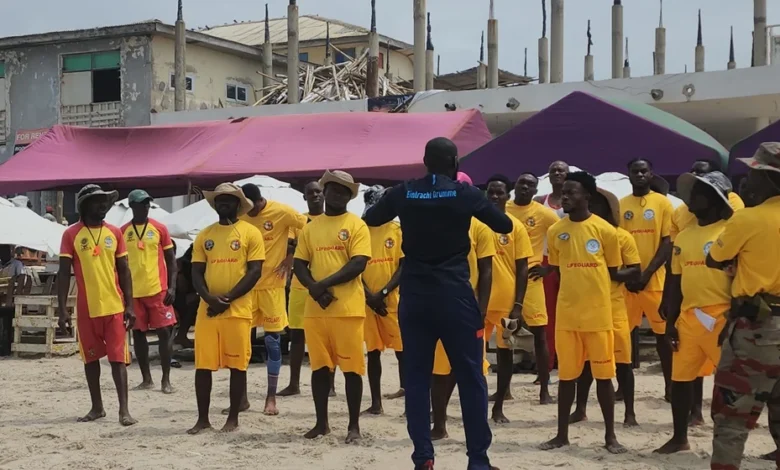
Geneva/Accra – In a significant step towards curbing a leading global cause of preventable death, the World Health Organization (WHO) is unveiling a new, comprehensive technical package designed to empower governments and communities with proven strategies to drastically reduce drowning fatalities. This initiative comes just days before the observance of World Drowning Prevention Day on July 25th, a crucial moment to raise awareness and galvanize action on this persistent public health crisis.
Globally, drowning claims the lives of an estimated 300,000 individuals annually. The stark reality is that drowning remains a top ten cause of death for children aged 5 to 14, a demographic particularly vulnerable to its devastating impact. These tragedies unfold with alarming frequency in a variety of settings, from open water bodies like rivers and lakes to more domestic environments such as wells, water storage containers, and swimming pools. The disproportionate burden of these deaths falls heavily on low- and middle-income countries, where access to safety measures and prevention education is often limited.
Climate Change Exacerbates Drowning Risks
Adding a layer of urgency to the existing crisis, the escalating impacts of climate change are demonstrably increasing drowning risks worldwide. As extreme weather events – including floods, severe storms, and prolonged heatwaves – become more frequent and intense, the likelihood of drowning incidents rises. Scientific research has established a clear and concerning link between rising temperatures and an increase in drowning deaths. For instance, studies conducted in the United Kingdom have indicated that for every one-degree Celsius increase in ambient temperature, drowning fatalities can surge by an alarming 7.2%. The risk is further amplified on warmer days; research suggests that on days where temperatures exceed 25 degrees Celsius, the risk of drowning is nearly five times higher compared to days with temperatures below 10 degrees Celsius. This correlation underscores the interconnectedness of global environmental challenges and public health emergencies, highlighting the need for integrated solutions.
The PROTECT Framework: A Blueprint for Prevention
Dr. Tedros Adhanom Ghebreyesus, WHO Director-General, articulated the profound significance of this new initiative, stating, "Every drowning is a tragedy, and most are preventable." He emphasized the practical and evidence-based nature of the seven strategies, collectively known as PROTECT. "The seven PROTECT strategies give countries practical, evidence-based approaches to prevent these tragedies, including making water transport safer, teaching school kids to swim, and preparing for floods. Drowning prevention isn’t the job of one ministry; it belongs to everyone, and the lives it saves are the reward."
The PROTECT framework serves as a practical translation of the vision set forth in the first-ever Global Strategy for Drowning Prevention: Turning the Tide on a Leading Killer. This overarching strategy was introduced by the WHO-hosted Global Alliance for Drowning Prevention in 2025, marking a pivotal moment in global efforts to address this critical issue. The PROTECT package offers policymakers concrete, evidence-informed recommendations across seven interconnected domains, meticulously designed to strengthen safety around water. While the specific seven domains of the PROTECT strategy are detailed within the full technical package, they are understood to encompass a multi-faceted approach, likely addressing areas such as:
- Legislation and Policy: Establishing and enforcing robust drowning prevention laws and regulations.
- Risk Assessment and Surveillance: Systematically monitoring drowning incidents and identifying high-risk areas and populations.
- Water Safety Interventions: Implementing measures to make environments around water safer, including fencing of pools, safe access to waterways, and improved infrastructure for water transport.
- Swim, Water Safety, and Rescue Education: Promoting swimming skills, water safety knowledge, and basic rescue techniques for individuals of all ages.
- Child Care Practices: Implementing measures to protect young children from drowning hazards in and around the home.
- Emergency Response: Enhancing the capacity of emergency services to respond effectively to drowning incidents.
- Community Engagement and Advocacy: Raising public awareness and fostering community involvement in drowning prevention efforts.
Ghana: A Beacon of Commitment to Drowning Prevention
The official launch of the PROTECT package is taking place in Ghana, a nation that has demonstrated a growing political commitment to drowning prevention and is actively working to enhance its water safety measures. The choice of Ghana as the launch site underscores its increasing leadership in confronting this preventable tragedy. In Ghana, an estimated 1,100 lives are lost to drowning each year, with children and young adults bearing a disproportionate burden of these fatalities. This translates to a devastating average of three drowning deaths every single day, highlighting the immediate and pressing need for comprehensive intervention.
The launch in Ghana serves as a powerful testament to the country’s dedication to safeguarding its citizens and as an inspiration for other governments worldwide. It underscores the urgent necessity for nations to adopt evidence-based policies that can effectively reduce drowning deaths and protect vulnerable communities.
A Decade of Collaborative Progress
This significant initiative builds upon more than a decade of sustained collaboration between the WHO, national governments, and a network of global partners. This concerted effort has been instrumental in advancing evidence-based drowning prevention actions across the globe. The development and dissemination of foundational resources have guided best practices for prevention interventions, culminating in the creation of the PROTECT technical package.
Dr. Kelly Henning, who leads the public health program at Bloomberg Philanthropies, a key partner in these efforts, expressed strong support for the WHO’s leadership. "This framework will save lives while building on the progress governments around the world are making to prevent drowning deaths in their countries," she stated. "Bloomberg Philanthropies has worked with governments worldwide to implement proven, effective strategies that reduce drowning deaths. We applaud the World Health Organization for its leadership on this issue and look forward to continuing to support it and local governments as they use the PROTECT technical package."
Bloomberg Philanthropies has been a steadfast partner of the WHO in drowning prevention since 2014. Their support has been crucial in developing the essential resources that have shaped global best practices in this field, including the comprehensive PROTECT technical package.
"Unite to Turn the Tide": A Call to Collective Action
The theme for this year’s World Drowning Prevention Day, "Unite to Turn the Tide," encapsulates the critical need for coordinated action. It emphasizes that effectively combating drowning requires a unified approach involving governments at all levels, diverse sectors of society, and engaged communities working together to prevent drownings and ultimately save lives. This theme serves as a powerful reminder that the responsibility for drowning prevention is shared and that collective action is the most potent weapon against this global health challenge. The launch of the PROTECT package provides a tangible and actionable roadmap for achieving this vital goal.