Global Travel Index Report Reveals Ten Major Metropolitan Destinations Offering Exceptional Value for International Travelers Amid Economic Pressures

International tourism has faced unprecedented shifts in recent years, driven by fluctuating global economies, post-pandemic demand surges, and persistent inflationary pressures across the aviation and hospitality sectors. For the modern traveler, balancing the desire for cultural immersion with fiscal prudence has become a primary challenge. Recent comprehensive data compiled by travel expenditure analysts and global tourism boards highlights a select tier of major international metropolitan areas where visitors can experience rich historical, culinary, and architectural landscapes without incurring prohibitive expenses. Evaluating destinations through the lens of average daily costs—encompassing lodging, dining, local transit, and cultural admissions—reveals that global economic powerhouses and historic cultural capitals can still accommodate budget-conscious itineraries.
The following findings outline ten key destinations worldwide where travelers can optimize their expenditures, supported by comparative cost metrics, historical context, and structural analyses of local tourism economies.
Beijing, China
Average Daily Cost: $78
Beijing stands as a testament to rapid modernization balanced with millennia of imperial history. Over the past fifty years, China’s capital has evolved into a global economic powerhouse. Surprisingly, this rapid development has not translated into prohibitive costs for international visitors. Lodging within the city averages approximately $29 per night, while daily food expenditures generally remain near $12.
The city’s economic accessibility is further underscored by the abundance of zero-cost cultural attractions. Iconic public spaces such as Tiananmen Square and the adjacent National Museum—housing vast collections of ancient Chinese art, bronzework, and weaponry—require no admission fees. Explorers can traverse the historic hutongs—narrow traditional alleyways that predate modern urban planning—or view public art installations within the 798 Art District entirely free of charge. Additionally, visitors can tour the architectural remnants of the 2008 Olympic Games, including the surrounding public spaces of the Beijing National Stadium, known commonly as the Bird’s Nest. Culinary adventurers seeking localized fare can visit Wangfujing Snack Street, where regional delicacies such as boiled tripe are available for minimal cost, highlighting the city’s ability to offer deep cultural engagement on a modest budget.
Warsaw, Poland
Average Daily Cost: $78
As the sole European representative to rank among the top ten most cost-effective global capitals, Warsaw presents a compelling economic proposition for travelers navigating the traditionally higher costs of the European Union. Poland’s capital combines a resilient post-war reconstruction history with a burgeoning modern culinary and cultural scene. Daily dining expenses in Warsaw typically remain under $20, with popular local pubs offering domestic beers for roughly $2.
Cultural enrichment is similarly economical. Visitors can access the Warsaw Rising Museum free of charge on Sundays, while the National Museum waives entrance fees on Tuesdays. Though landlocked, Warsaw transforms during the summer months, offering public leisure spaces along the Vistula River beaches and the sprawling manicured grounds of Lazienki Park. Nightly accommodation costs average just over $50 per person based on double occupancy, ensuring that extended stays remain financially viable for budget-conscious tourists.
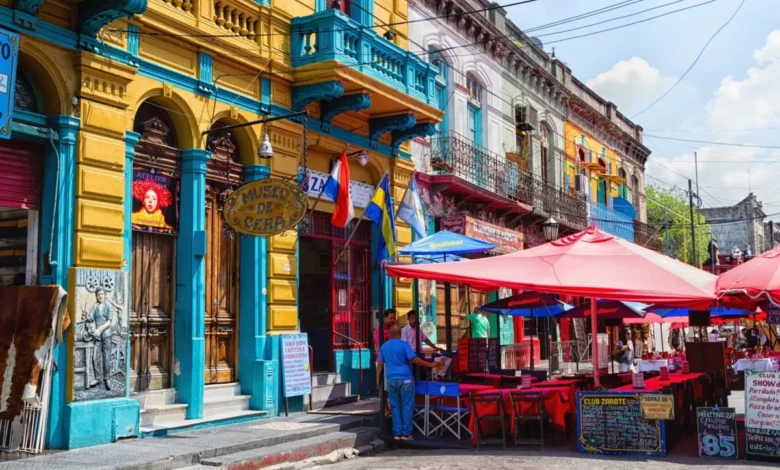
Buenos Aires, Argentina
Average Daily Cost: $50
Argentina’s capital has long held a legendary status among international backpackers and culinary tourists for offering high-end gastronomic experiences at a fraction of North American or European prices. Recent economic indices confirm that these accounts are largely accurate. Travelers prioritizing Argentina’s renowned beef and wine culture can enjoy comprehensive meals that rarely exceed $20.
Beyond its culinary offerings, Buenos Aires provides extensive low-cost and free urban exploration. Visitors can frequent the historic cafes of the Palermo neighborhood, where artisanal coffees average less than $2. Cultural institutions such as the National Museum of Fine Arts impose no admission charges. Similarly, the Feria de Mataderos—a traditional weekly market showcasing gaucho culture, horsemanship, and live tango demonstrations—is entirely free to attend. Lodging in the city remains exceptionally affordable, with average nightly room rates hovering around $36.
Lima, Peru
Average Daily Cost: $50
As a globally recognized culinary epicenter, Lima attracts gastronomes from around the world. While high-end establishments featured on international best restaurant rankings command premium prices, budget-conscious travelers focusing on local bodegas and fresh ceviche will find the city offers remarkable value. Quality daily meals average approximately $16, while locally produced wines and pisco-based beverages remain inexpensive.
Accommodation in Lima averages around $45 per night for shared double occupancy. The city’s rich colonial history is accessible through numerous free civic and religious sites, including the Cathedral of Lima and the Church of San Francisco, as well as the daily changing of the guard ceremony at the Palacio del Gobierno. Public recreational and cultural facilities, such as the municipal zoo and the Museo del Arte de Lima, offer nominal admission fees, making comprehensive cultural tourism accessible to all financial brackets.
Istanbul, Turkey
Average Daily Cost: $45
Bridging Europe and Asia across the Bosphorus Strait, Istanbul represents one of the most culturally stratified and historically significant urban centers in the world. Visitors can spend their mornings navigating the 600-year-old Grand Bazaar before touring historical neighborhoods and urban green spaces such as Yildiz Park.
Istanbul’s affordability is reflected in its lodging and dining sectors, where average nightly hotel rates sit near $22, and traditional street foods—such as simit and fresh balik ekmek (fish sandwiches)—cost less than $6 per day. Financial savings on basic expenditures enable travelers to invest in cultural traditions, such as visiting historic Turkish baths, where entrance and traditional massage services remain economically accessible. Furthermore, prominent cultural institutions, including the Museum of Contemporary Art and the Jewish Museum of Turkey, provide free general admission.
Kuala Lumpur, Malaysia
Average Daily Cost: $39
Kuala Lumpur has experienced rapid development, cementing its status as a major Southeast Asian financial and commercial center. Despite this modernization, the city has successfully maintained a low cost of living for residents and visitors alike, functioning effectively as an economically accessible alternative to neighboring Singapore.
Nightly hotel accommodations average $32, while comprehensive daily food expenditures at local hawker stalls and street markets run approximately $11. Educational and cultural tourism is largely subsidized or free of charge, with institutions like the National Art Gallery and the Petronas Gallery offering free entry, alongside complimentary public art workshops. For nature enthusiasts, urban conservation areas such as the KL Forest Eco Park and the historic Batu Caves, located just outside the metropolitan boundary, provide free access to unique natural ecosystems.
Marrakech, Morocco
Average Daily Cost: $38
Marrakech offers a distinct travel dynamic wherein its primary architectural and cultural attractions—namely the labyrinthine medina, historic mosques, minarets, and traditional souks—are accessible to the public without admission fees. Street vendors throughout the old city provide affordable dining options, with traditional kebabs costing under three dollars, while comprehensive sit-down meals featuring tagines and roasted lamb typically remain under $10.
While the local economy relies heavily on traditional haggling and commerce, nightly accommodation averages $39 per person based on double occupancy. Nightlife and entertainment expenses remain modest, averaging roughly $20 per evening, cementing the city’s status as a top-tier destination for budget-focused desert and cultural tourism.
Bangkok, Thailand
Average Daily Cost: $38
As a primary hub for Southeast Asian transit and tourism, Bangkok manages to sustain high volumes of international visitors without inflating baseline travel costs. Nightly hotel accommodations average approximately $41, and daily food expenditures hover around $17, allowing visitors to sample diverse regional street food and local markets economically.
Beyond its vibrant nightlife districts, Bangkok houses a wealth of specialized, low-cost, and free municipal institutions. These include the Bangkokian Museum, the Royal Elephant Museum, the Silpa Bhirasri Memorial and Museum, and the Corrections Museum, which is housed within a former penal facility. Additionally, the city’s extensive network of Buddhist temples and shrines generally permits free entry and photography, supporting robust cultural tourism on a controlled budget.
Cairo, Egypt
Average Daily Cost: $38
Cairo’s tourism economy is anchored by its proximity to world-renowned ancient antiquities, most notably the Giza Pyramids. While comprehensive guided tours and monument entry fees can elevate daily travel expenditures, independent travelers utilizing public transit can access the pyramid complex for minimal cost.
For travelers budgeting around $18 for lodging and $9 for daily meals, Cairo offers deep historical exploration across diverse neighborhoods. Coptic Cairo provides access to ancient Christian architecture, frescoes, and mosaics, while Fatimid Cairo showcases centuries of Islamic history. The city also features numerous independent contemporary art spaces and galleries—such as Al-Mashrabeya, Safar Khan, and the Gypsum Gallery—which offer free or nominal admission to the public.
Delhi, India
Average Daily Cost: $38
Rounding out the list is India’s sprawling capital, Delhi, which combines immense historical scale with exceptionally low consumer prices. Standard hotel accommodations average approximately $20 per night, and daily dining expenses for local cuisine run just under $9, with beverages averaging slightly over $2.
Delhi provides extensive recreational and cultural programming free of charge. Visitors can attend film screenings at cultural hubs like the India Habitat Centre or explore contemporary art at venues such as the Vadehra Art Gallery. For respite from the dense urban core, public green spaces including the Lodhi Gardens and the Garden of Five Senses offer tranquil environments at virtually no cost, demonstrating that major global capitals can successfully accommodate cost-sensitive international travel.