The Shifting Landscape of Automotive Sales as Consumers Pivot Toward Hybrids and Used Electric Vehicles

As gasoline prices remain volatile and economic pressures weigh on household budgets, the American automotive landscape is undergoing a significant transformation. For years, the industry anticipated a rapid, linear transition to fully battery-electric vehicles (BEVs). However, the reality of the current market is far more nuanced. Consumers are increasingly demonstrating a preference for hybrid powertrains—which offer a familiar driving experience with improved fuel economy—while the secondary market for used electric vehicles is experiencing a surge in activity, largely driven by the influx of affordable, off-lease inventory.
New data released by Cox Automotive highlights these evolving consumer priorities. In August, the market saw a modest 2.5 percent increase in new EV sales compared to July. While this growth suggests that demand for electric mobility remains present, it is tempered by a broader context of year-over-year cooling. When compared to the same period in 2023, battery-electric vehicle sales are down 46.9 percent. This drastic contrast is partially attributed to the market dynamics of last year, when consumers engaged in a hurried rush to secure EVs before major changes to federal tax credit eligibility took effect.
The Dominance of Market Leaders and the Competitive Gap
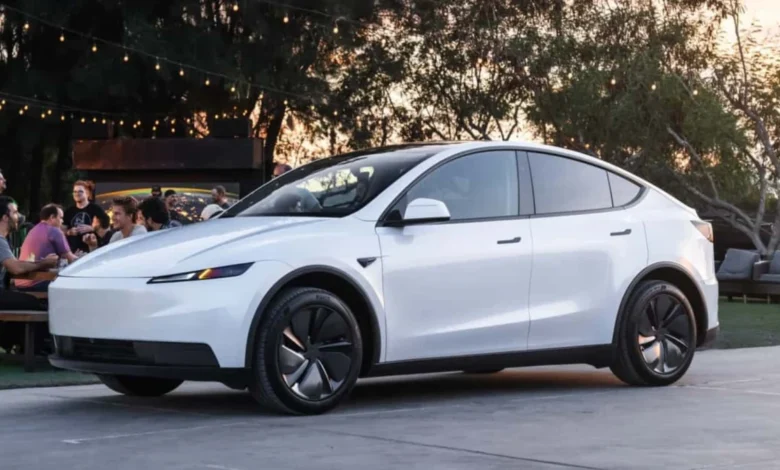
Tesla continues to command the lion’s share of the electric vehicle market, maintaining its status as the industry bellwether. In August, the company moved just under 41,000 units out of a total of approximately 79,000 EVs sold nationwide. Despite this volume, Tesla’s sales figures reflected a 3.8 percent decline from the previous month. This dip highlights a broader challenge for the brand: maintaining market share as legacy automakers ramp up their own electrified offerings.
Toyota has emerged as a particularly strong performer, signaling that traditional manufacturers are finding success by leveraging their established reputations for reliability and hybrid technology. Toyota saw its EV sales surge by 34.9 percent in August, reaching 4,964 units. While the gap between Tesla’s dominance and the rest of the field remains significant, the growth of brands like Toyota, Nissan, and Kia indicates a diversifying market. Consumers are no longer tethered exclusively to early-adopter brands; instead, they are looking toward manufacturers that offer competitive pricing, established service networks, and a wider variety of vehicle form factors.
Price Parity and the Economic Incentive
A critical factor influencing consumer adoption is the narrowing gap between the transaction prices of electric vehicles and internal combustion engine (ICE) counterparts. As production capacity scales and competition intensifies, new EV prices are trending downward. In August, the average transaction price for an EV fell 1.3 percent month-over-month and 2.8 percent compared to the previous year.
While an electric vehicle still commands a premium—averaging approximately $54,754 compared to $49,907 for a combustion-powered vehicle—the delta is shrinking. This progress toward price parity is essential for long-term adoption. As the "early adopter" phase of the EV transition wanes, the "mass market" phase will depend heavily on the ability of manufacturers to deliver vehicles that provide a clear economic value proposition, factoring in both purchase price and long-term fuel and maintenance savings.
The Surging Used EV Market
Perhaps the most compelling story in the automotive sector right now is the performance of the used electric vehicle market. While the new car segment faces headwinds, used EVs are seeing rapid growth. According to Cox Automotive, sales of used EVs jumped 25.9 percent in August, with 44,350 units changing hands. This represents a 14.7 percent increase year-over-year.
The primary driver of this boom is the maturation of the leasing cycle. As vehicles that were leased three years ago return to the market, they are providing a robust inventory of high-quality, pre-owned options for cost-conscious buyers. These vehicles are significantly more accessible than their new counterparts. In August, the average listing price for a used EV dropped 1 percent to $37,441.
While this price is 8.2 percent higher than it was a year ago—reflecting the increased demand for affordable electrified transport—it remains significantly lower than the cost of a new vehicle. For many consumers, the used market is the gateway to electric ownership, offering a chance to "wean themselves off the pump" without the steep price tag of a brand-new, cutting-edge model.
Consumer Behavior and Model Popularity
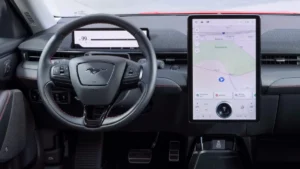
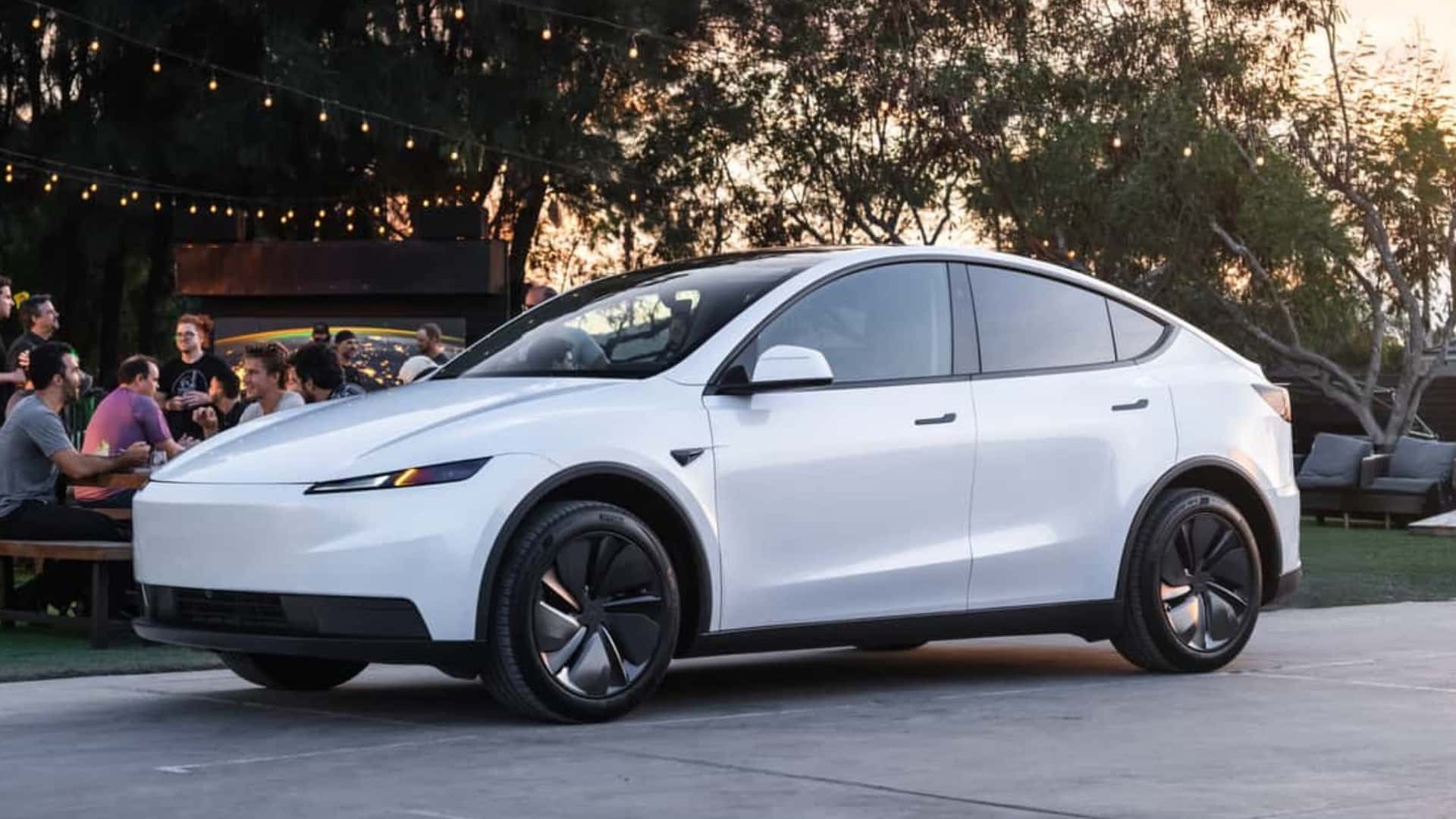
The demand for used electric vehicles is not uniform, with certain models consistently outperforming others. The Tesla Model 3 and Model Y, along with the Ford Mustang Mach-E, remain the most sought-after units. These vehicles have seen the largest month-over-month volume increases, suggesting that buyers are prioritizing models with strong reputations for software updates, charging infrastructure compatibility, and established resale value.
The preference for these specific models in the secondary market mirrors their popularity when they were new. As the used market continues to expand, it provides a barometer for which technologies and designs have the greatest longevity in the eyes of the public. Brands that successfully manage the transition of their vehicles from lease to used-car lots are likely to see increased loyalty, as these pre-owned buyers may eventually graduate to new models from the same manufacturer.
Broader Implications and Future Outlook
The current data suggests that the automotive industry is entering a period of consolidation and realistic adjustment. The initial excitement surrounding the EV transition is being replaced by a pragmatic focus on affordability and utility. The success of hybrids indicates that for many Americans, a full transition to electric remains a step too far due to concerns regarding range, charging availability, or initial cost.
For policymakers and manufacturers, the implication is clear: the path to electrification must be paved with options. The used market, in particular, is proving to be a vital component of the energy transition. By providing an entry point for middle-income households, the used EV market is doing the "heavy lifting" of adoption that high-priced, luxury electric vehicles cannot achieve alone.
Furthermore, the rise of legacy manufacturers in the EV space suggests that the market is maturing. Competition is no longer just about who can build the most advanced software; it is about who can build a reliable, affordable vehicle that fits seamlessly into the daily lives of consumers. As we look toward the remainder of the year and into 2025, the focus will likely remain on the interplay between supply-side inventory management and the cooling of the "new car" frenzy.
Ultimately, the shift toward electrified transport is not a race, but a marathon. The current data from August 2024 confirms that while the pace may be fluctuating, the direction is firmly established. Whether through the purchase of a new hybrid, a pre-owned EV, or a brand-new electric model, the American consumer is signaling a clear desire to move away from the volatility of traditional gasoline consumption. The winners of this transition will be those who can provide the most accessible, reliable, and cost-effective solutions to that end.
As the industry continues to collect and analyze this sales data, the message to stakeholders remains consistent: monitor the used market closely, prioritize the expansion of the hybrid lineup to bridge the current gap, and continue to work toward price parity in the new vehicle segment to ensure the longevity of the electric revolution. The consumer appetite for change is present, but it is currently being filtered through the lens of economic practicality.
Related posts: