Stellantis Enters Tentative Deal to Sell Brampton Assembly Plant to Roshel, Sparking Intense Unifor Backlash and Strike Threats

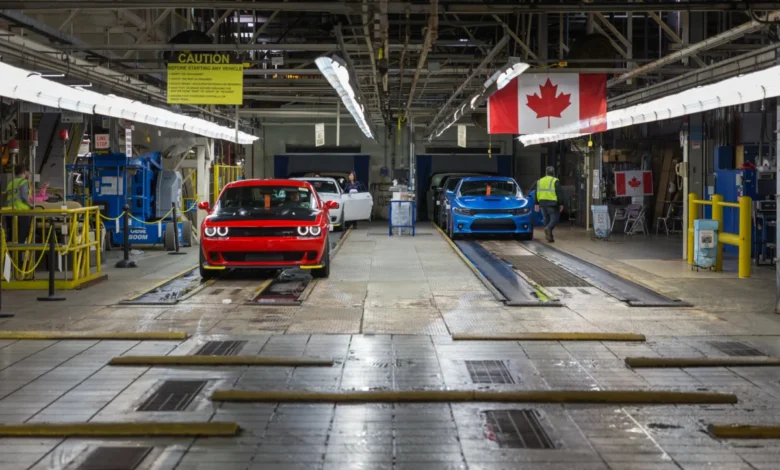
Contract talks between automotive giant Stellantis and Unifor have hit a critical juncture, plunging Canada’s automotive manufacturing sector into uncertainty. Negotiations officially reached an impasse after a planned tentative agreement failed to materialize by the mid-September deadline. The primary catalyst for the breakdown in discussions centers on the future of the historic Brampton Assembly Plant, a facility that has long served as a cornerstone of Ontario’s automotive industrial footprint.
While a settlement was widely anticipated to be finalized around September 11, the Master Bargaining Committee was forced to pause talks to reevaluate its strategic options. The core dispute revolves around Stellantis’s shifting production commitments and a controversial memorandum of understanding signed with Roshel, a prominent Canadian defense and armored vehicle manufacturer. This move has fundamentally altered the trajectory of the Brampton facility, pivoting its designated purpose away from consumer automotive assembly and toward defense production, much to the dismay of organized labor.
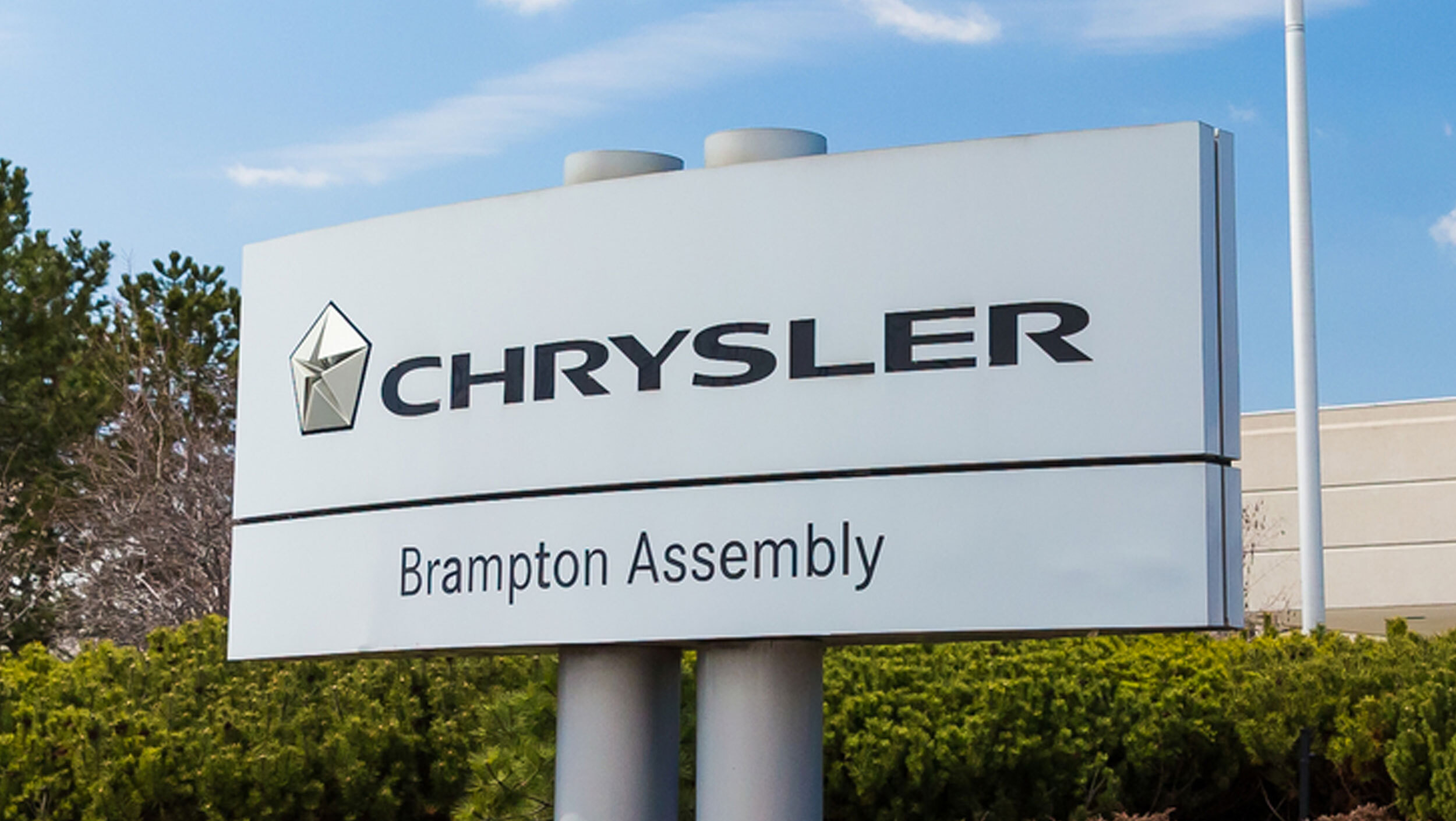
The Evolution of the Brampton Assembly Facility
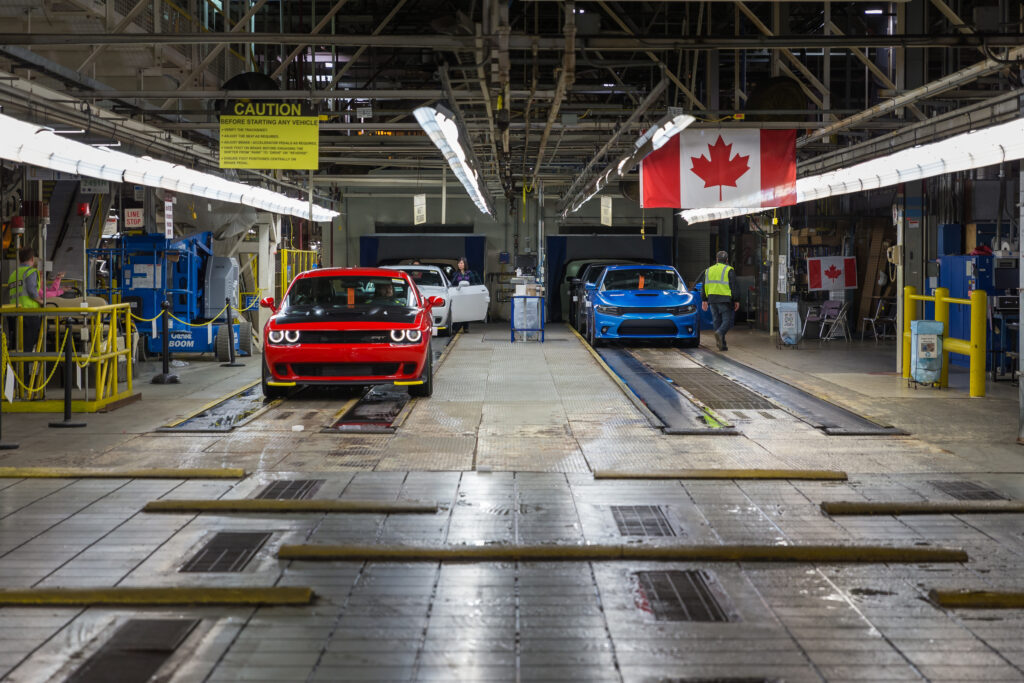
The Brampton Assembly Plant holds a storied history within the North American automotive landscape. For decades, the plant has been synonymous with high-volume vehicle production, churning out iconic muscle cars and sedans that defined modern automotive culture. However, the shifting global economic tides, changing consumer preferences toward crossovers and electrification, and broader geopolitical trade tensions have dramatically impacted the facility’s long-term viability under traditional automotive models.
Initially, Stellantis had charted a clear path forward for the Ontario plant. The facility was slated to undergo a major retooling phase to accommodate the production of the next-generation, redesigned Jeep Compass. This capital investment was heralded as a vital step in securing the employment of thousands of union workers and modernizing the plant for the future of mobility.
However, escalating trade tensions between Canada and the United States, alongside shifting corporate strategies under the broader Stellantis manufacturing umbrella, prompted a major U-turn. Amid broader North American supply chain adjustments and a massive multi-billion-dollar domestic manufacturing push in the United States, Stellantis opted to relocate the planned Jeep Compass production stateside. This decision left the future of the Brampton workforce hanging in the balance, as weeks of uncertainty ultimately culminated in the revelation that the automaker was actively pursuing a sale of the physical asset to an outside entity.

The Roshel Agreement and the Pivot to Defense
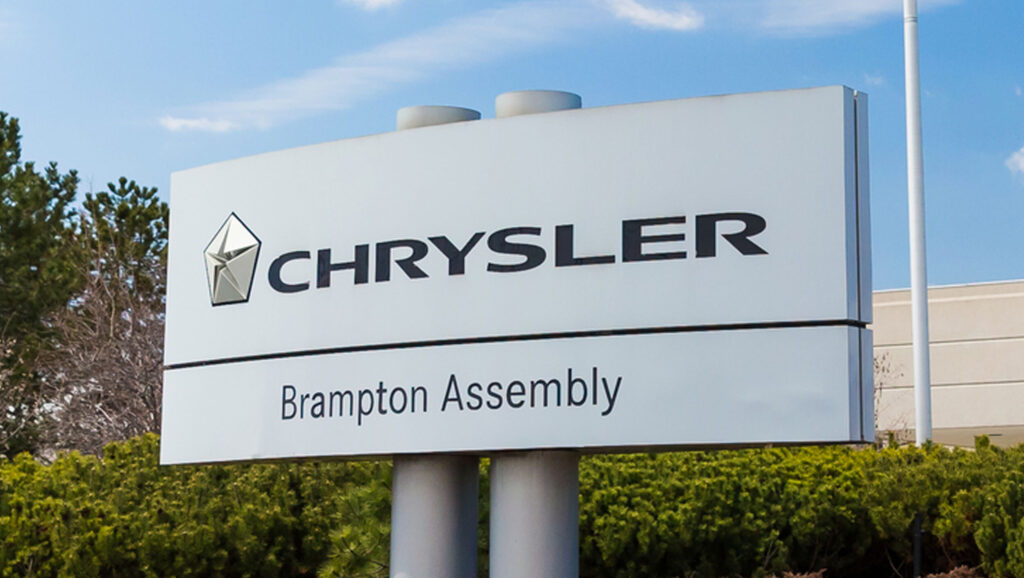
In August, the underlying tensions erupted into public view when Stellantis informed Unifor leadership that it was seriously considering the complete closure and divestment of the Brampton site to a third-party buyer. Despite strong, vocal opposition from the union regarding the abandonment of vehicle assembly operations, Stellantis proceeded to sign a Memorandum of Understanding with Roshel.
Under the tentative framework of this agreement, the sprawling Brampton assembly footprint would be transformed into an advanced defense manufacturing hub. Roshel, known for manufacturing specialized armored and tactical vehicles utilized globally, views the acquisition as a massive scaling opportunity. According to statements provided by Stellantis to regional media outlets, the partnership with Roshel represents a pragmatic path toward restoring sustainable, high-value operations at the Brampton site. The automaker emphasized that the arrangement preserves the location’s strategic importance within Canada’s advanced manufacturing sector while averting a prolonged and damaging period of industrial inactivity and facility abandonment.
Industry projections tied to the Roshel proposal suggest that the transition could eventually generate more than 2,000 specialized manufacturing jobs. Furthermore, under the terms discussed, currently laid-off Unifor members would receive preferential first consideration for open positions at the proposed facility, which is being framed by proponents as a potential Canadian Center of Excellence for Defense Manufacturing.
Unifor’s Outraged Response and the Threat of Strike Action
Despite the prospect of alternative employment opportunities within the defense sector, Unifor leadership has rejected the pivot, viewing the transaction as a direct betrayal of long-standing collective agreements and a catastrophic retreat from Canadian automotive manufacturing.
Unifor representatives argue that a defense manufacturing facility is not an economic substitute for full-scale automotive assembly. The union points out that automotive assembly ecosystems support an intricate, high-volume web of regional suppliers, parts manufacturers, logistics providers, and independent service networks that collectively generate billions of dollars in regional economic activity. Replacing a high-throughput vehicle assembly plant with a specialized defense contractor facility, the union contends, permanently diminishes Canada’s industrial capacity and severs thousands of deeply embedded supply chain linkages.
Furthermore, the union maintains that the pivot threatens the hard-won wages, pension structures, healthcare benefits, and job security provisions negotiated for Local 1285 members. Unifor has taken a hardline stance, declaring categorically that there will be no final, ratified tentative settlement with Stellantis without a suitable, ironclad resolution for the workers anchored at the Brampton plant.

This standoff has pushed the two parties to the brink of a major labor disruption. With the collective bargaining agreement between Unifor and Stellantis officially slated to expire on September 20 at 11:59 p.m., the threat of a nationwide or targeted strike looms large, potentially halting operations across other interconnected Canadian facilities.
Broader Implications Across the Stellantis Canadian Footprint
The friction at Brampton is symptomatic of a broader apprehension within Unifor regarding Stellantis’s long-term strategic roadmap for its entire Canadian operational footprint. Union leadership has repeatedly raised concerns that corporate management has failed to provide transparent, concrete production forecasts and volume commitments for other vital Canadian assets, most notably the Windsor Assembly Plant and the Etobicoke Casting Plant.
The Windsor Assembly Plant stands as a cornerstone of the region’s economy, currently responsible for producing high-demand vehicles such as the Chrysler Pacifica minivan and the next-generation Dodge Charger. Meanwhile, the Etobicoke Casting Plant provides essential aluminum die-casting components utilized in an array of vehicle architectures across the automaker’s portfolio. The absence of guaranteed long-term product allocations for these facilities has amplified anxieties among workers, who fear that Brampton may merely serve as the first domino in a broader corporate retrenchment from Canadian soil.
Economic and Political Ramifications
The unfolding crisis places immense pressure on both corporate executives and political leaders at the provincial and federal levels. Canada’s federal and Ontario provincial governments have historically poured billions of dollars in public subsidies into the domestic automotive sector to secure green manufacturing mandates, EV supply chains, and unionized assembly jobs. The prospect of a major automotive assembly plant being converted into a private defense manufacturing facility—especially after substantial public investments aimed at keeping traditional auto manufacturing alive—raises difficult questions regarding accountability, corporate promises, and the future of industrial policy in the country.
As the clock ticks down toward the expiration of the collective agreement, all eyes remain fixed on the bargaining table. Whether Stellantis and Unifor can bridge the profound ideological and structural gap regarding Brampton’s future—or whether Canadian automotive manufacturing will face a crippling labor strike—will depend on urgent, high-stakes negotiations in the days ahead. The outcome will not only dictate the livelihoods of thousands of Ontario autoworkers but will also serve as a bellwether for the resilience of Canada’s heavy manufacturing sector in a rapidly changing global economy.