Federal Court Rules U.S. Constitution Does Not Guarantee Clean Water Amid Jackson Crisis

The federal judiciary has drawn a definitive line regarding environmental justice and constitutional law, ruling that the United States Constitution does not guarantee citizens a fundamental right to clean, safe drinking water. Delivered by the Fifth U.S. Circuit Court of Appeals, the September 4 ruling directly addresses the decades-long, compounding water crisis in Jackson, Mississippi—a majority-Black, economically disenfranchised capital city where residents have long fought for basic infrastructure protections.
In a decision that legal experts say will have profound nationwide ramifications, the appellate court not only dismissed claims regarding the right to potable water but further concluded that the Constitution does not offer citizens a federally protected "right to truthful information from officials during a public health crisis." The ruling leaves thousands of predominantly Black and low-income Americans with severely limited avenues for constitutional legal remedies, even when local or state authorities knowingly misinform the public about environmental toxins flowing from their faucets.
For the residents of Jackson, the decision is the latest in a disheartening series of legal and institutional roadblocks. Despite enduring generations of brackish, lead-contaminated water, crumbling distribution lines, and repeated catastrophic system failures, the courts have officially declared that the federal charter offers no safety net for municipal water mismanagement.
Chronology of a Crisis: From Infrastructure Decay to Federal Intervention
The roots of the Jackson water crisis run deep, stretching back generations through decades of systemic disinvestment, population shifts, and municipal neglect. While the crisis captured national attention during a catastrophic 2021 winter storm, local families had been sounding the alarm for decades.
The timeline of structural collapse and administrative failure highlights the compounding nature of the emergency:
- March 2020: The U.S. Environmental Protection Agency (EPA) issues an emergency order warning that conditions at Jackson’s water treatment facilities present an "imminent and substantial endangerment" to human health, citing severe treatment and distribution infrastructure vulnerabilities.
- February 2021: Severe winter weather sweeps across the region, freezing aging equipment and rupturing water mains. Tens of thousands of Jackson residents are left without running water, heat, or basic sanitation for weeks.
- 2022: Following years of alleged cover-ups and deteriorating conditions, Jackson residents and community organizers file a landmark federal lawsuit against the city and former Mayor Chokwe Antar Lumumba. The plaintiffs allege that officials violated their 14th Amendment right to bodily integrity by knowingly supplying lead-contaminated water and misleading the public about its safety.
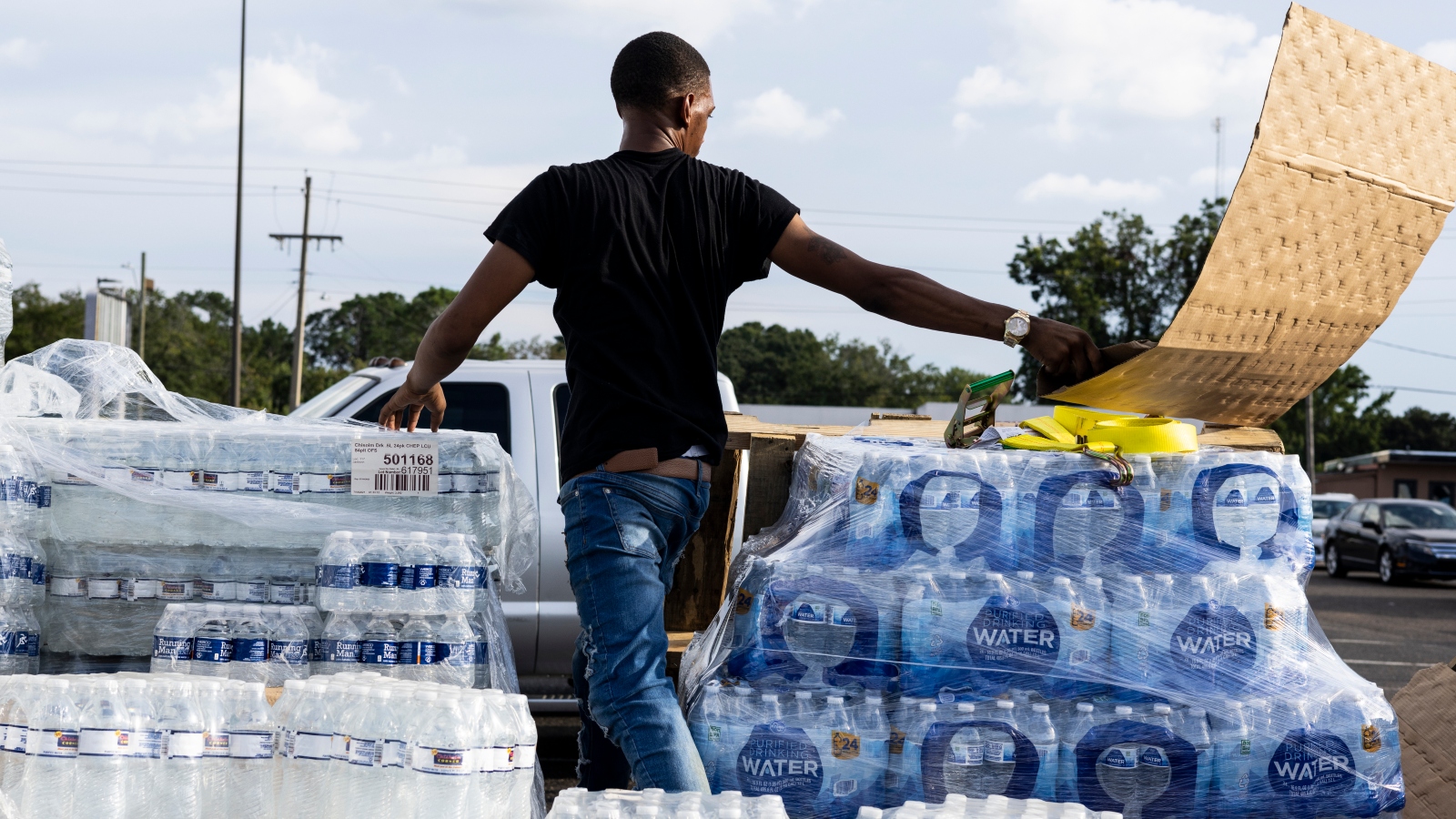
- Summer 2022: Catastrophic flooding and subsequent failures at the O.B. Curtis Water Treatment Plant trigger a total citywide water system collapse. Residents are completely cut off from clean tap water, prompting emergency federal intervention and the eventual appointment of a third-party manager.
- September 2024: The Fifth U.S. Circuit Court of Appeals officially affirms a lower court’s dismissal of the residents’ civil rights lawsuit, ruling that clean water and truthful crisis communication are not constitutionally protected rights.
Understanding the Legal Arguments and the Court’s Rationale
The original lawsuit brought by Jackson plaintiffs hinged on the 14th Amendment’s Due Process Clause, arguing that the city’s actions infringed upon their constitutional right to bodily integrity. Plaintiffs presented evidence suggesting that municipal officials were acutely aware of dangerous lead levels in the water supply yet actively assured the public that the liquid was safe for consumption, bathing, and infant formula preparation.
Writing for the majority in the Fifth Circuit’s September 4 ruling, Judge Kurt Engelhardt acknowledged that access to safe water is undeniably "important." However, he anchored his legal reasoning to established Supreme Court doctrine, stating that such an entitlement is not a right "deeply rooted in our Nation’s history and tradition"—the threshold requirement for establishing a substantive due process right under the Constitution.
Addressing the plaintiffs’ secondary argument regarding official misinformation, Judge Engelhardt dismissed the claim that lying about lead contamination violated health-related decision-making rights. He drew a sharp legal distinction, writing that "lying about the presence of lead in the water is a far cry from the state’s physically extracting evidence from a criminal suspect or conducting an invasive medical procedure without consent." Judge Engelhardt concluded with the observation that "the Constitution does not provide redress for every governmental wrongdoing."
The decision was not unanimous. In a partial dissent, Judge Catharina Haynes argued that the plaintiffs had successfully and plausibly alleged that city officials violated their right to bodily integrity by knowingly placing them in direct physical danger through contaminated infrastructure.
Official Responses and Institutional Posture
Reactions to the appellate court’s decision exposed a deep chasm between municipal leadership and grassroots community advocates who have borne the brunt of the crisis.

In a formal statement following the ruling, Jackson Mayor John Horhn welcomed the court’s decision, stating, "We are pleased that the Fifth Circuit upheld the dismissal of these claims. The City remains committed to the health, safety, and well-being of every Jackson resident."
Conversely, community organizers view the ruling as a systemic institutional betrayal. Danyelle Holmes, a senior national organizer with Mississippi’s Poor People’s Campaign, highlighted the exhaustion of traditional civic pathways.
"Jackson residents did everything this country tells poor people to do. They organized, they testified, they boiled their water, they filed suit, they trusted the courts. And at every step the answer has been no," Holmes said. Noting that Jackson’s population is more than 80 percent Black with a poverty rate double the national average, she added, "What it signals is that the law has totally told a majority-Black capital city that its suffering is real, but its remedy does not exist."
Brooke Floyd, a lifelong Jackson resident and activist whose family has experienced generational exposure to the city’s failing infrastructure, offered a stark warning to the rest of the nation.
"I do think the ruling would’ve been different if the majority of our city looked different, was in a different tax bracket, and had a different ZIP code, but alas, we probably wouldn’t have had the problems to begin with," Floyd said. "The problem the rest of America needs to worry about is, while they were making sure not to guarantee me my rights, they were quietly taking yours, too."
Broader Implications: Environmental Racism and Economic Burden
The legal defeat in the Fifth Circuit compounds previous federal setbacks for Jackson’s environmental justice advocates. Earlier, the EPA determined that the city could not secure administrative relief through Title VI of the Civil Rights Act of 1964 regarding discriminatory distribution of federal infrastructure funds—a decision that effectively blocked another avenue for systemic redress.
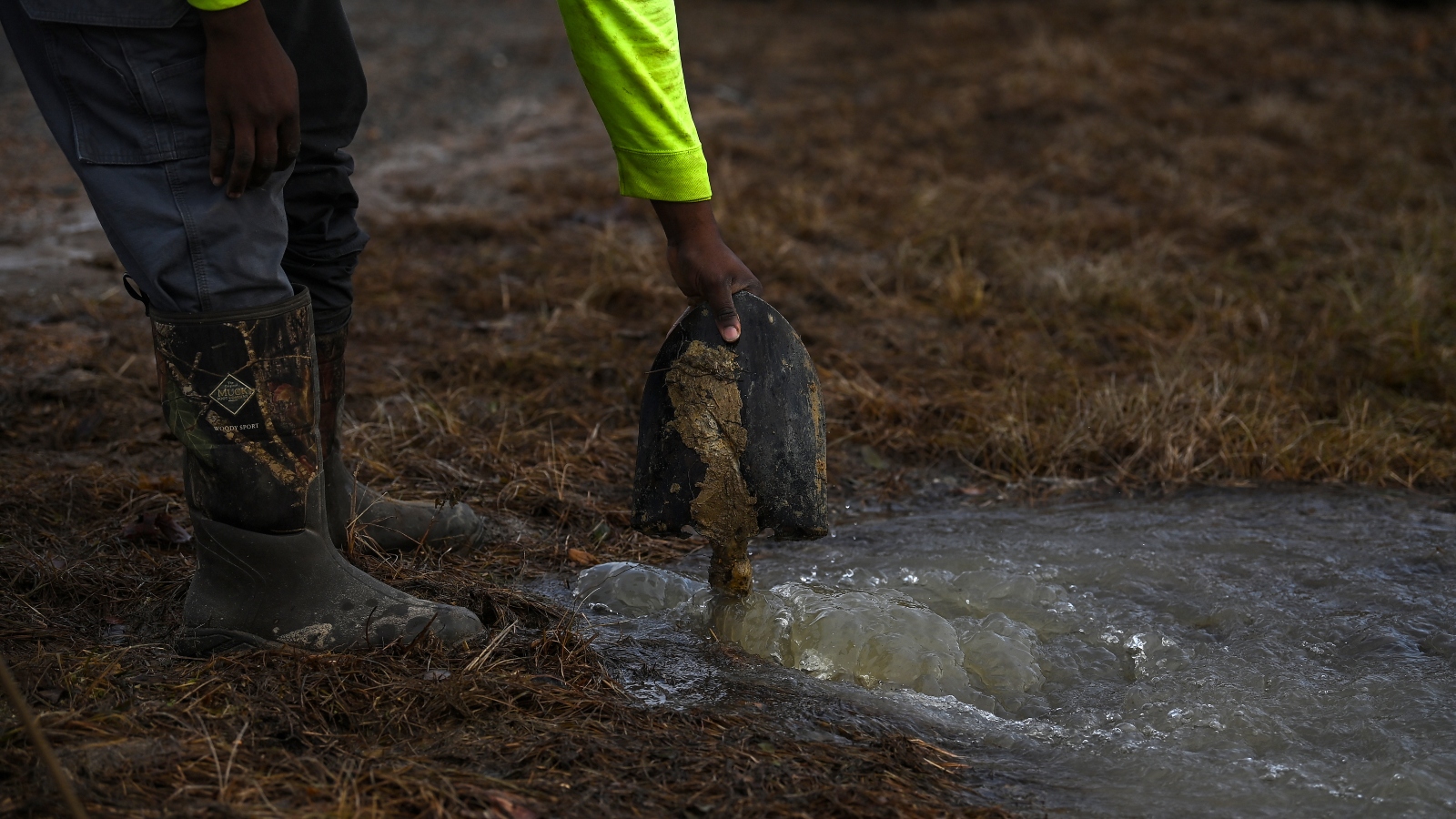
Data compiled by federal agencies underscores that Jackson’s plight is not an isolated anomaly. Public health research and EPA compliance data consistently demonstrate that Black and minority communities nationwide are statistically more likely than white communities to be serviced by water utilities carrying health-based Safe Drinking Water Act violations. Furthermore, academic studies confirm that infrastructure repairs and modernizations in communities with high Black populations face significantly longer bureaucratic and financial delays.
The physical toll on residents has been severe. Families have reported chronic health issues, including pediatric developmental challenges, cognitive impairments linked to lead exposure, and persistent dermatological and internal infections. Because of these hazards, daily life requires extraordinary accommodation, with many residents forced to drive long distances simply to wash clothes, bathe children, and secure potable water.
Meanwhile, financial pressures on Jackson residents continue to mount. Under the management of JXN Water—the federally appointed utility operator overseeing the recovery and modernization of the system—the financial burden of infrastructure repairs is increasingly being shifted onto consumers.
Following a court-approved 12 percent rate increase in March that raised average residential water and sewer bills to approximately $88 a month, JXN Water’s financial framework proposes additional compounding rate hikes over the coming years: a 10 percent increase slated for spring 2027, followed by 9 percent and 8 percent increases in 2028 and 2029, respectively. For a city where a significant portion of the population lives well below the federal poverty line, these escalating utility costs represent a crushing economic challenge.
Despite the judicial closure of constitutional pathways, community leaders emphasize that their advocacy will continue outside the courtroom.
"We are organizing, we are marching to the polls, and we are not waiting on a court to tell us our lives are worth clean water," Holmes concluded. "As the Poor People’s Campaign teaches us, this is not about left and right. It is about right and wrong, and everybody knows which one Jackson has received."