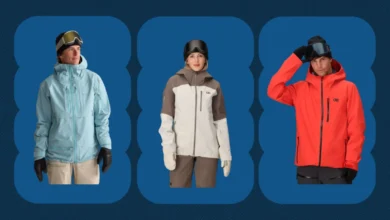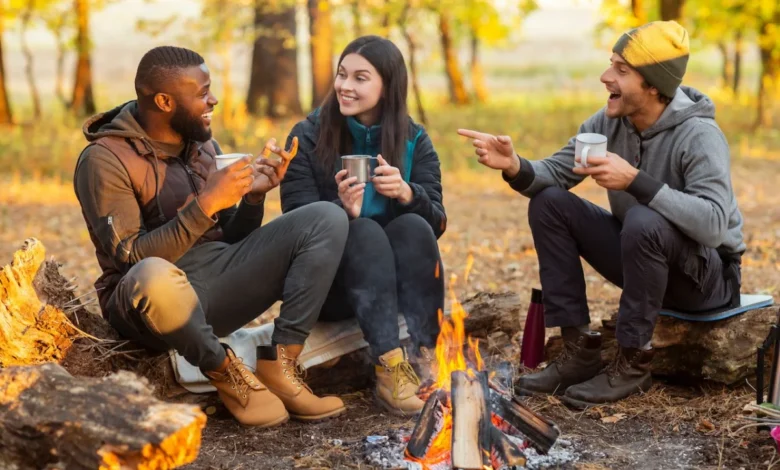
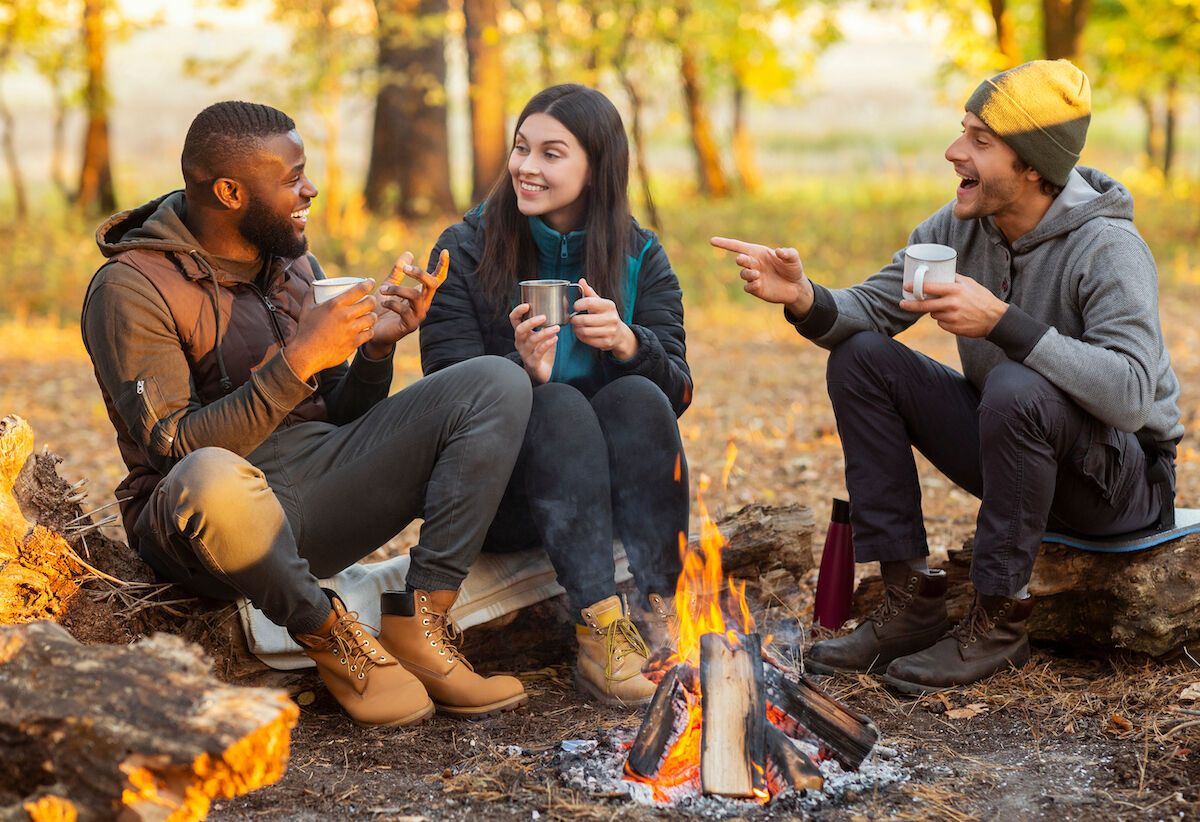
As the sweltering heat of summer recedes and the foliage transitions into vibrant shades of amber and crimson, outdoor enthusiasts turn their attention toward the distinct joys of autumn camping. While fall offers crisp air, serene trails, and a welcome respite from peak-season crowds, it also introduces rapidly dropping temperatures, unpredictable weather patterns, and shorter daylight hours. Preparing adequately for these environmental shifts is essential, making the selection of specialized autumn gear a critical component of any successful wilderness excursion.
To help campers navigate the vast array of equipment available on the market, the outdoor editing team at Matador has compiled a comprehensive gear guide. Based on rigorous, real-world testing across single-night car camping trips and extended backcountry expeditions, this curated selection highlights items designed to maximize warmth, safety, efficiency, and comfort in the field.
Footwear and Base Layers: The Foundation of Thermal Regulation
Maintaining thermal equilibrium in cold weather begins from the ground up and with the layers closest to the skin. When temperatures plummet, moisture management becomes just as vital as insulation; damp skin accelerates heat loss, increasing the risk of hypothermia.
For foot comfort and warmth, industry experts frequently recommend PAKA Socks. Crafted from sustainable Peruvian alpaca wool, these socks for men and women provide exceptional thermal retention without restricting blood circulation or causing overheating. Alpaca fibers are naturally moisture-wicking and antimicrobial, making them ideal for multi-day backpacking trips where laundry facilities are unavailable. Retailing from $25, these socks also reflect a commitment to ethical manufacturing, with the brand maintaining direct support for local alpaca farmers.
To complement footwear, selecting the right mid-layer and sun protection is equally important. The VOORMI Pullover, available for men and women starting at $139, bridges the gap between active mobility and weather resistance. Utilizing high-performance thermal wool infused with a water-repellent finish, the pullover stretches to accommodate dynamic movement while fending off brisk evening winds and light precipitation. Thoughtful design elements, such as integrated thumbholes and a chest pocket equipped with an earphone slot, underscore its functionality in the backcountry.
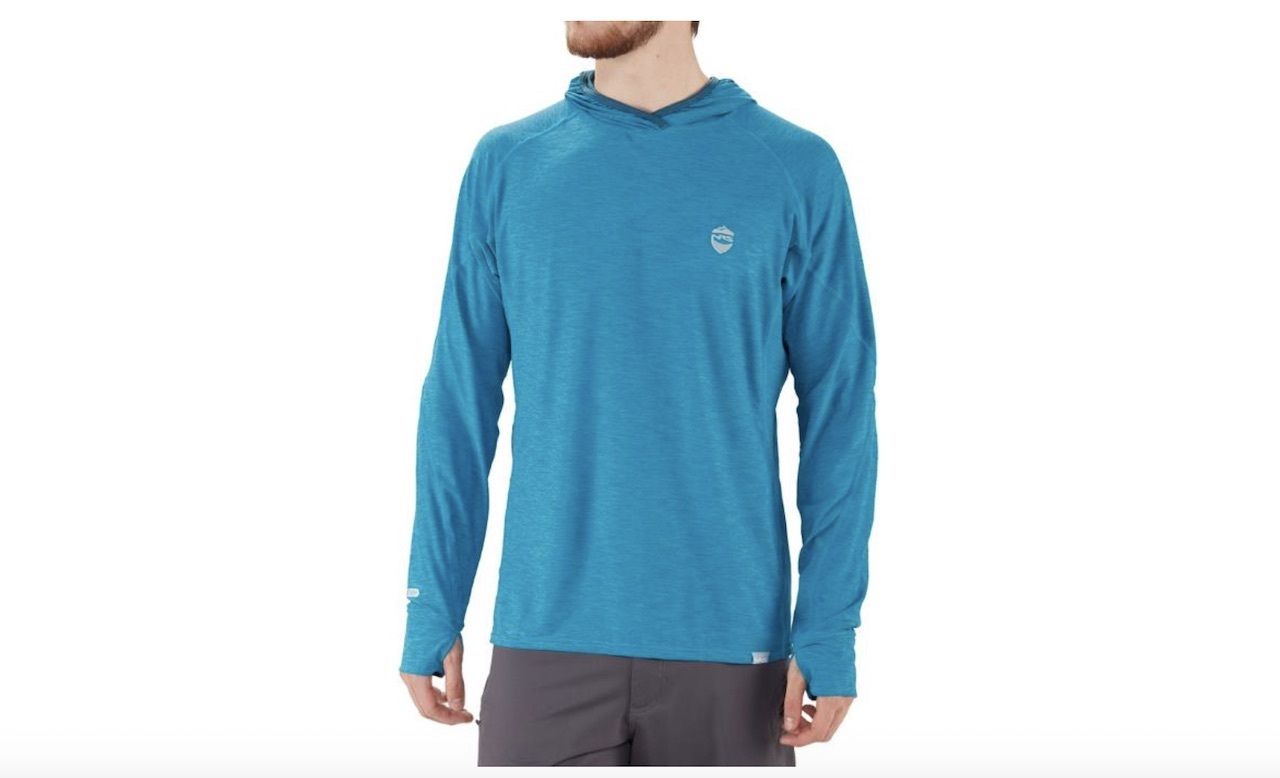
Simultaneously, high-altitude autumn sun requires robust UV protection. The NRS H2Core Silkweight Hoodie, priced at approximately $43.87, offers UPF 50+ sun protection alongside advanced moisture-wicking technology. Available in dedicated men’s and women’s cuts, this lightweight long-sleeve layer prevents sunburns without trapping excessive heat during strenuous daytime hikes.
Insulating Outerwear: Defying the Alpine Chill
When the sun dips below the horizon, temperatures in mountainous and wooded regions can plummet rapidly. High-performance insulation is non-negotiable for evening camp activities.
The Cotopaxi Fuego Down Hooded Jacket stands out as a premier choice for alpine environments. Priced between $250 and $300, the jacket utilizes 800-fill responsibly sourced goose down to deliver maximum warmth-to-weight ratio. Designed for both men and women, the Fuego features a snug scuba hood that retains heat around the head and ears without creating awkward bunching at the neckline when stowed. Its sleek aesthetic and superior thermal efficiency have made it a staple among serious hikers and casual campers alike.
For lounging around the campsite or adding an extra layer of warmth inside a sleeping bag, the RUMPL Original Puffy Recycled Blanket offers versatile insulation. Retailing at $99, this durable blanket is constructed entirely from post-consumer recycled plastic materials, appealing to eco-conscious consumers. Highly compressible and weather-resistant, it easily transitions from a cozy camp wrap to a picnic ground cover or a makeshift travel pillow.
Hydration and Nutrition: Fueling the Adventure in Cold Climates
Metabolic demands increase in cold weather as the human body expends more energy to maintain core temperature. Consequently, hot meals and warm beverages are not merely comforting luxuries during autumn trips; they are vital for maintaining morale and caloric intake.
To keep beverages hot for hours, the YETI Rambler Vacuum Bottle with MagSlider Lid remains an industry benchmark. Priced at $35, its kitchen-grade stainless steel, double-wall vacuum insulation ensures that coffee, tea, or cider remains steaming hot throughout the day. The wide-mouth design and durable construction also prevent flavor retention, ensuring that evening beverages do not leave lingering odors or tastes.
When it comes to meal preparation, efficiency is paramount when daylight is scarce. The JetBoil Flash Cooking System, starting at $135, is engineered for rapid water boiling, capable of preparing hot water for dehydrated meals and coffee in a matter of minutes. Its integrated burner and flux-ring design maximize fuel efficiency, making it an indispensable tool for both solo backpackers and larger groups looking to minimize wait times in the cold.
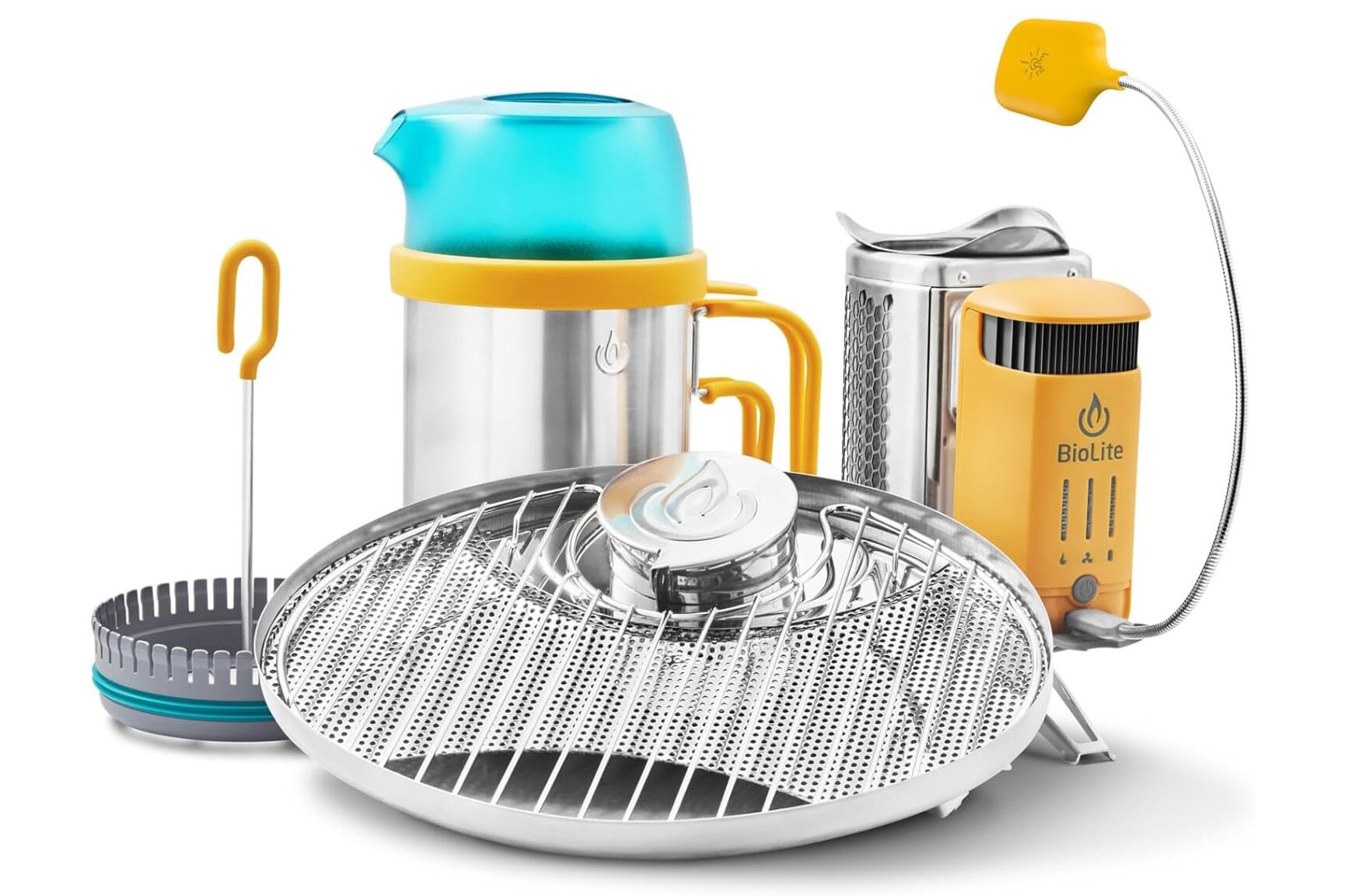
For those who prefer a more primitive cooking experience without sacrificing modern convenience, the BioLite Campstove 2 offers an innovative alternative. Retailing at $199.95, this wood-burning stove eliminates the need to pack heavy propane tanks or gas canisters. By utilizing twigs, pinecones, and small branches gathered at the campsite, the stove creates a clean, efficient fire that cooks meals and boils water rapidly. Furthermore, an integrated thermoelectric generator captures waste heat and converts it into usable electricity, allowing campers to charge smartphones and GPS units via a standard USB port while they cook.
Power and Mobility: Sustaining Off-Grid Excursions
As reliance on electronic navigation, communication devices, and digital photography grows, portable power solutions have transitioned from optional accessories to essential gear.
The Jackery Portable Power Station lineup, with entry points starting around $999, provides robust off-grid electricity capable of sustaining entire campsites or campervans. Available in capacities ranging from 160 to 2,000 watt-hours, these solar-powered generators can be paired with portable solar panels to harness renewable energy directly from the sun. Field tests conducted by outdoor gear editors in remote desert and mountain environments demonstrate that a single high-capacity Jackery unit can reliably power auxiliary heaters, medical devices, and electronics for days at a time, transforming the capabilities of modern overlanders and vanlife enthusiasts.
To transport these comprehensive gear kits efficiently, a reliable backpack is indispensable. The Osprey Ariel (women’s) and Aether (men’s) 60-liter backpacking packs, priced from $300, are engineered specifically for load distribution and ergonomic comfort. Featuring an injection-molded, die-cut foam back panel that conforms to the natural curve of the spine, these packs minimize fatigue during multi-mile hikes. Their robust capacity and versatile compartment design allow campers to seamlessly transition from hauling heavy gear into a remote basecamp to embarking on lightweight day excursions.
Broader Implications and Industry Trends
The growing demand for specialized autumn camping gear reflects a broader evolution within the outdoor recreation industry. According to recent outdoor participation reports, shoulder-season camping—particularly during the fall and spring months—has experienced a steady surge in popularity as campers seek to avoid overcrowded national parks and experience changing seasonal landscapes.
This shift has prompted manufacturers to prioritize sustainability, durability, and multi-functionality in their product pipelines. Innovations such as recycled synthetic insulation, ethically sourced down, and integrated solar-charging camp stoves indicate a concerted industry response to environmental stewardship and the technological demands of contemporary adventurers. As climate patterns shift and more individuals embrace year-round outdoor recreation, the reliance on high-performance, dependable equipment will remain a cornerstone of safe and enjoyable wilderness exploration.