The Architectural Renaissance and Cultural Evolution of Hong Kong: A Design Insider’s Guide to the City of Contradictions

Hong Kong has undergone a profound transformation in the last decade, repositioning itself from a purely financial powerhouse into a global nexus for art, high-concept architecture, and avant-garde design. This shift is not merely aesthetic; it represents a deliberate strategic pivot by the city to cultivate a "soft power" identity that rivals international cultural capitals like London, New York, and Paris. With the arrival of major institutional anchors and a growing concentration of design-led hospitality and commercial developments, the city is experiencing a maturation of its urban fabric that is both hyper-modern and deeply rooted in its colonial and local traditions.

The Institutional Anchors of the Modern Era
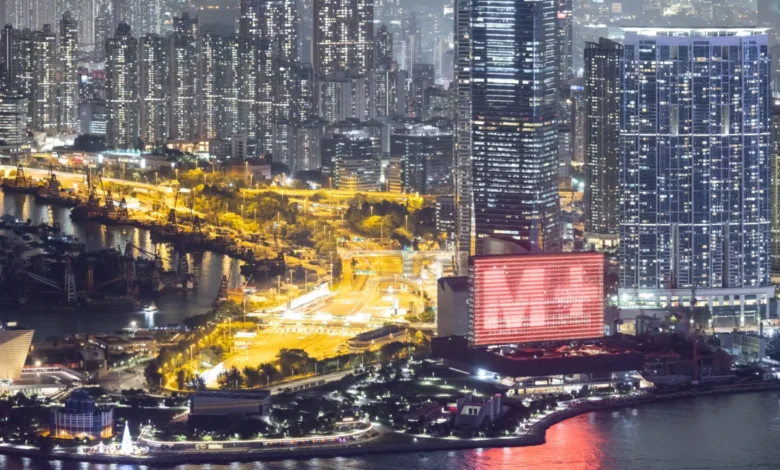
The catalyst for this recent surge in cultural infrastructure can be traced back to the early 2010s, with the decision to elevate the West Kowloon Cultural District (WKCD) as a primary development priority. The most significant milestone in this timeline was the December 2021 opening of M+, a world-class museum of visual culture designed by the Pritzker Prize-winning firm Herzog & de Meuron. By housing 20th and 21st-century visual art, design, and architecture, the museum provided the city with a physical gravity center that had previously been absent.

Following this, the art market infrastructure strengthened significantly. Art Basel Hong Kong, which debuted in 2013, has evolved into an indispensable calendar event for the global elite, anchoring satellite initiatives like Art Central and the Edible Art Fair. These events have created a cyclical influx of capital, patronage, and international attention that supports the city’s thriving gallery ecosystem.

The architectural evolution is continuing at a rapid pace. The city is currently preparing for the unveiling of the WestK Performing Arts Centre, also designed by UNStudio, which will further cement the WKCD’s status. Meanwhile, in the Central district, the recently completed "The Henderson"—a Zaha Hadid Architects-designed tower—has become a new icon of the skyline. Its presence is not just symbolic; it serves as a functional hub for the luxury sector, housing the regional headquarters of Christie’s Hong Kong and high-end lifestyle destinations like the Peridot cocktail lounge.

The Dichotomy of Urban Texture
Despite the proliferation of glass-and-steel skyscrapers, local design experts argue that the true allure of Hong Kong lies in its inherent contradictions. Vincent Lim, an interior designer and Hong Kong native, notes that while the city is often perceived as a "hyper-efficient financial capital," the reality is far more layered. The architectural landscape is defined by the juxtaposition of modern, high-tech engineering and the persistence of traditional urban typologies.

Traditional street stalls, wet markets, and family-run "cha chaan tengs"—the colonial-era cafes serving iconic staples like milk tea and pork chop rice—remain integral to the city’s identity. Laura Cheung, founder of the decorative furnishings brand Lala Curio, highlights this layering as the city’s defining feature. "I can’t think of another city where, in its prime commercial center, you still have these little family-run antiques shops and fruit stalls lined with red and blue canvas, but then there will be a hidden door, and inside that, the chicest speakeasy lounge," Cheung observes. This "humble and high-flying" mix is precisely what architects and designers are now seeking to preserve and integrate into new developments.

A Curated Guide to Hong Kong’s Design Landscape
To navigate this evolving city, a consensus among local design professionals—including Pak Man Lee of the gallery Nuovo, the husband-and-wife duo Lim + Lu, architect Frank Leung of Via, and Laura Cheung—reveals a curated selection of essential stops.

Where to Stay
The city’s hospitality sector has become a laboratory for high-end design. The Rosewood Hong Kong is frequently cited for its meticulous attention to detail and exceptional harbor views. For those seeking serenity, The Upper House, designed by André Fu, is lauded for its restrained, residential aesthetic. The Peninsula Hong Kong remains the "grande dame" of the city, representing a timeless synthesis of British colonial history and Asian warmth. Newer additions, such as the Kimpton Tsim Sha Tsui, demonstrate a shift toward localized art curation, featuring works by local photographers and ceramicists.

Culinary Institutions and New Wave Dining
Hong Kong’s food scene reflects its design ethos: balancing legendary institutions with contemporary experimentation. Institutions like Yung Kee, famous for its roast goose, represent the culinary heritage of the city. Conversely, establishments like Yardbird, an izakaya-style eatery in Sheung Wan, represent the modern, community-focused approach to dining. Other favorites among designers include Roganic for seasonal, contemporary cuisine and Ju Xing Home for authentic, local-style seafood.

The Café Culture and Social Spaces
The city’s coffee culture is a bridge between the past and present. The Mido Café in Yau Ma Tei is preserved as a living time capsule of the 1950s, while newer venues like Halfway Coffee embrace the trend of repurposing vintage furniture and traditional cups to reflect a "true Hong Kong spirit." These spaces are more than mere cafes; they are social hubs where the city’s design language is physically articulated.

Strategic Neighborhoods for Exploration
For those looking to understand the city’s architectural evolution, several districts are essential:

- Tsim Sha Tsui East: A treasure trove of 1990s nostalgia, featuring buildings like the Royal Garden hotel, which retain an architectural energy that is becoming increasingly rare.
- Ap Lei Chau & Wong Chuk Hang: The city’s burgeoning Southside art district. This area is home to some of the most significant galleries in Asia, often housed in re-purposed industrial buildings that utilize freight lifts to reach hidden exhibition spaces.
- Sheung Wan: The primary destination for observing the blend of the old and new. Visitors can start at the historic Man Mo Temple and wander toward the surrounding streets, where antique shops sit alongside independent coffee roasters and contemporary galleries.
- Sham Shui Po: Known as the city’s working district, it is a hub for textiles, leather, and electronics. It has recently seen an influx of independent design studios and cafes, making it one of the most intellectually stimulating neighborhoods for those interested in urban regeneration.
- Star Street Precinct: A secluded, village-like area that offers a peaceful alternative to the chaos of Central, filled with independent boutiques and galleries.
Economic and Cultural Implications
The shift toward a culture-led urban development model has significant implications for Hong Kong’s economy. By moving beyond its traditional reliance on finance and logistics, the city is positioning itself as a "creative economy" hub. The success of M+ and the sustained growth of Art Basel suggest that there is a viable path for the city to attract a demographic of "creative class" professionals, tourists, and investors who prioritize cultural vibrancy.

However, the challenge remains in balancing this rapid modernization with the preservation of the "textured" urban environment that designers so value. As property values in districts like Sheung Wan and Sham Shui Po continue to rise, the risk of gentrification displacing the very heritage that defines these neighborhoods is a subject of ongoing debate among local planners and architects.

Ultimately, Hong Kong’s current trajectory suggests that it is not just attempting to become a financial center, but an intellectual and cultural one. Through the integration of adaptive reuse projects like Tai Kwun and the massive institutional investments in the West Kowloon Cultural District, Hong Kong is rewriting its narrative, proving that it can successfully reconcile its hyper-efficient, skyscraper-dominated exterior with a deeply layered and evolving cultural heart.
Related posts: