Paramount Global Announces Nasdaq-to-NYSE Stock Relocation Amid Final Hurdle for Historic Warner Bros. Discovery Merger

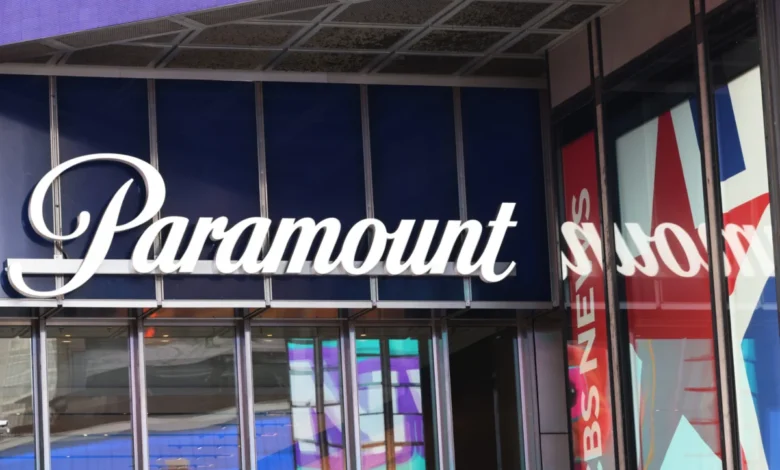
Paramount announced on Friday that it is preparing to transition the listing of its Class B common stock from the Nasdaq stock market to the New York Stock Exchange, marking a notable corporate realignment that coincides with the final, high-stakes stages of its monumental $110 billion merger with Warner Bros. Discovery.
According to an SEC filing submitted by the media conglomerate, the targeted transfer date is slated for early October. If current timelines hold, the listing and public trading of Paramount’s Class B shares will cease on the Nasdaq at the close of the market session on October 5, with trading on the NYSE scheduled to commence the following morning on October 6.
However, the company explicitly noted that the execution of this exchange transfer remains contingent on the fluid status of the Warner Bros. Discovery acquisition. The landmark transaction, which has dominated media industry headlines for months, introduces a series of variables that could require adjustments to the stock relocation schedule. Paramount’s Board of Directors authorized the exchange transition during a meeting on Friday, underscoring the leadership’s confidence in the impending corporate consolidation, even as legal and regulatory hurdles enter their final phase.
A Merger Timeline Nearing the Finish Line
The announcement of the exchange migration follows an aggressive push by Paramount leadership to finalize the WBD acquisition. During an internal town hall on Monday, Paramount CEO David Ellison informed employees that the merger was tentatively on track to close approximately two weeks from that date. This projection was established immediately after legal settlements were successfully brokered with various state attorneys general and the Writers Guild of America, removing substantial litigation roadblocks that had threatened to derail the transaction.
Should Ellison’s projected timeline materialize, the formal closing of the merger would land squarely on October 5, aligning precisely with the final Nasdaq trading window for Paramount’s Class B shares. Furthermore, the company announced plans to distribute warrants for the purchase of Class B shares on October 13, a corporate action that is strictly predicated on the successful closure of the WBD merger.
Despite the growing momentum, official disclosures emphasize that the deal remains subject to remaining closing conditions. In Friday’s regulatory filing, Paramount cautioned that the ultimate timing for the conclusion of the WBD transaction is not yet guaranteed. Consequently, the company retains the administrative flexibility to cancel or postpone the NYSE stock transfer should unforeseen delays materialize.
Financial Stakes and the Ticking Fee Pressure
The urgency surrounding the October timeline is driven in part by substantial financial penalties embedded in the acquisition agreement. Under the terms negotiated earlier this year—when Paramount engaged in a fierce bidding war against rival tech-backed giant Netflix to secure WBD—Paramount agreed to institute a "ticking fee" if the transaction was not completed by October 1.
Under this provision, Paramount is obligated to pay WBD shareholders $7 million for every day the merger remains unclosed past the October 1 threshold. This financial sweetener was deployed by Paramount leadership to outmaneuver Netflix and convince WBD shareholders of their unwavering commitment to completing the deal. As the calendar ticks closer to mid-October, the daily financial accumulation adds immense pressure on legal, regulatory, and corporate teams to execute the final steps without interruption.
The Legal Battleground and Monday’s Crucial Hearing
The path toward this monumental consolidation has been fraught with legal opposition. A federal judge is scheduled to preside over a critical hearing on Monday to formally review the recently reached settlements and hear testimony from the various plaintiffs and interested parties involved in the antitrust and labor lawsuits. The hearing was originally scheduled for the preceding Thursday before being pushed back to the start of the week.
Opposition to the merger remains vocal. The "Block the Merger" coalition, alongside various industry advocates and concerned stakeholders, has submitted amicus briefs reiterating their strenuous objections to the corporate union. While federal judges possess the statutory authority to alter the terms of proposed consent decrees or reject them outright, legal experts note that instances of outright rejection are statistically rare.
To the surprise of many antitrust observers, legal analysts, and industry insiders, the final settlement terms do not require Paramount to divest major assets or institute structural corporate asset sales as a condition of the takeover. Instead, the settling parties agreed to financial commitments directed toward domestic film and television production, worker retraining initiatives, guarantees regarding the volume of annual theatrical releases, and a commitment to conducting separate pay-TV negotiations with content distributors.
This consent decree, designed to govern the combined entity’s operational conduct for a mandatory five-year period, has attracted sharp criticism from consumer groups and independent creators. Critics have questioned the leniency of the terms, arguing that the plaintiffs held significant legal leverage when they initially filed their suits in mid-July—particularly given that federal antitrust regulators had already granted preliminary approval to the transaction.
Redrawing the Global Entertainment Landscape
When completed, the merger of Paramount and Warner Bros. Discovery will fundamentally redraw the global entertainment map, uniting two century-old Hollywood institutions under a single corporate umbrella. The combination will place legendary brands such as HBO, Warner Bros. Pictures, and CBS into the same corporate family, marking a dizzying era of structural upheaval for Warner Bros., which is now slated to receive its fourth distinct corporate owner in the span of just eight years.
The transaction highlights the ongoing consolidation wave sweeping through the legacy media sector as traditional studios grapple with the costly transition to streaming profitability, cord-cutting, and intense competition from Silicon Valley technology platforms. By joining forces, Paramount and WBD aim to achieve unprecedented scale, operational efficiencies, and library depth to better compete against dominant streaming leaders like Netflix, Amazon, and Disney.
The choice of the New York Stock Exchange as the new trading home for Paramount’s Class B shares holds symbolic and practical weight. While both the Nasdaq and the NYSE host prominent media and entertainment listings, the Nasdaq has traditionally maintained a heavier weighting toward technology-centric enterprises, counting companies like Netflix among its premier constituents. In contrast, the NYSE has long served as the traditional trading floor for legacy media goliaths, including The Walt Disney Company. Moving to the NYSE places Paramount shoulder-to-shoulder with its historical entertainment peers as it embarks on a new chapter of consolidated operations.
Broader Implications for the Industry and Workforce
As the industry reels from the surprising timing and leniency of the recent legal settlements, stakeholders across the entertainment ecosystem are bracing for the profound ripple effects of the merger. The integration of two massive content production pipelines will inevitably prompt questions regarding future employment levels, operational redundancies, and the overarching strategy for theatrical versus streaming distribution.
While the consent decree mandates specific protections for domestic production and worker retraining, labor unions and industry guilds remain vigilant, monitoring how the corporate integration will impact thousands of creative professionals, technicians, and administrative personnel. The commitment to maintaining a robust annual slate of theatrical releases offers some reassurance to cinema operators who have weathered years of volatile release schedules and fluctuating box office recoveries.
For investors, the dual focus on the NYSE stock migration and the final legal review on Monday represents the culmination of a grueling, high-stakes corporate saga. If the federal judge signs off on the settlement terms without demanding structural alterations, and if the final closing conditions are met without triggering further delays, the historic Paramount-WBD merger will officially cross the finish line in early October, setting the stage for a new behemoth in global entertainment.