The Evolution of the Hyundai Elantra: Design Iterations and the Path to Modern Sedan Dominance

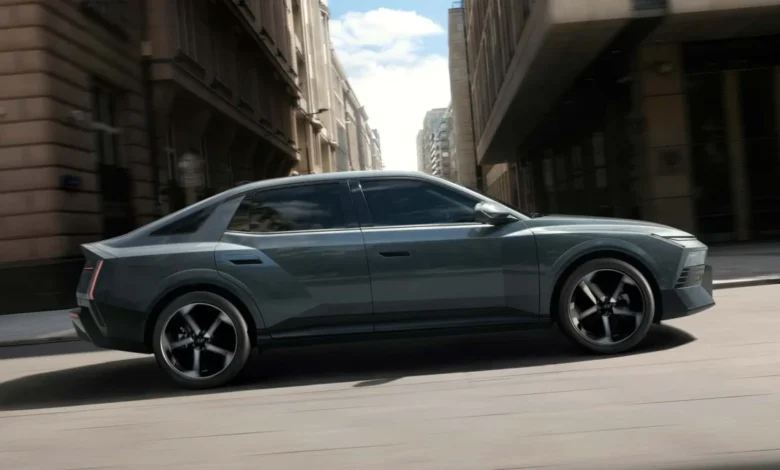
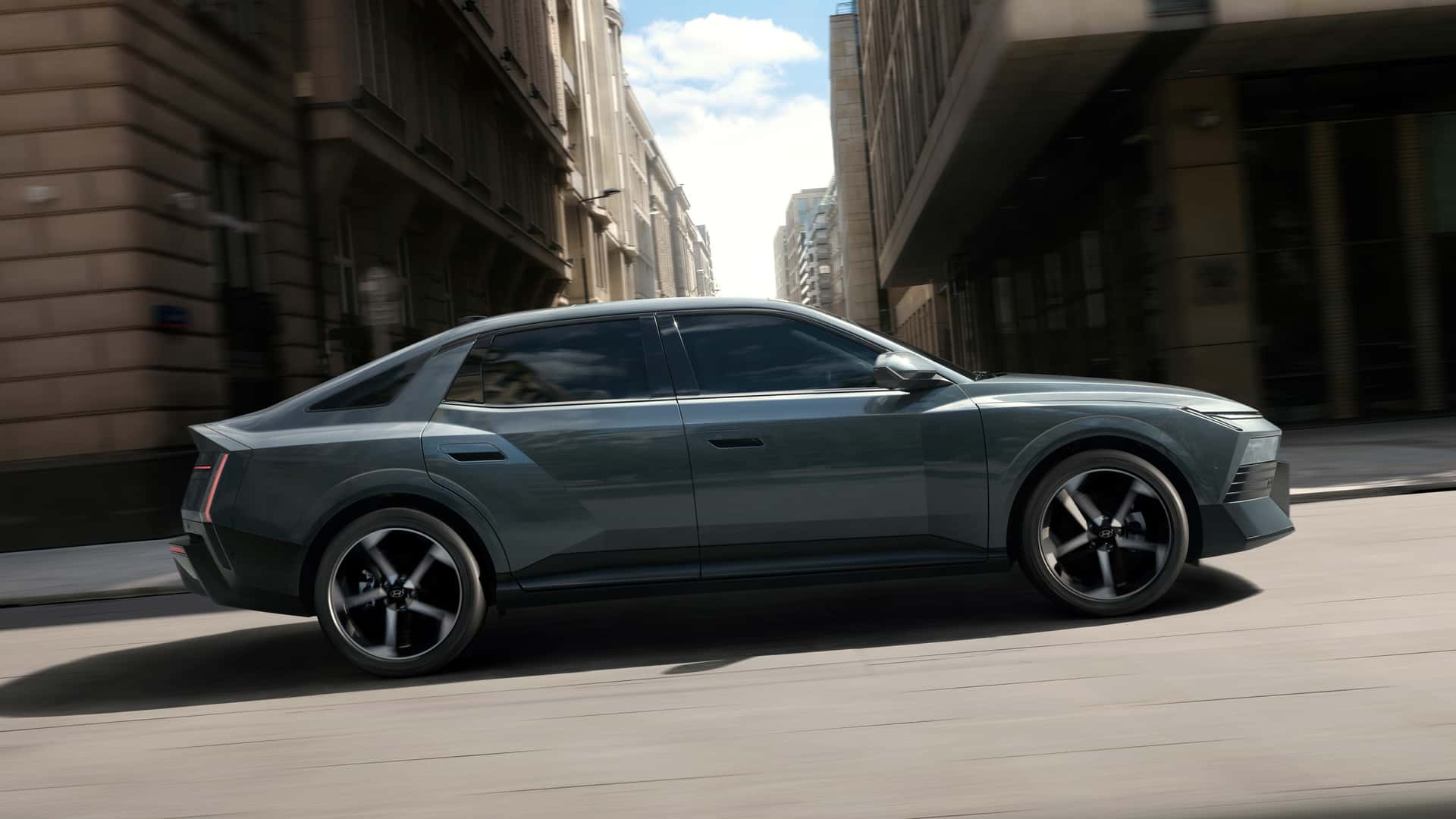
The automotive industry is characterized by constant refinement, where the leap from a concept sketch to a production vehicle is paved with discarded ideas, rigorous engineering compromises, and a delicate balance between aesthetic ambition and consumer utility. The latest iteration of the Hyundai Elantra, which showcases the manufacturer’s bold "Art of Steel" design language, serves as a prime example of this complex developmental process. While the sharp, angular lines and geometric surfacing of the current model suggest a radical departure from traditional automotive norms, internal documents and recent statements from Hyundai’s design leadership reveal that the vehicle could have taken an even more dramatic turn toward the fastback and hatchback segments.
The Road Not Taken: Exploring Alternative Body Styles
In a recent discussion with industry analysts at CarBuzz, Simon Loasby, the head of Hyundai’s global design center, provided a rare glimpse into the early conceptual phases of the new Elantra. During the initial planning stages, the design team actively explored the feasibility of transitioning the Elantra away from its traditional three-box sedan architecture. The primary alternative considered was a liftback configuration, characterized by a sloping, fastback-style roofline and an integrated rear hatch, a silhouette reminiscent of the now-discontinued Kia Stinger.
The allure of such a design is clear: it offers a more aggressive, athletic stance and significantly enhanced cargo versatility. However, the engineering team ultimately concluded that the drawbacks outweighed the stylistic advantages. According to Loasby, the primary concern was the erosion of interior volume—specifically regarding rear-seat passenger comfort. By introducing a sloping roofline that necessitated a mechanical hinge system for a rear hatch, the company would have been forced to sacrifice critical headroom for rear occupants. Furthermore, the presence of heavy, complex hinge mechanisms often encroaches upon the cargo area and impacts the structural integrity and sound insulation of the cabin.
Loasby noted that the decision was a classic engineering compromise. A liftback design would not only have reduced rear-seat utility but would have also introduced increased noise, vibration, and harshness (NVH) levels due to the larger glass area and the necessity of sealing a moving tailgate. To mitigate these issues, Hyundai would have been forced to add significant sound-deadening insulation, which, in turn, would have increased the vehicle’s curb weight and ultimately compromised fuel efficiency—a core priority for the Elantra segment. Beyond the liftback concept, Hyundai’s research and development team even scrutinized the viability of a station wagon variant. However, in an era where the crossover SUV dominates the market, the business case for a traditional wagon in the compact segment was deemed insufficient.
A New Standard in Compact Dimensions
Having settled on the sedan format, Hyundai focused on optimizing the platform to ensure the new Elantra maintains its competitive edge in the crowded compact sedan market. The 2027 model reflects a commitment to growth, as the vehicle has been significantly upsized compared to its predecessor. In its current form, the Elantra is 3.4 inches longer and 1.2 inches wider, with a wheelbase that has been stretched by 1.2 inches.
This dimensional shift is not merely aesthetic; it is a calculated effort to offer best-in-class interior volume. By utilizing thinner front seat frames and optimizing the packaging of the chassis, Hyundai has managed to provide 39.1 inches of rear legroom and 56.5 inches of shoulder room. The rear headroom, despite the car’s sleek, lowered profile, remains a generous 37.7 inches. These figures are supported by the inclusion of modern amenities, such as standard rear air vents and USB-C charging ports, which cater to the increasing demand for connectivity and comfort among passengers in the second row.
Powertrain Strategy and Performance Outlook
The powertrain strategy for the new Elantra emphasizes a transition toward electrification, though it maintains a foothold in conventional internal combustion. The initial rollout features a 2.0-liter four-cylinder engine, which serves as the entry-level gasoline option. Producing 147 horsepower and 132 pound-feet of torque, this engine is mated to Hyundai’s proprietary Intelligent Variable Transmission (IVT), which utilizes Shiftronic technology to mimic traditional gear steps and provide a more intuitive driving experience.
For the 2028 model year, the lineup will see the introduction of an enhanced hybrid variant. This model retains the 1.6-liter four-cylinder internal combustion engine but integrates an upgraded electrical architecture. The combined system output for the hybrid has been raised from 139 horsepower to 155 horsepower, offering a noticeable improvement in performance without sacrificing efficiency. Hyundai has targeted a combined fuel economy of 53 miles per gallon, positioning the hybrid Elantra as a primary competitor against the Toyota Corolla Hybrid and Honda Civic Hybrid. The integration of a six-speed dual-clutch transmission (DCT) in the hybrid model further differentiates the Elantra, as it offers a more direct and engaging driving feel compared to the continuously variable transmissions (CVTs) typically found in the segment.
The Historical Context of the Elantra GT
The abandonment of the liftback and wagon concepts marks a clear shift in Hyundai’s strategy, which contrasts with its previous efforts to diversify the Elantra lineup. For several years, the automaker marketed the Elantra GT, a dedicated hatchback variant designed to appeal to European-style utility preferences. The Elantra GT remained a staple of the company’s North American portfolio until its discontinuation in 2020.
The decision to pull the plug on the Elantra GT was driven by a consistent decline in sales, as the market’s preference shifted rapidly toward the Tucson and Kona crossovers. This contraction of the lineup left the Elantra as a single-body-style entity for a short period, before the success of the performance-oriented Elantra N necessitated a re-evaluation of the brand’s identity. The Elantra N, which features a turbocharged 2.0-liter engine capable of 276 horsepower, has since become a halo product for the brand, proving that there is still a robust market for high-performance, internal-combustion-powered sedans.
Future Projections and Market Implications
Looking forward, the future of the Elantra appears to be tied to the ongoing development of Hyundai’s "N" performance division. While the company has officially retired some of its more experimental concepts, such as the N Vision 74, the influence of these designs is expected to persist. John Simmons, the senior group manager for product planning at Hyundai, has indicated that the company intends to stick to the "successful formula" that has made the Elantra N a critical and commercial success.
There is ongoing speculation that the next iteration of the Elantra N may incorporate even larger engines or advanced mild-hybrid systems to comply with tightening global emissions regulations. However, the overarching philosophy remains one of consistency. By focusing on a refined sedan platform rather than experimenting with niche body styles like liftbacks or wagons, Hyundai is prioritizing the economies of scale and mass-market appeal that are necessary to survive in an industry undergoing a massive transition to electric mobility.
The implications of this strategy are significant. In a market where many manufacturers are retreating from the sedan segment entirely to focus exclusively on SUVs, Hyundai’s investment in the Elantra suggests a belief in the long-term viability of the traditional car. By refining the "Art of Steel" design and focusing on class-leading interior space, Hyundai is effectively betting that a well-executed sedan can still provide a superior value proposition for the average consumer. The decision to forgo the complexity of a liftback or the limited utility of a wagon may seem conservative in retrospect, but it reflects a disciplined approach to product planning that favors durability, cost-efficiency, and user experience. As the automotive landscape continues to evolve, the Elantra stands as a testament to the fact that sometimes, the most effective innovation is not found in changing the body style, but in perfecting the one that works best for the consumer.