Beyond the Speed The Evolution of Daytona Beach as a Premier Luxury and Multi-Activity Destination

Daytona Beach, Florida, a coastal city synonymous with the roar of engines and the expansive vistas of the Atlantic, is currently undergoing a significant shift in its identity as a global travel destination. Long branded as "The World’s Most Famous Beach," the region is successfully diversifying its offerings beyond its historic racing roots to include high-end hospitality, sophisticated culinary programs, and an extensive array of eco-tourism and sports-related activities. This evolution reflects a broader trend in Florida’s tourism sector, where traditional vacation spots are reinventing themselves to meet the demands of a more discerning, experiential-focused traveler.
The Historical Context of the World’s Most Famous Beach
The legacy of Daytona Beach is inextricably linked to the history of the automobile. In the early 20th century, the city’s wide, hard-packed sands became the site of land speed record attempts, eventually leading to the establishment of NASCAR and the construction of the Daytona International Speedway in 1959. For decades, the city’s economy and tourism appeal were driven almost exclusively by major racing events such as the Daytona 500.
However, the 21st century has seen a strategic pivot. While the Speedway remains a central pillar of the local economy—undergoing a $400 million "Daytona Rising" redevelopment project in 2016 to become the world’s first "motorsports stadium"—local officials and business leaders have worked to expand the city’s appeal. This has involved significant investment in the downtown Riverfront area and the recruitment of luxury hotel brands to elevate the standard of accommodation along the 23 miles of coastline.
Elevating the Shoreline Experience
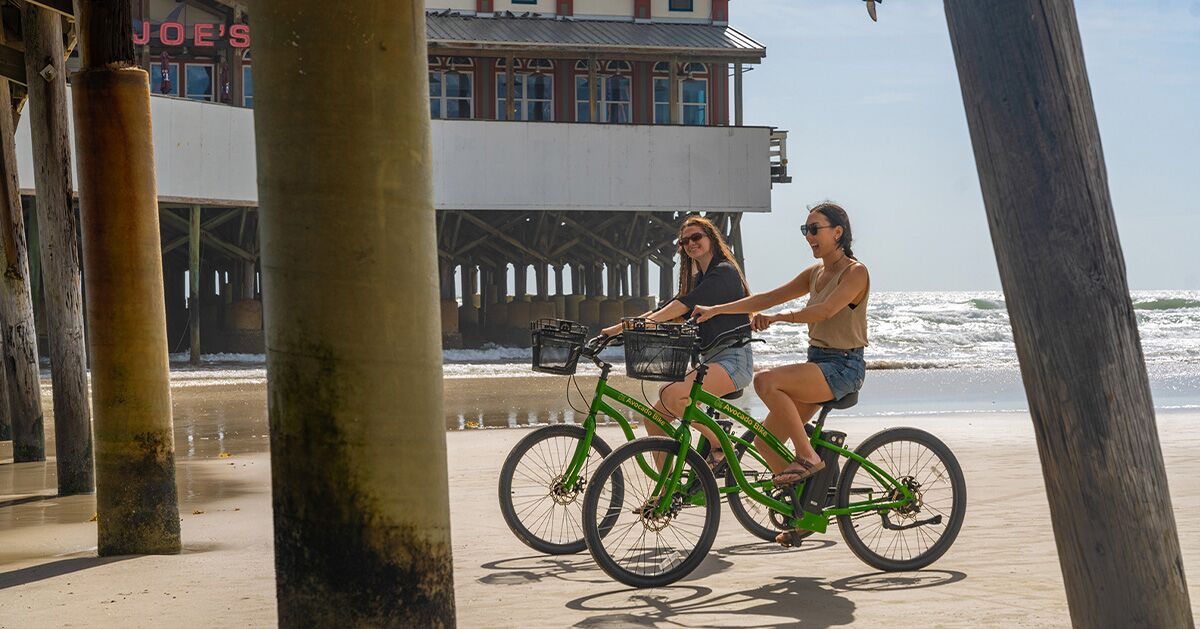
The modern Daytona Beach vacation is increasingly defined by "elevated" shore life. Rather than the traditional beach-day model, new hospitality services are focusing on the "VIP" experience. Companies like Barefoot Philosophy have pioneered a model of beach concierge services, providing travelers with comprehensive setups that include cabanas, sectional couches, and private beach bonfires.
This shift toward luxury on the sand is supported by data from the Volusia County Tourism Development Council, which indicates a growing preference among visitors for high-amenity experiences. The integration of technology—such as LED-lit paddleboarding tours and high-end audio systems for beach hangouts—reflects a move to cater to a demographic that seeks both the serenity of nature and the comforts of modern luxury.

Diversification of Water Activities and Eco-Tourism
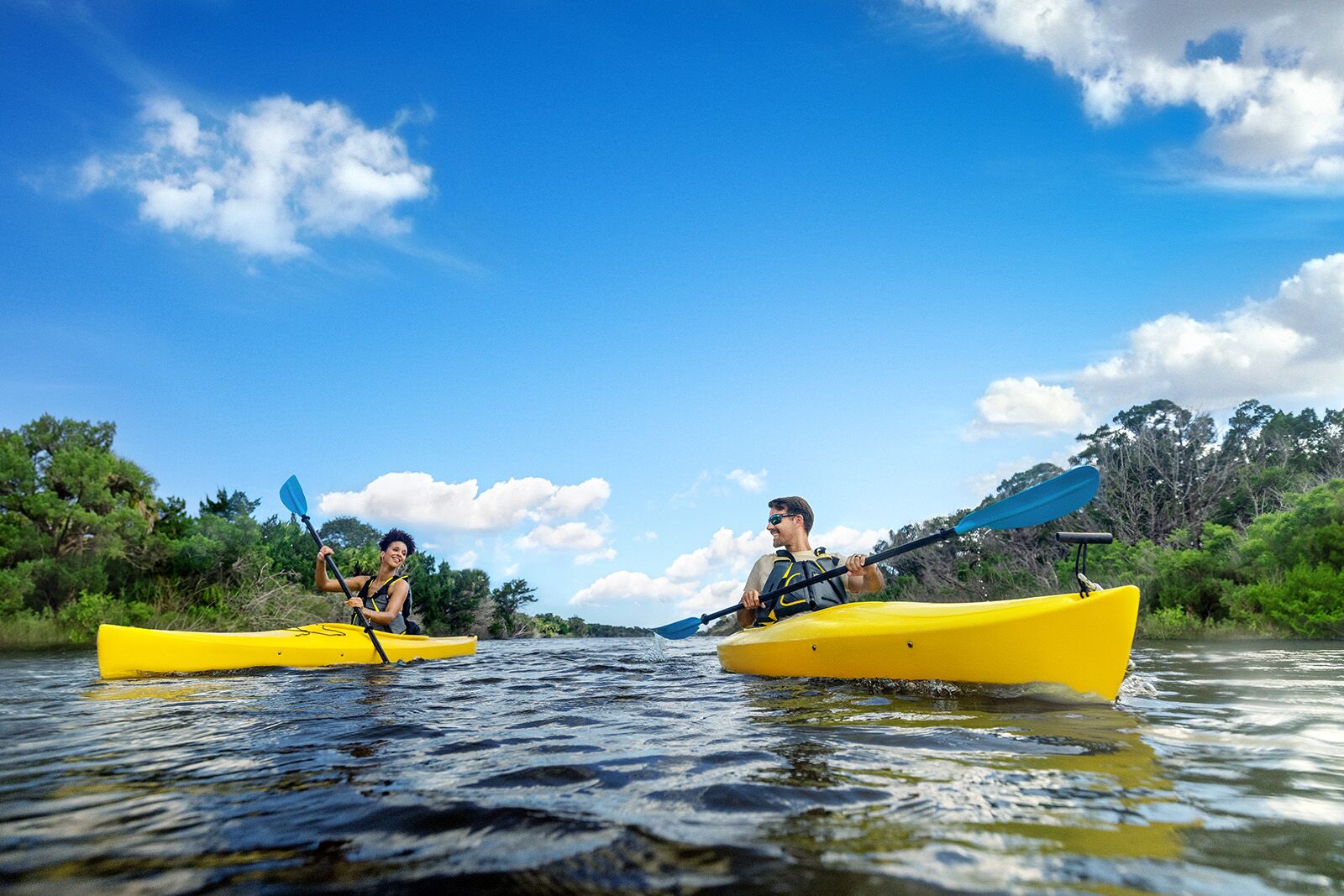
While the ocean remains the primary draw, Daytona Beach’s inland waterways are seeing a surge in interest. The Halifax River, which separates the barrier island from the mainland, serves as a critical habitat for Florida’s iconic wildlife. Guided boat tours around Ponce Inlet and the Halifax River now report high demand for eco-tourism, with visitors seeking sightings of Atlantic bottlenose dolphins and West Indian manatees.
The geographic diversity of the region allows for a wide range of water-based activities:
- Ponce Inlet: Home to the Ponce de Leon Inlet Lighthouse, Florida’s tallest lighthouse at 175 feet. This area serves as a hub for parasailing, providing panoramic views of the Atlantic and the Intracoastal Waterway.
- Nighttime Exploration: The rise of bioluminescence and LED technology has birthed "Night Time Glow Tours," where paddleboarders and kayakers explore the estuaries after dark, offering a different perspective on the local ecosystem.
- Surfing and Wading: The region continues to be a premier destination for surf instruction, benefiting from the consistent swells and accessible sandbars.
The Enduring Impact of Motorsports
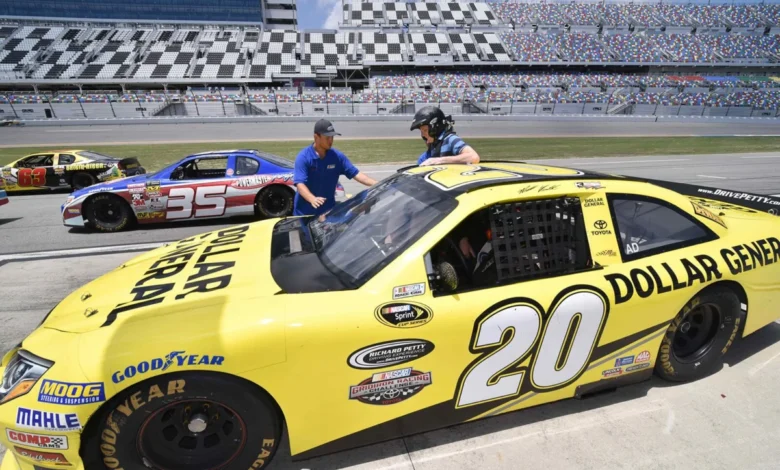
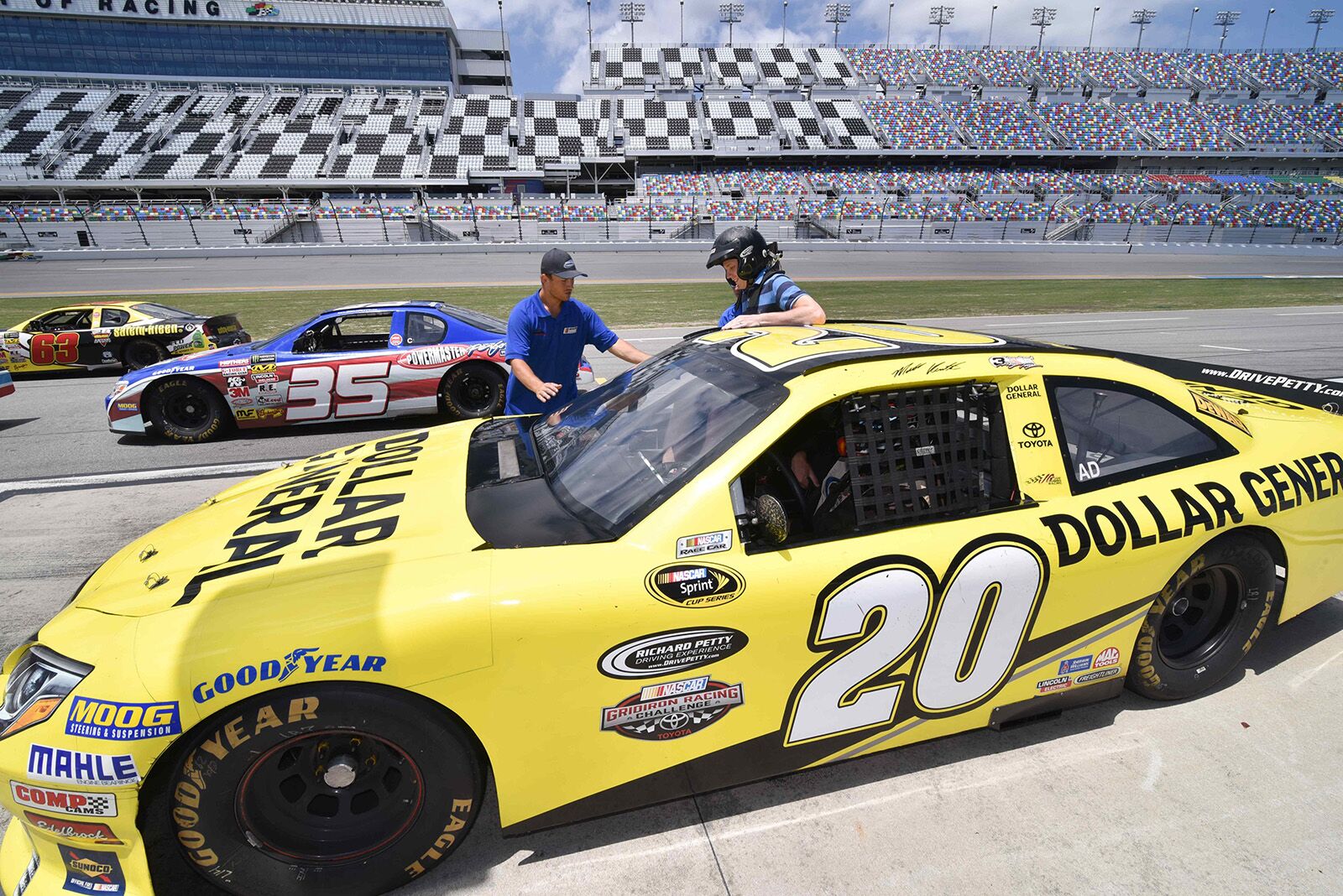
Despite the diversification of the local economy, the Daytona International Speedway remains a massive driver of regional growth. Beyond the major race weeks, the facility operates as a year-round attraction. Guided tours of the 2.5-mile tri-oval track and the storied infield provide a historical narrative of the sport’s evolution.
The "NASCAR Racing Experience" has become a staple of the local tourism industry, allowing civilians to participate in ride-alongs or drive actual race cars at speeds previously reserved for professionals. Industry analysts note that this "participatory tourism" is vital for keeping legacy attractions relevant. By offering an "Advanced Experience" that includes 40-lap sessions, the Speedway has transitioned from a passive spectator venue to an active, immersive training ground for enthusiasts.
Sports Tourism: Golf, Pickleball, and Wellness
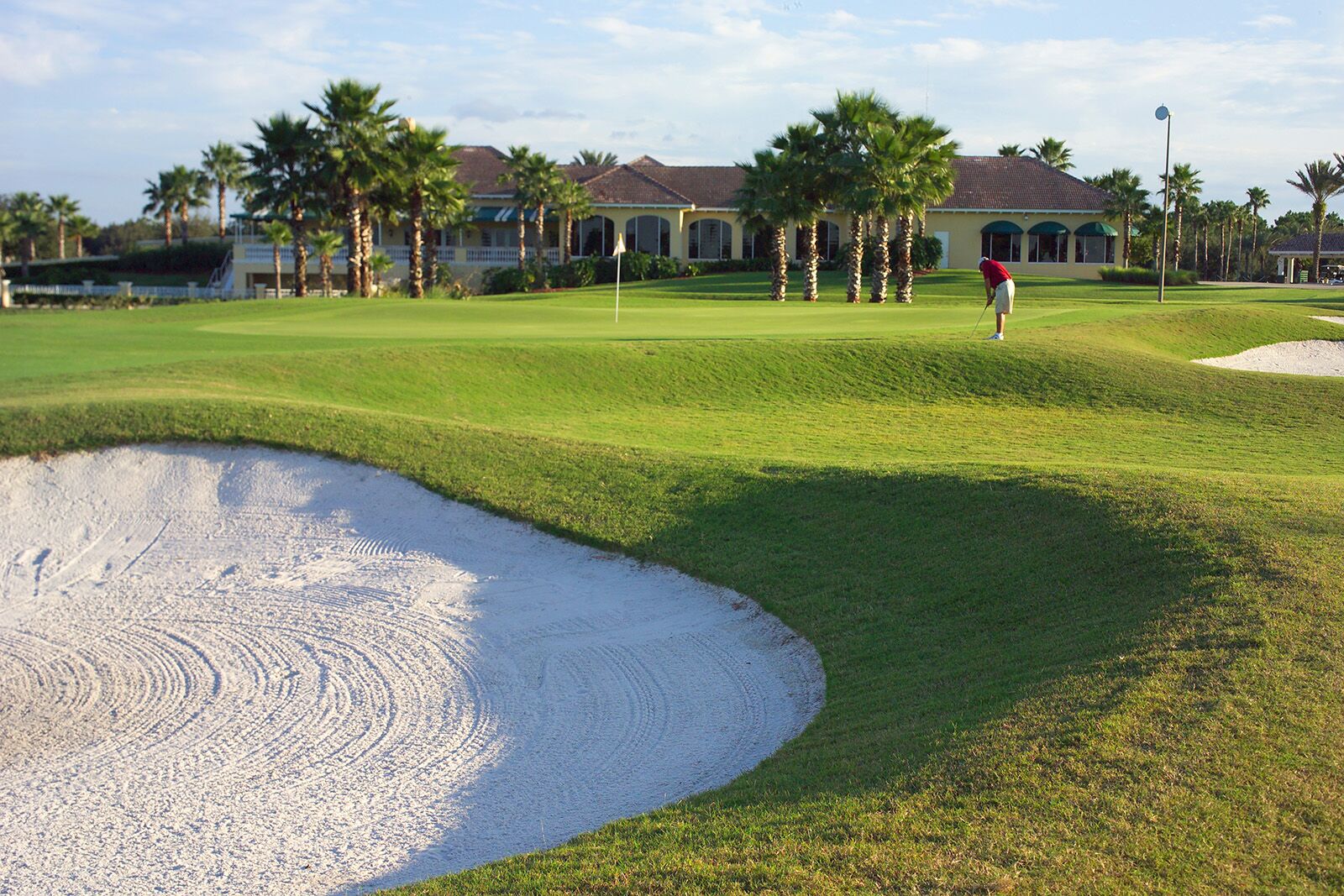
Daytona Beach has successfully positioned itself as a major hub for sports tourism. The presence of LPGA International, featuring two four-star courses designed by Arthur Hills and Rees Jones, anchors the city’s reputation as a premier golf destination. These courses are designed to challenge professional-level players while remaining accessible to amateurs, a balance that is essential for maintaining high rounds-played statistics.
Furthermore, the city has capitalized on the national pickleball craze. Courts and complexes have proliferated throughout Daytona Beach Shores and Holly Hill, catering to a growing segment of active travelers. Wellness tourism is also on the rise, with "sunrise yoga" becoming a standard offering at major oceanfront resorts. These activities contribute to a "healthy lifestyle" branding that helps Daytona Beach compete with other high-end Florida markets like Sarasota or Naples.
Urban Revitalization and the Riverfront Promenade
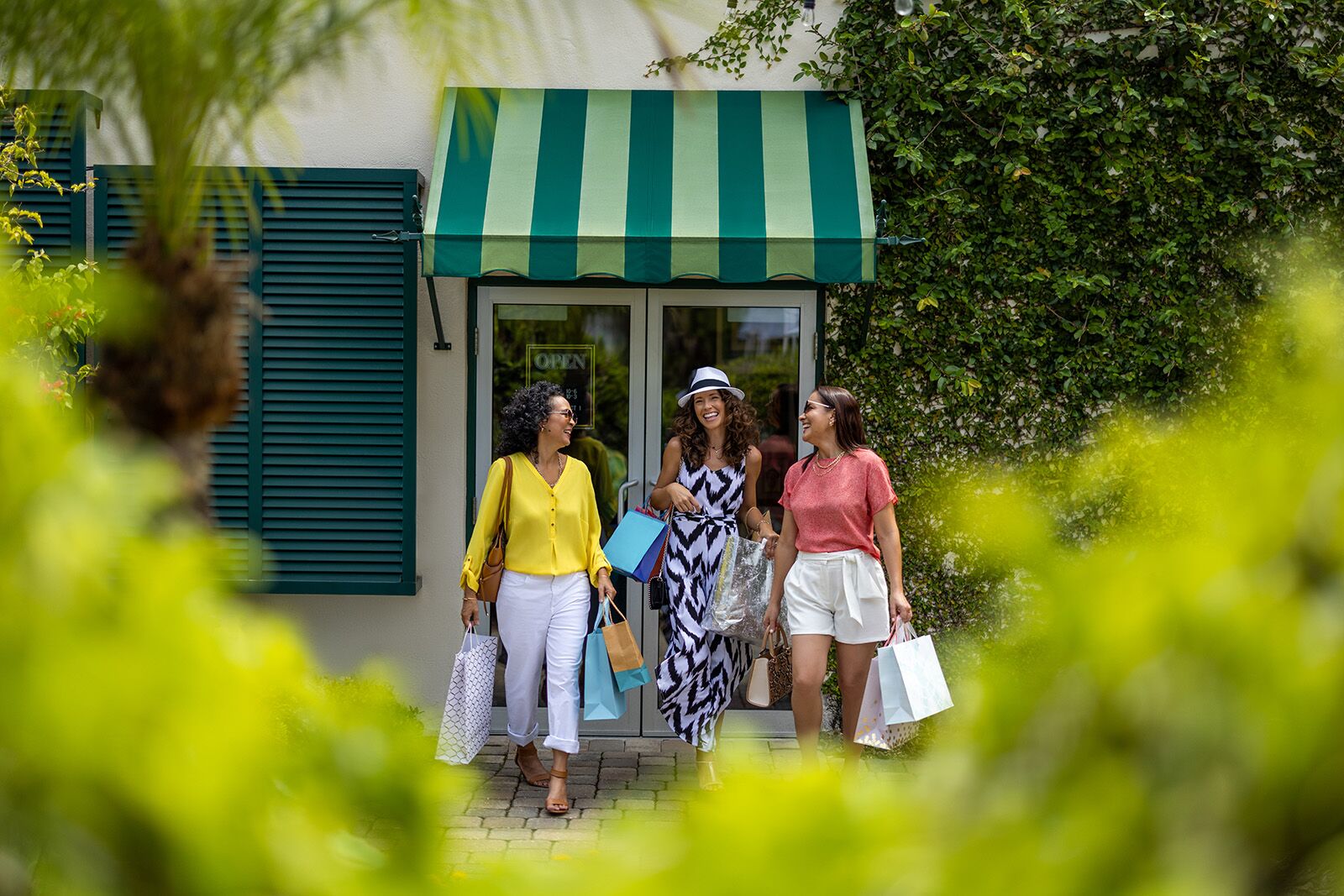
A key component of Daytona’s transformation is the redevelopment of the Riverfront Shops of Daytona Beach. This palm-lined esplanade along the Halifax River represents a shift toward pedestrian-friendly urban planning. With over 60 shops, restaurants, and attractions, the area serves as a cultural counterweight to the beach-centric activities of the barrier island.
Notable establishments like Angell & Phelps Chocolate Factory (founded in 1925) provide a sense of historical continuity, while modern additions like Madeline’s Wine Bar cater to a contemporary palate. The inclusion of botanical gardens, splash pads for children, and waterfront trails indicates a commitment to multi-generational appeal. Urban planners suggest that such mixed-use zones are essential for retaining visitors within the city limits for longer durations, thereby increasing the "average daily spend" per tourist.
The Culinary Evolution: "The Art of Dining"
The culinary scene in Daytona Beach is no longer limited to casual seafood shacks. The "Art of Dining" event, held annually in June, highlights a move toward sophisticated, prix-fixe culinary experiences. Local chefs are increasingly focusing on "fresh-from-the-dock" seafood paired with global culinary techniques.
Two restaurants, in particular, exemplify the city’s dual appeal:
- Top of Daytona: Located on the 29th floor of an oceanfront building, it offers 360-degree views, emphasizing the city’s modern, high-rise aesthetic.
- The Cellar Restaurant: Situated in the historic home of President Warren G. Harding’s personal physician, this establishment focuses on fine Italian dining in a setting that preserves the city’s early 20th-century architecture.
This pairing of modern luxury and historical preservation is a hallmark of the city’s current development strategy.
Hospitality Infrastructure and Economic Outlook
The most visible sign of Daytona Beach’s evolution is its skyline. Recent years have seen the entry of major global hospitality brands, each bringing a unique value proposition to the market:
- Renaissance Daytona Beach Oceanfront: Focuses on modern design and high-end amenities, targeting the "bleisure" traveler (business and leisure).
- Hard Rock Hotel Daytona Beach: Leverages a music-centric lifestyle brand to attract a younger, high-spending demographic.
- Daytona Grande Oceanfront Resort: Featuring the city’s only oceanfront infinity pool, this 27-story property sets a new benchmark for luxury in the region.
The economic implications of these investments are profound. According to regional economic reports, the influx of high-end hotel inventory has led to an increase in Average Daily Rates (ADR) and Revenue Per Available Room (RevPAR) across Volusia County. This increased tax revenue is, in turn, being reinvested into public infrastructure, such as beach nourishment projects and park improvements.
Conclusion: A Multi-Faceted Future
Daytona Beach is successfully navigating the transition from a niche motorsports town to a comprehensive, multi-faceted coastal destination. By leveraging its unique geography, historical significance, and a new wave of luxury investment, the city is proving that it can offer more than just "The World’s Most Famous Beach." Whether through the roar of a NASCAR engine, the serenity of a sunrise yoga session, or the sophistication of a riverfront wine bar, Daytona Beach is redefining the "good life" on the Florida coast. As the tourism landscape continues to evolve, Daytona’s ability to blend its rugged racing heritage with refined modern luxury will likely serve as a blueprint for other coastal cities looking to elevate their global profile.