Stellantis Delays Production Timelines for Jeep Grand Wagoneer EREV and Ram 1500 REV amid Strategic Realignment

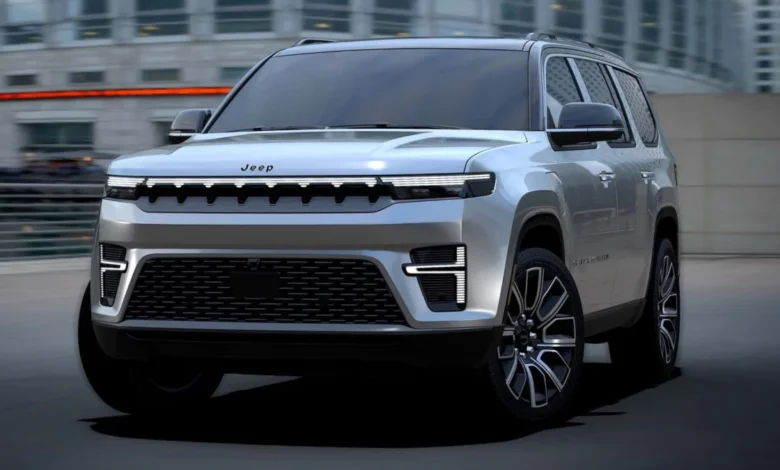
Stellantis has officially adjusted its production roadmap for two of its most anticipated electrified vehicles, the Jeep Grand Wagoneer Extended Range Electric Vehicle (EREV) and the Ram 1500 REV. According to internal supplier memos and industry reports, the Jeep Grand Wagoneer EREV is now slated to begin production at the Warren Truck Assembly Plant near Detroit in November, a six-month departure from the previously targeted May 2025 launch. The impact is even more significant for the Ram 1500 REV, which has been pushed to mid-April 2027, marking a nine-month delay from its original mid-2026 window. These adjustments represent a notable shift in the automaker’s transition to electrification, highlighting the complexities of scaling new powertrain technologies in a volatile global market.
The decision to recalibrate these schedules is not merely an operational hiccup but a reflection of the challenges involved in perfecting the series-hybrid architecture that underpins both vehicles. Stellantis has been moving toward an EREV strategy—which utilizes an onboard gasoline engine as a generator to charge the battery while driving—as a bridge between traditional internal combustion engines and full battery-electric vehicle (BEV) platforms. By prioritizing the reliability and performance of this shared powertrain, the company is effectively resetting its expectations to ensure that the initial rollout meets internal quality benchmarks.
A Chronology of Shifting Targets
The timeline for these flagship products has been in flux for several months. Initially, the Jeep Grand Wagoneer EREV was positioned as the primary vehicle to demonstrate Stellantis’s prowess in the premium SUV segment, with a launch window set for early 2025. As supplier constraints began to tighten, the timeline for the Warren Truck plant was quietly extended. This facility, which serves as a cornerstone of the company’s Michigan manufacturing footprint, is undergoing significant retooling to accommodate the specific requirements of the EREV platform.
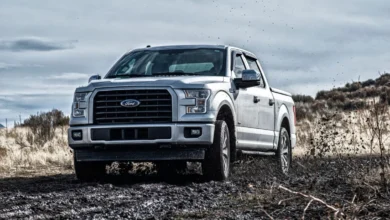
The Ram 1500 REV has followed a more turbulent path. Initially unveiled as an all-electric pickup truck intended to compete directly with the Ford F-150 Lightning and the Chevrolet Silverado EV, the project underwent a significant pivot. Stellantis ultimately canceled the pure battery-electric version of the 1500 REV, opting instead to replace it with the EREV variant. This change in strategy, while theoretically allowing for a more versatile, long-range work vehicle, necessitated a complete overhaul of the vehicle’s electrical architecture. The current mid-April 2027 target suggests that the engineering teams are now focused on refining the 400-volt battery system and the high-output electric motor integration that defines the new iteration of the truck.
The Technical Complexity of Shared Hardware
At the heart of these delays is a sophisticated, shared powertrain strategy. Both the Grand Wagoneer EREV and the Ram 1500 REV rely on a unified electric propulsion system. In the automotive industry, leveraging common components across different vehicle segments is a standard practice to maximize economies of scale and streamline supply chain management. However, this approach creates a high degree of interdependency: if the powertrain development encounters a technical hurdle, the impact is immediately amplified across all vehicles using that architecture.
Engineers are reportedly fine-tuning the interaction between the internal combustion engine—acting as a range extender—and the primary electric drive units. The goal is to achieve a seamless driving experience where the transition between power sources is imperceptible to the driver. Furthermore, the 400-volt architecture requires robust thermal management and software calibration to handle the demands of heavy-duty towing and long-distance driving, which are essential for both the Jeep and Ram customer bases. The extra months added to the production schedule are intended to provide the necessary window to conduct extensive real-world testing and ensure that the "series-hybrid" logic is fully optimized for longevity and fuel efficiency.
Official Stance and Corporate Strategy
Stellantis has maintained a cautious approach in its public messaging regarding these timeline shifts. Rather than framing the changes as a failure to meet objectives, company representatives have consistently described them as a realignment of the product launch schedule. The company maintains that both the Grand Wagoneer EREV and the Ram 1500 REV remain on track for a 2026-calendar-year launch in a broad sense, even if the specific production dates have drifted later than initial projections.
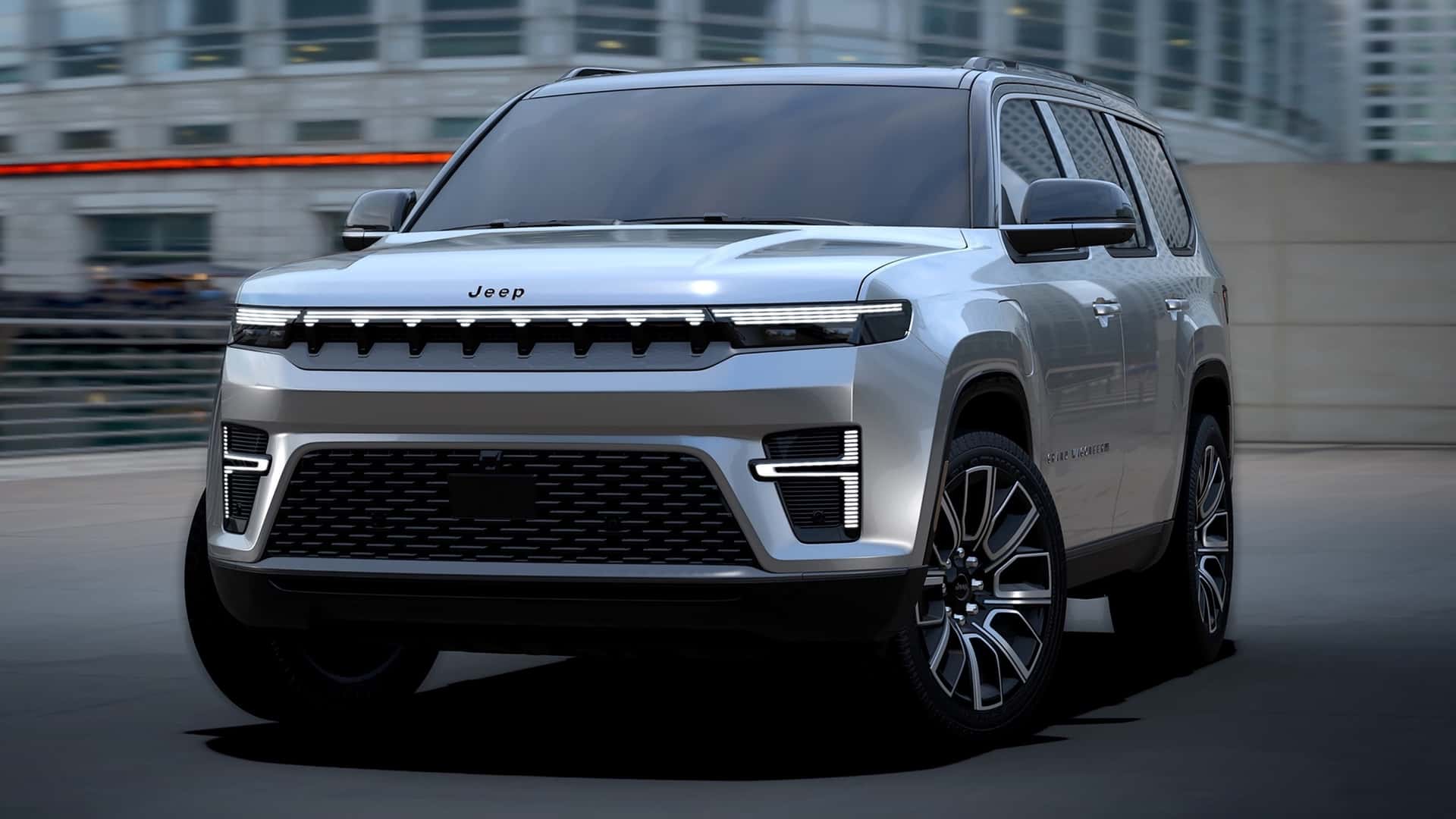
This messaging aligns with a broader corporate strategy to temper expectations as the industry navigates a cooling demand for pure electric vehicles. By leaning into EREVs, Stellantis is attempting to provide a solution that mitigates "range anxiety," which remains a primary deterrent for potential buyers of heavy-duty trucks and large SUVs. The strategy relies on the assumption that consumers are looking for the benefits of electric torque and silent operation without the logistical constraints of limited public charging infrastructure.
Market Implications and Competitive Landscape
The delay of the Ram 1500 REV until 2027 places the company in a challenging competitive position. The electric and electrified truck market is accelerating, with established rivals already having vehicles on the road or in advanced stages of production. The delay grants competitors additional time to capture market share and refine their own offerings, potentially leaving the Ram 1500 REV to enter a more saturated, price-sensitive environment.
Moreover, the automotive sector is facing a period of rapid regulatory evolution. New emissions standards and tax incentive structures in various global markets are constantly shifting, and a vehicle’s competitiveness can change significantly based on when it reaches the showroom floor. For the Grand Wagoneer EREV, the challenge is maintaining its status as a luxury halo product. As time passes, the benchmarks for "premium" features—ranging from infotainment software to autonomous driving capabilities—continue to rise. A product that was considered cutting-edge in 2024 may require significant mid-cycle updates or aggressive pricing to remain relevant by the time it reaches consumers in late 2025 or early 2026.
Economic and Operational Impact on Warren Truck
The Warren Truck Assembly Plant is critical to the economic health of the Detroit area. The uncertainty surrounding production schedules often has a ripple effect on local suppliers, logistics partners, and the workforce. When launch dates are pushed, it necessitates complex logistical rescheduling, from the procurement of raw materials to the deployment of assembly line labor.
Stellantis has invested billions into its North American manufacturing operations to support this transition. The current delays are a testament to the fact that transitioning a massive, established automaker to an electrified future is an iterative process. The company is managing a delicate balance: rushing a product to market with potential software or hardware bugs could lead to costly recalls and long-term brand damage, while delaying too long risks losing the "first-mover" advantage in a high-growth segment.
Analytical Perspective: Is the EREV Pivot Sustainable?
The pivot toward EREV technology represents a calculated risk for Stellantis. On one hand, it addresses the fundamental consumer demand for utility and range. On the other, it introduces a level of mechanical complexity that is not present in standard battery-electric vehicles, as it essentially combines the maintenance requirements of an internal combustion engine with the complexities of an electric drivetrain.
The success of these programs will hinge on the company’s ability to deliver on the "range-extended" promise—specifically, the efficiency of the vehicle when operating in electric-only mode versus when the generator is engaged. If Stellantis can demonstrate that these vehicles offer a superior ownership experience, they may set a new standard for the industry. However, if the vehicles suffer from poor fuel economy or excessive maintenance costs, the company may find itself in a difficult position, having invested heavily in a niche technology that failed to gain mainstream traction.
As the industry moves toward 2026 and 2027, all eyes will be on the Warren Truck plant. The success of the Jeep Grand Wagoneer EREV will serve as a bellwether for the rest of the portfolio. If the company can successfully navigate the current production delays and bring these vehicles to market with high build quality and performance, it will likely validate the decision to prioritize EREVs. Conversely, any further delays or reports of technical issues could force a broader reconsideration of the company’s electrification strategy. For now, the automotive world is waiting to see if these high-stakes products can bridge the gap between legacy engineering and the future of mobility.