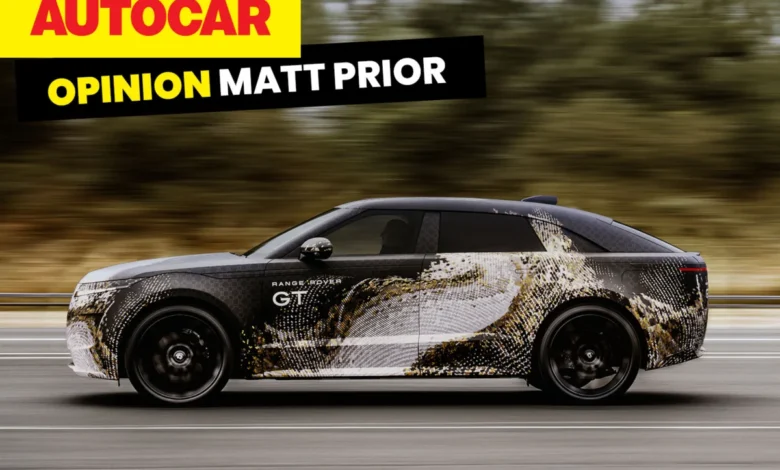
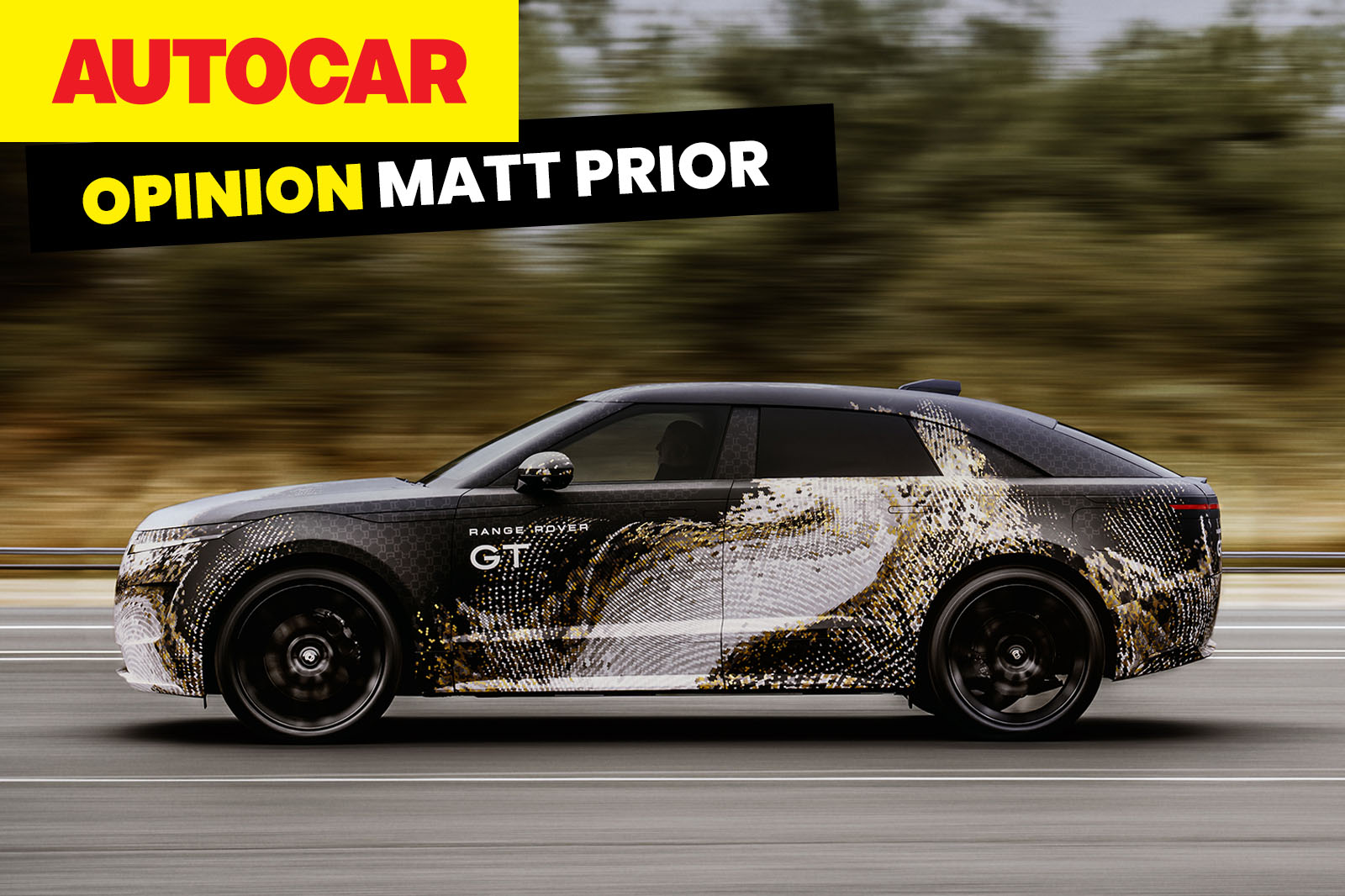
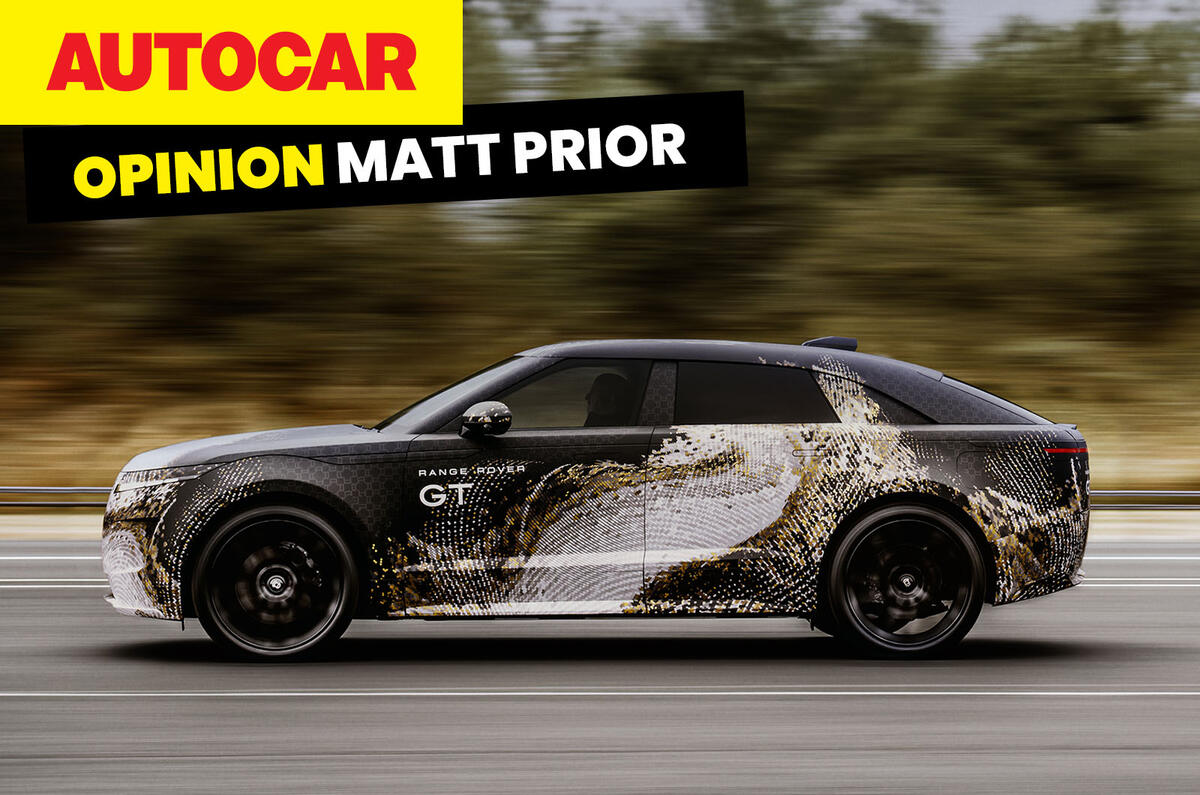
The automotive landscape is currently witnessing a profound transformation as Jaguar Land Rover (JLR) accelerates its "Reimagine" strategy, a multi-billion-pound initiative aimed at repositioning the company as a leader in the electric luxury sector. Central to this evolution is the emergence of a new, sleek, mid-sized model tentatively dubbed the Range Rover GT. While early speculation suggested this vehicle might simply be a rebadged version of the upcoming Jaguar Type 01—the brand’s highly anticipated four-door electric grand tourer—technical insiders and industry analysts suggest a more nuanced reality. While the Range Rover GT is structurally distinct from the Jaguar Type 01, it may serve as the spiritual and technological successor to the original Jaguar I-Pace, marking a significant shift in how the "House of Brands" shares its engineering DNA.
The Strategic Shift: House of Brands and the GT Concept
Under the leadership of CEO Adrian Mardell and Chief Creative Officer Gerry McGovern, JLR has moved away from its traditional corporate structure toward a "House of Brands" model. This strategy elevates Range Rover, Defender, Discovery, and Jaguar into four distinct pillars. The Range Rover GT represents a critical expansion of the Range Rover portfolio, aiming to bridge the gap between the traditional high-riding SUV and the low-slung performance of a luxury saloon.
The concept of a "GT" or "Grand Tourer" within the Range Rover lineup is a departure from the brand’s rugged, off-road origins. Historically, Range Rovers have been defined by their "command driving position" and vertical silhouettes. However, the move toward electrification necessitates a greater focus on aerodynamics to maximize range. By lowering the roofline and refining the vehicle’s drag coefficient, JLR can offer a vehicle that retains the luxury and prestige of a Range Rover while achieving the efficiency required for a modern electric vehicle (EV).
Platform Architecture: JEA vs. EMA
A primary point of discussion among industry experts is the platform underpinning the Range Rover GT. The Jaguar Type 01 is confirmed to utilize the Jaguar Electric Architecture (JEA), a bespoke platform designed specifically for the brand’s high-performance, ultra-luxury rebirth. In contrast, the Range Rover GT is expected to utilize the Electrified Modular Architecture (EMA).
The EMA platform is a "born-electric" foundation designed primarily for JLR’s mid-sized luxury SUVs. It is engineered to support advanced autonomous driving features, cloud connectivity, and, most importantly, high-density battery technology. While the JEA and EMA are separate projects, they share a common goal: the transition to an 800-volt electrical system. This hardware allows for ultra-fast charging, potentially adding 200 miles of range in as little as 15 minutes, a crucial metric for competing with the likes of the Porsche Taycan and the Audi e-tron GT.
Despite the structural differences between the JEA and EMA, the "Jaguar link" mentioned by industry observers refers to the shared learnings from the I-Pace project. The I-Pace, launched in 2018, was a pioneer in the premium EV space, but it sat somewhat awkwardly between the Jaguar and Land Rover identities. The Range Rover GT appears to be taking the "crossover-GT" formula perfected by the I-Pace and refining it for the ultra-premium Range Rover customer.
The I-Pace Legacy and the Mk2 Connection
The suggestion that the Range Rover GT could be the "Mk2 I-Pace" stems from the market position the vehicle will occupy. The original I-Pace was praised for its handling and avant-garde design but suffered from a charging architecture that quickly became dated. As Jaguar moves upmarket to compete with Bentley and Maserati, the I-Pace’s original territory—the £70,000 to £100,000 luxury electric crossover segment—is being vacated.
The Range Rover GT is poised to fill this vacuum. By adopting the sleek, aerodynamic profile of a GT but maintaining the luxury appointments of a Range Rover, JLR can capture the existing I-Pace customer base while attracting traditional saloon buyers who are ready to transition to an EV. In this sense, the GT is less a direct sequel and more a spiritual evolution, utilizing the lessons learned from Jaguar’s first foray into electrification to bolster the Range Rover brand’s dominance.
Technical Specifications and Performance Expectations
While official specifications remain under wraps, data extrapolated from JLR’s supply chain and platform goals provide a clear picture of the Range Rover GT’s potential performance. The EMA platform is designed to accommodate batteries with capacities ranging from 85kWh to over 100kWh. Given the GT’s aerodynamic focus, a range exceeding 400 miles (WLTP) is a likely target.
Key technical features expected to debut with the Range Rover GT include:
- 800V Architecture: Enabling charging speeds of up to 350kW.
- Silicon Carbide Inverters: Improving powertrain efficiency and thermal management.
- Agratas Battery Cells: Utilizing Tata Group’s new gigafactory output, which promises higher energy density and improved sustainability.
- Active Aerodynamics: Including adjustable ride heights and shutter systems to minimize drag at highway speeds.
The vehicle is expected to feature a dual-motor setup as standard, providing all-wheel drive—a non-negotiable trait for any vehicle bearing the Range Rover badge. Performance figures are likely to be tuned for "effortless" power rather than raw aggression, aligning with the brand’s "Quiet Luxury" ethos.
Chronology of Development
The journey toward the Range Rover GT has been a multi-year process, marked by significant pivots in JLR’s corporate strategy:
- 2021: JLR announces the "Reimagine" strategy, confirming that Jaguar will become an all-electric brand by 2025 and Land Rover will welcome its first all-electric model in 2024.
- 2022: Reports surface of a "lower-slung" Range Rover model in development, initially codenamed "Road Rover" in earlier internal documents.
- 2023: JLR officially transitions to the "House of Brands" structure. Development of the EMA platform is accelerated at the Gaydon engineering center.
- Early 2024: Spy photos of low-profile electric test mules begin to appear at the Nürburgring and in Arctic testing facilities, fueling rumors of a GT model.
- Late 2024: JLR confirms the Jaguar Type 01 reveal for New York, while simultaneously hinting at an expanded Range Rover lineup that includes more than just traditional SUVs.
Market Context and Competitive Landscape
The Range Rover GT enters a market that is increasingly crowded but remains lucrative. The primary competition includes:
- Porsche Taycan Cross Turismo: The benchmark for electric performance wagons.
- Audi e-tron GT: A close relative of the Taycan focusing on grand touring comfort.
- Lotus Emeya: A new entrant from Geely-owned Lotus, emphasizing high-tech luxury and speed.
- Lucid Air: Offering industry-leading range and efficiency.
Range Rover’s advantage lies in its brand equity. While Porsche and Audi are viewed through the lens of performance and engineering, Range Rover carries a unique connotation of status and "sanctuary." The GT model aims to provide that sanctuary in a package that is more efficient and road-focused than the flagship Range Rover Electric.
Official Responses and Strategic Implications
While JLR executives have been careful not to reveal specific details regarding the GT’s relationship with Jaguar, Adrian Mardell has frequently emphasized the importance of "platform commonality where it makes sense, but distinct brand experiences."
In a recent investor presentation, Mardell noted, "Our investment in the EMA platform is the bedrock of our mid-sized luxury SUV strategy. It allows us to deliver the world’s most refined electric vehicles while maintaining the specific DNA that our clients expect from a Range Rover."
Gerry McGovern has also spoken about the design challenges of the electric era. "Aerodynamics shouldn’t dictate a boring shape," he stated during a design forum. "For Range Rover, it’s about reductionism—removing the clutter to find the essence of the brand, even as the proportions evolve to meet the needs of electrification."
The strategic implication of the Range Rover GT is clear: JLR is diversifying the Range Rover brand to protect its margins. By offering a "GT" model, they can appeal to a demographic that finds the full-sized Range Rover too cumbersome for urban environments or high-speed motorway commuting, without forcing those customers to leave the brand for a competitor.
Conclusion: A New Era for the Range Rover Badge
The New Range Rover GT: could it be the Mk2 I-Pace? The answer is both no and yes. Structurally, it is a new beast, built on a platform (EMA) that represents the future of the Range Rover and Discovery brands. It is not merely a reskinned Jaguar. However, philosophically, it is the true heir to the I-Pace’s pioneering spirit. It takes the concept of a luxury, aerodynamic, high-performance electric crossover and elevates it to the "Quiet Luxury" standards of the modern Range Rover era.
As JLR moves toward its goal of becoming a net-zero carbon business by 2039, the Range Rover GT will serve as a lighthouse model. It proves that the brand can adapt to the constraints of the electric age—where drag and weight are the enemies of range—without sacrificing the presence and prestige that have made Range Rover a global icon. Whether it eventually carries the "GT" suffix or a new designation, this vehicle marks the moment the world’s most famous SUV brand truly embraced the sleek future of the grand tourer.