1982 Porsche 911 SC With 164,000 Miles Is One Of The Cheapest Air-Cooled 911s Currently For Sale, And It’s Still Almost $75,000

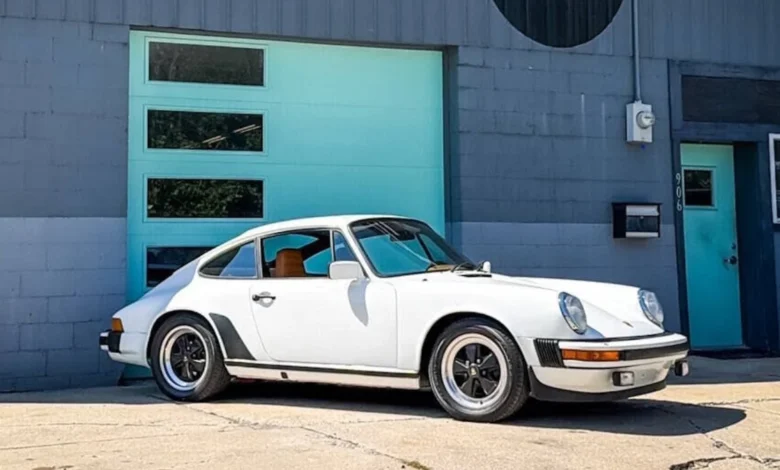
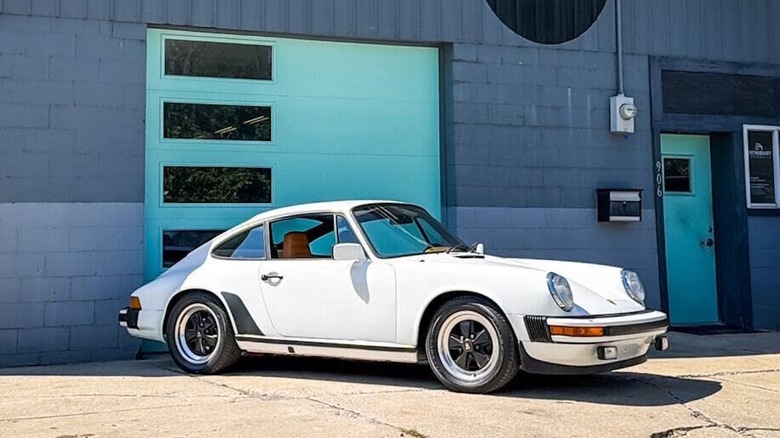
The enduring allure of air-cooled Porsche 911 sports cars continues to challenge traditional automotive depreciation curves, with even high-mileage examples commanding significant financial investment. A striking illustration of this phenomenon is currently active on the digital automotive marketplace CarGurus, where a white 1982 Porsche 911 SC featuring nearly 165,000 miles on the odometer is listed for $73,482. Initially introduced to the market at $74,982 before a modest downward adjustment, the vehicle serves as a stark reminder of the unique economic forces dictating the collector car market. While 164,000 miles typically signals a heavily depreciated asset in the broader automotive landscape, the enduring cultural and mechanical status of Stuttgart’s air-cooled lineage has fundamentally altered valuation metrics, placing a four-decade-old, high-mileage sports car squarely in the price bracket of modern luxury vehicles.
The Evolution and Nomenclature of the 911 SC
To understand the current valuation of this particular model, it is necessary to examine the historical context of the Porsche 911 SC, produced from model years 1978 through 1983. The designation "SC" stands for "Super Carrera," a moniker selected by Porsche to denote the standard production 911 of that era rather than an elite, track-focused variant. In Porsche’s historical hierarchy, the SC was positioned to bridge the gap following the discontinuation of the original Carrera and prior to the arrival of the 3.2-liter Carrera in 1984.
During its production run, the 911 SC played a critical role in the commercial survival and engineering evolution of the brand. Facing tightening emissions regulations and shifting global economic landscapes in the late 1970s, Porsche engineers refined the iconic rear-engine layout. The vehicle was equipped with a 3.0-liter naturally aspirated flat-six engine utilizing aluminum cylinders with Nikasil coating, a major mechanical improvement that solved durability issues plaguing earlier powerplants.
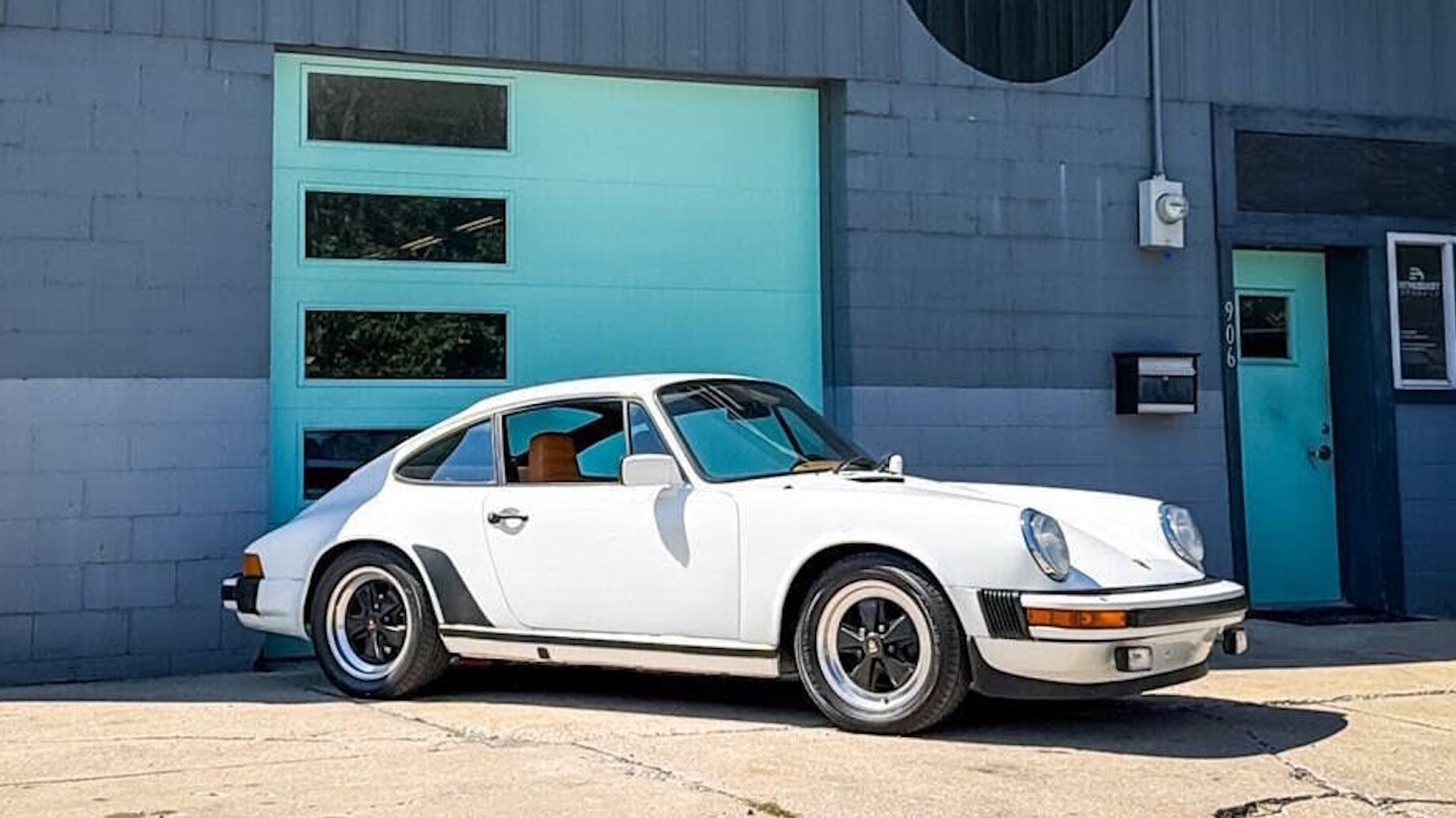
The 1982 iteration of the SC delivers 172 horsepower and 189 lb-ft of torque, channeled through a five-speed manual transaxle. While these performance specifications align closely with contemporary compact economy cars, the 911 SC benefits from a lean curb weight hovering around 2,700 pounds. Contemporary automotive testing conducted by publications such as Car and Driver in 1980 documented the vehicle sprinting from zero to 60 mph in precisely six seconds, completing the quarter-mile in 14.7 seconds at a trap speed of 92 mph, and achieving a top speed of 130 mph. Beyond straight-line metrics, period evaluations lauded the vehicle for its telepathic steering feedback, exceptional braking performance, and improved manual gearshift linkages that mitigated the notorious vagueness of earlier 911 gearboxes.
The Macroeconomics of the Air-Cooled Bubble
The asking price of over $73,000 for a 164,000-mile classic highlights a broader economic trend within the collector car hobby commonly referred to as the "air-cooled bubble." Over the past two decades, market demand for pre-1999, air-cooled Porsche 911s—spanning the G-series, 964, and 993 generations—has escalated dramatically.
This valuation surge is driven by a combination of nostalgia, generational wealth transfer, and a growing recognition among enthusiasts that the mechanical simplicity, distinct acoustic profile, and analog driving dynamics of air-cooled engines can no longer be replicated in modern, emissions-regulated, turbocharged production vehicles. Consequently, entry-level thresholds for air-cooled ownership have shifted upward. Vehicles that fifteen years ago functioned as affordable weekend project cars for budget-conscious enthusiasts have transitioned into protected asset classes.
Automotive market analysts note that while a $75,000 investment for a 1982 Porsche with six digits on the odometer may appear exorbitant to the uninitiated, it represents the absolute baseline entry point for authenticated air-cooled ownership. Clean, lower-mileage examples of the 911 SC routinely command six-figure sums at premier auction houses, while rare homologation specials and Turbo variants achieve astronomical valuations.
Ownership Realities and Market Implications
Purchasing a vintage sports car with nearly 165,000 miles requires careful consideration of mechanical preservation and maintenance history. Although the exterior presentation of the listed 1982 SC indicates conscientious cosmetic upkeep, the high mileage implies that major mechanical interventions—such as top-end engine rebuilds, transmission synchronization overhauls, and suspension component replacements—have likely occurred or will soon be required.
Air-cooled Porsche engines are renowned for their mechanical durability and longevity when subjected to regular preventative maintenance. However, sourcing specialized labor and original-specification parts can introduce significant ongoing ownership costs. Despite these potential liabilities, the market resilience of the 911 SC provides a unique financial safety net for buyers. Unlike a newly purchased luxury sedan or modern sports car that experiences steep, immediate depreciation upon driving off the dealership lot, an air-cooled Porsche acquired at the market floor often retains its principal value, provided macroeconomic conditions and collector demand remain stable.
When evaluated against the current automotive landscape, where a completely base-model, modern Porsche 911 Carrera commands a sticker price exceeding double the cost of this vintage SC, the value proposition shifts depending on the buyer’s perspective. For the purist seeking an unfiltered, mechanical driving connection, the 1982 Super Carrera offers an authentic window into Porsche’s engineering heritage. For the broader market observer, however, the listing serves as a stark reminder of an era when accessible German sports car ownership was a reality, and how drastically the collector car ecosystem has transformed over the course of a single generation.