Why the Atmos Rewards Summit Visa Infinite Credit Card Is Rewriting the Rules of International Travel Spending


The landscape of travel rewards credit cards is undergoing a seismic transformation following the landmark merger of Alaska Airlines and Hawaiian Airlines. Out of this corporate consolidation has emerged Atmos Rewards, a unified loyalty program that has swiftly captured the attention of frequent flyers and points enthusiasts alike. At the forefront of this new ecosystem is the Atmos Rewards Summit Visa Infinite credit card, a premium financial product engineered to dominate international spending categories. With an annual fee of $395, the card offers an unprecedented earning structure for transactions conducted outside the United States, challenging traditional assumptions about how airline co-branded credit cards should function.
The Mechanics of the Merger and the Rise of Atmos Rewards
The creation of Atmos Rewards follows years of strategic shifts within the domestic aviation sector. When Alaska Airlines announced its acquisition of Hawaiian Airlines, industry analysts anticipated a lengthy integration process reminiscent of previous airline mega-mergers. However, the carrier moved decisively to consolidate its frequent-flyer assets under a single banner. This unified program inherited the celebrated award charts of the legacy Alaska Airlines Mileage Plan, a structure long praised by travel hackers for its generous partner award availability and outsize redemption values.

As the newly formed airline sought a flagship financial product to anchor its loyalty base, it partnered with Visa to launch the Atmos Rewards Summit Visa Infinite credit card. Designed specifically to compete with top-tier travel cards from Chase, American Express, and Capital One, the Summit card was built to address a common pain point for global travelers: the fragmented bonus categories that complicate spending abroad.
Unmatched Earning Power on Foreign Purchases
The defining feature of the Atmos Rewards Summit card is its blanket earning rate on international transactions. Cardholders earn 3 Atmos Rewards points per dollar spent on any eligible purchase made in a foreign currency. Unlike competing cards that restrict bonus earnings to specific categories—such as dining, airfare, or lodging—the Summit card applies its 3x multiplier universally to every foreign purchase, whether it is a high-end hotel stay in Tokyo, a localized train ticket in Switzerland, or routine grocery shopping in Madrid.
According to baseline valuations established by industry experts in September 2026, Atmos Rewards points hold an estimated value of approximately 1.55 cents each. Consequently, earning 3 points per dollar on foreign spending translates to a remarkable 4.65 cents in return per dollar spent abroad. Furthermore, eligible cardholders who maintain qualifying accounts with Bank of America can unlock a 10% rewards bonus on points earned through card purchases. This enhancement elevates the earning rate to 3.3 points per dollar, yielding a return of roughly 5.12 cents per dollar spent on international transactions.

This generalized foreign transaction rate effectively eliminates the cognitive load often associated with maximizing rewards overseas. Travelers no longer need to track rotating bonus categories, verify merchant codes, or juggle multiple cards to optimize their spending. The Visa network’s extensive global acceptance also ensures that cardholders encounter far fewer hurdles abroad compared to users relying exclusively on American Express products, which, while offering competitive dining multipliers, can occasionally face acceptance limitations outside major metropolitan areas.
Comprehensive Welcome Offer and Companion Benefits
To incentivize new sign-ups, the issuing bank has introduced a competitive welcome bonus package. New cardholders can earn 80,000 bonus Atmos Rewards points alongside a 25,000-point Global Companion Award after meeting a minimum spending requirement of $4,000 within the first 90 days of account opening.
The Global Companion Award stands out as a particularly flexible perk within the premium travel card market. Unlike traditional domestic companion fares that restrict travel to specific geographic regions or carriers, the Global Companion Award offers a discount of up to 25,000 points—scaling up to 100,000 points after reaching $60,000 in annual expenditures—when booking two passengers traveling together using Atmos Rewards points. This benefit applies universally across Alaska Airlines, Hawaiian Airlines, and all external redemption partners, encompassing both Oneworld alliance members and independent partners such as Icelandair, Korean Air, and Aer Lingus. The companion benefit can be utilized in any cabin class, including long-haul international business class, subject to applicable taxes and fees.

Comparative Analysis Within the Premium Airline Card Market
When evaluated against other legacy airline credit cards in the $395 to $650 annual fee tier, the Atmos Summit card occupies a distinct niche. Traditional airline cards—such as those offered by Delta Air Lines, United Airlines, and American Airlines—typically provide accelerated earnings exclusively on direct purchases with the respective airline or within narrow travel-related categories, defaulting to a meager 1 mile per dollar on everyday and international miscellaneous spending.
| Credit Card | Annual Fee | International Spending Earning Rate | Primary International Advantage |
|---|---|---|---|
| Atmos Rewards Summit Visa Infinite | $395 | 3x points on all foreign currency purchases | Blanket multi-category earnings globally |
| Competitor Airline Premium Cards | $395 – $650 | 1x to 2x miles (restricted categories) | Direct airline purchases only |
| General Travel Rewards Cards | $250 – $695 | 2x to 3x points on travel/dining | Flexible bank ecosystem points |
By offering a guaranteed 3x return on all foreign transactions, the Summit card effectively bridges the gap between co-branded airline cards and flexible general travel rewards cards, providing a compelling justification for its $395 annual fee. Additional perks bundled into the card—such as anniversary status points, expedited pathways to elite status, airport lounge access, priority boarding, Wi-Fi credits, waived same-day flight change fees, and complimentary checked baggage on Alaska and Hawaiian itineraries—further round out its value proposition.
Maximizing Value Through Partner Redemptions
The utility of the Atmos Rewards program extends far beyond the core operating airlines. Because the program preserves the legacy Alaska Mileage Plan award architecture, cardholders can leverage their accumulated points across a vast network of global airline partners, unlocking high-value redemptions that often rival or exceed those found in traditional alliance programs.
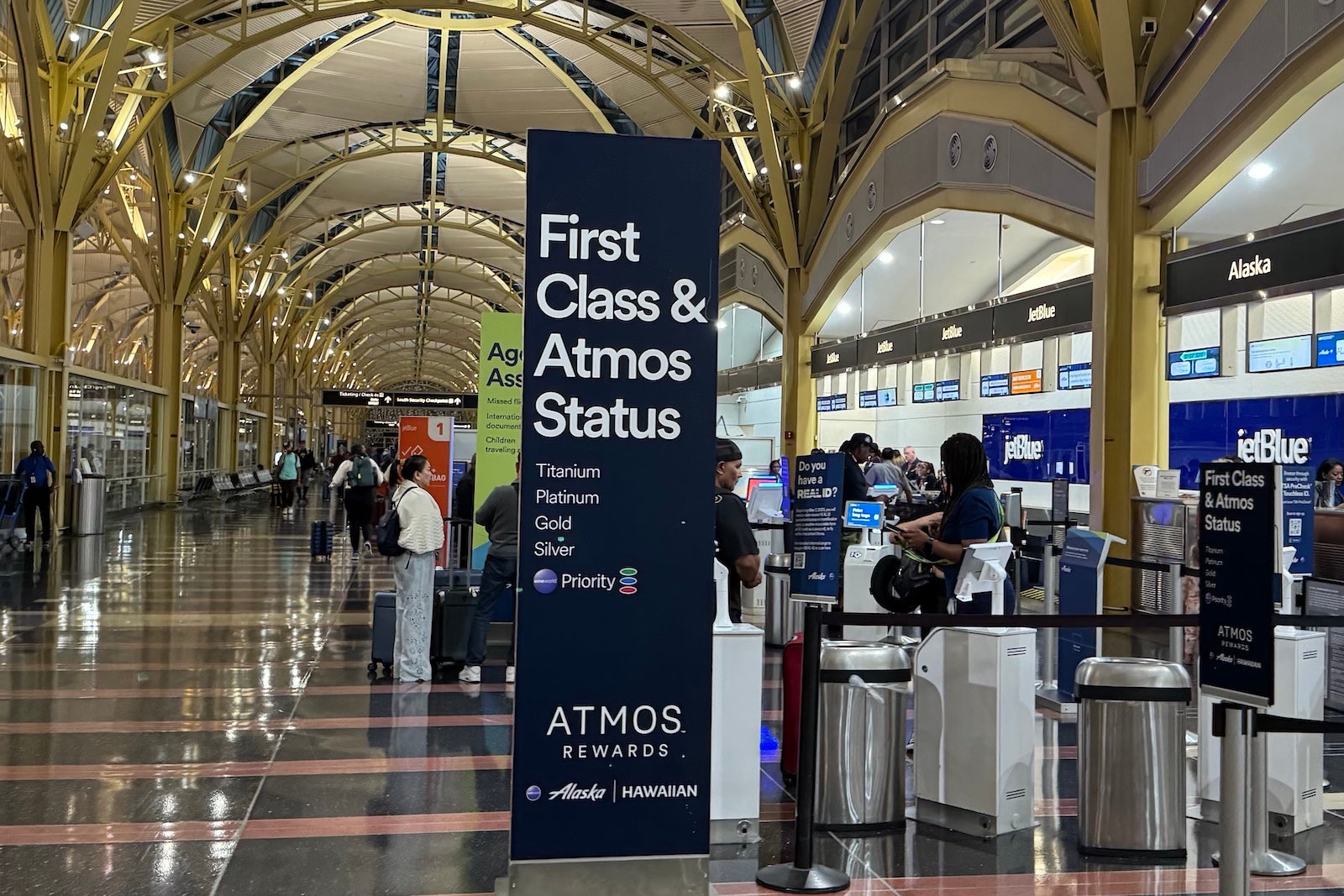
Travelers can secure short-haul domestic flights operated by American Airlines for as few as 4,500 Atmos Rewards points for distances under 700 miles, or book economy segments between the West Coast and the Hawaiian Islands starting at 10,000 points. For long-haul international itineraries, the program features notable sweet spots, including Aer Lingus transatlantic business class flights to Ireland starting at 45,000 points. More aspirational redemptions—such as long-haul business class seats on Japan Airlines to Tokyo or Fiji Airways to the South Pacific—are accessible starting at 75,000 points.
Implications and Industry Outlook
The introduction of the Atmos Rewards Summit Visa Infinite card signals a broader strategic shift in how airlines design financial products to capture affluent, globally mobile consumers. By rewarding routine international expenditures at a rate historically reserved for specialized domestic categories, Alaska Airlines and its banking partners have created a powerful incentive for travelers to consolidate their wallet share.
As the travel sector continues to normalize and international tourism reaches new heights, the success of the Atmos Summit card may prompt competing carriers to reevaluate their own international earning structures. For consumers who frequently cross borders for business or leisure, the card represents a sophisticated tool for accelerating point accumulation, transforming everyday international purchases into high-value redemption opportunities across a robust global aviation network.
Related posts: