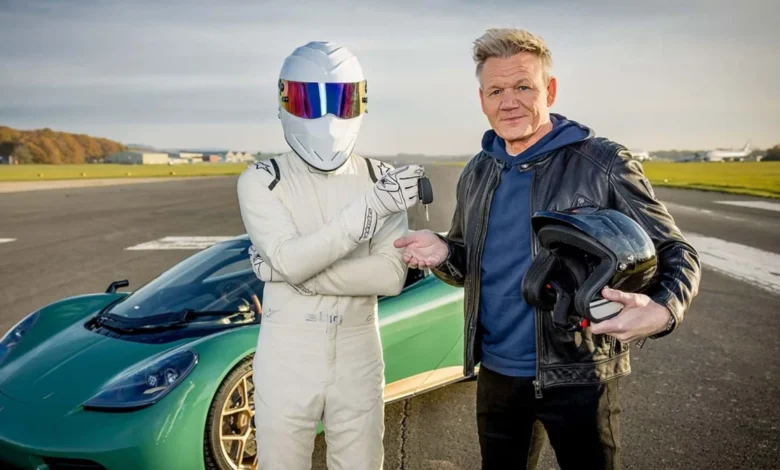
The BBC Studios landscape is set for a monumental shift as the world’s most iconic motoring franchise, Top Gear, prepares for a high-profile resurrection. After an indefinite hiatus that left millions of fans speculating about the future of the brand, the broadcaster has officially confirmed that television personality and world-renowned chef Gordon Ramsay will headline the revamped series. The announcement marks a strategic pivot for the program, which has been in a state of suspended animation since the conclusion of the 2023 calendar year.
According to the official communique from BBC Studios, Ramsay will spearhead a completely new ensemble of co-hosts, signaling a departure from the previous production framework. Filming for the revived series is scheduled to commence in 2025, with the finished episodes slated to grace screens in 2028. This long-lead production timeline suggests that the BBC is committed to a methodical, high-quality overhaul, aiming to move past the controversies and logistical hurdles that defined the show’s most recent era.
A Chronology of Turbulence and Transition
The road to the 2028 relaunch has been marked by significant internal and external challenges. The decision to "rest" the show in late 2023 was the direct result of a series of mounting production difficulties. The most critical turning point occurred in December 2022, when co-host Andrew "Freddie" Flintoff sustained serious injuries during a high-speed stunt at the Dunsfold Park Aerodrome. The accident prompted a comprehensive health and safety review by the BBC, leading to the suspension of filming and a subsequent internal investigation into the production culture of the show.
The history of the modern Top Gear era is best understood through its distinct developmental phases:
- 2002–2015: The "Golden Era" featuring Jeremy Clarkson, Richard Hammond, and James May, which transformed the show into a global cultural phenomenon. This period concluded abruptly following a physical altercation between Clarkson and a producer.
- 2016–2019: A transitional period characterized by frequent lineup changes, including Chris Evans and Matt LeBlanc, as the BBC attempted to stabilize the brand’s identity post-Clarkson.
- 2019–2022: The "Harris-Flintoff-McGuinness" era, which gained significant critical acclaim for the chemistry between its hosts before the catastrophic 2022 accident.
- 2023–2027: The period of hiatus and structural reorganization.
- 2028: The slated return of the series under the leadership of Gordon Ramsay.
Understanding the Gordon Ramsay Factor
Gordon Ramsay’s appointment is widely viewed by industry analysts as a calculated move to inject "fresh energy and ambition," as the star himself described. While primarily known for his culinary expertise and fiery television persona, Ramsay is a legitimate automotive enthusiast with a long-standing passion for high-performance vehicles. His personal car collection, which includes a stable of rare Ferraris, Aston Martins, and McLarens, aligns with the aspirational tone that has historically defined Top Gear’s film segments.
By selecting a host with an established global brand, the BBC is looking to recapture the international viewership that Top Gear once commanded. Ramsay’s ability to draw audiences across demographics—particularly in the United States, where his presence on shows like MasterChef and Hell’s Kitchen is ubiquitous—could serve as a critical bridge for the show’s global distribution strategy.
The Evolution of the Hosting Format
While the BBC has confirmed Ramsay as the lead, the configuration of the remaining hosting slots remains a subject of intense speculation. Historically, the show has functioned on a three-presenter model, a format popularized by the trio of Clarkson, Hammond, and May. However, the BBC has hinted that the 2028 iteration may experiment with its structure.
Before the official announcement of the return, various industry insiders speculated that comedian Jimmy Carr was in contention for a primary role. The potential integration of personalities from outside the traditional automotive journalism sector suggests the BBC may be looking to emphasize the entertainment and "lifestyle" aspects of motoring over strictly technical car reviewing. This approach would be a deviation from the tenure of Chris Harris, whose deep technical knowledge and track-driving prowess were pillars of the show’s recent successes.
The Legacy of the "Grand Tour" Exodus
The departure of Jeremy Clarkson, Richard Hammond, and James May in 2015 fundamentally altered the television landscape. Their subsequent move to Amazon Prime Video to produce The Grand Tour created a permanent split in the motoring fan base. As The Grand Tour recently concluded its own production run, the market for high-budget, personality-driven motoring content has once again become consolidated under the BBC.
The impact of this shift cannot be understated. For a decade, the BBC had to compete with its former stars for the attention of the automotive enthusiast audience. With The Grand Tour off the air, the 2028 revival of Top Gear holds a unique opportunity to reclaim its status as the singular home for large-scale, cinematic car television.
Financial and Production Implications
The suspension of Top Gear was not merely a creative decision but a significant financial event for BBC Studios. The show was one of the broadcaster’s most lucrative commercial exports, generating substantial revenue through international syndication and licensing deals. The multi-year hiatus has represented a notable loss in potential revenue, making the 2028 return a high-stakes financial priority for the network.
Ed Harvard, the BBC’s director of entertainment, has remained tight-lipped regarding the specifics of the new budget and production scope. However, the decision to allow a multi-year development cycle suggests that the BBC is investing heavily in pre-production to ensure that the safety protocols—which were the catalyst for the show’s shutdown—are now integrated into the very DNA of the new format.
Broader Impact on the Automotive Industry
Top Gear has historically acted as a barometer for the automotive industry. In its prime, a positive segment on the show could significantly influence the resale value and public perception of a vehicle. As the industry moves rapidly toward electrification, the show faces a significant challenge: how to maintain the visceral excitement of internal combustion engines while pivoting to the changing realities of the modern car market.
Ramsay, known for his fastidious attention to detail and high standards, may bring a more disciplined, modern approach to the testing of new vehicles. Industry observers will be watching closely to see if the new Top Gear embraces the complexities of the EV transition or if it maintains the traditional, high-octane focus that has been its trademark for over two decades.
Looking Toward 2028
The road ahead is complex. Re-establishing trust with a core audience that has weathered years of uncertainty, accidents, and departures is a significant hurdle. Furthermore, the modern media environment is vastly different from 2002; the show must compete not only with other traditional broadcasters but with the rise of digital-first automotive influencers who have captured the attention of younger generations.
However, the appointment of a household name like Gordon Ramsay provides a clear signal that the BBC intends to treat the 2028 revival not as a continuation of the past, but as a bold, modern reinterpretation of the franchise. As cameras begin rolling in 2025, the focus will undoubtedly be on the chemistry of the new team and the editorial direction of the reboot.
The BBC has emphasized that this iteration will be designed for a "new generation of audiences." This implies a possible shift toward more sustainable, tech-forward, and accessible automotive content, moving away from the "lads’ club" atmosphere that occasionally drew criticism during the Clarkson era. Whether this new vision can capture the lightning in a bottle that made the original show a global phenomenon remains to be seen.
For now, the automotive world waits. The return of Top Gear is more than just the revival of a television program; it is the attempt to rebuild a brand that defined the cultural relationship between humanity and the automobile for over twenty years. With the backing of a major broadcaster and the star power of a globally recognized lead, the stage is set for one of the most anticipated media relaunches of the decade. The industry will be watching, waiting to see if 2028 marks the true second coming of the world’s most famous car show.