Elevating the Standard of Backcountry Access: A Comprehensive Look at Stellar Heliskiing in the Kootenay Region

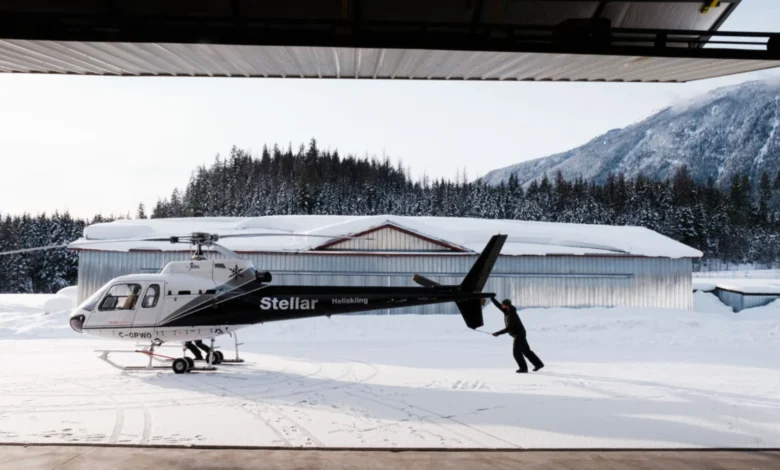
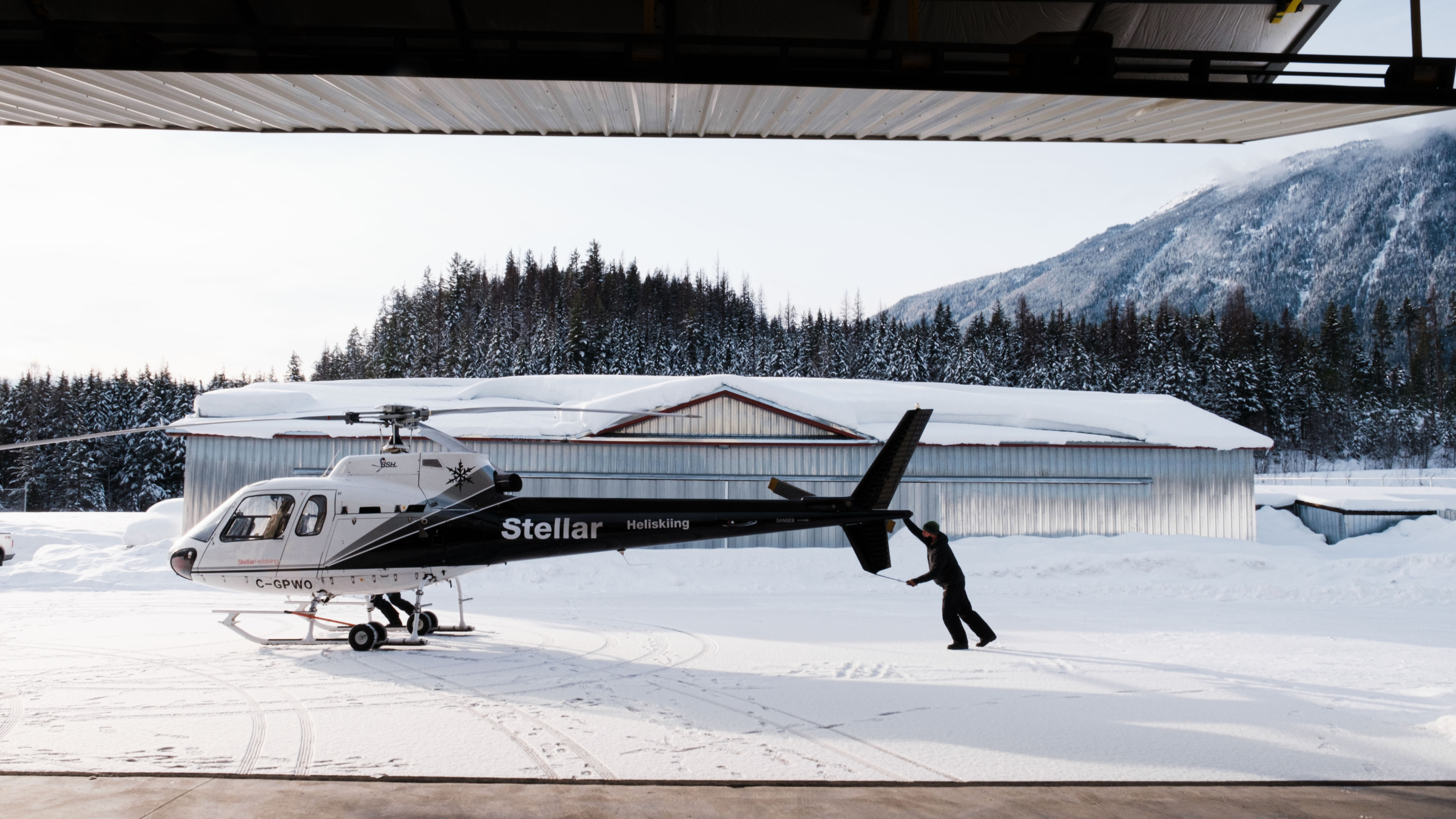
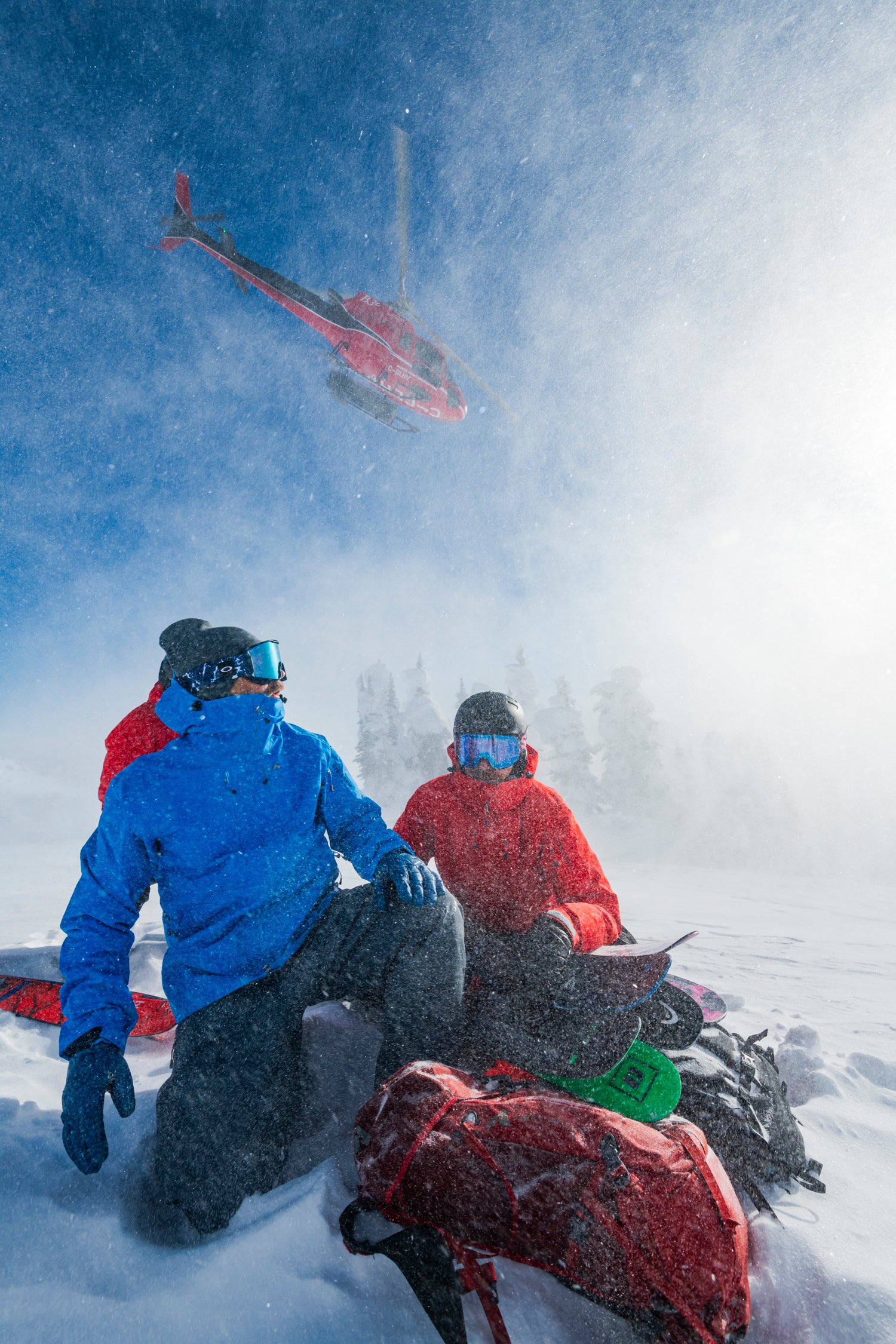
The sensation of heliskiing is defined by a unique synthesis of sensory inputs: the rhythmic vibration of rotor blades, the crystalline sting of wind-blown snow, and the profound silence of untouched alpine terrain. While the sport has long been associated with high-stakes adventure, operations like Stellar Heliskiing, based in the historic village of Kaslo, British Columbia, have pivoted toward a model of refined, small-group accessibility. By blending high-altitude performance with localized hospitality, the organization has carved a distinct niche in the competitive Canadian heliskiing landscape, which sees thousands of visitors annually flock to the interior mountains of British Columbia.
Historical Context and Operational Evolution
Founded in 2005, Stellar Heliskiing emerged during a period of transition for the heliskiing industry. As the sport moved away from large-capacity operations toward more personalized, boutique experiences, Stellar capitalized on the unique geography of the Kootenay region. Located on the western shore of Kootenay Lake, the operation leverages the confluence of the Selkirk and Purcell mountain ranges.
The history of the region itself informs the experience. Kaslo, incorporated in 1893, was once a bustling silver-mining hub. Today, that legacy is preserved in the town’s Victorian-era architecture, which serves as the base of operations for modern-day expeditions. The integration of high-performance mountain sports into a historic, small-town setting has provided a template for sustainable tourism that prioritizes community engagement over mass-market volume.
Strategic Operational Methodology
The core differentiator for Stellar Heliskiing lies in its logistical framework. The company maintains a strict limit of four guests per guide. In an industry where group sizes often dictate the pace of the day, this ratio serves a dual purpose: it optimizes the number of vertical feet skied and enhances safety protocols.
From a technical perspective, this small-group model allows for greater flexibility in terrain selection. Guides can cater to the specific technical proficiencies of their clients, ranging from deep-powder glades in old-growth forests to expansive, high-alpine bowls. This adaptability is critical, as the region receives an average annual snowfall exceeding 600 inches, creating a dynamic snowpack that requires constant assessment and expert navigation.
The Geography of the Powder Highway
The "Powder Highway" is a recognized branding and logistical corridor in southeastern British Columbia, connecting various world-class ski destinations. Stellar’s location in Kaslo places it at a strategic intersection of this route. The geographical placement between the Selkirk and Purcell ranges offers a rare combination of maritime-influenced moisture and continental-style cold temperatures. This meteorological synergy results in the "dry" powder often sought by enthusiasts.
Data regarding the region’s impact on the sport suggests that the Kootenay corridor contributes significantly to British Columbia’s multi-billion dollar tourism economy. By utilizing a regional hub like Kaslo, Stellar minimizes the environmental footprint associated with remote, fly-in-only lodges, allowing for a more integrated connection between the visiting athletes and the local economy.
Logistics and Accessibility Analysis
One of the primary barriers to entry for international heliskiers is the logistical complexity of reaching remote mountain ranges. Stellar Heliskiing has addressed this by positioning itself within a manageable radius of multiple regional and international airports.
- Spokane International Airport (GEG): Located 147 miles south, this serves as the primary gateway for U.S.-based travelers, facilitating a direct drive via the Powder Highway.
- West Kootenay Regional Airport (YCG): Situated 70 miles from the base, this provides regional connectivity for domestic travelers.
- Secondary Hubs: Kelowna (208 miles), Cranbrook (141 miles), and Calgary (603 miles) offer additional flexibility for global travelers.
This infrastructure analysis indicates that while the experience feels remote, the accessibility profile is designed for efficiency, reducing travel fatigue and maximizing the time available for on-snow activities.
Infrastructure and Lodging Standards
The operational philosophy extends to the hospitality component of the trip. Guests are accommodated at the Kaslo Hotel, a 19th-century structure that has been modernized to meet contemporary standards of comfort. This choice reflects a broader trend in luxury adventure travel: the move away from isolated, utilitarian "bunk-house" accommodations toward immersive, community-integrated lodging.
The presence of the Waypoint restaurant—a dining establishment that serves both guests and the local Kaslo population—further reinforces the "no-ego" culture emphasized by the company. By providing a shared space for residents and visitors, the operation fosters a social environment that contrasts with the exclusive, detached nature of larger corporate heliskiing entities.
Safety and Professional Standards
At the center of any professional heliskiing operation is the guide team. Industry standards for heliskiing in British Columbia are among the highest in the world, governed by strict certification requirements through organizations like the Association of Canadian Mountain Guides (ACMG).
Stellar’s approach to group management involves continuous coaching, which serves both a developmental and a safety purpose. By actively assessing skier technique throughout the day, guides can proactively adjust their routing to match the physical stamina of the group. This iterative process ensures that the "first turn to last call" experience remains within the established safety parameters of the day’s snow conditions.
Broader Economic and Industry Implications
The success of operations like Stellar Heliskiing highlights a shift in the winter sports industry toward experiential tourism. As the global skiing market matures, the demand for personalized, high-value experiences is outpacing the demand for high-volume resort skiing.
The economic implications are clear: small-scale, high-value operations provide a resilient model that can withstand fluctuations in the broader tourism market. By maintaining a niche, high-touch service, Stellar is able to command premium pricing while simultaneously reducing the overhead associated with massive base-area developments.
Furthermore, the environmental stewardship required to operate in the Selkirk and Purcell ranges necessitates a cooperative relationship with local environmental agencies. The company’s ability to operate successfully for nearly two decades suggests a sustainable balance between commercial expansion and the preservation of the alpine environment.
Conclusion: The Future of Heliskiing
As technological advancements in helicopter efficiency and safety gear continue to evolve, the heliskiing industry is expected to see further refinement in guest experiences. The model demonstrated by Stellar—prioritizing small groups, localized community integration, and terrain-specific expertise—serves as a benchmark for future operations.
For the contemporary skier, the value of such an experience is measured not just in the number of vertical feet achieved, but in the quality of the interaction with the mountain environment and the culture of the host community. As the industry looks toward the coming winter seasons, the integration of traditional mountain culture with modern, agile logistics will likely remain the gold standard for those seeking to navigate the expansive, snow-laden landscapes of British Columbia. The convergence of history, geography, and professional expertise continues to make the Kootenay region a focal point for the future of global backcountry skiing.
Related posts: