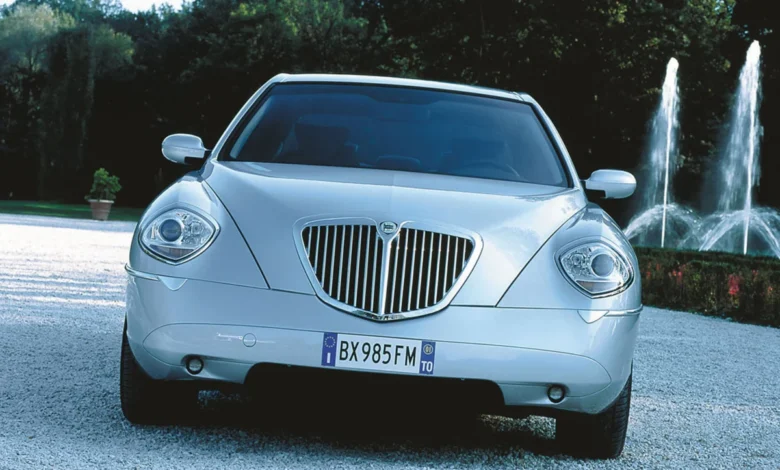
The Lancia Thesis stands as one of the most ambitious and capital-intensive projects in the history of the Italian automotive industry, representing a final, grand attempt by the Fiat Group to re-establish Lancia as a premier competitor in the global executive car market. Launched at the 2001 Geneva Motor Show, the Thesis was designed to challenge the established hegemony of the German "Big Three"—the BMW 5 Series, the Mercedes-Benz E-Class, and the Audi A6. Despite an investment of over €400 million in development and the implementation of pioneering technologies, the Thesis ultimately became a symbol of the brand’s commercial decline, with fewer than 20,000 units produced during its eight-year production run.
A Bespoke Vision for Italian Luxury
Unlike many of its predecessors, which often shared platforms with more pedestrian Fiat models to save costs, the Thesis was built on a dedicated, bespoke chassis. This decision underscored Lancia’s commitment to creating a vehicle with a unique driving character. The engineering team focused heavily on ride quality and technical sophistication, utilizing a complex multi-link suspension system similar to that found in high-performance Maserati models, including the Spyder, GranTurismo, and Quattroporte.
This Maserati-derived suspension was paired with a semi-active damping system known as "Skyhook," developed in collaboration with Mannesmann Sachs. This technology used sensors to monitor road conditions and body movement, adjusting the dampers in milliseconds to provide a "magic carpet" ride. Furthermore, the Thesis was a technological trailblazer for the Fiat Group, becoming the first Lancia to feature radar-guided adaptive cruise control, a feature that was then in its infancy even among high-end luxury marques.
The Design Evolution: From Dialogos to Production
The aesthetic roots of the Thesis can be traced back to the 1998 Lancia Dialogos concept car, designed under the direction of Mike Robinson. The Dialogos was a radical vision of the "living room on wheels," featuring a minimalist interior, a wooden floor, and rear-hinged "suicide" doors. It was intended to move Lancia away from its rally-bred image of the 1980s and toward a future of "neo-classical" elegance.
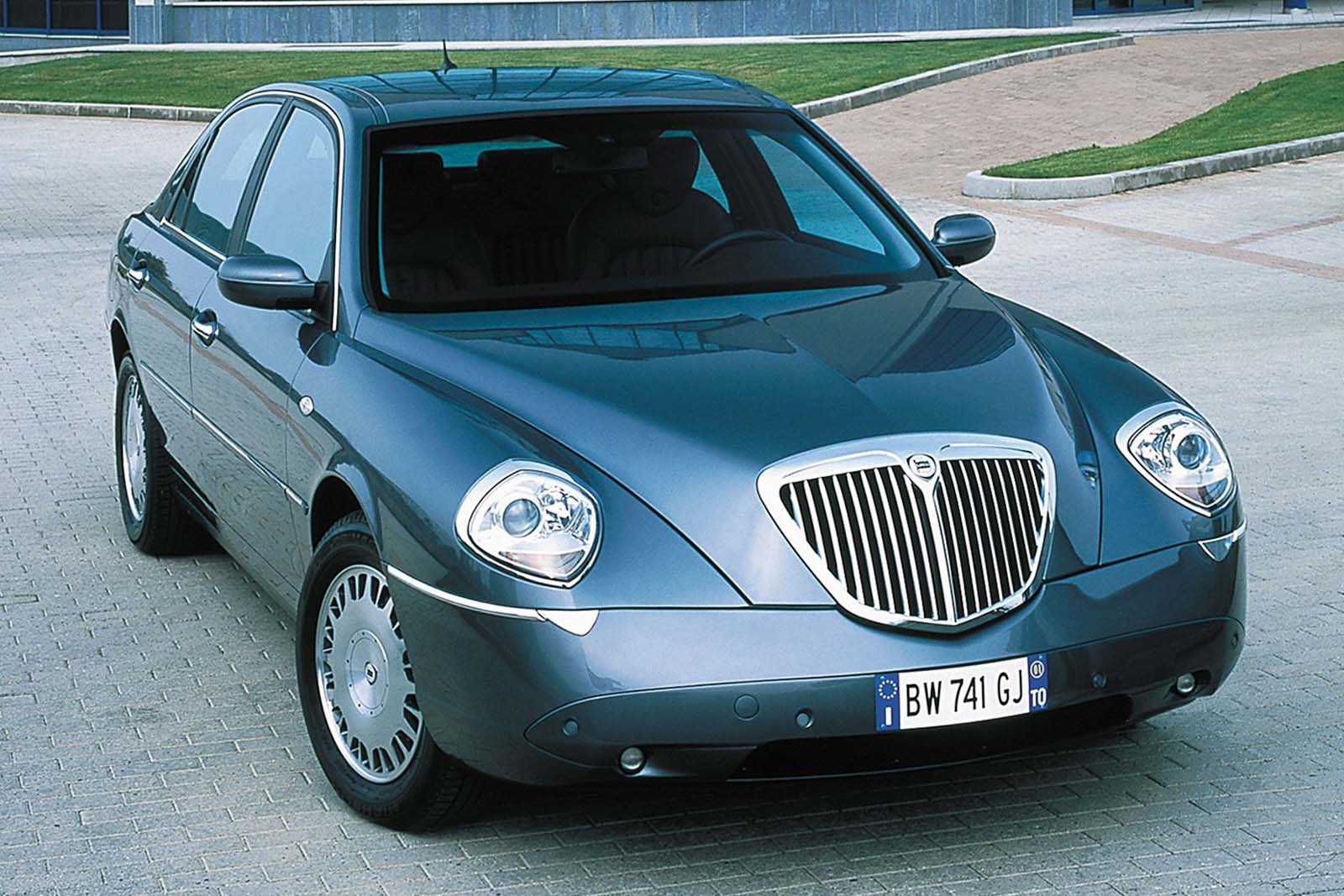
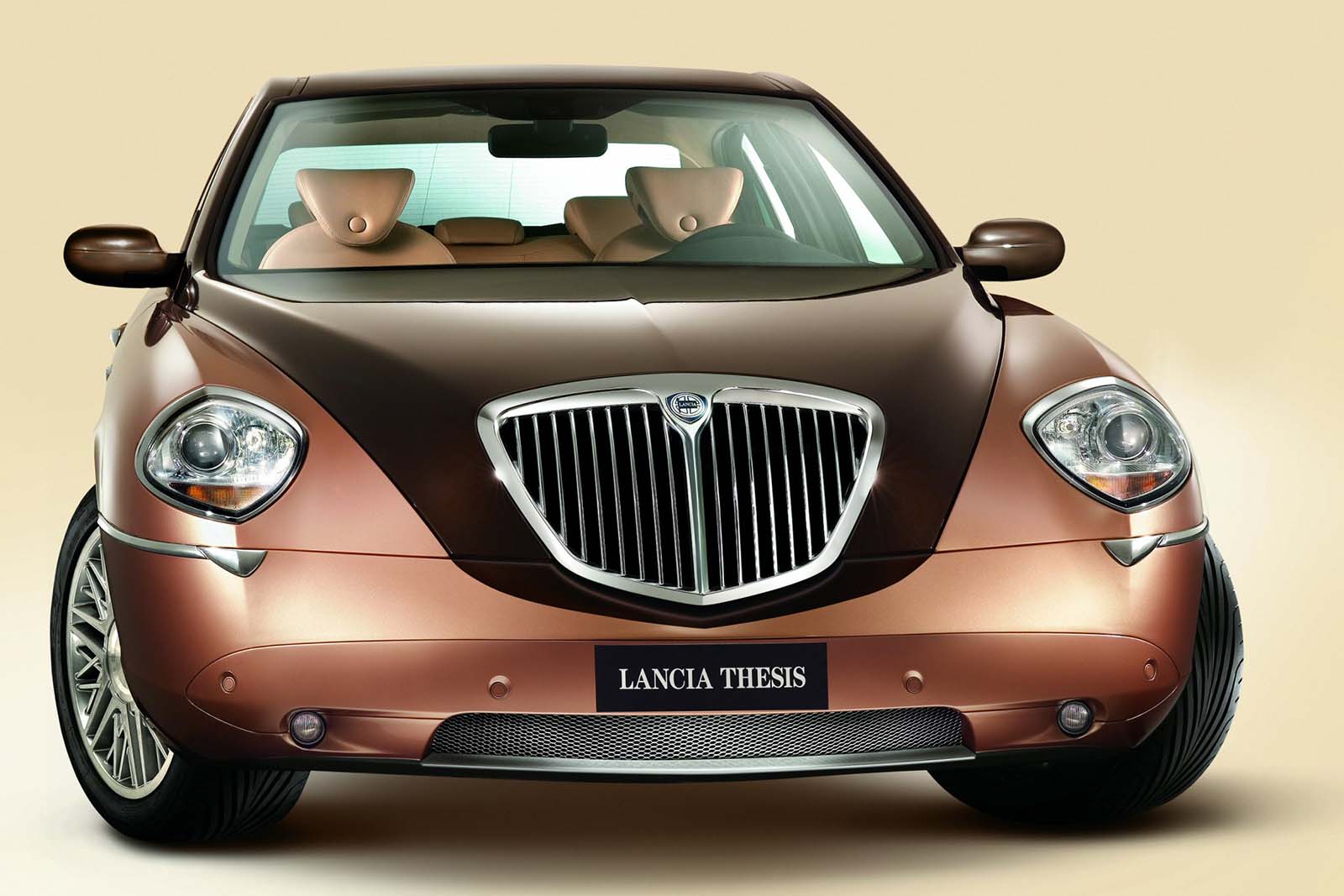
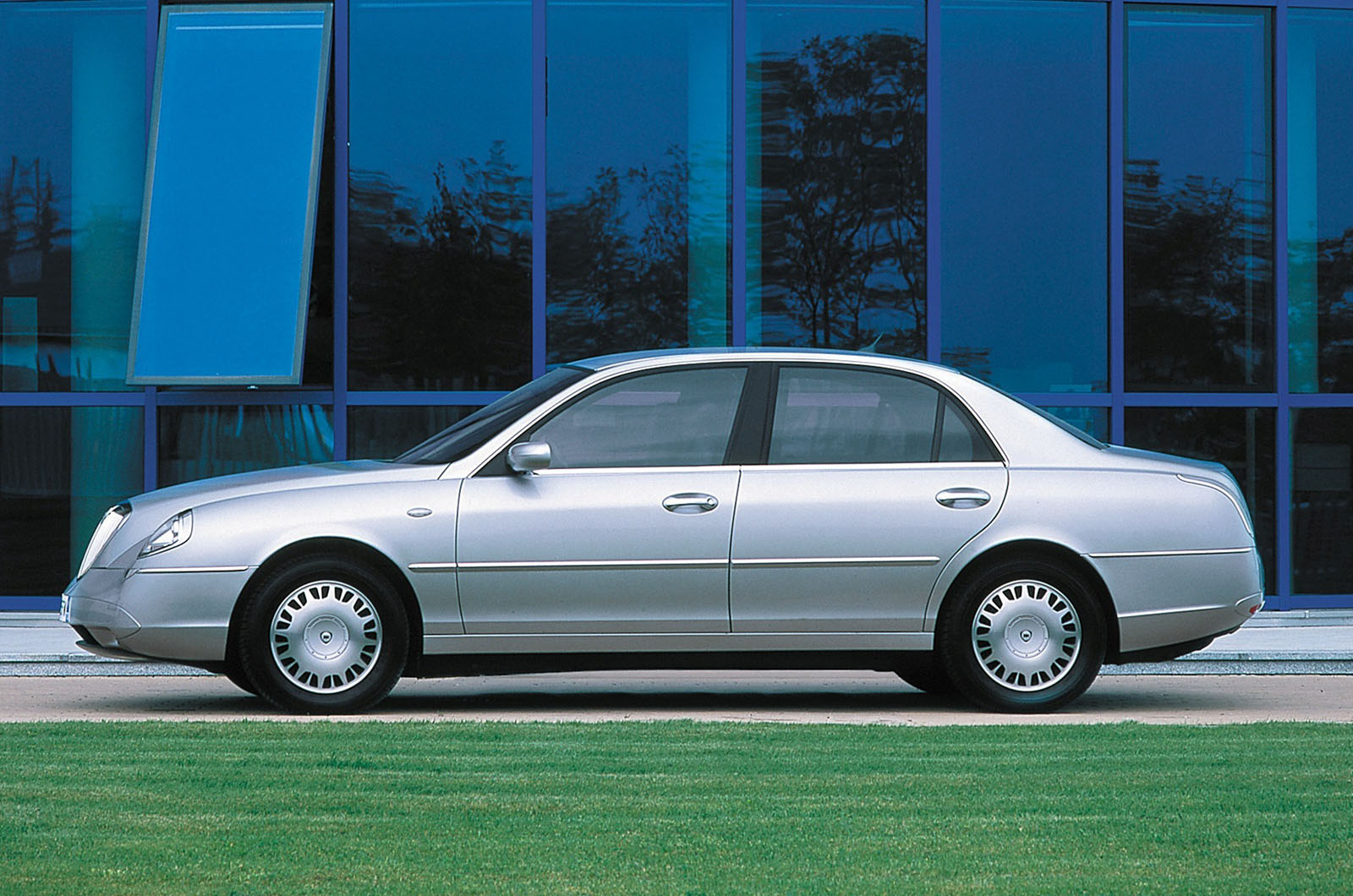
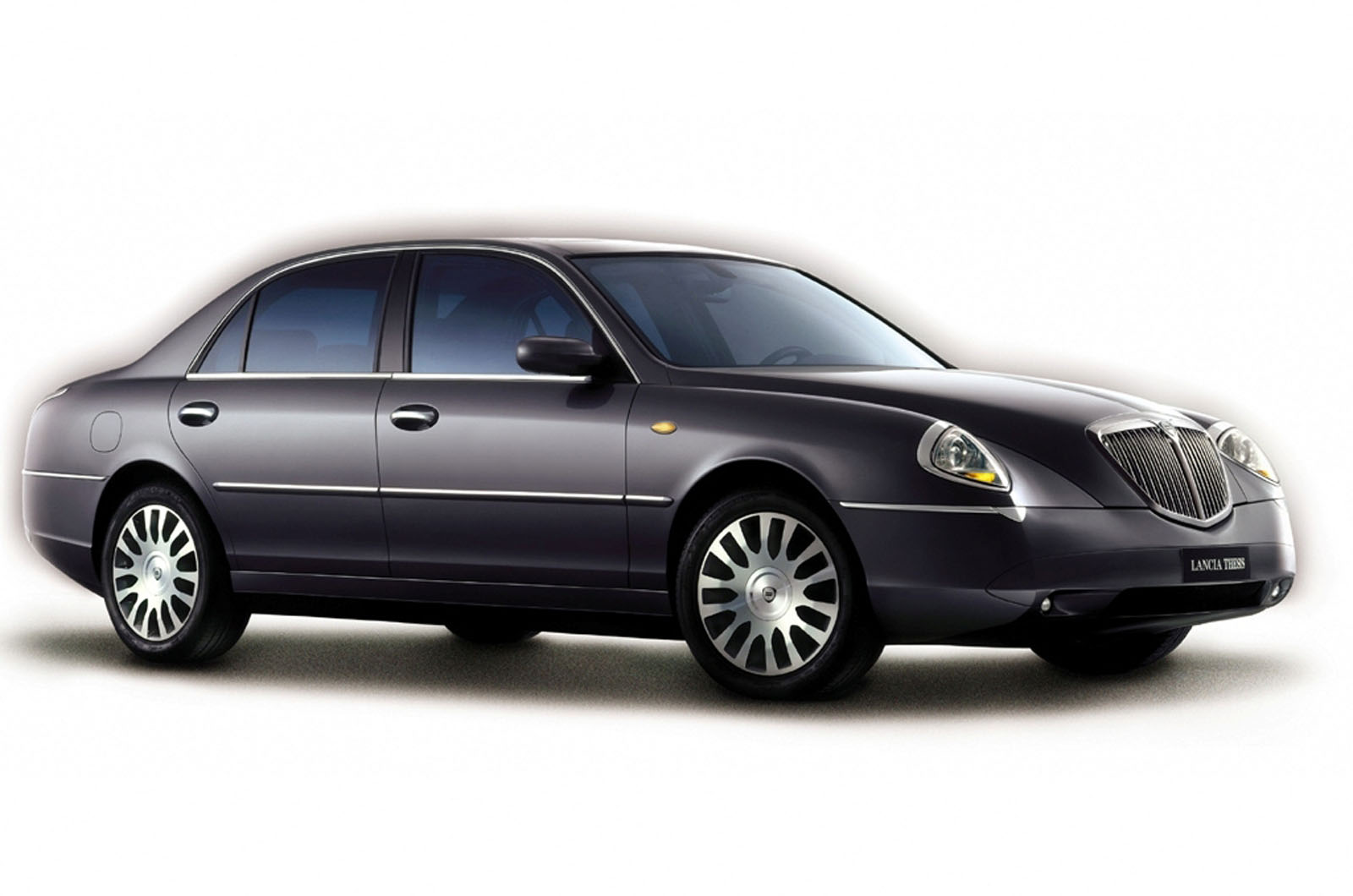
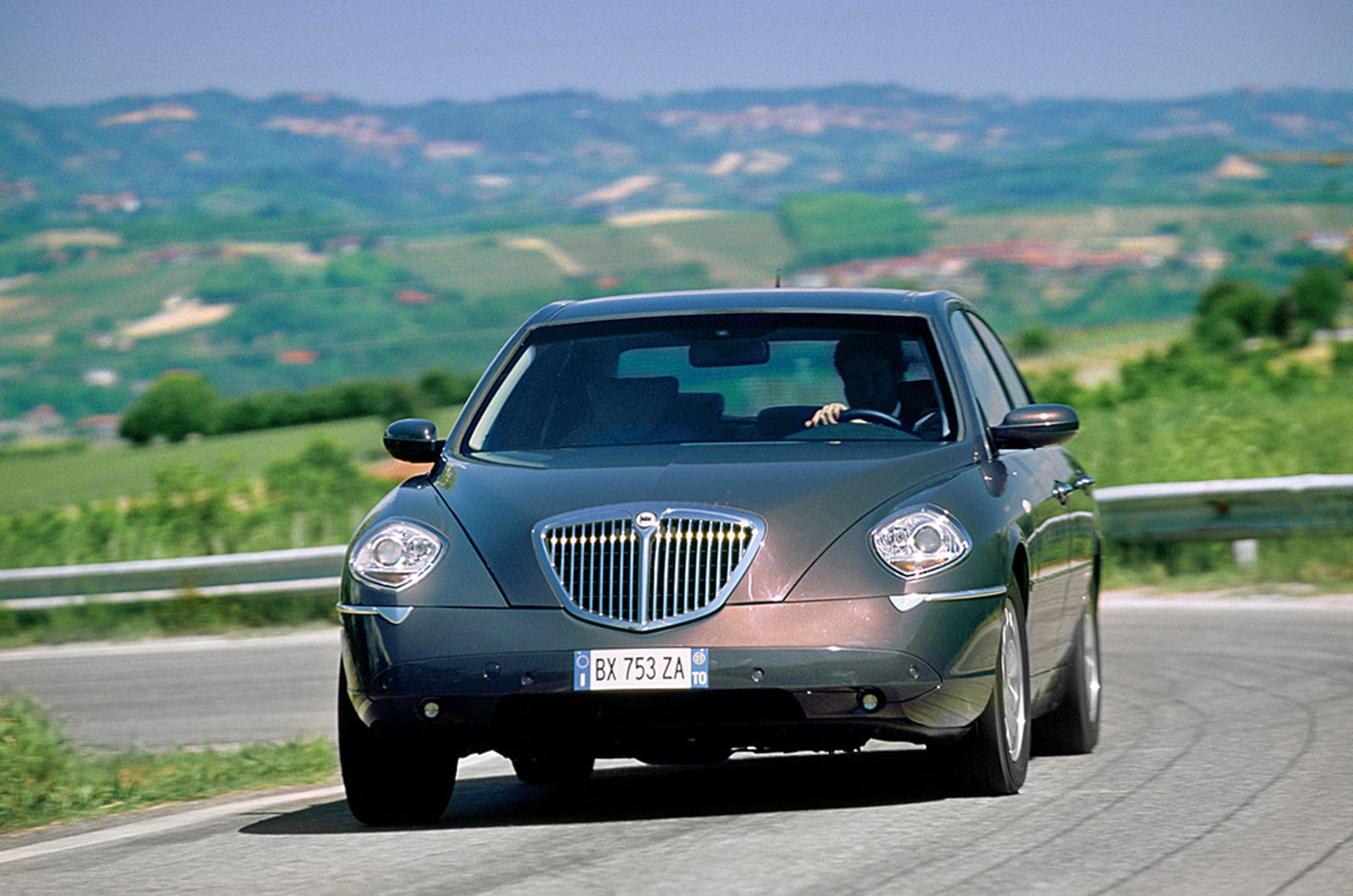
When the production Thesis arrived, however, much of the Dialogos’s avant-garde purity had been compromised. While it retained the striking "medieval shield" chrome grille and the distinctive, vertically oriented LED "gothic" taillights, the side profile was criticized for being overly conservative. Industry analysts at the time noted that the car’s midsection lacked the character of its nose and tail, creating a visual disconnect that many buyers in the executive segment found jarring. The decision to move away from the concept’s suicide doors and clean flanks toward a more traditional three-box sedan shape was seen by some as a failure of nerve on the part of Lancia’s management.
Technical Specifications and Powertrains
To compete with German rivals, Lancia offered a range of sophisticated engines. At the top of the range sat the legendary 3.2-liter "Busso" V6, an engine celebrated for its acoustic profile and smooth power delivery, producing approximately 230 horsepower. For the European market, where diesel was becoming dominant in the executive sector, Lancia provided the 2.4-liter JTD five-cylinder turbodiesel, which became the most popular choice for fleet and government use.
The powertrain lineup included:
- 2.0L Turbo 20V: A five-cylinder petrol engine producing 185 hp.
- 2.4L 20V: A naturally aspirated five-cylinder petrol engine producing 170 hp.
- 3.0L and 3.2L V6: The flagship petrol engines sourced from Alfa Romeo.
- 2.4L JTD/Multijet: Diesel variants ranging from 150 hp to 185 hp.
Transmission options included a six-speed manual and a five-speed "Comfortronic" automatic, the latter of which was designed to prioritize smooth shifts over sporting performance, aligning with the car’s mission as a long-distance cruiser.
Interior Craftsmanship and Human-Machine Interface
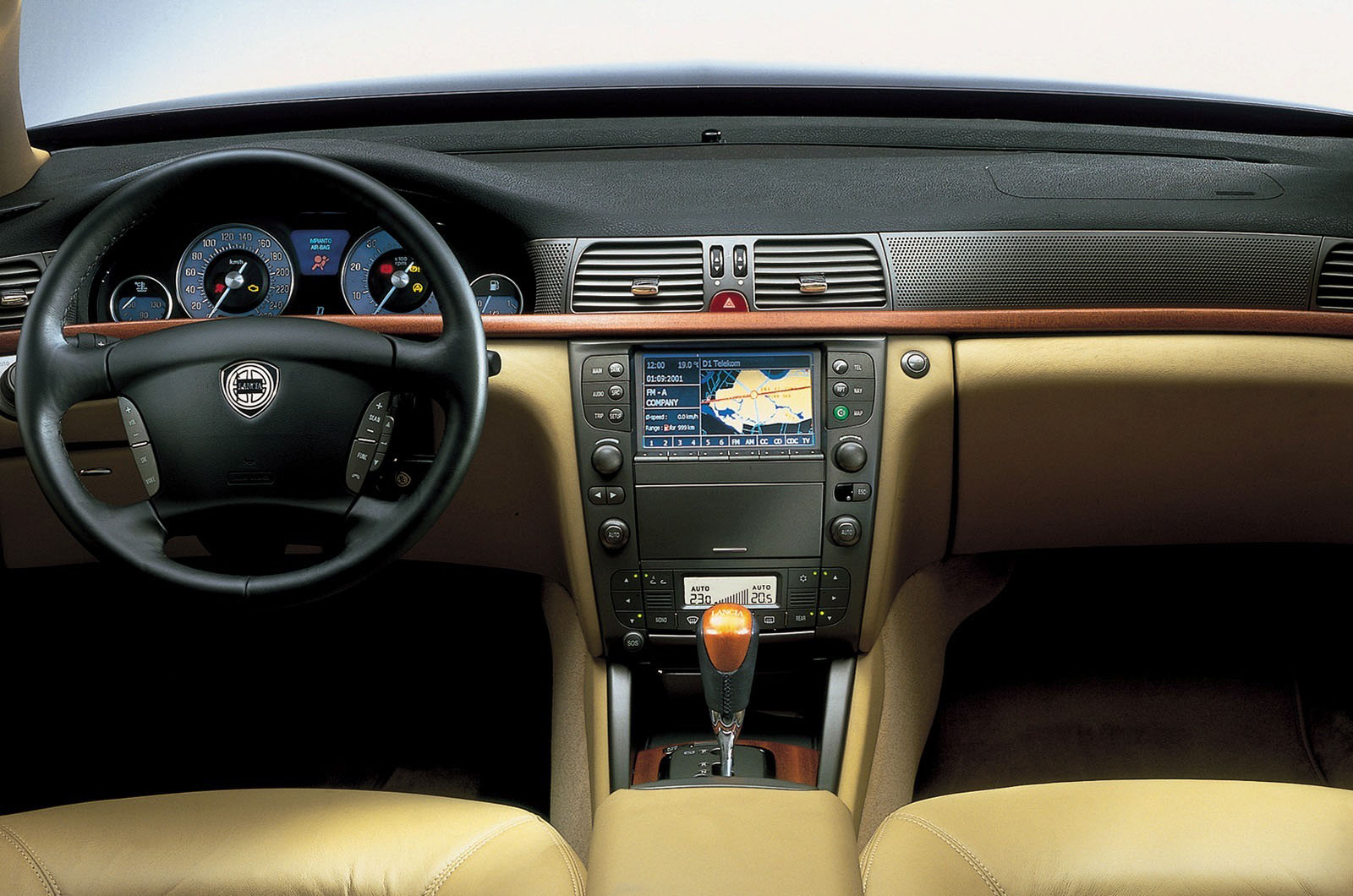
If the exterior of the Thesis was polarizing, the interior was almost universally praised for its material quality and atmosphere. Lancia sought to create an environment that felt more like a boutique hotel than a traditional automobile. The cabin featured extensive use of magnesium, high-quality wood veneers, and Alcantara or Poltrona Frau leather.
The Thesis introduced several luxury features that were ahead of their time for a non-German executive car:
- Three-Zone Climate Control: Allowing personalized settings for the driver, front passenger, and rear occupants.
- Ventilated and Massaging Seats: Available for both front and rear passengers, a rarity in the E-segment at the turn of the century.
- Solar-Powered Sunroof: A feature that could power the ventilation fans while the car was parked to keep the cabin cool.
- Keyless Entry and Start: An early implementation of the technology within the Fiat Group.
Despite these luxuries, the car’s infotainment system was often cited as a weak point, lacking the intuitive nature of BMW’s iDrive or Audi’s MMI systems which were emerging during the same era.
Chronology of Development and Market Lifecycle
The timeline of the Lancia Thesis reflects a period of great transition and eventual struggle for the Lancia brand:
- 1998: The Dialogos concept is unveiled at the Turin Motor Show, signaling a new design direction.
- 2001: The Lancia Thesis makes its official debut at the Geneva Motor Show. Production begins late in the year.
- 2002: Commercial sales commence across mainland Europe. The car is adopted as the official state vehicle for the President of the Italian Republic.
- 2003-2005: Lancia introduces the "Stola S85" limousine version at the Geneva Motor Show to demonstrate the platform’s luxury potential.
- 2007: A minor facelift and engine updates are introduced to meet Euro 4 emissions standards.
- 2009: Production officially ceases. The Thesis is replaced in 2011 by the Lancia Thema, a rebadged version of the Chrysler 300, marking the end of Lancia’s bespoke executive platform development.
Commercial Performance and Critical Reception
The commercial failure of the Thesis was stark. Lancia had originally projected annual sales of 13,000 to 25,000 units. However, over its entire eight-year lifespan, total production reached only approximately 16,000 units. Several factors contributed to this outcome.
Firstly, the car was never produced in right-hand drive, excluding it from the significant UK market and other Commonwealth nations. Secondly, Lancia’s brand equity outside of Italy had eroded significantly since the 1980s. Buyers in Germany, France, and the UK were hesitant to invest in an expensive, complex Italian luxury car with a perceived history of reliability issues.
Critically, the car received a mixed reception. While journalists praised the interior and the "Skyhook" suspension’s ability to smooth out long undulations, the car struggled with sharp, high-frequency impacts. Testing revealed that the chassis could not entirely suppress the vibrations caused by motorway expansion joints, leading to minor but noticeable interior rattles—a flaw that was unforgivable in a segment where "vault-like" build quality was the industry standard set by Mercedes-Benz.
Institutional Role and Cultural Impact
Despite its low sales to private buyers, the Lancia Thesis maintained a high profile in Italy due to its role as an institutional vehicle. It was the "Auto Blu" of choice for high-ranking government officials, Vatican dignitaries, and captains of industry. The "Thesis Stola S85," a stretched version featuring a glass roof and even more opulent interior appointments, was used to showcase Italian craftsmanship on the world stage.
This institutional association, however, may have further hampered its appeal to younger, self-driving executives, who viewed the car as a vehicle for the "establishment" rather than a dynamic alternative to a BMW.
Analysis of Implications and Legacy
The failure of the Lancia Thesis had profound implications for the Fiat Group and the Lancia brand. The high development costs and low return on investment contributed to the decision to stop developing unique platforms for Lancia. This led to a period of "badge engineering," where Lancia models became slightly modified versions of Fiats or, later, Chryslers.
In the context of automotive history, the Thesis is now viewed with a degree of nostalgic appreciation. Collectors and enthusiasts value it for its rarity, its "Busso" V6 engine, and its unapologetically Italian approach to luxury. It represents the end of an era—the last time an Italian manufacturer attempted to build a mass-production executive sedan that did not rely on shared components from a parent company’s economy models.
Ultimately, the Lancia Thesis serves as a case study in the difficulties of brand repositioning. While the engineering and interior were, in many ways, world-class, the polarizing exterior design and the brand’s weakened international reputation proved to be insurmountable obstacles. It remains a "mysterious allure" on the road—a car that offered a genuine alternative to the German status quo but arrived at a time when the market was no longer willing to take a risk on Lancia’s grand vision.