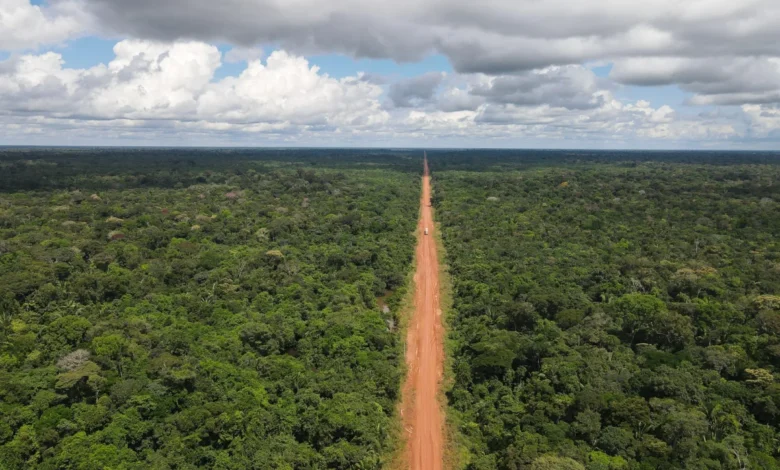
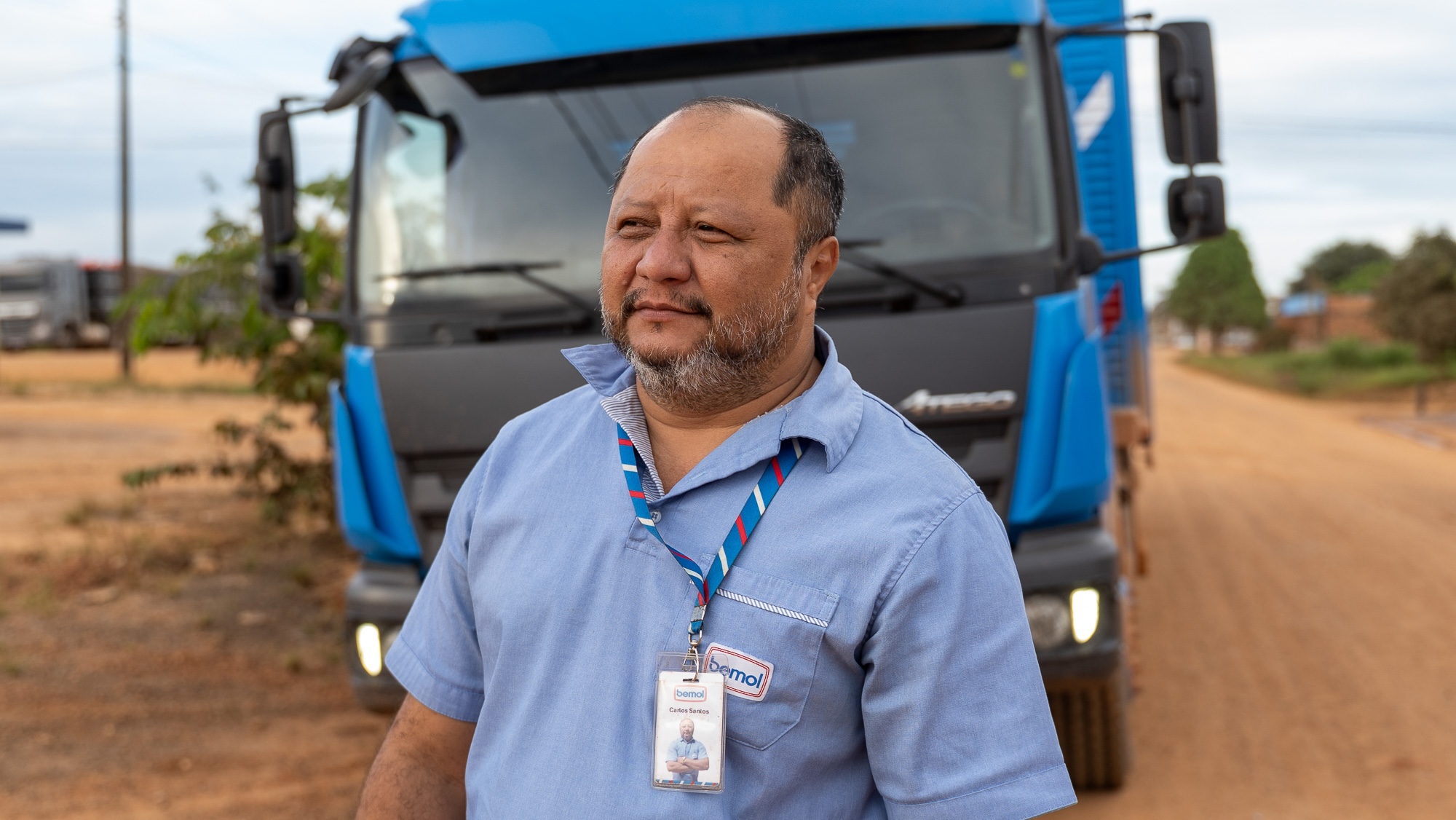
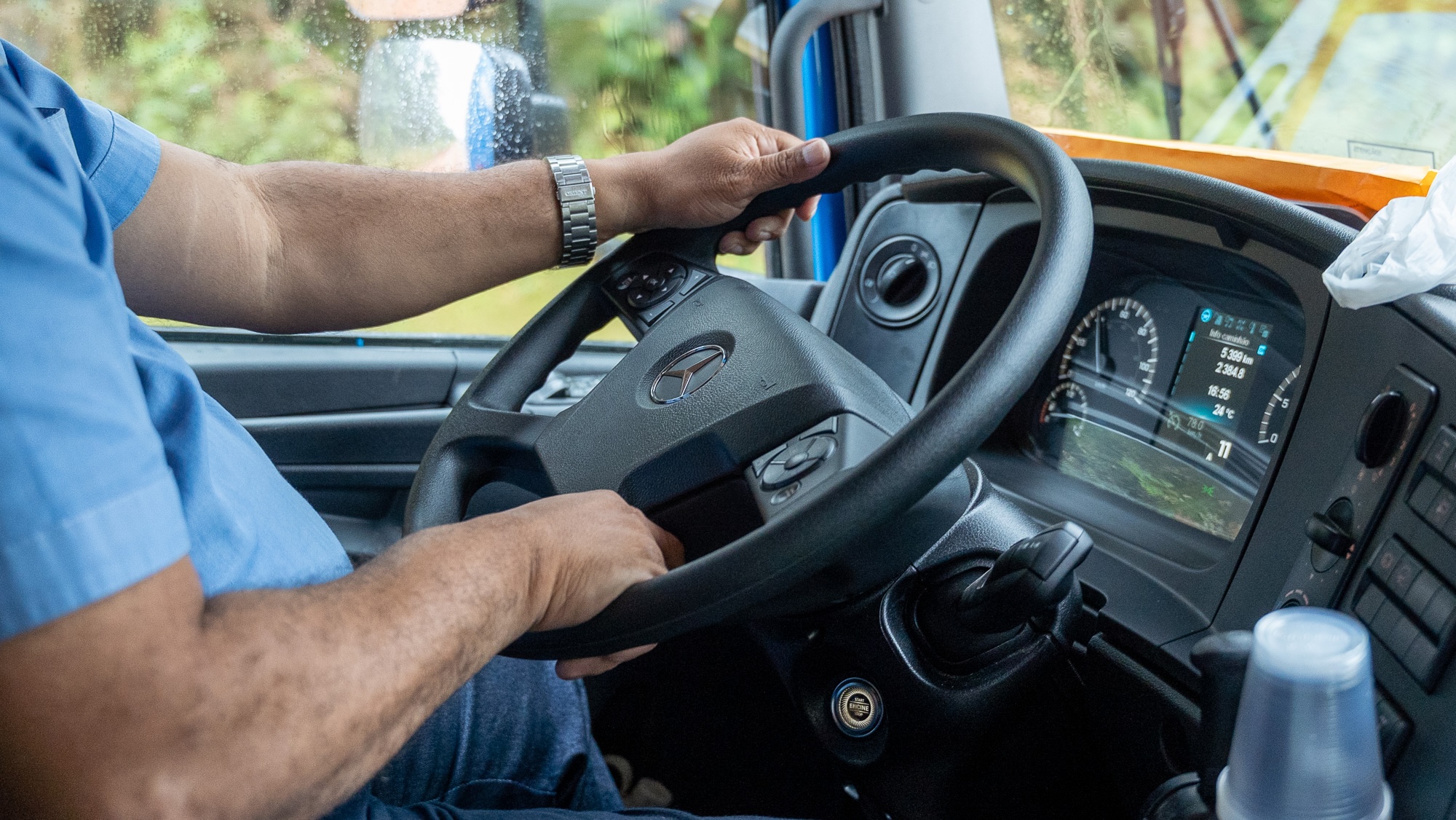
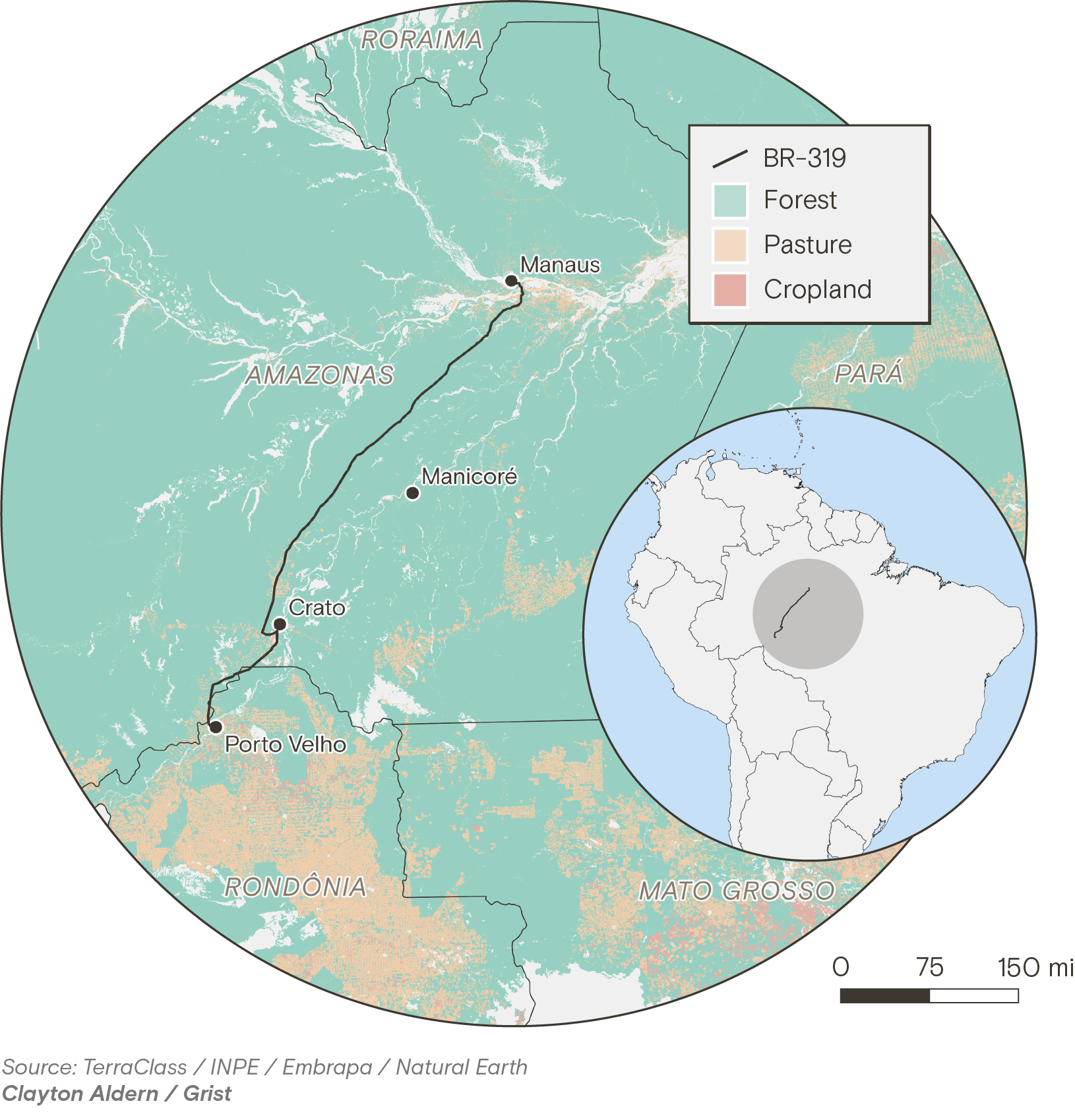
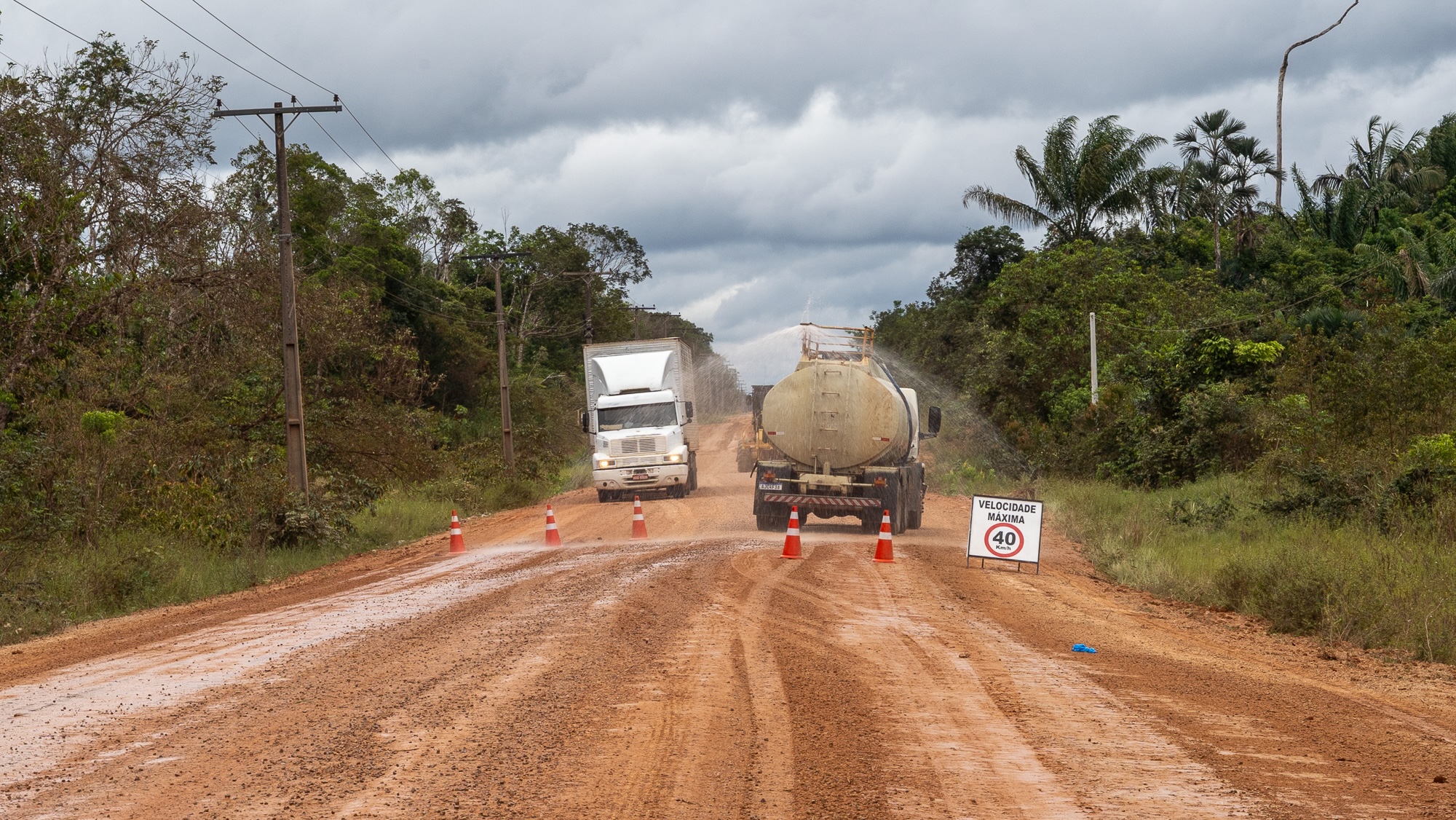
For decades, the journey across Brazil’s BR-319 highway has tested the absolute limits of human endurance, mechanical reliability, and environmental resilience. Stretching 540 miles between Manaus, the sprawling industrial capital of Amazonas, and Porto Velho in Rondônia, the dirt road is the sole overland link connecting the vast state of Amazonas—an area twice the size of Texas with a population of 4.2 million—to the rest of the country. For truck drivers like Carlos Santos, navigating the corridor has long meant surviving weeks stranded in the dense jungle, rationing food and water, dodging jaguars and tapirs from a truck cabin, and physically hauling vehicles out of treacherous, crater-sized mud pits.
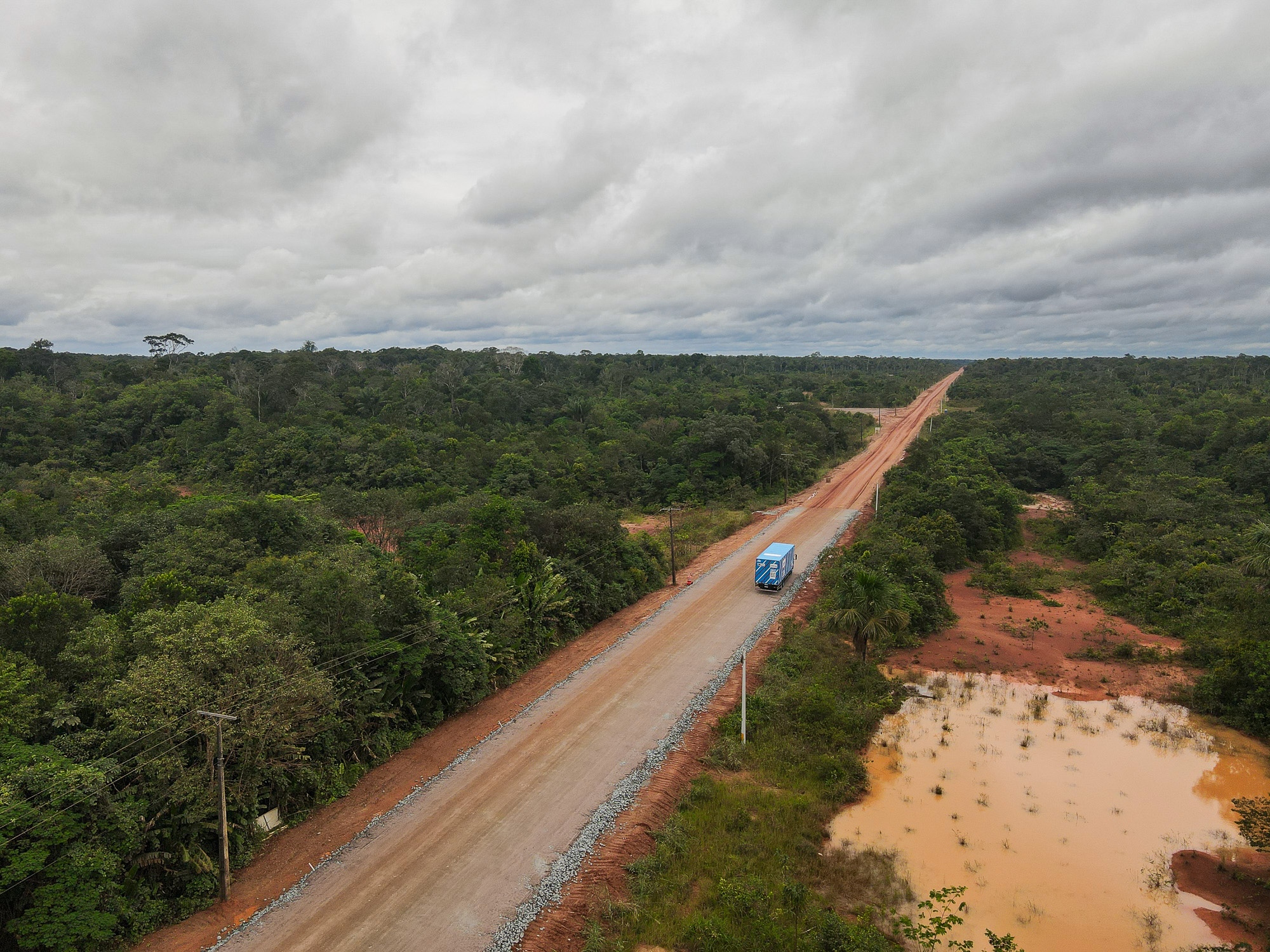
Yet, the grueling physical challenges of the route are rapidly shifting into a geopolitical and environmental crisis. Driven by decades of regional isolation, economic pressure, and shifting political administrations, the Brazilian government is moving forward with plans to fully asphalt the BR-319. While proponents hail the multi-million-dollar paving project as a vital lifeline for economic development and supply-chain security, scientists, environmental organizations, and Indigenous communities warn that the asphalt will act as a catalyst for a catastrophic deforestation boom, threatening global climate stability and indigenous sovereignty.
Historical Origins and the Road-Building Legacy of Amazon Deforestation
The history of ecological fragmentation in the Brazilian Amazon is inextricably linked to the expansion of infrastructure. In the 1970s, the country’s military dictatorship launched an aggressive colonization initiative, constructing major roadways to settle and integrate the northern biome. Historical data indicates that an area roughly the size of Spain has been deforested in the Amazon over the past four decades, with an astounding 94 percent of that destruction occurring within three miles of an established road network. Often, the mere announcement or speculation of road paving is sufficient to trigger aggressive land speculation and illegal clearings.
Originally fully paved when it opened in 1976, the BR-319 quickly succumbed to the punishing realities of the Amazonian climate. The low-lying terrain, combined with intense wet and dry seasons, rapidly eroded the asphalt. By 1988, bus companies had abandoned the route, wooden bridges had rotted away, and the encroaching rainforest rendered the highway virtually impassable, reducing it to a forgotten corridor utilized only by isolated rural settlements and occasional adventurers.
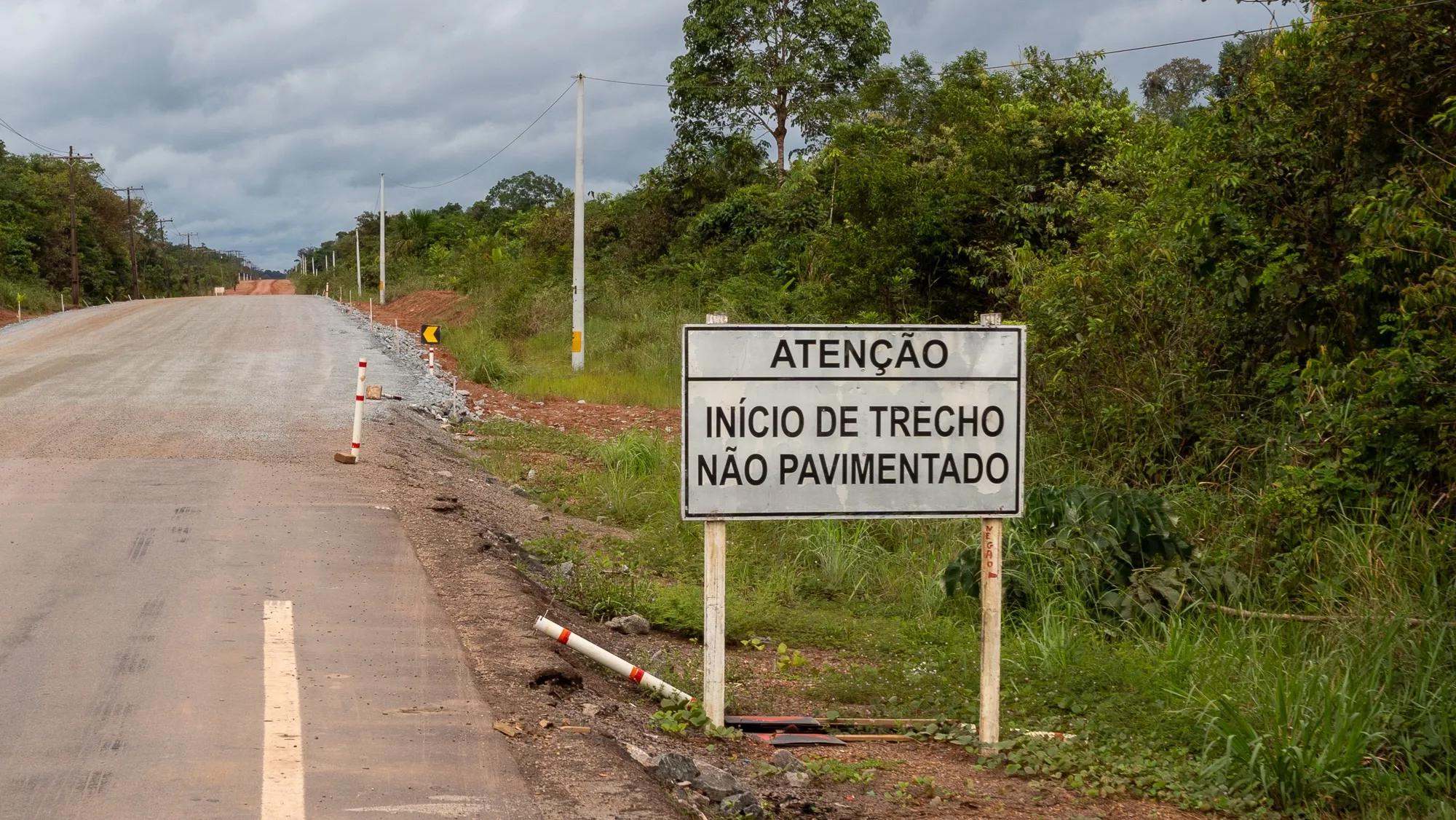
The route remained largely dormant until 2015, when federal regulators issued a limited license authorizing basic cleanup, bridge repairs, and maintenance—though explicitly excluding full repaving. Traffic steadily returned, bringing a resurgence of economic activity alongside a parallel rise in unregulated exploitation.
Political Shifts and the Legal Pathways to Paving
The political landscape surrounding the highway shifted dramatically following the 2018 election of former President Jair Bolsonaro. A far-right former army captain who systematically weakened environmental regulations, Bolsonaro championed the complete repaving of the BR-319 to appease loggers, miners, and agribusiness factions. The mere promise of asphalt triggered a 122 percent surge in deforestation within the surrounding highway corridor between 2020 and 2022, vastly outpacing the broader deforestation rates of the Amazon basin.
Although federal courts repeatedly blocked the project due to severe deficiencies in environmental licensing, the political momentum proved durable. In 2025, Brazil’s pro-agribusiness Congress passed a sweeping legislative reform allowing infrastructure work on pre-existing roads to bypass environmental licensing protocols entirely. Despite a partial veto by President Luiz Inácio Lula da Silva, Congress overrode the executive branch, clearing the legal path for the Ministry of Transportation to open bidding for heavy construction contracts. Transport Minister George Santoro announced that the entire route would soon be under active construction.
President Lula, who returned to office in 2022 on a broad anti-Bolsonaro coalition that included prominent environmentalist Marina Silva, has walked a precarious political tightrope. While federal data shows that overall deforestation rates have declined compared to the Bolsonaro era, the administration has struggled to halt the legislative rollbacks pushed by Congress. Recognizing that opposing the paving project would carry heavy political costs in the isolated Amazonian region, Lula formally endorsed the initiative, culminating in a presidential photo-op on the highway in May and subsequent decrees establishing protected conservation areas.
Socioeconomic Pressures and Regional Isolation
For the residents of Amazonas, the demand for a paved highway is rooted in profound economic isolation and developmental inequality. Amazonas ranks among the lowest in GDP per capita among Brazil’s 26 states and the federal district, trailing national averages in healthcare, education, and infrastructure access. Currently, the vast majority of consumer goods, industrial supplies, and pharmaceuticals entering and leaving Manaus—a major manufacturing hub supported by decades-old federal tax incentives—must travel by boat or air.
Supporters argue that river-navigation disruptions caused by increasingly severe droughts, which have crippled regional waterways in recent years, make an all-weather overland route indispensable. Business owners, local politicians, and everyday citizens frequently ask why their state should be denied the basic connectivity enjoyed by the rest of the nation. For transport workers like Santos, who have spent their lives enduring broken backs and dangerous conditions, the road represents dignity, economic integration, and the end of geographic marginalization.
Ecological Risks and the Threat of the Fishbone Phenomenon
Despite local economic arguments, the scientific consensus regarding the unrestricted paving of the BR-319 remains dire. The Amazon biome currently stores an estimated 150 to 200 billion tons of carbon in its vegetation and soils, serving as a critical global carbon sink that offsets fossil fuel emissions. When forest is cleared and burned, that carbon is released into the atmosphere, accelerating global climate change.
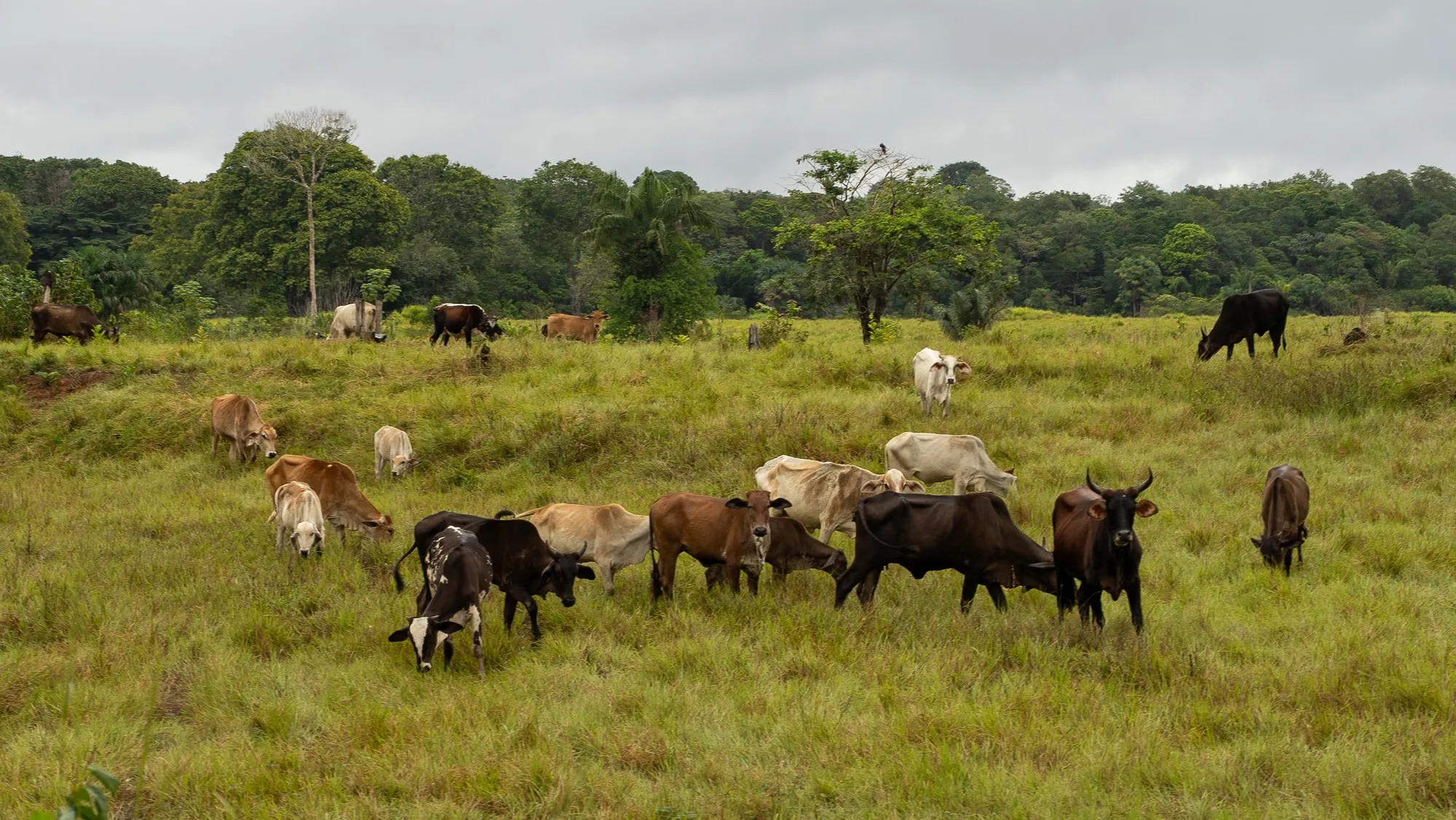
Researchers and academic institutions have modeled the long-term impacts of the asphalt project extensively. A prominent study led by Britaldo Soares-Filho at the Federal University of Minas Gerais projected that paving the BR-319 will drive secondary deforestation capable of emitting 8 billion tons of carbon dioxide by 2050—four times the emissions expected if the road remained unpaved but maintained. Furthermore, experts warn of the "fishbone phenomenon," a spatial pattern where major highways serve as a central spine, spawning an intricate network of illegal side roads cut by land-grabbers, illegal loggers, and wildcat miners.
Data shows that even prior to full asphalt laying, the secondary road network branching off the BR-319 is already nearly six times longer than the highway itself. These unauthorized side roads penetrate deep into pristine public lands, facilitating rapid timber extraction, cattle ranching, and subsequent land-titling claims.
Indigenous Resistance and Governance Deficits
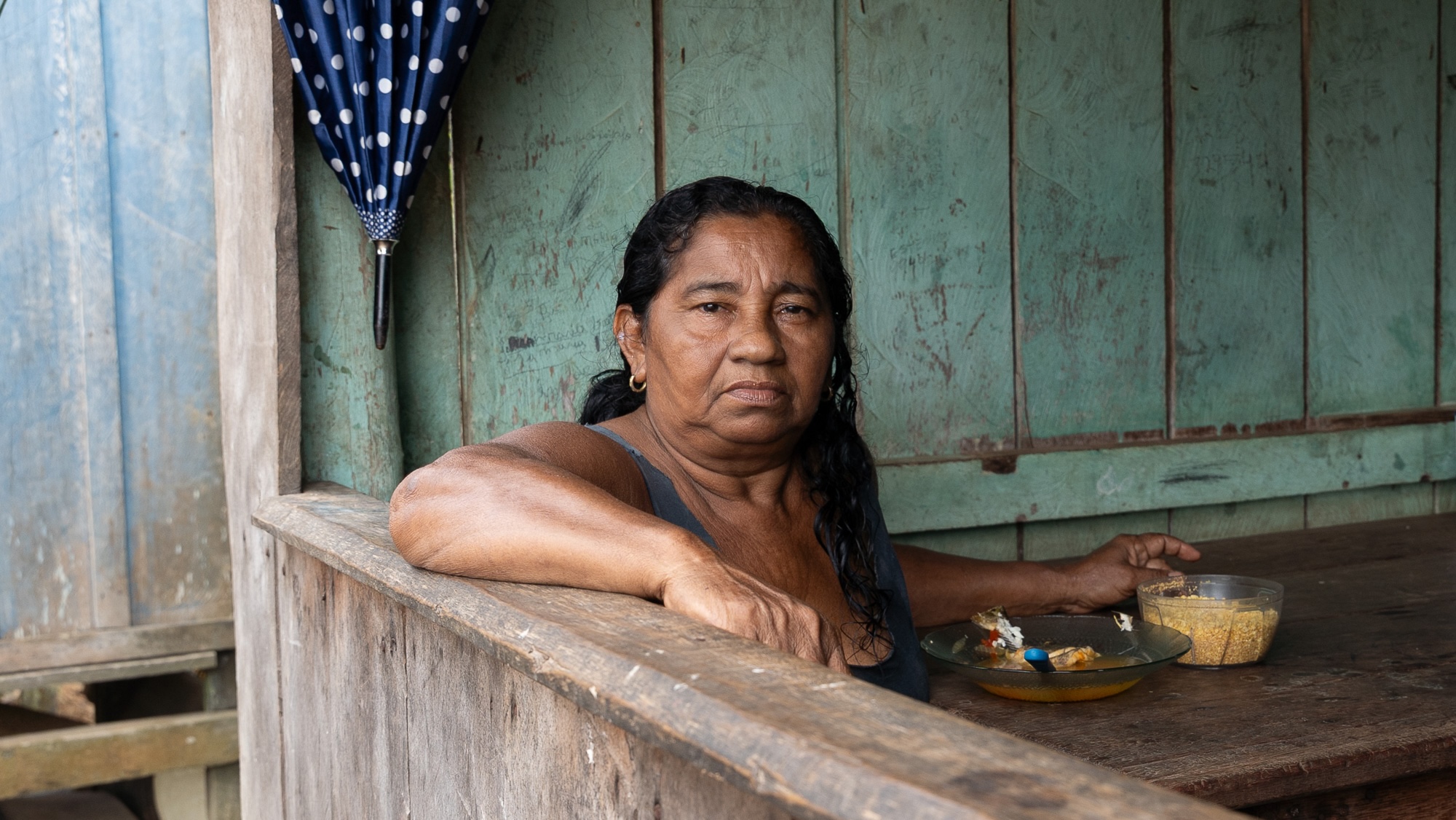
The ecological and social fallout extends directly to the region’s original inhabitants. The BR-319 project directly impacts 69 designated Indigenous territories encompassing at least 13 distinct ethnic groups and over 18,000 individuals, including groups living in voluntary isolation. Indigenous leaders, such as Mariazinha Baré of the APIAN coordination network, have repeatedly denounced the lack of prior, free, and informed consultation mandated by Brazilian and international law. Incidents of violent land invasions, illegal clearings, and environmental contamination—such as the reported use of toxic herbicides like 2,4-D near Mura community lands—have escalated as traffic and land speculation along the corridor have increased.
In response to mounting domestic and international pressure, the federal government announced plans to allocate a portion of the R$1.5 billion ($300 million) construction budget toward an environmental governance plan. This framework includes creating wildlife bridges, stepping up monitoring, and establishing a 60-mile protected buffer zone along the route. In September, President Lula decreed the formation of four new conservation units spanning 2,600 square miles around the highway.
However, environmental watchdogs remain highly skeptical. Critics point out that the designated conservation area falls significantly short of the nearly 14,000 square miles initially discussed in closed-door government meetings. Furthermore, enforcement agencies such as IBAMA remain chronically understaffed, lacking physical checkpoints, police infrastructure, or operational bases along the remote highway. Analysts argue that without immediate structural measures, robust pre-paving protections, and guaranteed legal enforcement, these conservation units will remain mere paper parks, leaving the heart of the Amazon vulnerable to irreversible fragmentation and pushing the global climate system closer to a catastrophic tipping point.