The Evolution of Global Connectivity: How Holafly Plans are Reshaping International Roaming for the Modern Traveler

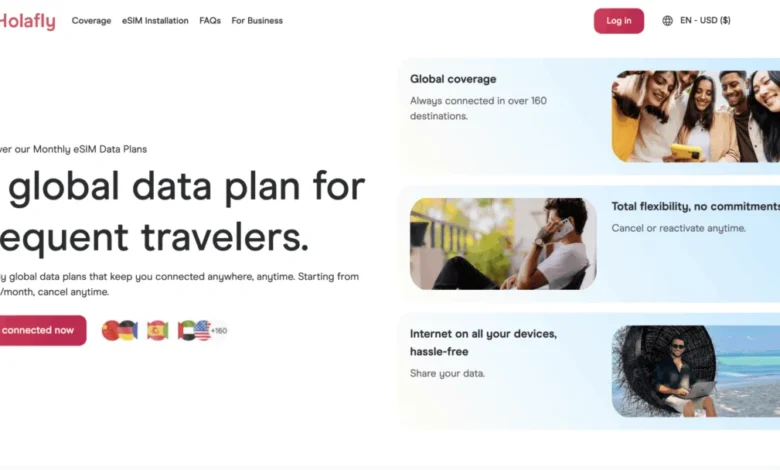
The landscape of international telecommunications has undergone a significant transformation with the introduction of subscription-based eSIM technology. For decades, international travelers were tethered to the antiquated model of physical SIM card swapping, roaming fees from domestic carriers, or the cumbersome logistics of sourcing local connectivity upon arrival. The recent launch of Holafly Plans marks a departure from these traditional constraints, offering a unified, subscription-based global eSIM service that covers over 160 destinations under a single digital profile. This shift reflects broader trends in the telecommunications industry toward software-defined networking and the increasing reliance of the global workforce on uninterrupted, high-speed mobile data.
Historical Context of International Connectivity
Historically, the mobile roaming experience was defined by predatory pricing structures. Major domestic carriers in the United States and Europe frequently charged premium daily rates—often ranging from $10 to $20 per day—for access to limited data roaming. This model created significant financial friction for travelers, particularly those moving between multiple jurisdictions.
The advent of eSIM (embedded SIM) technology, which allows for the digital activation of cellular plans without physical hardware replacement, provided the first major technological solution. Initially, eSIMs were utilized primarily for single-trip, country-specific data packages. While these were more cost-effective than legacy roaming passes, they still required users to manage multiple QR codes, navigate disparate activation processes, and frequently re-authenticate upon crossing international borders. The introduction of the Holafly Plans subscription model aims to solve the "fragmentation" problem by providing a permanent, cross-border connection that functions similarly to a domestic carrier’s unlimited plan, but without the geographical limitations.
Operational Mechanics and Technical Specifications
At its core, the Holafly Plans service operates on a cloud-based infrastructure that allows for seamless switching between local networks in over 160 countries. Unlike standard eSIMs that expire at the conclusion of a pre-defined period, this subscription model is continuous. Upon initial installation—a process requiring a one-time scan of a QR code—the device communicates with a global management platform that negotiates local network access in real-time as the user traverses borders.

The service is currently offered in two primary tiers: the "Light" plan, which provides 25GB of monthly data, and the "Unlimited" plan, which removes data caps entirely and includes full support for mobile hotspot tethering. The inclusion of hotspot capabilities is a critical feature for the digital nomad demographic, as it allows for the connection of laptops and other productivity devices to the cellular network without the speed throttling often seen in standard roaming agreements. Furthermore, the Unlimited tier includes a designated virtual phone number from the United States, United Kingdom, or Canada, facilitating the reception of SMS-based two-factor authentication codes—a frequent pain point for international travelers attempting to access banking or secure professional portals.
Comparative Analysis of Market Alternatives
To understand the market impact of this service, one must compare it against existing industry standards. A standard US-based major carrier roaming pass typically costs between $100 and $300 per month for heavy data users, often with aggressive speed throttling after the first few gigabytes of usage. Conversely, the Holafly Plans subscription sits at a significantly lower price point, typically ranging from $55 to $65 per month depending on the duration of the commitment.
The economic advantage is compounded by the reduction in "administrative friction." A traveler moving through Europe and Asia within a 30-day window would traditionally need to purchase at least three or four separate eSIM packages, each requiring independent configuration. The subscription model eliminates these repetitive steps, ensuring that the device remains connected from the moment the user steps off the aircraft. This "Always On" capability is further bolstered by a permanent, complimentary 1GB of monthly backup data, which remains active even if the user chooses to pause or cancel their primary subscription, providing a base level of safety for international navigation and emergency communication.
Chronology of Development and Strategic Rollout
The development of this service follows a two-year period of industry-wide adoption of eSIMs. In early 2023, the industry saw a surge in the availability of regional eSIM passes, which allowed for travel across broader areas, such as the European Union or Southeast Asia. By mid-2024, data indicated that consumer demand for "global-first" connectivity had peaked, as users expressed fatigue with managing dozens of individual digital assets.
Holafly’s decision to transition from a retail, per-trip model to a recurring subscription service is a strategic move to capture the high-value segment of the market—frequent travelers and expatriates. Industry analysts suggest that this shift is part of a broader "SaaS-ification" of travel services, where once-disposable products are being converted into long-term subscriptions to foster brand loyalty and consistent monthly recurring revenue (MRR).
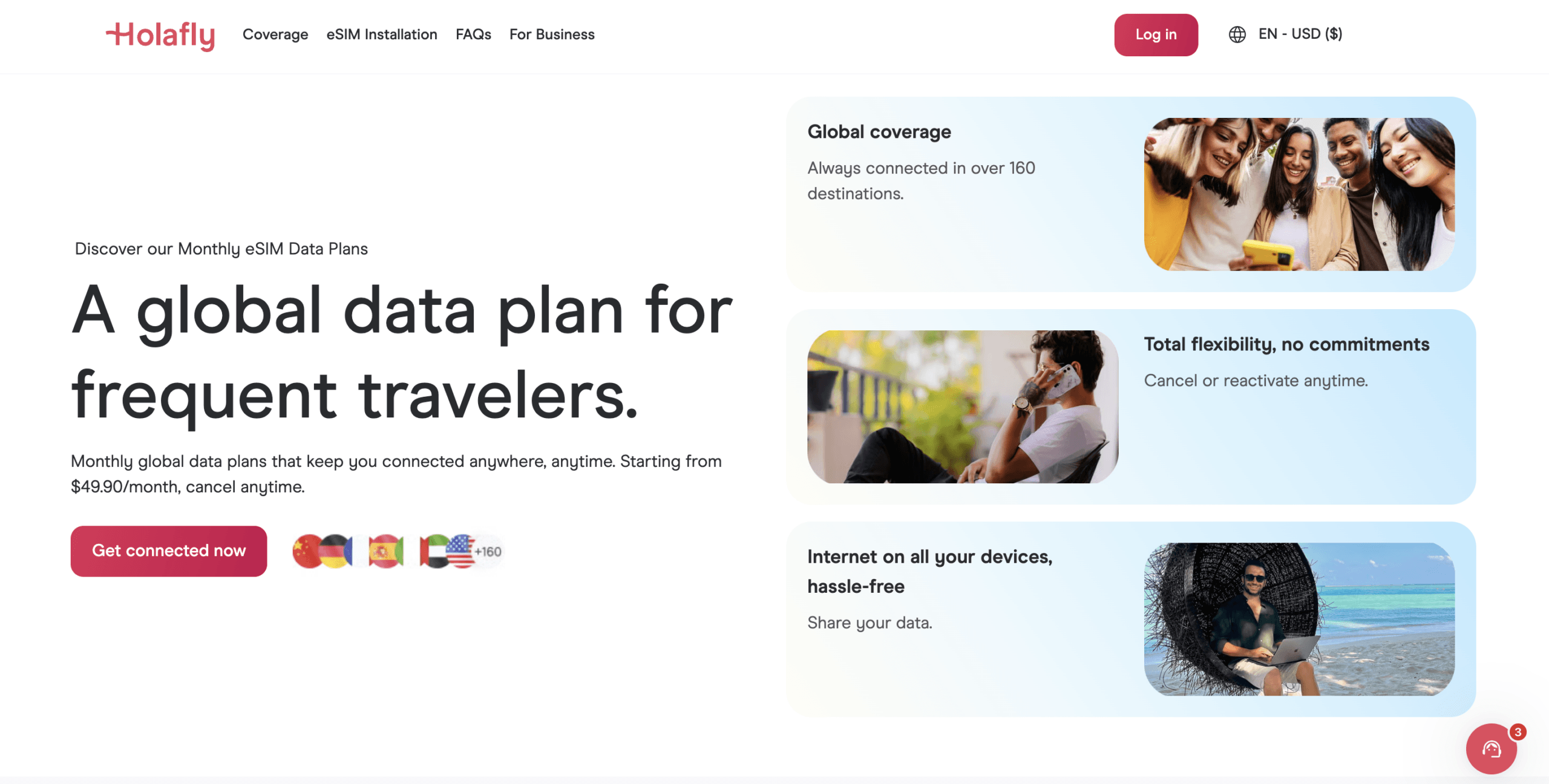
Implications for the Digital Nomad and Global Workforce
The widespread availability of stable, high-speed, and borderless data has profound implications for the global labor market. The ability to maintain a consistent digital presence without the fear of data overages or connectivity loss allows for the continued growth of remote work cultures. By providing a single, manageable monthly bill that covers global operations, service providers are essentially lowering the barrier to entry for working while traveling.
However, the model is not without limitations. As noted by company documentation, the transition between service tiers (e.g., from Light to Unlimited) currently requires the cancellation of one subscription and the initiation of another, rather than a seamless in-app upgrade. Additionally, while the 160-country coverage is extensive, travelers venturing into highly remote or politically restricted regions may still find that local, physical SIM cards remain the only viable option for connectivity.
Strategic Analysis: The Future of Roaming
The success of these plans depends largely on the maintenance of roaming agreements with hundreds of local carriers globally. As international mobile traffic continues to grow, the reliance on high-quality partnerships between eSIM providers and local tier-one network operators will determine the reliability of the service.
From a competitive standpoint, the move by Holafly forces other eSIM providers to reconsider their pricing and product structures. We are likely to see an increase in "all-access" subscription packages across the travel tech industry in the coming 18 to 24 months. Consumers should expect increased competition, which will likely result in lower prices for data-heavy users and potentially the introduction of family or group plans that allow multiple devices to share a single, global data pool.
Regulatory and User Considerations
For the end-user, the shift toward a global subscription requires a basic understanding of device compatibility. While most modern smartphones manufactured after 2018 support eSIM technology, older devices or those purchased through specific carrier-locked contracts may not be compatible. Potential subscribers must ensure their hardware is unlocked before attempting to activate a global plan.
Furthermore, the implementation of a 6-month refund policy suggests a high level of confidence in the product’s stability and a move toward establishing trust in a market segment that has historically been plagued by "fly-by-night" service providers. The integration of 24/7 human customer support also serves as a critical differentiator in a sector that has moved toward automated chatbots and limited technical assistance.
Conclusion
The emergence of comprehensive, global eSIM subscriptions represents a mature phase in the development of mobile travel technology. By consolidating connectivity into a single, predictable monthly cost and removing the logistical burden of local SIM acquisition, services like Holafly Plans address the primary pain points of the modern mobile worker. While traditional, short-term eSIMs remain the most cost-effective solution for the casual, one-off vacationer, the subscription-based model is rapidly becoming the standard for the growing cohort of global travelers who require the same level of connectivity abroad as they do at home. As the technology continues to stabilize, it will likely serve as the foundational infrastructure for the next generation of global mobility.
Related posts: