For decades, the standard for truck bed protection has been the rigid fiberglass or aluminum topper—a bulky, heavy fixture that provides security but often at the cost of long-term utility. As automotive trends shift toward multi-use vehicles, a new innovation has emerged in the aftermarket sector: the Flated Cap56. This inflatable, lightweight topper offers an alternative to the traditional permanent installation, signaling a potential shift in how outdoor enthusiasts and utility-focused truck owners manage their vehicle configurations.
The Evolution of Truck Bed Storage
The history of the pickup truck topper is rooted in the desire for a "mobile shed." Traditional hardshell caps, which frequently weigh between 150 and 200 pounds, were designed for semi-permanent installation. Historically, these units were bolted to the bed rails, requiring a two-person hoist system or specialized garage pulley setups to remove. For the average consumer, this meant that once a topper was installed, it effectively remained a permanent fixture for the life of the vehicle.
While these structures provided excellent weather protection and security for high-value gear, they severely limited the vehicle’s ability to transport oversized loads, such as furniture, appliances, or landscape materials. This created a persistent friction point for truck owners who needed a dry, secure space for weekend recreation but required an open, unobstructed bed for weekday chores.
Engineering the Inflatable Shell
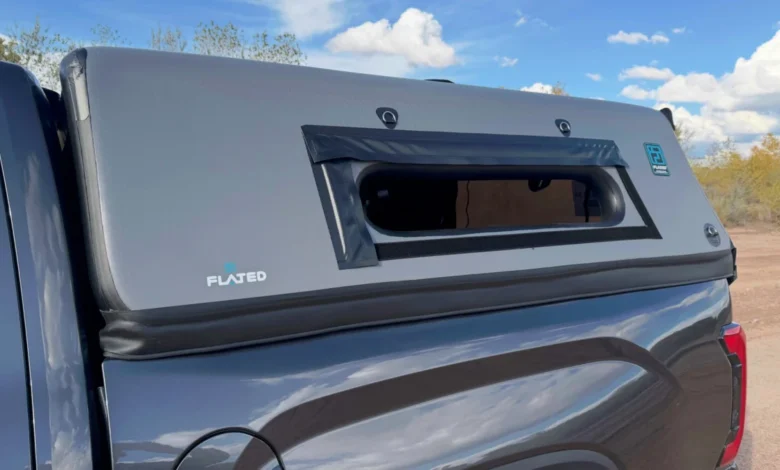
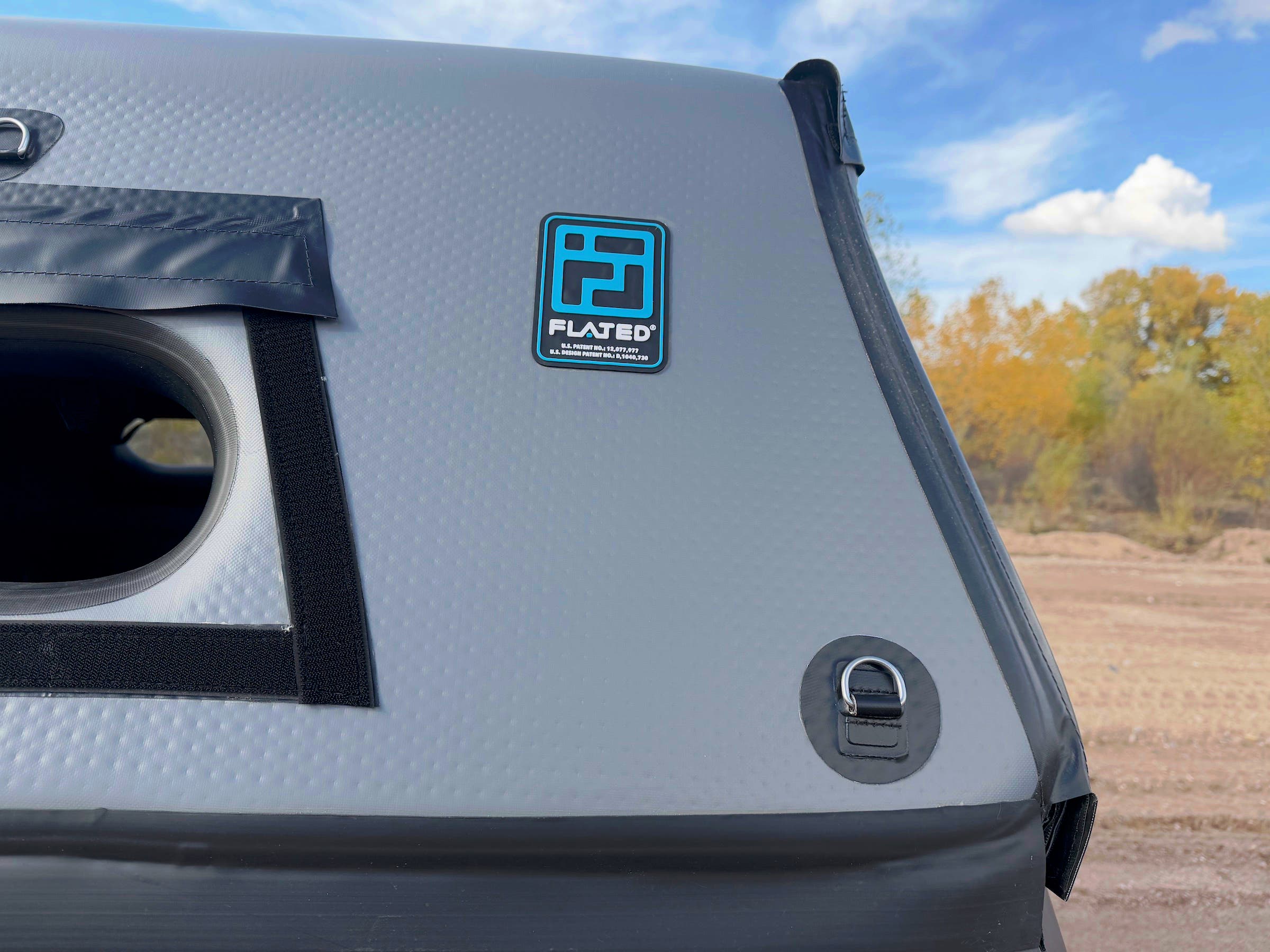
The Flated Cap56 represents a departure from traditional manufacturing materials, utilizing drop-stitch technology—the same construction method used in high-pressure inflatable stand-up paddleboards and military-grade rescue rafts. This material allows for a rigid, stable structure when inflated, yet it can be collapsed into a compact package when not in use.
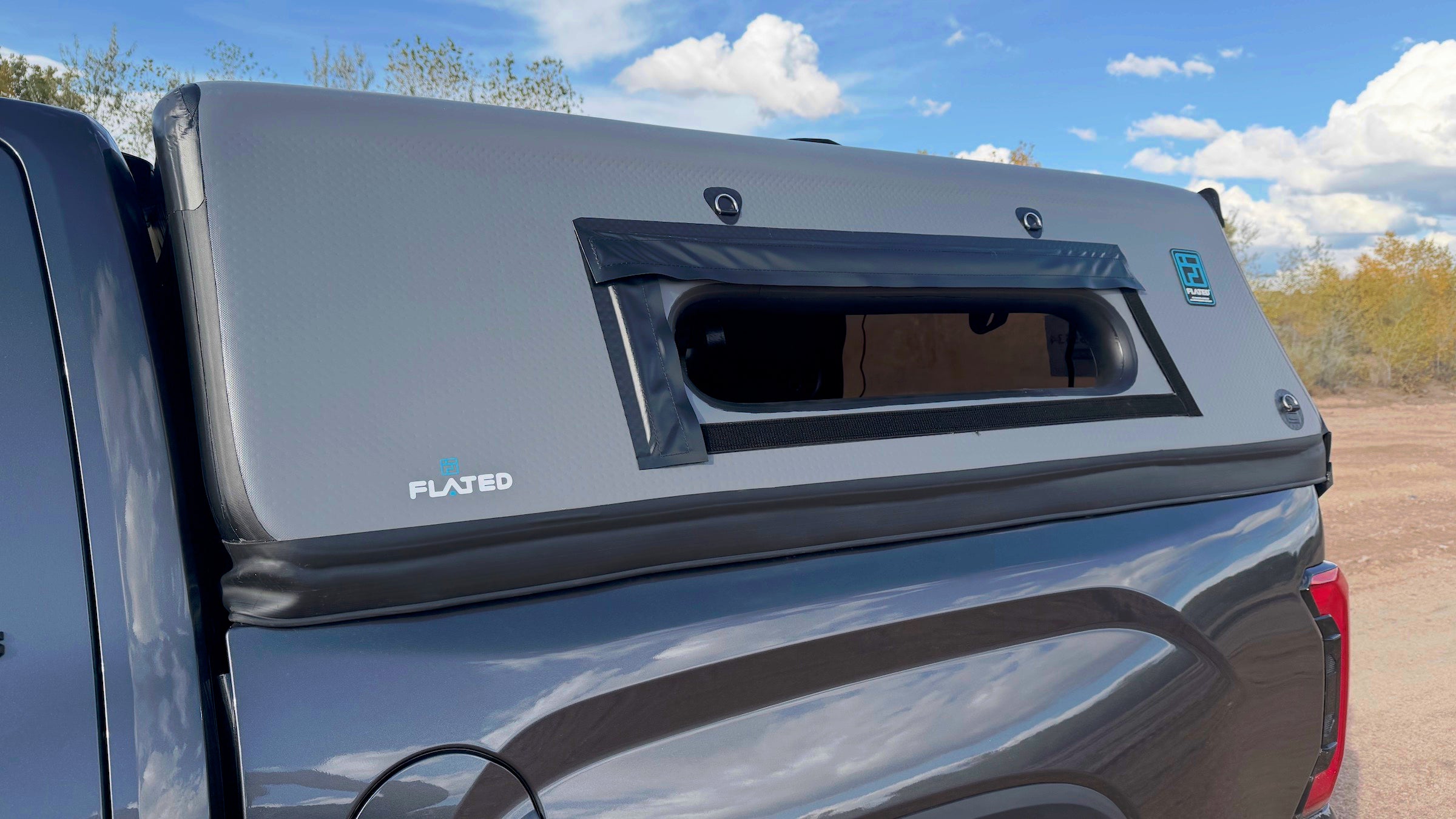
The technical specifications of the Cap56 address the most significant pain point of traditional caps: weight. At under 60 pounds, the unit falls well below the weight threshold that typically necessitates a secondary person for installation. The deployment process is straightforward: the shell is placed in the truck bed, and an electric pump—compatible with standard air valves—brings the unit to its operational pressure. Once inflated, the shell is secured to the bed rails using a system of heavy-duty tie-downs and specialized seals designed to maintain a waterproof barrier.
Chronology of Adoption and Market Context
The concept of inflatable automotive accessories has been in development for several years, but it has only recently reached a level of durability suitable for highway speeds and long-term exposure to environmental stressors.
- Initial Concept Phase: Early prototypes focused on soft-shell covers, which offered water resistance but lacked the structural integrity for security or camping purposes.
- Testing and Validation: Through 2024 and 2025, manufacturers began integrating high-tensile fabrics and reinforced zippers to ensure that the shells could withstand wind resistance at speeds exceeding 70 miles per hour.
- Commercial Release: By late 2026, products like the Cap56 began seeing widespread adoption among a demographic that prioritizes modularity over the permanence of traditional fiberglass.
Market analysts note that this shift aligns with the "van life" and "overlanding" movements, where vehicle owners are increasingly seeking gear that is both modular and stowable. Unlike a permanent topper, the Flated unit can be deflated and stored in a garage corner or a closet, effectively returning the truck to its stock configuration in less than 30 minutes.
Technical Performance and Durability
One of the primary concerns regarding inflatable technology is longevity, particularly in high-UV environments like the American Southwest. The Cap56 utilizes UV-resistant coatings and reinforced seams to mitigate the degradation typically associated with long-term sun exposure.
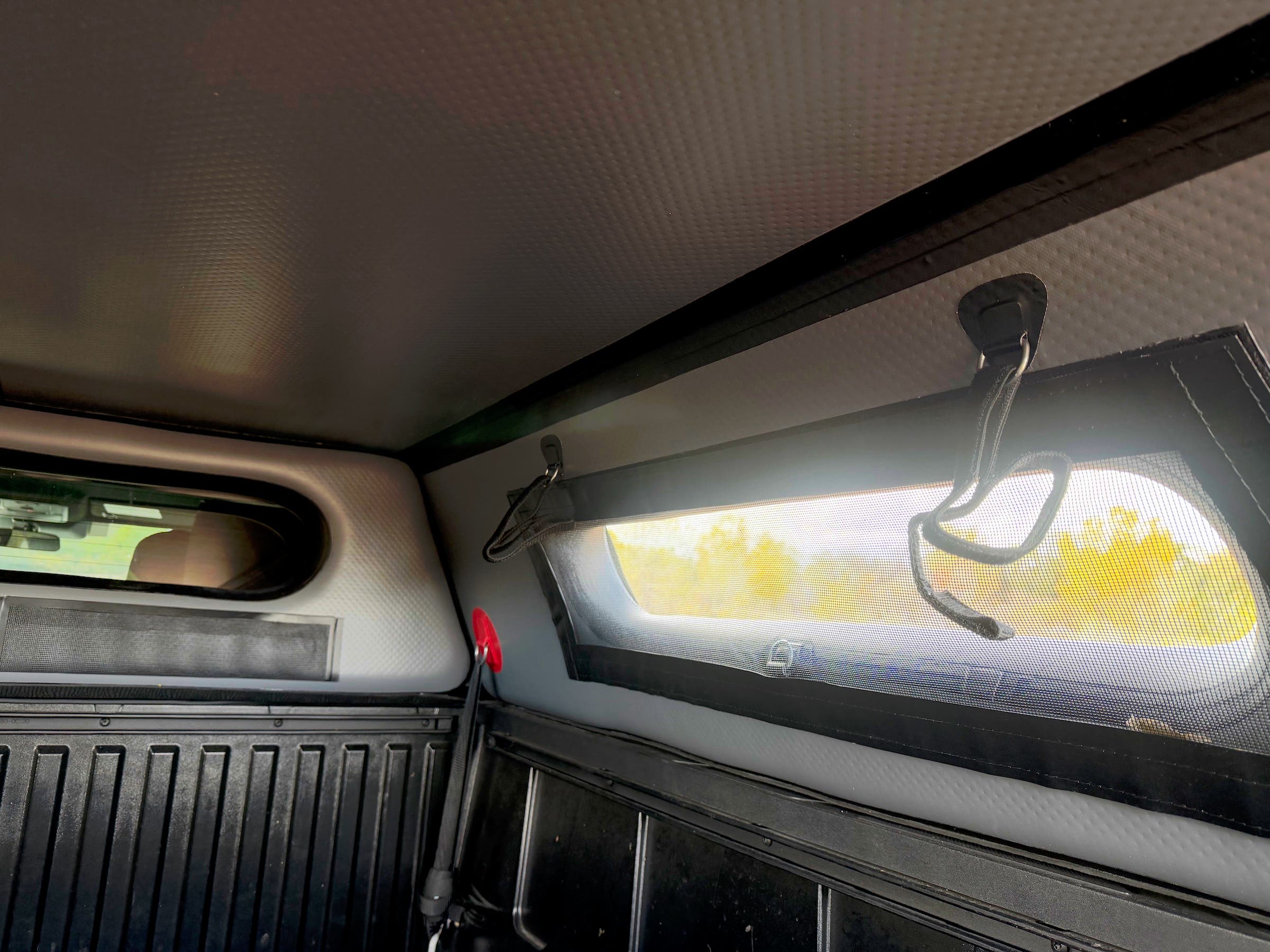
The integration of functional design elements—such as tinted windows, screen mesh for ventilation, and a pass-through window connecting the bed to the cab—indicates that the product is intended for more than just storage; it is marketed as a viable sleeping solution for camping. The internal storage features, including mesh pockets, are designed for the organization of essential gear, such as headlamps and mobile devices, mimicking the interior functionality of a dedicated camper shell.
Financial and Practical Implications
The cost-to-utility ratio of the Flated Cap56 is a central component of its value proposition. A high-end fiberglass topper, including professional installation, can often exceed $3,000 to $4,000. At a price point of $1,600, the Flated unit presents a significantly lower barrier to entry. However, consumers must weigh this against the perceived security of a hard-sided lockable topper versus a zipper-secured inflatable.
From an environmental and maintenance perspective, the lightweight nature of the product offers a marginal benefit in fuel efficiency compared to heavier fiberglass units. Furthermore, the ease of removal allows owners to reduce wind drag when the topper is not needed, a factor that can positively influence fuel consumption on long highway commutes.
Industry Feedback and User Experience
While formal long-term safety testing from automotive bodies is still in the nascent stages for inflatable toppers, early user feedback has focused on the convenience of the installation process. The ability to transition a truck from a work vehicle to a recreational vehicle in half an hour is a significant selling point for families and small-scale contractors alike.
Retailers and industry experts have noted that the success of such products depends on the reliability of the seals and the integrity of the zippers. As usage cycles increase, data regarding the structural fatigue of the drop-stitch material over several years of climate cycles will be critical for the long-term viability of the product category.
Broader Impact on the Automotive Aftermarket
The introduction of the Flated Cap56 highlights a broader trend in the automotive aftermarket: the "democratization of versatility." As vehicle prices rise, owners are keeping their trucks for longer periods—often exceeding 10 to 12 years. Consequently, the demand for accessories that can adapt to changing life stages—from the single adventurer to the parent hauling sports equipment—has surged.
By prioritizing modularity, the Flated Cap56 challenges the traditional industry reliance on heavy, static equipment. This shift encourages consumers to view their vehicle as a platform that can be reconfigured based on immediate needs rather than a fixed asset that is limited by its original installation.
Future Outlook
As materials science continues to advance, it is likely that we will see further iterations of inflatable automotive components. Whether this technology will eventually supersede the fiberglass market remains to be seen, but the current trajectory suggests a growing appetite for products that offer the protection of a traditional shell without the physical burden.
For the modern truck owner, the trade-off is clear: the loss of the rigid, impenetrable security of a fiberglass shell is offset by the gain in storage flexibility and ease of handling. As with any emerging technology, the long-term performance under extreme weather conditions will ultimately determine the product’s place in the broader automotive ecosystem. For now, the Flated Cap56 serves as a compelling case study in how simple engineering can solve long-standing problems for the everyday truck owner, providing a bridge between the requirements of professional work and personal recreation.