Community Forestry in the Democratic Republic of Congo: A Decade of Progress and the Struggle for Economic Viability


The Democratic Republic of Congo (DRC) is currently overseeing an ambitious land-reform initiative designed to place 7.1 million hectares—an expanse roughly equivalent to the landmass of Ireland—under the management of local communities. This massive undertaking, centered on the establishment of Local Community Forest Concessions (CFCLs), represents a paradigm shift in the nation’s approach to conservation, moving away from centralized state control toward a model that recognizes the customary rights of Indigenous and local populations. As of 2026, the number of these concessions has surged to over 350, with at least 236 having achieved full legal status, marking a significant evolution from the mere eight concessions identified in 2017.

A Chronology of Legal Evolution
The foundation for this transformation was laid in 2016, when the Congolese government issued a ministerial decree formalizing the rules for the management and operation of community-based forestry. This legal framework was designed to empower local populations, providing them with the authority to manage their ancestral lands and protect them against illegal logging, land grabbing, and arbitrary expropriation.
The trajectory of the program has been marked by rapid expansion. Between 2017 and 2026, the number of registered concessions increased exponentially, reflecting both a growing awareness among local communities of their land rights and the concerted efforts of international and local NGOs to facilitate the complex application process. However, the path from legal designation to economic empowerment has been fraught with bureaucratic hurdles and systemic challenges that threaten to undermine the program’s long-term sustainability.
The Economic Paradox of Conservation
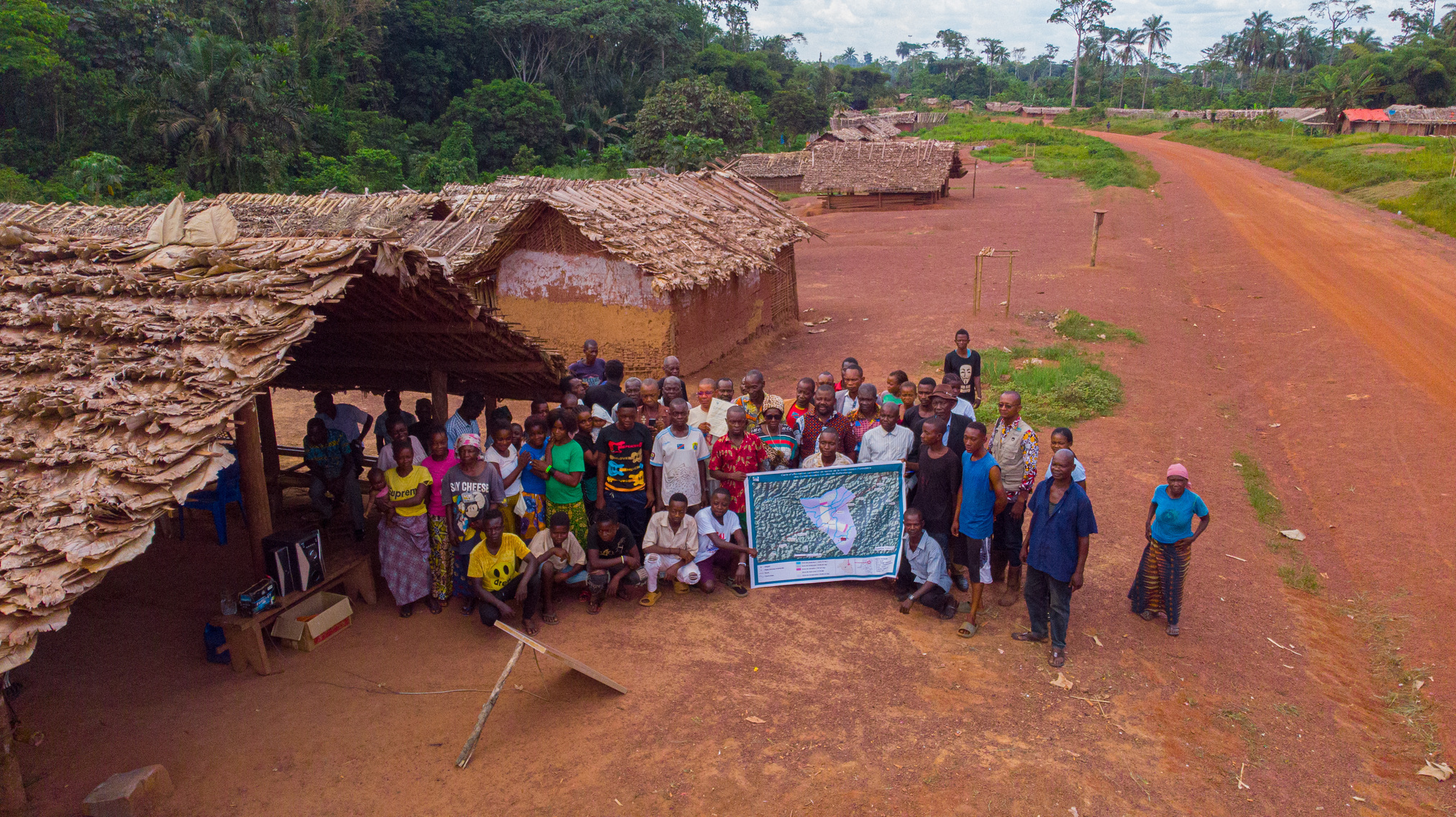
While the legal status of a CFCL provides a shield against external encroachment, it does not inherently generate wealth. Experts monitoring the progress of these concessions warn that without viable economic opportunities, the very communities intended to be the stewards of the forest may be driven toward unsustainable or illegal exploitation of their own resources.
Blaise Mudodosi, a doctoral researcher at the University of Goma and national coordinator of the NGO Actions for the Promotion and Protection of Threatened Peoples and Species (APEM), notes that while the security of tenure is a major victory, the transition to sustainable production is lagging. "Communities have placed a great deal of hope in this process," Mudodosi explains. "Some results are beginning to show in terms of secured areas, but when it comes to the management, use, and production of resources, things are moving slowly."
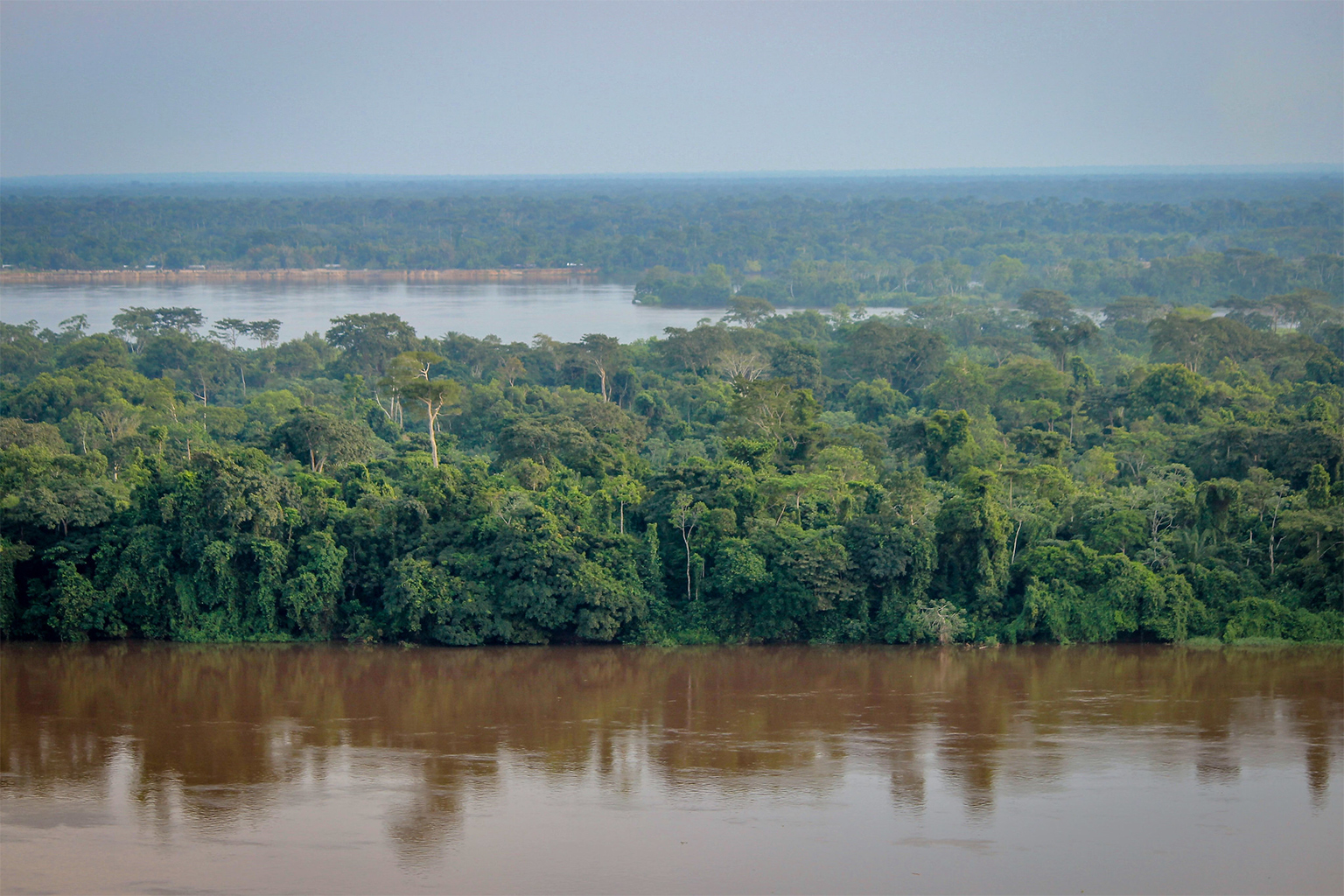
The economic stagnation is rooted in a lack of technical capacity and infrastructure. Many of these concessions are located in remote areas where basic transportation networks—roads, electricity, and reliable supply chains—are non-existent. Consequently, even for communities that produce sustainable crops like cacao or coffee, accessing regional markets is an arduous and costly endeavor.
Systemic Obstacles: Governance and Corruption
Védaste Cituli, a researcher at the Higher Institute for Rural Development in Bukavu (ISDR-Bukavu), highlights that the implementation of CFCLs is being hampered by administrative corruption and institutional friction. Despite the legal mandate that permit applications should be processed free of charge, reports persist of officials and local government agencies demanding illegal fees from communities. This "entry tax" on conservation serves as a barrier for the most vulnerable groups, particularly Indigenous peoples who face systemic discrimination.

Furthermore, the democratic nature of these concessions is often challenged at the grassroots level. Cituli points out that management committees, which are intended to be representative, often fail to include women or marginalized Indigenous voices effectively. In some instances, decision-making processes, such as voting by a show of hands, are used to marginalize dissenting voices, preventing a truly inclusive approach to forest governance.
The Missing Piece: Management Plans
A critical metric for the success of any CFCL is the adoption of a formal management plan. These documents serve as the blueprints for sustainable extraction, inventorying the forest’s resources and setting limits on harvesting. According to recent data, only 67 out of 358 CFCLs have had their management plans approved. The absence of these plans leaves the vast majority of concessions in a state of limbo, where traditional, often destructive, extraction methods persist by default.

The failure to materialize promised financial incentives, such as carbon credits, has further demoralized local populations. Many communities were encouraged to join the program under the promise that their preserved forests would be eligible for compensation through global carbon markets. When these funds failed to materialize, some communities felt misled, leading to a loss of faith in the conservation model.
Overlapping Titles and Resource Conflicts
The DRC’s legal system often allows for overlapping titles, where a community forestry permit may exist on the same parcel of land as a mining or hydrocarbon concession. Because mining and industrial extraction are often governed by special regimes that take legal precedence, the security provided by a CFCL is not absolute.

While Mudodosi argues that the CFCL title remains a vital safeguard for land rights, the lack of synergy between the Ministry of Environment and the Ministry of Mines remains a glaring policy failure. In the event of industrial expropriation for "public utility," the legal protections for communities remain underdeveloped, making it difficult for local populations to secure adequate compensation for the loss of their traditional lands.
Path Toward Sustainability
To bridge the gap between policy and practice, experts advocate for a three-pronged approach:

- Investment in Local Entrepreneurship: Rather than viewing forests solely as carbon sinks, government and international aid should prioritize the development of local value chains. Supporting the processing of local goods—such as cassava-based products like chikwangue—can provide immediate, sustainable income that does not require the destruction of the forest canopy.
- Streamlining Governance: There is an urgent need for the Congolese government to coordinate efforts across ministries to prevent conflicting land titles. This includes enforcing the "no-cost" permit policy and establishing a transparent, digitalized oversight mechanism for concession approvals.
- Capacity Building: External support providers, including NGOs, must move beyond the initial phase of helping communities secure titles. Long-term technical support is required to help communities develop and, more importantly, understand and implement their management plans.
The Broader Global Implication
The success of the DRC’s community forestry program has implications far beyond the borders of Central Africa. As tropical forests in the Amazon and Southeast Asia face increasing degradation, the Congo Basin remains one of the world’s last significant land-based carbon sinks. The failure of the CFCL model would not only represent a tragedy for the local communities and the biodiversity they protect, but it would also deal a blow to global climate goals.
The data provided by the University of Goma and ISDR-Bukavu suggests that while the initiative is fundamentally sound, its current "scaling-up" phase is fragile. The transition from 350 registered concessions to 350 thriving, self-sustaining economic entities will require a level of political will that has yet to be fully demonstrated.

As the DRC looks toward the future of its vast forest reserves, the focus must shift from the quantity of land titled to the quality of life of the people living upon it. If the government can successfully marry legal land security with functional infrastructure and transparent local governance, the CFCL model could serve as a global blueprint for how tropical nations can reconcile the competing demands of economic development and environmental preservation. For now, however, the project stands at a crossroads: it is a triumph of legal recognition, yet it remains a work in progress in the struggle for genuine, grassroots empowerment.