Bridging the Climate Adaptation Gap: How Private Investment is Reshaping Urban Resilience and the Future of Infrastructure Financing

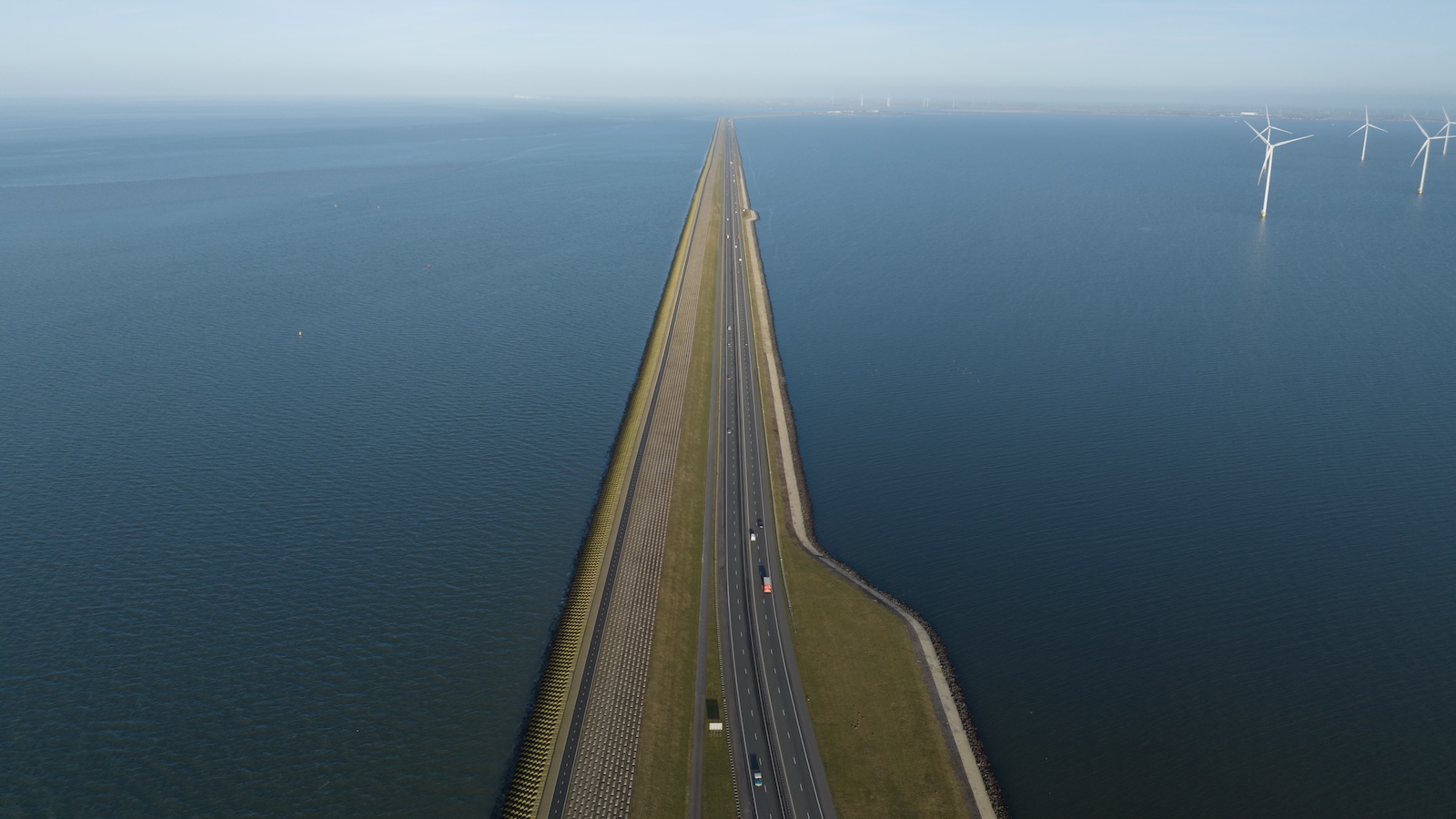
The Afsluitdijk, a monumental 32-kilometer causeway that has protected the Netherlands from the North Sea since 1932, serves as a testament to human engineering and a stark reminder of the escalating costs of climate defense. For nearly a century, this massive barrier has been the country’s primary bulwark against rising tides, but the passage of time and the accelerating pace of sea-level rise eventually necessitated a massive overhaul. Confronted with the need for hundreds of millions of dollars in upgrades, the Dutch government opted for a non-traditional financial route about a decade ago. Rather than funding the project entirely through immediate public expenditure, the agency leading the renovation signed a 25-year contract with a private consortium of contractors. This arrangement allowed for payments to be distributed over a quarter-century, effectively utilizing private financing to secure a vital public asset.
As climate-driven risks such as flooding, extreme heat, and drought intensify, cities across the globe are waking up to a daunting fiscal reality. The infrastructure required to protect urban populations will cost hundreds of billions of dollars—expenditures that far exceed the current budgetary capacities of most municipal and national governments. A seminal report released this week by C40, a global network of mayors representing nearly 100 of the world’s leading cities, argues that the only viable way to close this widening fiscal chasm is to aggressively court outside investors. The report, titled "Building the Financial Case for Urban Adaptation," was strategically unveiled on the sidelines of the World Bank’s spring meeting, targeting the very institutions and private entities capable of shifting the global financial landscape.
The Financial Paradox of Climate Adaptation
The central challenge in climate finance today is a profound imbalance between mitigation—efforts to reduce greenhouse gas emissions—and adaptation—efforts to live with the impacts of a changing climate. While global capital has flowed relatively freely into renewable energy, electric vehicles, and decarbonization technologies, adaptation remains a difficult sell for the private sector.
According to research highlighted in the C40 report, low- and middle-income countries alone will require between $256 billion and $821 billion by 2050 to defend against climate impacts. Despite this staggering need, no more than 1 percent of total global climate funding is currently directed toward urban adaptation. This leaves a massive "adaptation gap" that endangers millions of people in coastal and heat-vulnerable cities.
The difficulty lies in the nature of the "return on investment." As Dan Zarrilli, the former chief resilience officer for New York City and current chief climate and sustainability officer at Columbia University, notes, "Avoiding future damages is not a financing stream you can take to the bank in the way that you can energy efficiency and decarbonization." In short, while a solar farm generates electricity that can be sold for a profit, a sea wall merely prevents a loss. For private investors, projects must be "bankable," meaning they must offer a predictable revenue stream or a clear mechanism for cost recovery.
Case Studies in Innovation: From Dakar to Washington D.C.
To bridge this gap, the C40 report provides ten detailed case studies that serve as a blueprint for how cities can collaborate with the private sector. These examples demonstrate that with enough creativity, adaptation projects can indeed become bankable.
In Kuala Lumpur, Malaysia, the city implemented the SMART Tunnel (Stormwater Management and Road Tunnel). This dual-purpose infrastructure serves as a stormwater bypass during heavy rains to prevent flooding in the city center, but during dry periods, it functions as a toll road for commuters. The revenue generated from tolls provides a steady stream of income that helps pay for the construction and maintenance of the flood mitigation system. This model transforms a purely defensive infrastructure project into a revenue-generating asset.
Other models highlighted in the report include:
- Mexico’s Coral Reef Insurance: A pioneering initiative where a trust fund, supported by the tourism industry, purchased an insurance policy for the Mesoamerican Barrier Reef. If a major hurricane hits, the insurance payout is used for immediate reef restoration, protecting the natural barrier that prevents coastal erosion and supports the local economy.
- Washington D.C.’s Environmental Impact Bonds: The city utilized a "pay-for-success" model to fund green infrastructure, such as permeable pavement and rain gardens. Investors receive higher returns if the projects outperform expectations in managing stormwater runoff, shifting some of the performance risk from the public to the private sector.
- São Paulo’s Wastewater Recovery: In Brazil, projects that turn wastewater into a resource for industrial use have attracted private investment by creating a market for recycled water, simultaneously addressing water scarcity and urban resilience.
The Role of Credit Ratings and Bundling
For many cities, particularly those in the Global South, the barrier to private investment isn’t just a lack of revenue streams, but a lack of financial standing. Barbara Barros, the global head of adaptation finance for C40 and a primary author of the report, emphasizes that finding creative ways to engage funders is vital for cities with low credit ratings or limited powers to raise taxes.
One strategy suggested by the report is the "bundling" of smaller adaptation projects. On their own, a single city’s rain garden initiative or small-scale flood barrier might be too minor to attract interest from the World Bank or major institutional investors. However, by packaging multiple projects across a region or even across different cities into a single investment vehicle, such as a green bond or a resilience fund, the scale becomes large enough to meet the requirements of international capital markets.
Currently, private investment accounts for a mere 3 percent of adaptation finance in developing nations, according to the Zurich Climate Resilience Alliance. However, with concerted policy efforts and the adoption of the models outlined by C40, that figure could realistically rise to 15 percent. While the private sector cannot replace public funding, it can serve as a critical multiplier.
Risks, Equity, and the Limits of Privatization
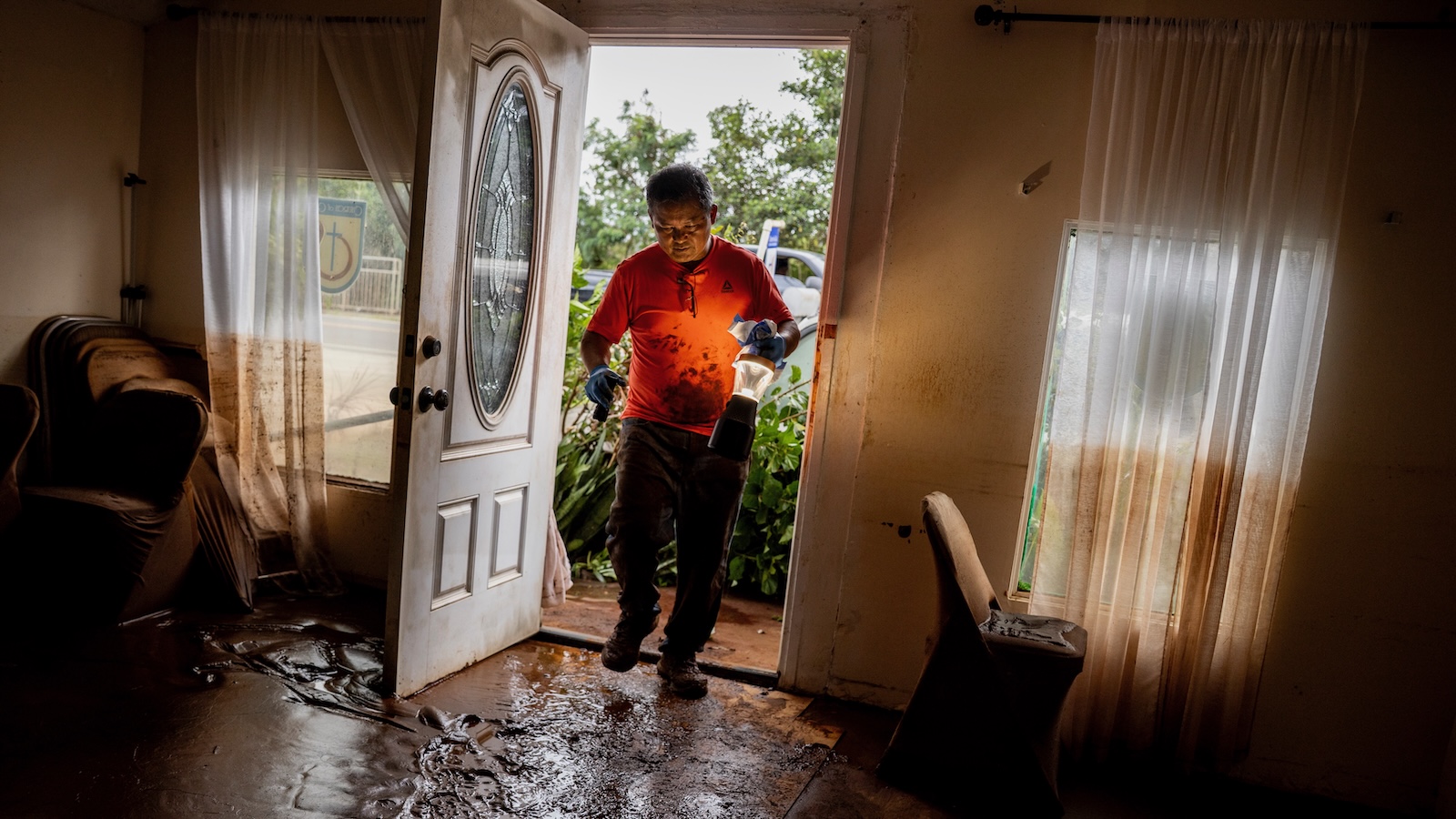
The push for private involvement is not without its detractors and risks. Critics warn that a heavy reliance on private finance could lead to "maladaptation" or the prioritization of projects that protect wealthy enclaves over vulnerable, low-income neighborhoods. Because private investors seek profit, they may naturally gravitate toward high-value real estate areas where revenue streams are more certain, leaving the most marginalized communities at risk.
Debbie Hillier, head of the Zurich Climate Resilience Alliance, cautions that there is a limit to what the private sector can and will do. "What we don’t want is to assume the private sector can do everything," she said. "They cannot and they will not." Public oversight remains essential to ensure that projects meet high social and environmental standards and that equity remains a core component of resilience planning.
Furthermore, Dakota Fisher of the NRDC points out that the current political climate in the United States adds another layer of complexity. As federal support for climate adaptation faces potential scaling back under certain political administrations, local governments are under even more pressure to find alternative funding. However, Fisher notes that smaller rural communities—such as a flood-prone town in Iowa—often lack the administrative capacity to navigate complex private-public partnerships (PPPs), potentially widening the resilience gap between major metropolitan hubs and rural areas.
A Changing Narrative for Urban Survival
The ultimate goal of the C40 report is to change the narrative surrounding climate adaptation from one of "unavoidable cost" to one of "strategic investment." By proving that these projects can be structured to share risks and rewards, C40 hopes to unlock the trillions of dollars held by global institutional investors.
The shift toward this "capitalist" approach to climate defense is seen by some as a necessary pragmatism. As Barbara Barros concludes, "The idea of this report is really to improve the conversation and bring in proof of concept. Successful experiences depend on how projects are structured—particularly in terms of cost and risk sharing, as well as strong social and environmental safeguards. It seems very capitalist, but the goal is to protect our citizens."
As the World Bank and other multilateral development banks face increasing pressure to reform their lending practices for the climate era, the C40 case studies provide a concrete roadmap. The transition will likely take years as cities build the necessary "shared vocabulary" with the private sector, but the alternative—leaving cities to face rising seas with empty coffers—is no longer an option. The Afsluitdijk stood alone for nearly a century; the next generation of climate barriers will likely be built on a foundation of shared public and private interest.
Related posts: