Andrea Bocelli’s Romanza 30th Anniversary World Tour brings an operatic spectacle to the Hollywood Bowl

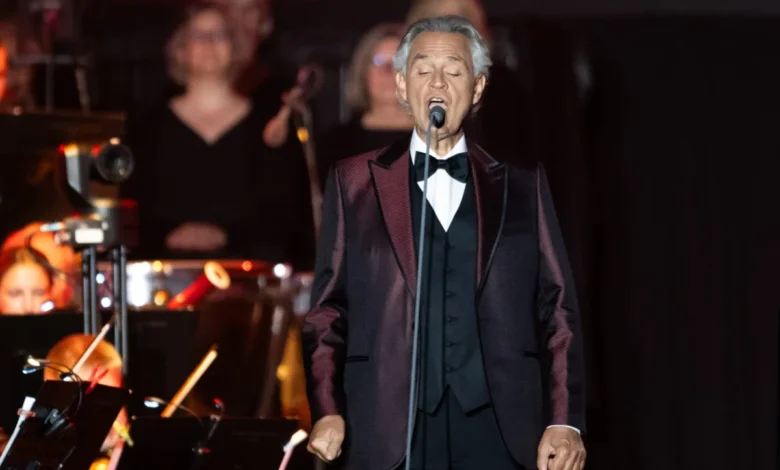
The world-renowned Italian tenor Andrea Bocelli delivered a grand, high-production performance at the Hollywood Bowl on Tuesday, September 15, 2026, marking a significant milestone in his illustrious career. The concert served as a central feature of his ongoing Romanza 30th Anniversary World Tour, a global series of performances celebrating the 1997 compilation album that transformed Bocelli from a rising Italian talent into a global crossover phenomenon. While the evening was characterized by a massive orchestral arrangement and a high-caliber cast of supporting performers, the production also highlighted the complexities of managing such a large-scale, multi-disciplinary show for a modern audience.
A Legacy Defined: The Romanza Phenomenon
The Romanza album, released in 1997, remains a cornerstone of contemporary classical music. It is widely credited with bridging the gap between traditional operatic sensibilities and mainstream pop appeal. With hit tracks such as "Con te partirò" (and its English-language counterpart, "Time to Say Goodbye"), the album shattered sales records for classical music, achieving multi-platinum status across Europe, North America, and beyond. Nearly three decades later, this anniversary tour seeks to capture that same lightning-in-a-bottle momentum, traveling through iconic venues like the Ernst-Happel-Stadion in Vienna and now the historic Hollywood Bowl in Los Angeles.
The tour, produced by the industry titan AEG Presents, is designed as a retrospective of Bocelli’s artistic trajectory. By revisiting the themes and vocal textures that defined his early success, the production aims to resonate with long-time listeners while introducing his technical mastery to newer generations.
The Hollywood Bowl Production
The September 15th performance was notable for its sheer scale. Bocelli was accompanied by a full-sized orchestra conducted by Steven Mercurio, a long-time collaborator whose baton has guided many of Bocelli’s most memorable live recordings. The stage design integrated visual elements meant to mirror the grandeur of the music, including a cinematic opening sequence that chronicled the tenor’s rise to international stardom.
The cast featured an ensemble of vocalists and dancers intended to provide a multi-sensory experience. Notable contributors included soprano Aida Garifullina, who provided dramatic vocal counterpoints, and bass Edward Parks, who anchored the lower registers of the repertoire. The instrumental performance was bolstered by violinist Rusanda Panfili, while pop vocalist Pia Toscano provided a modern contrast during several collaborative numbers. The choreography, executed by a quartet of dancers—Francesco Costa, Angelica Gismondo, Brittany O’Connor, and Paul Barris—introduced elements of classical ballet, signaling an attempt to modernize the traditional concert format.
Chronology and Performance Dynamics
The evening followed a carefully curated sequence, though it was not without its stylistic departures. The show commenced with a high-definition video montage, a hallmark of modern stadium tours. While intended to set the stage for the evening’s narrative, the segment drew attention to the disconnect between the performer and the audience.
Bocelli, who has historically maintained a formal stage presence, kept his direct interaction with the crowd to a minimum for the majority of the performance. It was only during the latter half of the show that the tenor engaged in extended dialogue, addressing his past concerns regarding his command of the English language. He famously referred to his English as "terrible," a sentiment that belies his extensive history of touring English-speaking territories. His silence for the majority of the set, while perhaps intended to allow the music to speak for itself, created a perceived distance that contrasted with the intimacy often expected at a venue like the Hollywood Bowl.
Furthermore, the structure of the show drew scrutiny regarding the presentation of the supporting cast. The lead singers and dancers, who bore a significant portion of the performance load, were not introduced by name during the show’s progression. Instead, their contributions were acknowledged via a traditional credit roll displayed on the stage’s side screens during the finale. From an industry production standpoint, this choice effectively keeps the focus on the headline artist, though critics note that failing to introduce collaborators in the moment can diminish the sense of a collective ensemble performance.
Guest Appearances and Collaborative Synergy
A primary highlight of the Hollywood Bowl engagement was the inclusion of high-profile guest stars, which elevated the event from a standard recital to a collaborative showcase. The appearance of Jennifer Hudson, legendary songwriter Diane Warren, and music producer David Foster added layers of contemporary pop and R&B influence to the program. These guest spots, integrated into the second half of the show, provided a shift in energy that energized the sold-out audience. The synergy between Bocelli’s classical training and the pop-leaning sensibilities of his guests continues to be a defining characteristic of his career strategy.
Industry Implications and Audience Reception
The Romanza 30th Anniversary tour represents a strategic pivot for veteran artists who have reached the status of legacy acts. By leveraging the 30th anniversary of a specific, high-performing album, promoters can create a compelling narrative for ticket sales, effectively "eventizing" the concert experience.
The logistical challenges of such a tour are significant. Producing a show with a full orchestra, a professional dance troupe, and high-tech video production across various time zones and venues requires a high degree of coordination. For AEG Presents, the goal is to maintain the prestige of the Bocelli brand while ensuring that the production remains relevant to a diverse demographic.
The reception to the Hollywood Bowl show suggests that while the audience remains fiercely loyal to Bocelli’s vocal prowess—which remains largely undiminished—there is a growing desire for a more authentic, personal connection between the performer and the audience. The "slick" nature of the production, while professional, occasionally risks overshadowing the human element that made the Romanza album so resonant in 1997.
Looking Ahead
As the Romanza 30th Anniversary World Tour continues, the focus will likely remain on refining the balance between technological spectacle and intimate performance. Bocelli’s ability to sell out major amphitheaters and stadiums three decades into his career is a testament to his enduring appeal in the classical-crossover market.
For the remainder of the tour, observers will be watching to see if the tenor chooses to adjust his stage presence, perhaps incorporating more of the unscripted, personal connection that many fans crave. Regardless of these adjustments, the tour stands as a robust celebration of one of the most successful recording careers in history, solidifying the legacy of an album that fundamentally changed the landscape of popular classical music. The tour serves not only as a look back at the accomplishments of the late 20th century but as a reaffirmation of Bocelli’s status as a dominant force in the global music industry in 2026.