Global Connectivity Reimagined: An Analysis of the Evolution of International eSIM Technology and the Rise of Subscription-Based Data Models

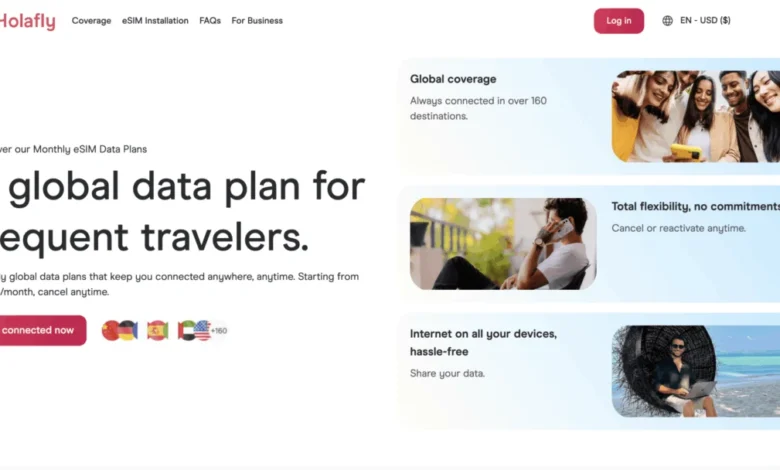
The landscape of international telecommunications is undergoing a significant transformation as the traditional reliance on physical SIM cards and fragmented, country-specific data packages gives way to integrated, software-defined connectivity. As global mobility increases among business travelers and digital nomads, the demand for seamless, cross-border network access has prompted a shift toward eSIM (embedded SIM) technology. The recent introduction of subscription-based, multi-destination eSIM plans—such as the newly launched Holafly Plans—marks a notable shift in how travelers manage connectivity, moving from a transaction-heavy, retail-dependent model to a unified, ongoing service structure.
The Mechanics of Modern eSIM Adoption
An eSIM, or embedded SIM, is a digital alternative to the traditional plastic subscriber identity module (SIM) card. Integrated directly into the hardware of modern smartphones, the eSIM functions via software, allowing users to activate cellular plans by downloading a profile or scanning a QR code. This technological shift eliminates the logistical challenges previously associated with international travel, such as locating physical retail stores in foreign countries, navigating language barriers to purchase local SIM cards, and the inherent risk of damaging or losing a physical card during transit.
Technically, the eSIM allows for multiple profiles to be stored on a single device, enabling users to toggle between a home carrier and a roaming or local data provider without physical intervention. This capability is foundational to the emergence of global roaming subscriptions, which treat international borders as transparent data zones rather than barriers requiring new service provisioning.
The Transition to Subscription Models
Historically, international mobile data was managed through two primary channels: high-cost roaming passes offered by domestic mobile carriers, or the purchase of one-off, destination-specific prepaid eSIMs. While single-trip eSIMs remain highly effective for short-term vacations, they have presented inefficiencies for frequent travelers. Each new entry into a country required a separate purchase, installation, and management cycle.

The shift toward a subscription-based, multi-destination model—covering over 160 countries under a single account—represents a maturation of the market. This model, characterized by an ongoing monthly or annual fee, provides continuous connectivity that does not terminate upon crossing a national border. The primary driver for this shift is the need for "always-on" reliability, particularly for the remote workforce, which requires consistent access to bandwidth for video conferencing, cloud-based software, and secure VPN connections.
Comparative Analysis of Market Offerings
Market data indicates a substantial price disparity between traditional roaming services and the newer, subscription-based eSIM landscape. Major domestic carriers in the United States, for instance, frequently utilize a "daily pass" model, which can cost consumers between $10 and $15 per day for international roaming. Over the course of a month-long trip, these fees can accumulate to upwards of $300, often subject to data throttling once a specific, relatively low threshold is met.
In contrast, specialized eSIM providers have begun offering unlimited data packages for approximately $55 to $65 per month. These plans provide a fixed cost structure, which offers significant predictability for budgeting. Furthermore, the inclusion of hotspot capabilities—which allow users to tether laptops and tablets to their smartphone’s cellular signal—serves as a critical utility for professionals. The integration of local phone numbers from the US, UK, or Canada into these packages also facilitates the receipt of two-factor authentication (2FA) SMS messages, a recurring pain point for travelers attempting to access banking or government portals while abroad.
Chronology of Connectivity Development
The development of the current connectivity ecosystem can be traced through three distinct stages:
- The Physical Era: Travelers relied on physical SIM cards, necessitating visits to kiosks at airports or local telecom shops. This was characterized by high friction and high security risks.
- The Fragmented Digital Era: The emergence of early eSIM providers allowed for pre-trip digital purchase of data. However, coverage was limited to specific regions or single countries, requiring the traveler to manage multiple digital profiles.
- The Integrated Subscription Era: The current phase, defined by unified global coverage. A single eSIM profile remains active indefinitely, automatically connecting to local partner networks across vast geographic regions without requiring the user to re-configure their device.
Industry Reactions and Support Infrastructure
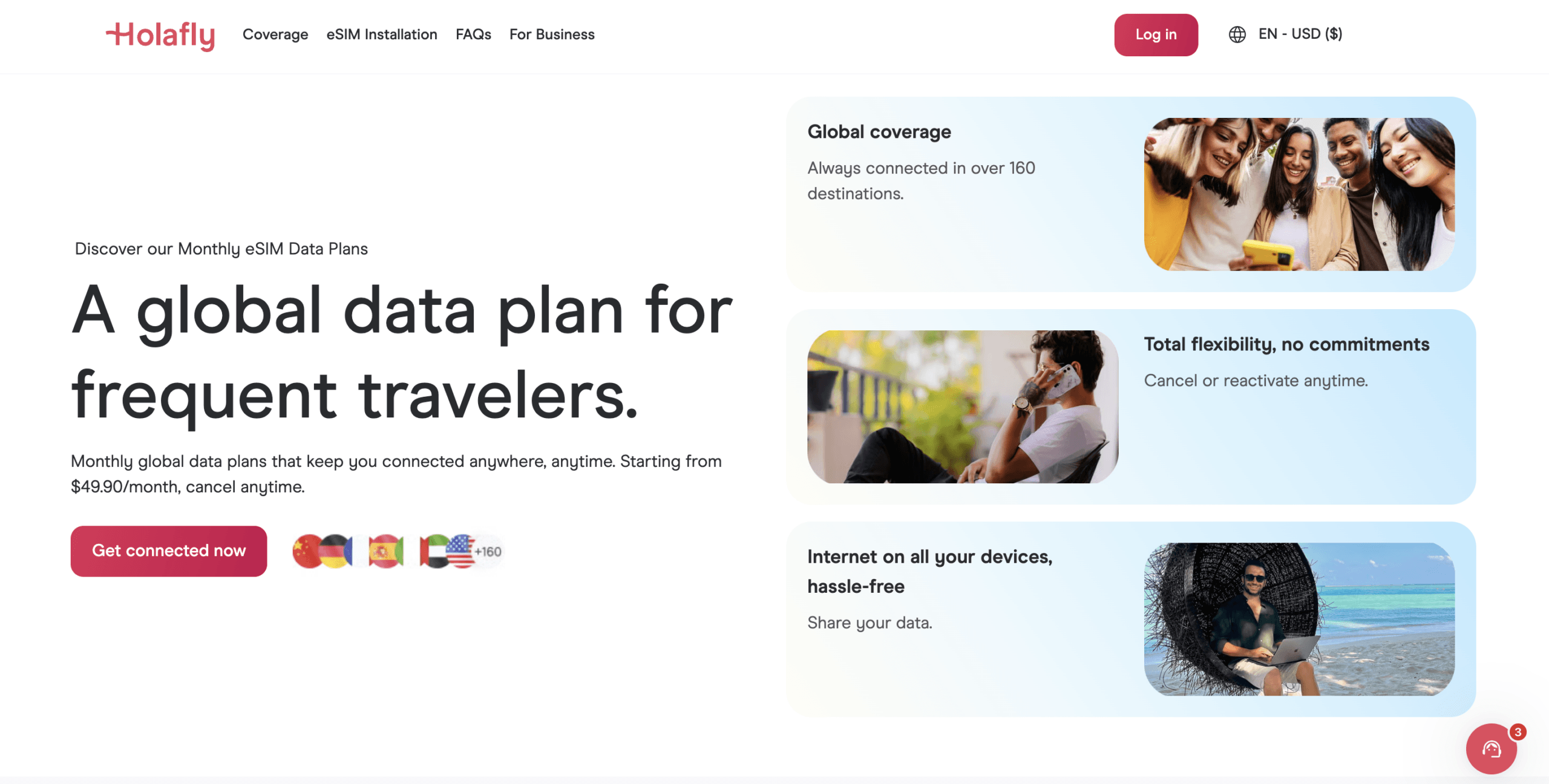
Industry experts note that the transition to subscription-based models has necessitated a parallel upgrade in customer support infrastructure. Because these services are software-dependent, the ability to troubleshoot connectivity issues in real-time—regardless of time zone—has become a competitive differentiator. Providers such as Holafly have invested in 24/7, human-staffed support systems, acknowledging that even minor technical glitches during initial installation can render a service unusable if not addressed immediately.
Furthermore, the introduction of "Always On" features—which provide a small, complimentary amount of backup data even after a subscription is canceled—reflects a move toward building brand loyalty and providing a safety net for travelers. This feature acknowledges the reality that travelers often find themselves in transit zones where immediate access to Wi-Fi or purchasing power is limited.
Broader Economic Implications
The shift toward globalized eSIM subscriptions carries broader implications for the travel industry and the global economy. By lowering the cost and technical difficulty of maintaining a high-speed data connection, these services are effectively lowering the barrier to entry for digital nomadism and international remote work. As mobile data becomes increasingly treated as a commodity with a flat, predictable cost, the reliance on public Wi-Fi networks—which are often unencrypted and pose significant cybersecurity risks—is likely to decrease.
Moreover, this trend challenges the traditional business models of legacy mobile operators. As consumers migrate toward independent eSIM providers that offer better value and greater flexibility, traditional carriers are being forced to re-evaluate their international roaming fee structures. This competitive pressure is likely to lead to more transparent and affordable roaming options in the long term, benefiting the broader consumer base.
Limitations and Considerations
Despite the advancements in this sector, there remain inherent limitations. Not all mobile devices are compatible with eSIM technology, particularly older hardware models or those locked to specific carrier networks. Additionally, while coverage extends to over 160 countries, the quality of service remains dependent on local infrastructure. In remote or developing regions, the network speed and reliability are still governed by the local carrier’s capacity rather than the eSIM provider’s capabilities.
Furthermore, the lack of an in-place upgrade system—whereby users can easily switch between data tiers (e.g., from a "Light" to "Unlimited" plan) without re-provisioning their service—remains a functional hurdle. Current models often require the cancellation of one plan and the initiation of another, which, while digital, still introduces a small degree of administrative friction.
Strategic Utility for Future Travel
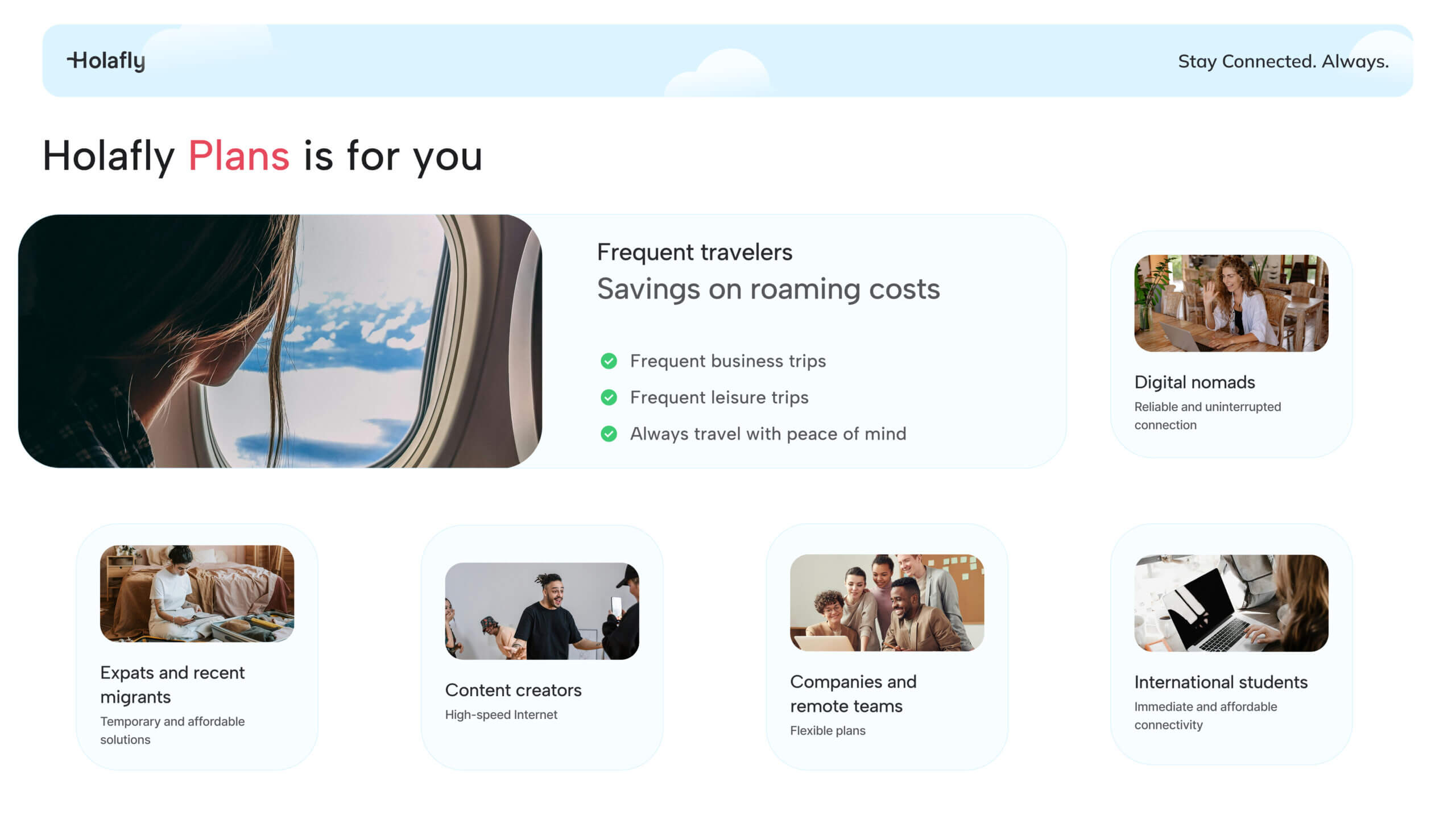
For the modern traveler, the decision between a single-destination eSIM and a global subscription plan rests on the frequency and duration of travel. The single-destination eSIM remains the optimal choice for the casual tourist, offering a cost-effective, short-term solution for specific itineraries. However, for those engaged in sustained international travel or remote professional work, the subscription model provides a clear advantage in terms of cost-efficiency, technical reliability, and administrative simplicity.
As the industry continues to evolve, the integration of 5G capabilities and the expansion of roaming partner networks will likely solidify the role of global eSIM subscriptions as a standard utility for the international community. The shift from treating connectivity as a temporary, country-specific expense to an essential, global subscription is indicative of a broader trend: the digitization of travel logistics, ensuring that in an increasingly mobile world, the ability to communicate and work remains a constant, rather than a variable.
Related posts: