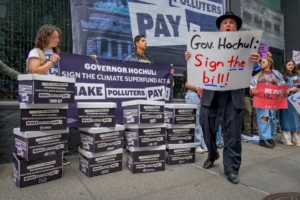
Trump Drastically Shrinks Utah National Monuments to Facilitate Resource Extraction Amid Legal and Tribal Backlash

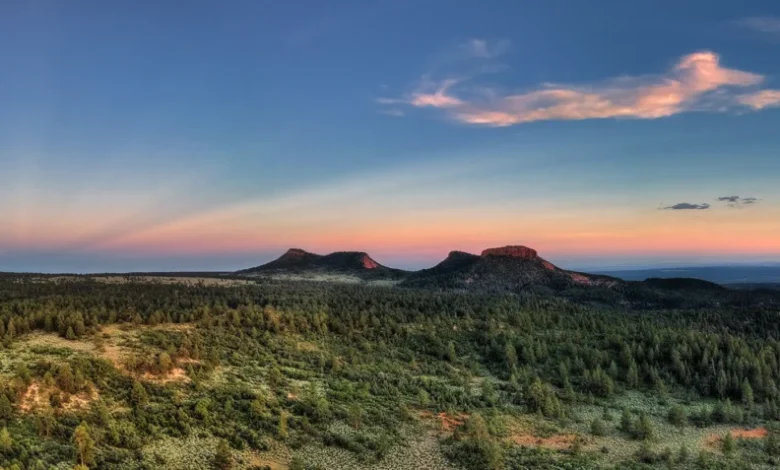
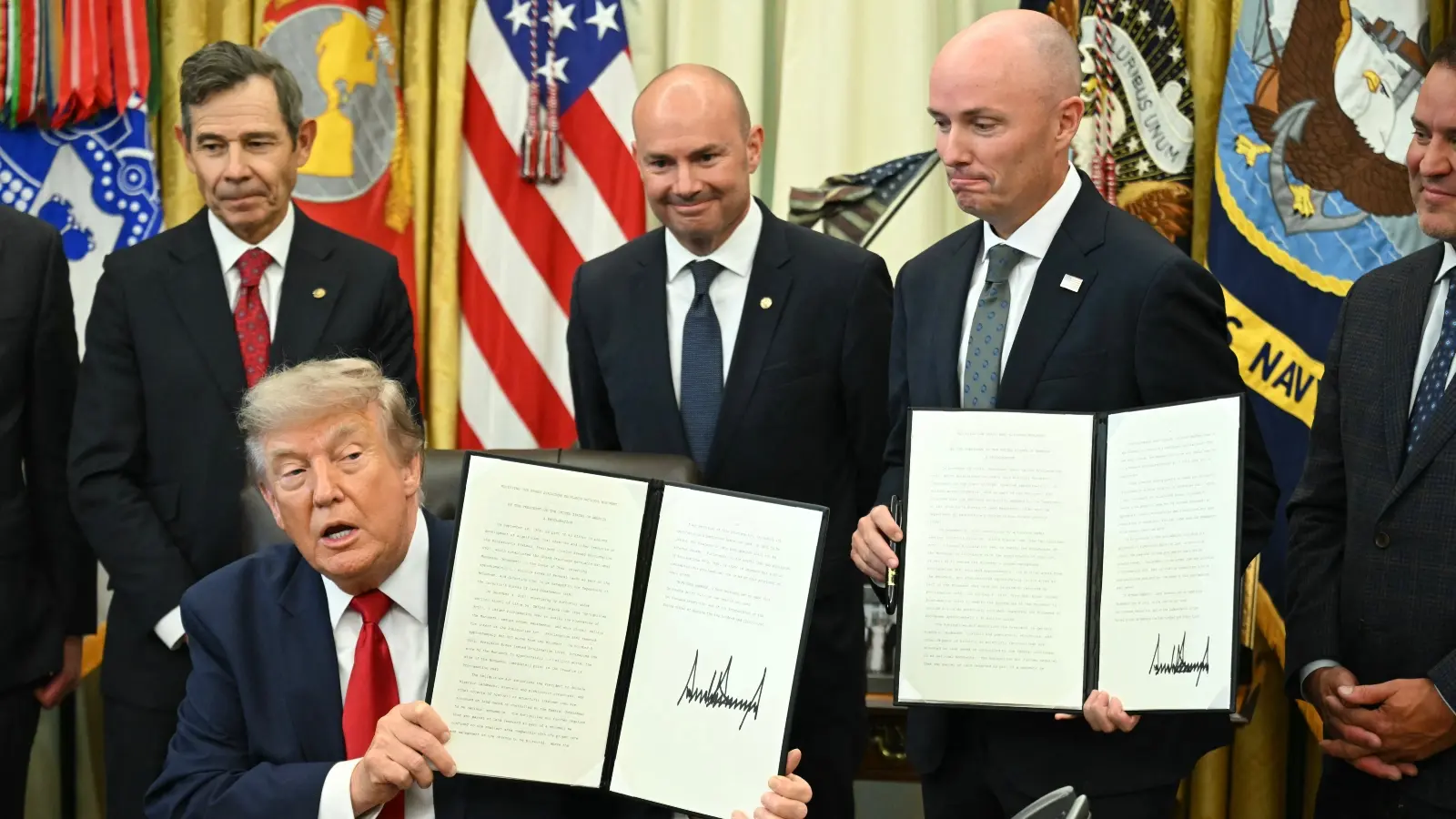
In a move that has sent shockwaves through environmental, tribal, and legal circles, President Donald Trump has signed two sweeping executive orders that effectively dismantle the protections for over 2.7 million acres of public land in southern Utah. As of Monday morning, the Bears Ears and Grand Staircase-Escalante National Monuments encompassed a combined area of approximately 3.2 million acres, safeguarding a vast expanse of high-desert wilderness, unique geological formations, and thousands of archaeological sites. By Monday evening, the administration had reduced these protected areas to a mere 302,600 acres—a reduction of nearly 90 percent.
While this action mirrors the administration’s 2017 effort to downsize the monuments, the scale of the current reductions is significantly more aggressive. The executive orders not only reverse the 2021 restoration of these lands by the Biden administration but also cut deep into the boundaries established during the first Trump term. This decision marks a pivotal moment in the ongoing conflict between federal conservation efforts and the push for industrial resource extraction on public lands.
The Magnitude of the Reductions
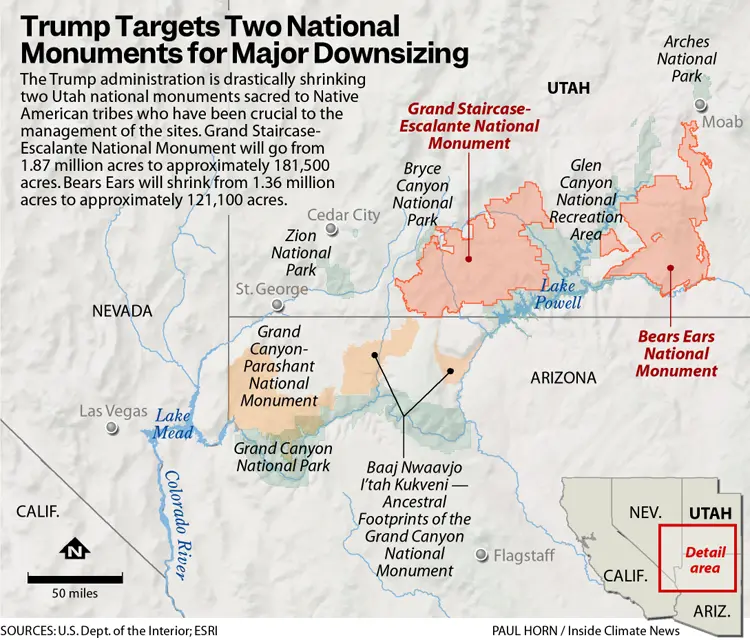
The geographical impact of these executive orders is profound. Bears Ears National Monument, which originally spanned 1.36 million acres when established in 2016, had been restored to those boundaries by President Joe Biden. Under the new orders, it has been decimated to a fraction of its former size. Similarly, Grand Staircase-Escalante, which once covered nearly 1.9 million acres, has been stripped of the vast majority of its protected status.
In December 2017, the first Trump administration reduced Bears Ears by 85 percent and Grand Staircase-Escalante by roughly half. The 2026 orders go much further, leaving less than a quarter of the acreage that remained after the 2017 cuts. The administration justified these moves by claiming that the expansive designations were an example of "federal overreach" that hindered local economic activities such as grazing, hunting, and fishing. However, conservationists and land managers have pointed out that these activities were already permitted and managed under the previous monument status, provided they did not damage the protected cultural and natural resources.
A Chronology of Monument Conflict
The battle over Utah’s national monuments is rooted in a decades-long debate over the scope of the Antiquities Act of 1906. This landmark legislation grants the President the authority to designate federal lands as national monuments to protect "historic landmarks, historic and prehistoric structures, and other objects of historic or scientific interest."
- 1906: President Theodore Roosevelt signs the Antiquities Act into law.
- 1996: President Bill Clinton designates the 1.7 million-acre Grand Staircase-Escalante National Monument, citing its unique "Grand Staircase" of cliffs and its wealth of paleontological resources.
- 2016: President Barack Obama designates the 1.35 million-acre Bears Ears National Monument following years of advocacy by a coalition of five Tribal Nations.
- 2017: President Donald Trump issues proclamations to significantly shrink both monuments, opening the excluded lands to potential mining and drilling.
- 2021: President Joe Biden signs executive orders restoring the original boundaries of both monuments, citing the need to protect cultural heritage and biodiversity.
- 2024-2025: Legal challenges by the State of Utah wind through the federal courts, questioning whether the Antiquities Act allows for "landscape-scale" monuments.
- June 2026: The 10th Circuit Court of Appeals revives a lawsuit by the State of Utah against the Biden administration’s restoration, setting the stage for further executive action.
- July 2026: President Trump signs the current executive orders, reducing the monuments to their smallest sizes in history.
The Drive for Extraction and Economic Implications
The primary driver behind the reduction appears to be the administration’s commitment to domestic energy production and mineral extraction. The lands formerly within the monument boundaries are known to contain significant deposits of uranium, coal, oil, and natural gas. By removing the monument status, these lands revert to standard Bureau of Land Management (BLM) oversight, which is generally more permissive toward industrial leasing.
John Ruple, a law professor and program director at the University of Utah’s Wallace Stegner Center, noted that the administration is being explicit about its motives. "He’s saying the quiet part out loud," Ruple said. "I’m doing this so that we can mine and drill and graze cows."
However, the economic benefit of extraction is a subject of intense debate. A growing body of data suggests that protected public lands are significant drivers of the "New West" economy, which relies on outdoor recreation, tourism, and the attraction of high-tech businesses to scenic areas. According to the Headwaters Economics research group, counties with higher percentages of protected federal lands have historically seen faster growth in jobs and personal income compared to those without. Critics of the reduction argue that the short-term gains from mining could be offset by long-term damage to Utah’s multi-billion-dollar outdoor recreation industry.
Tribal Sovereignty and Cultural Loss
The reduction of Bears Ears is particularly contentious due to its status as the first national monument established at the request of a coalition of Tribal Nations—the Hopi Tribe, Navajo Nation, Ute Indian Tribe, Ute Mountain Ute Tribe, and Zuni Tribe. These tribes consider the landscape sacred, housing thousands of ancestral sites, cliff dwellings, and petroglyphs.
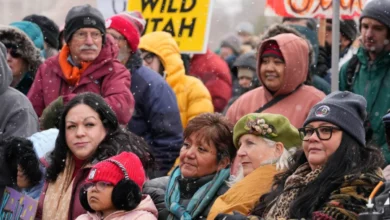
The new executive orders effectively terminate the inter-tribal working group that had been established to co-steward the monument with federal agencies. Tribal leaders have expressed outrage, stating they were not consulted prior to the announcement. Davina Smith-Idjesa, a member of the Navajo Nation, described the move as a painful reminder of historical injustices. "This is not a political talking point for me. This is home," she said. "You cannot take a pin, draw a line through the landscape, and tell us what remains should be enough."
The loss of protection also raises concerns about the looting and vandalism of archaeological sites. Without the enhanced funding and law enforcement presence that often accompanies monument status, these remote areas are more vulnerable to the illegal removal of artifacts and damage to sacred sites.
Legal Challenges and the Antiquities Act
The legal validity of the President’s actions is expected to be challenged immediately in federal court. The central question is whether the Antiquities Act, which explicitly grants the power to create monuments, also implies the power to reduce or abolish them.
While past presidents have made minor adjustments to monument boundaries, no president before Trump had attempted such a massive reduction. Legal scholars like Ruple argue that the power to rescind or significantly alter a monument lies solely with Congress. The upcoming litigation will likely focus on whether the 2026 orders constitute a "revocation" of the monuments rather than a "modification."
The timing of the orders is also legally strategic. By shrinking the monuments now, the administration may attempt to argue that ongoing lawsuits regarding the Biden-era restorations are "moot," as those specific boundaries no longer exist in the eyes of the executive branch. This could force environmental and tribal groups to start the legal process from scratch, delaying any potential injunctions.
Broader Policy Context: Project 2025 and Beyond
The decision to shrink the Utah monuments aligns with the broader policy goals outlined in "Project 2025," a roadmap for a second Trump administration developed by the Heritage Foundation. This plan advocates for a radical shift in federal land management, prioritizing commercial use over conservation and suggesting the outright repeal of the Antiquities Act.
The Department of Justice (DOJ) also recently issued an opinion asserting that the president has the authority to review and eliminate national monuments. This indicates a coordinated effort within the administration to dismantle the conservation legacy of previous presidents and reshape the federal government’s relationship with Western lands.
Political and Social Reactions
The response to the executive orders has been starkly divided. Utah’s Republican leadership, including Governor Spencer Cox and the state’s congressional delegation, largely praised the move as a victory for state sovereignty and "common-sense" land management. They argue that the vast size of the monuments placed an undue burden on local communities and restricted traditional uses of the land.

Conversely, Democratic lawmakers and environmental advocates have condemned the move. Senator Ben Ray Luján of New Mexico emphasized that while the monuments are located in Utah, they are national assets. "These monuments belong to all of us across the United States," he stated, warning that this could be the beginning of a broader assault on the National Park System and other protected areas.
Tracy Stone-Manning, president of the Wilderness Society and former director of the BLM, called the decision a betrayal of future generations. "As our nation marks 250 years, these public lands should be handed down, not over to drilling and mining interests," she said.
Potential Impacts and Future Outlook
The immediate impact of the executive orders will be a period of intense uncertainty. While the orders are set to take effect in 60 days, the inevitable flurry of lawsuits may result in court-ordered stays that prevent any immediate industrial development.
In the long term, the reduction could lead to:
- Habitat Fragmentation: Large-scale mining and road construction could disrupt the migration corridors of wildlife such as mule deer and desert bighorn sheep.
- Climate Implications: Opening these lands to fossil fuel extraction could increase greenhouse gas emissions, running counter to global efforts to mitigate climate change.
- Legal Precedent: A Supreme Court ruling on this case could fundamentally redefine presidential power, either cementing the executive’s ability to alter public land protections or strictly limiting it to Congress.
As the 60-day window approaches, all eyes will be on the federal courts. For the tribes and conservationists who have spent decades fighting for these landscapes, the battle for Bears Ears and Grand Staircase-Escalante is far from over; it has simply entered its most volatile chapter yet.
Related posts: