The night sky, a canvas of celestial wonder that has inspired humanity for millennia, faces an unprecedented threat from the burgeoning ambitions of private space companies. Plans to launch over a million data center satellites and tens of thousands of orbiting mirrors could fundamentally alter, and potentially obliterate, our view of the cosmos. Astronomers are issuing stark warnings, likening the potential outcome to a "Saturn’s ring" of artificial lights encircling the Earth, a luminous band so bright it would outshine every star and planet, rendering the night sky unrecognizable from every point on the globe.
The Dawn of a New Orbital Era: Unprecedented Satellite Proliferation
The scale of proposed satellite deployments is staggering. Companies like SpaceX, Starcloud, Cowboy Space, Orbital, and Blue Origin have collectively applied to the U.S. Federal Communications Commission (FCC) for licenses to launch more than a million data center satellites. This "orbital data center frenzy," which gained momentum last year, involves placing vast computational infrastructure into orbit, promising global connectivity and advanced processing capabilities. China is also actively pursuing this frontier, with plans to establish its own orbital data center network within the next five years.
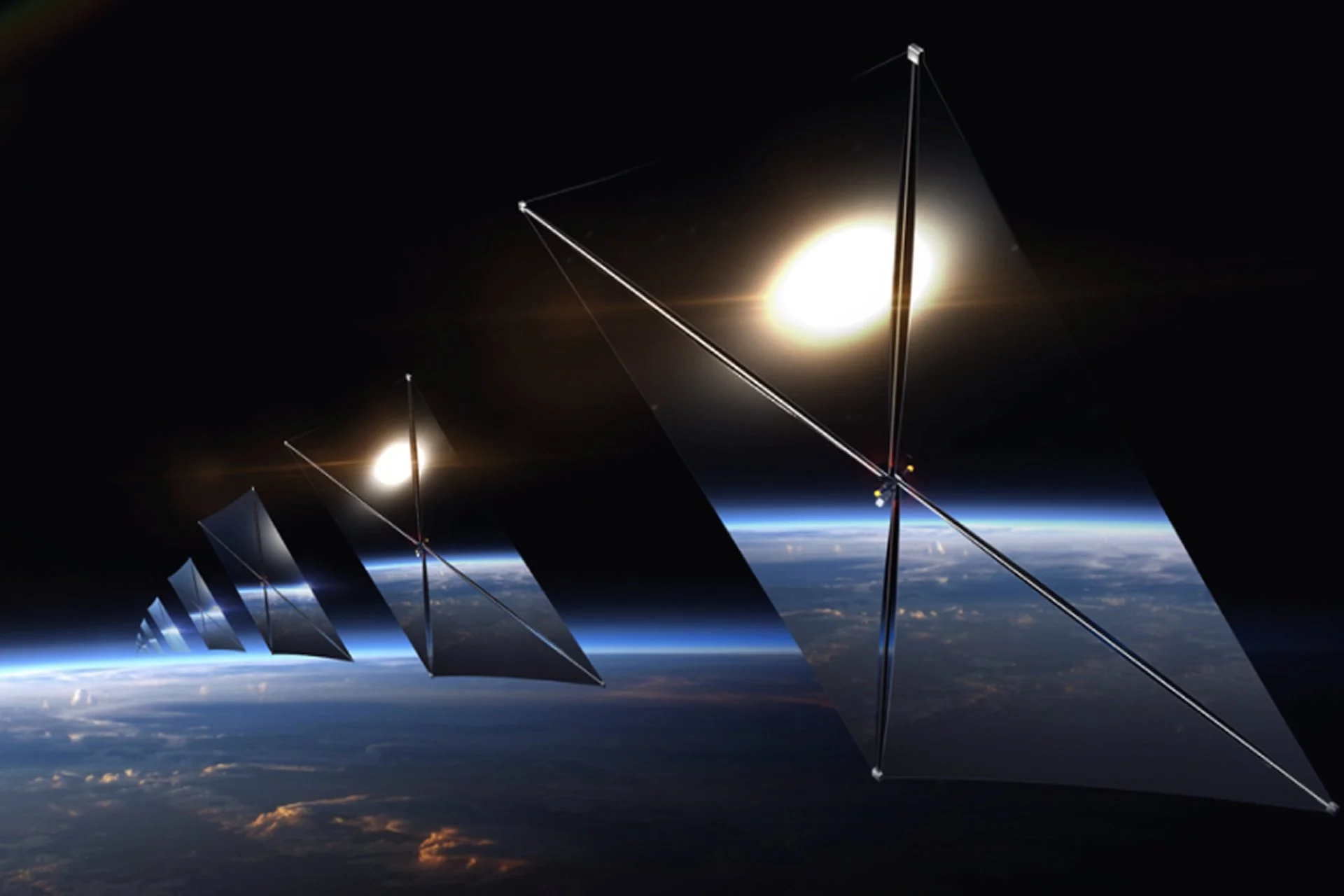
Adding to this celestial congestion is Reflect Orbital, a California-based company with ambitions to deploy 50,000 orbiting mirrors. These mirrors are designed to reflect sunlight to terrestrial solar power plants after dusk, extending their operational hours. Reflect Orbital recently received FCC approval for its first demonstration satellite, a 60 by 60 feet (18 by 18 meter) craft named Earendil-1, slated for launch by the end of this year. This marks a significant step towards realizing a constellation that astronomers fear could have catastrophic consequences.
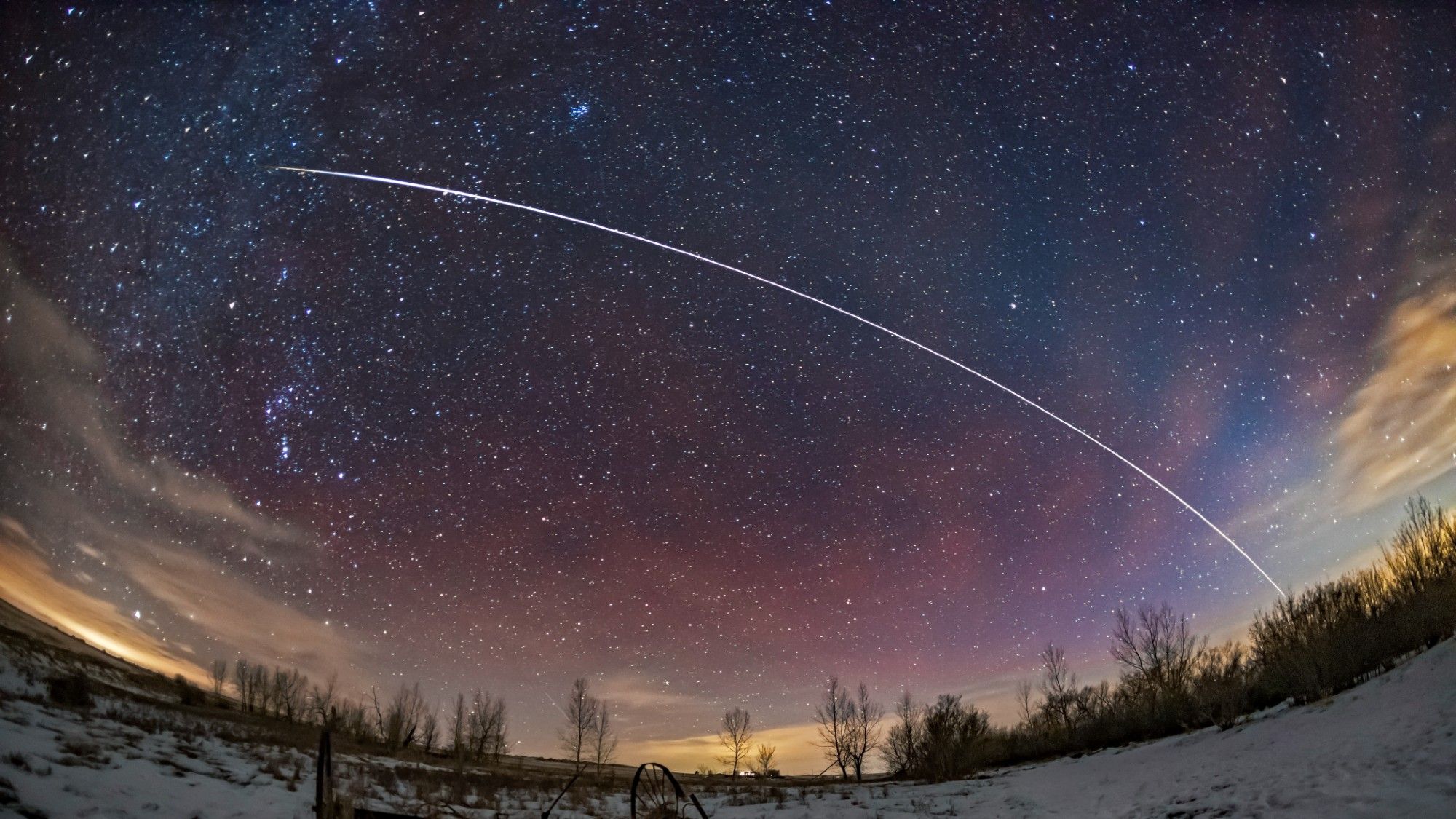
The "Saturn’s Ring" Phenomenon: An Artificial Luminosity in Our Skies
The fundamental challenge posed by these massive constellations lies in their proposed orbital mechanics. To maximize solar power and maintain constant connectivity, these satellites and mirrors are being designed to orbit Earth along the terminator line – the boundary between day and night. This specific orbital path, which passes over the planet’s poles, necessitates a concentrated arrangement of spacecraft in a single plane.
Professor Hugh Lewis, a professor of astronautics at the University of Birmingham in the U.K., explained the geometrical necessity: "The only way to accommodate the high number of data center constellations that have been proposed is to stack them above another in orbit above the boundary between day and night, creating an artificial ‘Saturn’s Ring’ of satellites around the planet." He elaborated on the visual impact: "If you were to look up at night, they would be all in one plane, really close together, going in the same direction. The impact on the night sky would be absolutely catastrophic."
This artificial ring, traversing the sky for hours after dusk and before dawn, is projected to be significantly brighter than any star or planet, and potentially even outshine the full moon. Samantha Lawler, an astronomer at the University of Regina in Saskatchewan, Canada, echoed these concerns. Her team’s computer modeling, visualizing the impact of proposed constellations like SpaceX’s Starmind, Blue Origin’s Project Sunrise, and Cowboy Space’s Stampede, suggests that these satellites would not only outshine stars but also outnumber them.
A Timeline of Concern: From Fanciful Prospect to Imminent Reality
While the concept of such a densely populated orbit might have seemed like science fiction just a few years ago, the rapid pace of regulatory approvals and launch plans has transformed it into a distinct possibility. The FCC’s decision to grant Reflect Orbital a license for its test satellite, Earendil-1, is seen by many in the astronomical community as a critical turning point. This authorization, despite objections, signals a potential acceleration of projects that could irreversibly alter the night sky.
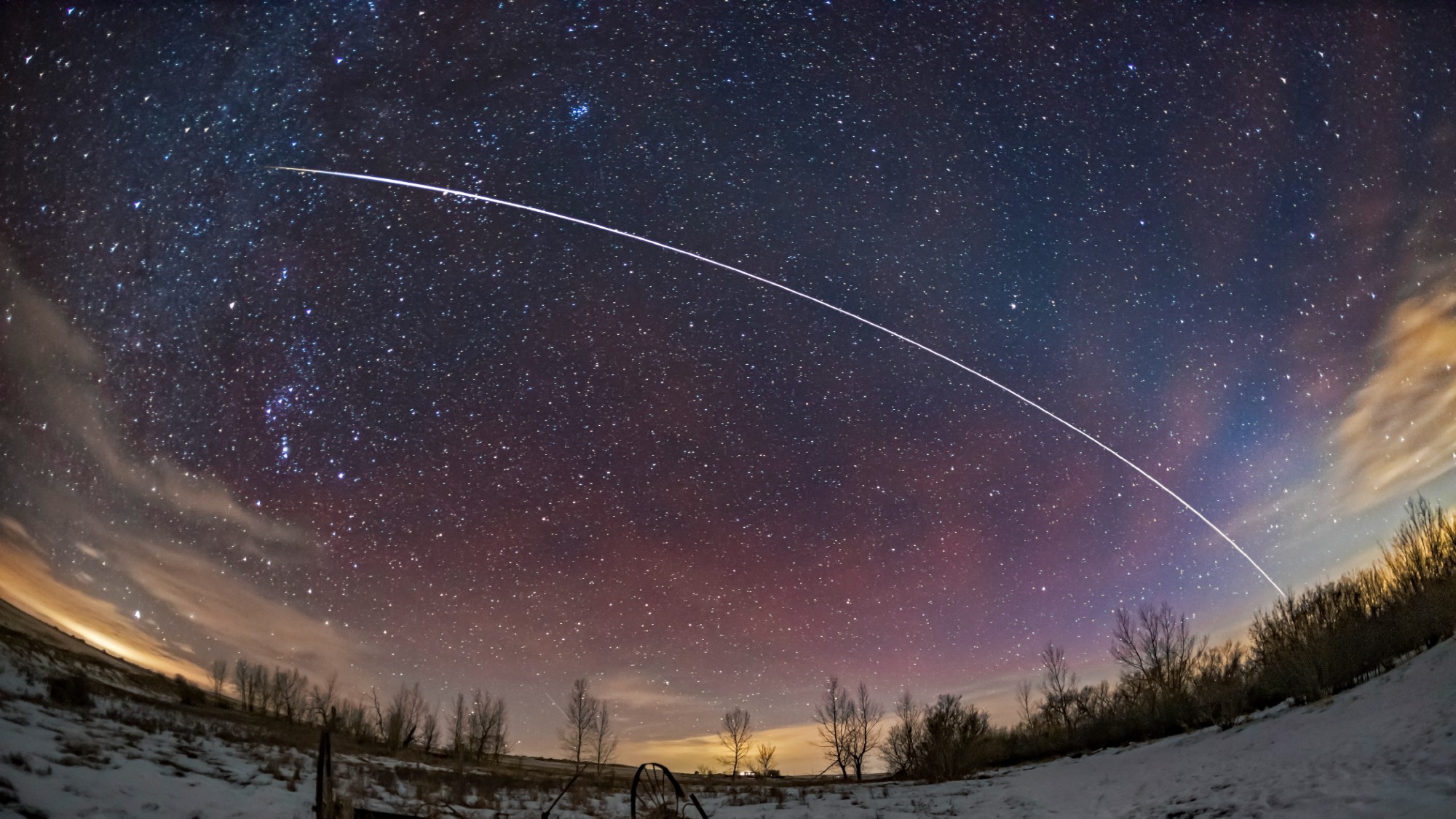
The timeline for the full deployment of these constellations remains fluid, dependent on technological advancements, funding, and further regulatory processes. However, the approval of initial demonstration satellites suggests that the development and launch phases are already underway. The implications of this rapid deployment are profound, threatening to diminish the natural beauty of the night sky and compromise astronomical research within a relatively short period.
The Scientific Stakes: Beyond Aesthetics to Critical Research
The impact of these mega-constellations extends far beyond the aesthetic loss of a starry night. Astronomers warn of severe consequences for scientific research, particularly in fields reliant on clear, dark skies.
"It would make our taxpayer-funded telescope time much less effective," Lawler stated. "We could do a lot less science for the same cost, and many science cases, including the search for dangerous near-Earth asteroids, would be seriously compromised." The scattered light from the proposed satellite rings would significantly brighten the night sky, reducing the sensitivity of telescopes and potentially obscuring faint celestial objects. This increased sky brightness could make it more difficult to detect and track potentially hazardous asteroids, posing a risk to planetary defense efforts.
Furthermore, the intense luminosity could damage sensitive research telescope equipment and even pose risks to human vision. The American Astronomical Society (AAS) highlighted in a statement criticizing the FCC’s approval of Earendil-1 that the satellite "carries the potential for significant harm… including damage to sensitive research telescope equipment, potential flash-blinding of pilots and drivers, and – as Reflect Orbital stated in its own FCC filings – potential permanent eye damage to anyone looking through a mid-sized telescope."
Regulatory Gaps and Corporate Responses: A Collision of Interests
The regulatory framework governing satellite launches appears to be a significant point of contention. The FCC, in its Order and Justification for Reflect Orbital’s mission license, stated that "impacts on optical astronomy fall outside [FCC’s] review and authorization." This position has drawn sharp criticism from astronomers, who argue that the FCC is the primary, if not sole, agency responsible for regulating U.S. satellite launches and reviewing applications for their environmental and astronomical impacts.
"The FCC is the only agency that’s regulating American satellite launches," Lawler pointed out. "But if the FCC says that this is not their problem, then whose problem is it?" The AAS has urged the FCC to "consider all of the impacts of the satellite’s use case," emphasizing that in the absence of another U.S. regulatory body with such oversight, the FCC should broaden its mandate.
Companies like Reflect Orbital maintain that they are committed to minimizing disruption and cooperating with the scientific community. A spokesperson for the company stated, "Every stage of our development is guided by data – testing, measuring, listening and adapting. We are actively commissioning independent, third-party research on the impacts of our technology." They argue that orbital data centers offer environmental benefits on Earth by reducing land use, water consumption for cooling, and strain on power grids.
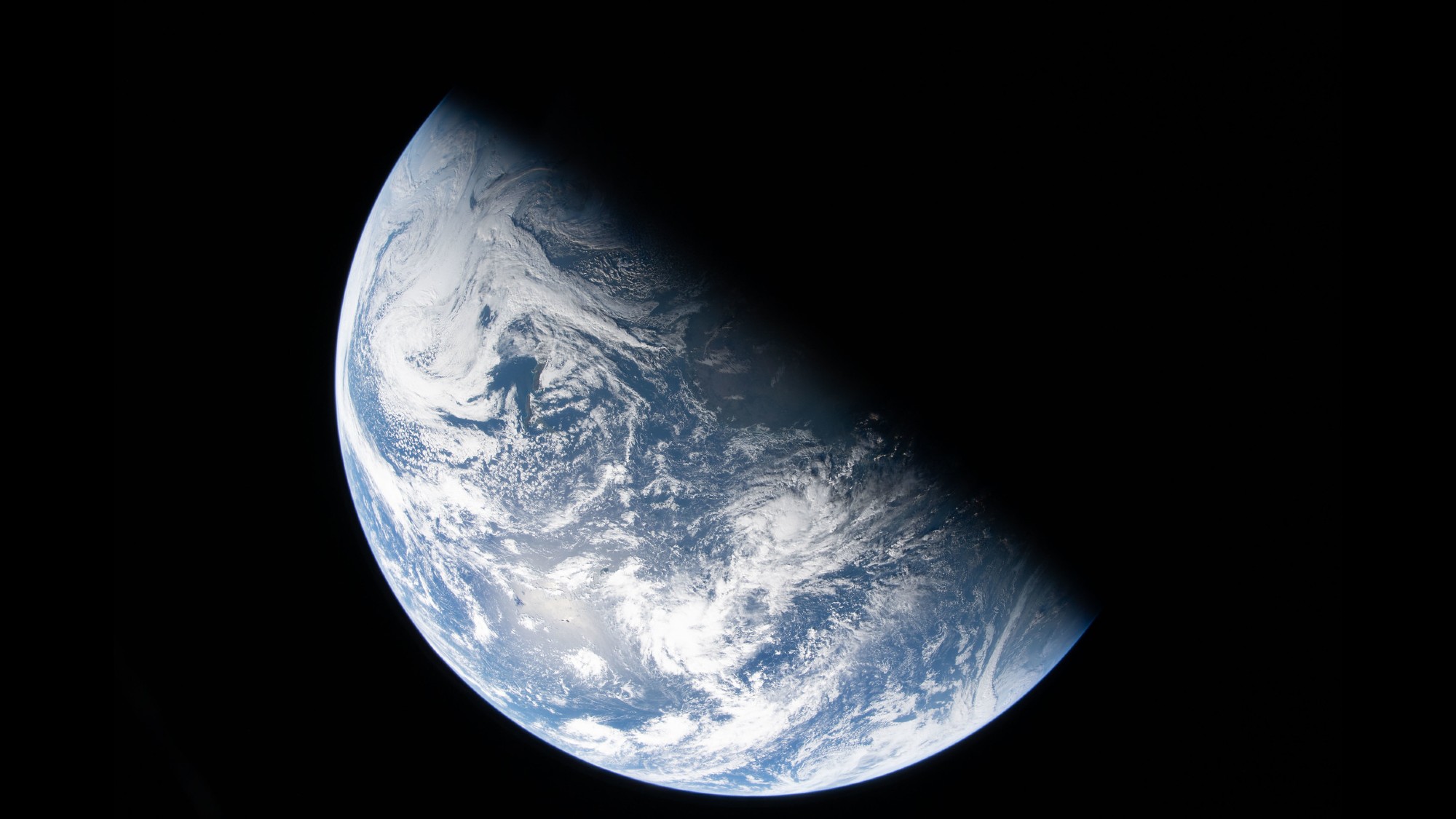
However, astronomers remain unconvinced. John Barentine, an astronomer and dark sky advocate, expressed grave concerns: "Humanity has already fundamentally altered the cosmos to the point where Earth is now an artificial ‘ringed planet’ choked by satellites and space debris. But projects like Reflect Orbital will turn those mostly now invisible rings into bright reflective tracks. We aren’t talking about a just scattered field of bright, moving dots anymore. Rather, this is a permanent, artificial ‘ring of Saturn’ effect cutting right through the most critical twilight observing windows for global astronomy."
The Future of the Night Sky: A Choice Between Progress and Preservation
The looming threat to the night sky presents a complex dilemma, pitting technological advancement and commercial interests against scientific inquiry and the preservation of a shared natural heritage. While the potential benefits of orbital data centers and enhanced solar power generation are significant, the cost to our celestial view could be irreparable.
The increasing size and lower orbits of satellites, exemplified by SpaceX’s Starlink constellation, have already made individual satellites visible to the naked eye, transforming the night sky into a more cluttered domain. The proposed "Saturn’s ring" of even more numerous and brighter objects represents a quantum leap in this alteration.
As the debate intensifies, the question remains: can humanity find a balance between its drive for innovation in space and its responsibility to safeguard the natural wonders that have illuminated our understanding of the universe for eons? The decisions made in the coming months and years regarding the regulation and deployment of these mega-constellations will undoubtedly shape the future of the night sky for generations to come. The scientific community is calling for greater oversight and consideration of astronomical impacts, fearing that without intervention, the cosmic tapestry that has inspired awe and driven discovery may soon be lost forever, replaced by a dazzling, yet ultimately hollow, artificial ring.
Related posts: