Haitian TPS Holders Face Mass Deportation as Supreme Court Decision Guts Protections, Threatening Florida’s Vital Healthcare Sector and Economy

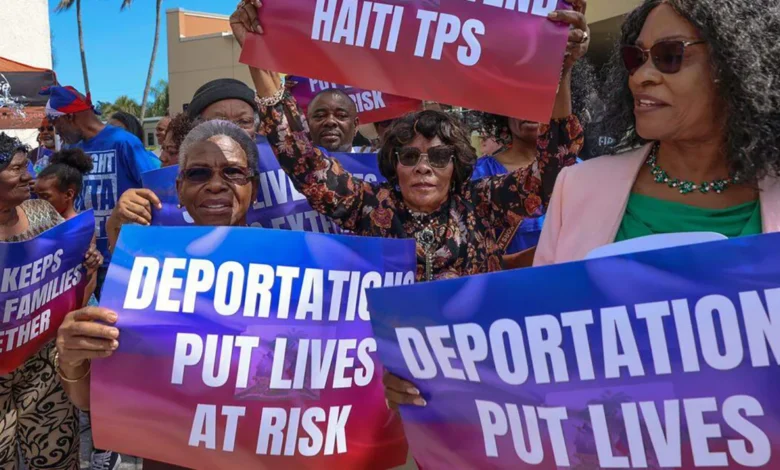
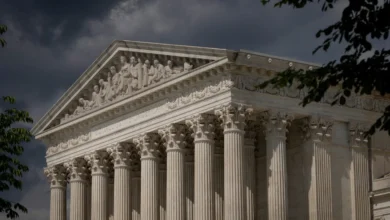
This week marks a critical juncture for approximately 350,000 Haitians residing in the United States, as a recent US Supreme Court decision on June 25 has paved the way for the Trump administration to dismantle the Temporary Protected Status (TPS) program. This ruling effectively eliminates legal status for a significant portion of the Haitian community, with devastating repercussions expected to ripple across the nation, particularly in Florida, where roughly half of these individuals reside. The imminent expiration of TPS protections, including work permits, on July 24, has ignited widespread concern among immigrant advocates, healthcare associations, and lawmakers, highlighting the profound human and economic costs of this policy shift.
Background: The Genesis of Temporary Protected Status for Haiti
The Temporary Protected Status program was established by the Immigration Act of 1990, designed to offer refuge to foreign nationals unable to return safely to their home countries due to armed conflict, natural disasters, or other extraordinary and temporary conditions. For decades, it has served as a crucial lifeline for immigrants from nations grappling with crises, granting them work authorization and protection from deportation, contingent upon regular background screenings.
Haiti was designated for TPS in the aftermath of the catastrophic 7.0 magnitude earthquake on January 12, 2010. The devastating tremor, centered near the capital Port-au-Prince, claimed an estimated 200,000 to 300,000 lives, displaced millions, and crippled the nation’s infrastructure, making safe return impossible for many of its citizens abroad. The initial designation was a humanitarian response to an unprecedented disaster, recognizing the immense challenges Haiti faced in reconstruction and stabilization. Since then, the status has been periodically extended, reflecting the ongoing instability and slow recovery process in the island nation. Subsequent natural disasters, including Hurricane Matthew in 2016, further underscored Haiti’s vulnerability and reinforced the rationale for continued TPS protections.
The Legal Battle and Supreme Court’s Role
The Trump administration, as part of a broader anti-immigrant agenda, initiated efforts to terminate TPS for over one million immigrants from various countries, including Venezuela, Honduras, Nicaragua, Somalia, Burma, El Salvador, Nepal, and Sudan. These terminations were met with fierce legal challenges, with immigrant advocacy groups arguing that the decisions were arbitrary, politically motivated, and failed to consider the actual conditions in the designated countries.
The specific case that led to the June 25 Supreme Court decision, Department of Homeland Security v. Regents of the University of California, centered on the Deferred Action for Childhood Arrivals (DACA) program. However, its implications extended to TPS, particularly for Haiti and Syria. While the DACA ruling provided a temporary reprieve for DACA recipients, the Supreme Court simultaneously cleared the path for the administration to proceed with its plans to end TPS for several countries, effectively allowing the previous administration’s termination decisions to move forward. This ruling removed a critical legal hurdle that had temporarily blocked the deportations of thousands of TPS holders, plunging their futures into immediate uncertainty. The decision has been widely criticized by immigrant rights organizations as a severe blow to humanitarian protections and a disregard for the realities faced by those who have built lives and contributed to American society for years.
Florida: The Epicenter of Impact
No state is poised to feel the repercussions of the loss of Haitian TPS recipients more acutely than Florida. With approximately 175,000 of the 350,000 affected Haitians residing within its borders, the Sunshine State faces a disproportionate social and economic shockwave. These individuals have become deeply integrated into Florida’s communities and economy over the past decade and a half.
According to data released in January by the Haitian Bridge Alliance and other advocacy groups, Haitian TPS holders contribute an estimated $2.6 billion annually to Florida’s economy. This economic impact spans various sectors, including hospitality, agriculture, and critically, healthcare. Their removal not only represents a loss of labor but also a significant reduction in consumer spending, tax contributions, and overall economic vitality. The demographic reality of Florida, with its large and rapidly growing older adult population, further amplifies the potential crisis, as many Haitian TPS holders are employed in care-related professions.
The Human Cost: Stories from the Frontline
The abstract numbers translate into tangible human stories, like that of Nina, a certified nursing assistant (CNA) in Florida. Speaking on condition of anonymity due to her precarious legal status, Nina embodies the plight of thousands. She and her two children sought refuge in the US following the 2010 earthquake, subsequently receiving TPS. Over the years, Nina has become an indispensable part of Florida’s healthcare system, working at two nursing homes. Her duties involve providing essential care—feeding, grooming, and bathing residents—and offering emotional support, especially to those without family. During the peak of the Covid-19 pandemic, when visitation was restricted, Nina was among the healthcare heroes who held the hands of patients on their deathbeds, a testament to her dedication and the profound bonds she forms with those under her care.
Nina’s work permit is set to expire on July 24, forcing her to confront an agonizing reality. "I try to keep a smile on my face, but my world is upside down," she confided, expressing her deep love for her home country but emphasizing that "right now is not the right time (to return)." Her former neighborhood in Port-au-Prince, like much of Haiti, has been overrun by violent gangs, rendering it a perilous environment. Her voice tired, she described Haiti as "still a war zone," concluding, "Going back right now is a death sentence." This sentiment is echoed by countless others who face the same impossible choice: return to a country in chaos or remain undocumented in the US, risking deportation and family separation.
Healthcare Crisis Deepens: Industry Reactions and Data
The impending loss of Haitian TPS holders poses a severe threat to Florida’s already strained healthcare sector. An estimated 35,000 Haitians in Florida under TPS work in various healthcare roles, including nurses, certified nursing assistants (CNAs), and home health aides. Their contributions are vital, especially given the state’s demographic trends.
Florida is home to one of the nation’s largest and fastest-growing older adult populations, leading to a consistently increasing demand for long-term care services. The state has notoriously struggled with healthcare staffing shortages, with recent reports indicating it ranks last in the country for the availability of home health care workers. This pre-existing crisis is now exacerbated by the potential removal of a significant portion of its healthcare workforce.
The Florida Health Care Association (FHCA), representing hundreds of assisted living facilities, nursing homes, and rehabilitation centers, has proactively addressed this concern. In a letter to the US Department of Homeland Security, the FHCA requested an exemption for their Haitian TPS workers, highlighting the "exceptionally competitive labor market" and the challenges in finding qualified personnel. The letter warned that "any significant reduction in the available workforce would make it more difficult to serve current and new residents, causing a ripple effect that could overwhelm our local hospitals and the entire healthcare system."
Kyle Simon, senior director of communications at the Home Care Association of Florida, which represents thousands of providers, affirmed that the TPS issue "is something else that’s going to create more of a workforce challenge." Denise Bellville, the association’s executive director, shared a stark example of one provider facing the dismissal of six nurses providing at-home care to children. "You don’t want the kids to go to a higher level of care, but the care is not able to be provided by family members," Bellville explained. "So now, what happens?" Employers are caught between the dilemma of dismissing dedicated employees or risking penalties from immigration enforcement (ICE), with the ultimate concern being that "patients are going to end up in a higher level of care."
Margarette Nerette, a vice president for 1199SEIU Florida, the state’s largest healthcare worker union, reports being "deluged with calls" from anxious members. She estimates that over 200 workers in South Florida alone are under TPS, with some nursing homes having as many as 30 out of 100 employees holding this status. "I don’t know how we’re going to survive this," said Nerette, a Haitian-born US citizen who left her country over 30 years ago. "The workers are suffering, but the patients are going to suffer more." The anticipated staffing shortages mean existing caregivers, like Nina, will be forced to take on even heavier workloads, often assigned to care for 10-20 residents per shift, leading to burnout and potentially compromising patient care quality. Nerette issues a challenge to elected officials: "come to the nursing home, walk one day in our shoes to feel like what the job is all about."
Economic Repercussions Beyond Healthcare
The economic impact extends beyond the healthcare sector. The $2.6 billion annual contribution to Florida’s economy from Haitian TPS holders encompasses diverse industries. Many work in agriculture, hospitality, construction, and service industries, all of which are vital to the state’s economic engine. The sudden removal of this workforce segment will create labor gaps, increase operational costs for businesses, and reduce overall productivity. Beyond direct labor, these individuals are consumers who spend money on housing, food, transportation, and other goods and services, contributing to local tax bases. The ripple effect of their departure could lead to decreased economic activity, potentially impacting state and local revenues.
Haiti’s Volatile Reality: A "Death Sentence" for Returnees
The United States Department of State currently advises Americans to "Do Not Travel" to Haiti, citing "kidnapping, crime, civil unrest, and poor health care infrastructure." The travel advisory, updated frequently, paints a grim picture of a nation gripped by armed conflict between powerful gangs, widespread kidnappings, and other violent crimes. The main airport in Port-au-Prince has experienced periods of closure and even gunfire incidents targeting planes, making commercial flights unreliable or impossible. Essential services are often disrupted, and the security situation remains volatile and unpredictable.
These official warnings corroborate the desperate pleas of TPS holders like Nina, who describe returning to Haiti as a "death sentence." The country lacks the capacity to safely reabsorb hundreds of thousands of returnees, many of whom have not lived there in over a decade. The influx could further destabilize an already fragile nation, exacerbating humanitarian crises and potentially fueling further migration.
Seeking Solutions: Legislative Efforts and Legal Pathways
Amidst the growing crisis, lawmakers in Congress have been working on legislative solutions. A bill currently under consideration aims to preserve legal protections for Haitians until 2029. This measure, Senate Bill 4814, has garnered bipartisan support, including from Florida Republicans such as US Representatives Carlos Gimenez, Maria Elvira Salazar, and Mario Díaz-Balart. Representative Gimenez publicly stated on July 5, "Haiti is a failed state, and I think that deporting Haitians who are under TPS right now, back to Haiti would be a huge mistake." The bill successfully passed the House in April and is now awaiting consideration in the Senate, offering a glimmer of hope for affected communities.
However, for many TPS holders, other legal pathways to permanent residency remain limited and complex. Attorney Eddy Laguerre, a Haitian-American immigration lawyer in Miami, notes that while some may qualify for green cards through marriage to a US citizen or through adult US-born children, this is not an option for everyone. Furthermore, the process for employer-sponsored work visas can take years, and individuals who at any point lived in the US without documentation would typically need to apply from their home country, forcing them back to the dangerous conditions in Haiti. Laguerre emphasizes that many TPS holders have "clean records and good jobs" but are stuck in a system that "is not offering anything else" beyond temporary protection.
Community Response and Advocacy
On the ground in South Florida, immigrant advocacy groups like Americans for Immigrant Justice (AIJ) are mobilizing to provide crucial guidance and support to Haitians assessing their options. Sui Chung, AIJ’s executive director, describes a pervasive "sense of terror and disbelief" among TPS holders. "They don’t know what’s next for them," Chung states, expressing particular concern about potential family separations as parents face the "difficult choice" of whether to leave their US-born children behind. Legal aid clinics and informational sessions are being organized to help individuals understand their limited options and prepare for the looming deadline.
Employers, too, are seeking legal advice on how to retain their valuable workforce. Laguerre has received calls from hospital executives and nursing home directors exploring sponsorship options, underscoring the widespread recognition of these workers’ essential contributions.
Looking Ahead: Uncertainty and Resilience
As the July 24 deadline approaches, the future for hundreds of thousands of Haitian TPS holders, their families, and the communities they serve remains uncertain. Nina, like many others, has no clear path forward. Her quadriplegic mother is in a nursing home, and her children have built their lives in the US as TPS holders. At work, she finds solace and strength in solidarity with her colleagues. "We try to lift each other up. Whenever we hear some kind of information, we try to share it," she said. "We try to support each other. That’s what we can do for now."
The situation underscores a broader national debate about immigration policy, economic needs, and humanitarian responsibility. The outcome of the Senate bill, along with potential administrative actions or further legal challenges, will determine the fate of a community that has deeply embedded itself in American life, particularly in Florida, and whose contributions are now more vital than ever. The impending crisis serves as a stark reminder of the interconnectedness of immigration policy, economic stability, and the fundamental well-being of vulnerable populations.