World News in Brief: Aid for Ukraine, drone attacks in Sudan, DR Congo deaths, neurological disorders in the Americas

The global humanitarian landscape remains fraught with urgent crises, as international bodies grapple with the immediate needs of conflict-affected populations and long-term health challenges. From the looming winter in Ukraine to deadly conflicts in Sudan and the Democratic Republic of Congo, and a pervasive public health crisis across the Americas, the United Nations and its partners are mobilizing resources and expertise to mitigate suffering and address systemic vulnerabilities. These multifaceted challenges underscore the interconnectedness of global security, health, and development, demanding coordinated and sustained international responses.
Ukraine’s Winter of Resilience: Humanitarian Appeal Amidst Ongoing Conflict
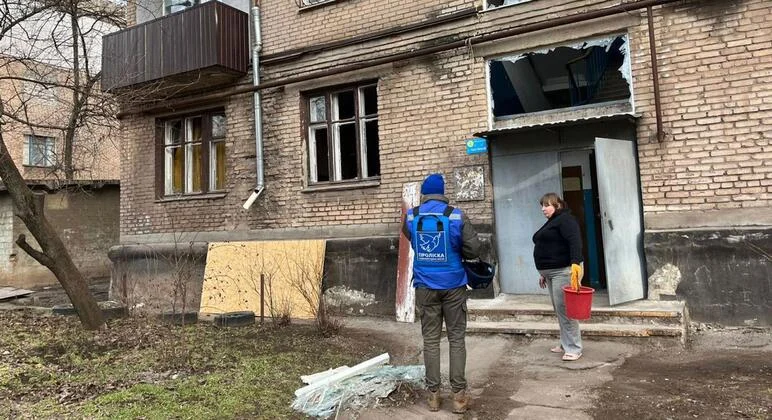
As winter approaches, the United Nations’ humanitarian office in Ukraine has launched a critical appeal for $358.4 million to provide essential aid to 2.1 million people across the country. This comprehensive winter response plan, announced on Wednesday, aims to deliver heating assistance, facilitate urgent shelter repairs, ensure access to healthcare, enhance protection services, and distribute food and cash assistance to vulnerable Ukrainians. The initiative is a direct response to the anticipated harsh conditions and the persistent threat of attacks on civilian infrastructure, which have historically exacerbated humanitarian suffering during the colder months.
The urgency of this appeal is rooted in the bitter experiences of previous winters since the full-scale Russian invasion began in February 2022. Matthias Schmale, the humanitarian coordinator for Ukraine, starkly reminded the international community, "Last winter showed us that attacks on energy can leave families without heating, electricity, and water for days – and sometimes weeks – during freezing temperatures." The deliberate targeting of energy infrastructure has become a grim feature of the conflict, plunging millions into darkness and cold, particularly in areas already devastated by fighting. Preparations are now underway to pre-position aid and ensure that assistance can reach those most in need before the severe winter weather sets in.
The UN’s strategy for winter assistance is meticulously designed to prioritize the most vulnerable populations. This includes individuals residing closest to the active frontlines, newly displaced persons, those recently evacuated from dangerous areas, and communities directly impacted by assaults on civilian infrastructure. Additionally, particular attention is being paid to vulnerable groups at heightened risk of being overlooked or left behind, such as the elderly, people with disabilities, and families with young children. The conflict, now in its third year, has created an enduring humanitarian crisis, with millions displaced internally and across borders, and countless others struggling to access basic services. Beyond the immediate needs of winterization, the broader humanitarian response in Ukraine addresses food insecurity, access to safe water and sanitation, psychosocial support, and protection against gender-based violence, all exacerbated by the ongoing hostilities. International efforts continue to support Ukraine’s resilience, but the scale of destruction and the persistent threat of renewed attacks mean that external aid remains indispensable for survival and recovery.
Sudan’s Escalating Nightmare: Civilian Casualties Mount Amidst Drone Strikes
Sudan is currently engulfed in what the UN has described as the world’s worst humanitarian crisis, a devastating conflict that has claimed tens of thousands of lives and displaced millions. The severity of the situation was underscored by a series of deadly drone strikes between Monday and Tuesday, attributed to the Rapid Support Forces (RSF) militia, which is locked in a brutal power struggle with the Sudanese Armed Forces (SAF). These attacks resulted in the deaths of at least 27 civilians and left dozens more injured, further illustrating the indiscriminate nature of the violence plaguing the nation.
On Monday, a drone strike hit a bustling market in Ar Rahad, located in North Kordofan state. The United Nations Children’s Fund (UNICEF) reported on the devastating impact, noting that children were among the casualties. The following day, an even more lethal assault targeted a vital water source in the Tina region of North Darfur, exacerbating the humanitarian catastrophe in a region already synonymous with extreme suffering. Sheldon Yett, UNICEF Representative in Sudan, condemned the attack on the market, stating, "Markets are places where families gather to buy food, earn a living, and meet basic needs. They should never become places of death and devastation." This sentiment reflects the growing alarm over the targeting of civilian infrastructure and public spaces, which are essential for daily life and survival.
The current conflict erupted in April 2023, stemming from a power struggle between Sudan’s de facto leader, General Abdel Fattah al-Burhan, head of the SAF, and General Mohamed Hamdan Dagalo, leader of the RSF. What began as a contest for control in the capital, Khartoum, quickly spiraled into a nationwide civil war, marked by intense urban warfare, widespread looting, and ethnically motivated violence, particularly in the Darfur region. The war has had catastrophic consequences, with conservative estimates placing the death toll at over 59,000, although the true figure is likely much higher due to the difficulty of monitoring casualties in active conflict zones. More than 14 million people are in dire need of humanitarian aid, and millions have been internally displaced or forced to seek refuge in neighboring countries, creating the largest displacement crisis globally.
Children bear an especially heavy burden in this conflict. UNICEF’s representative, Mr. Yett, highlighted that the insecurity is severely impacting children across Sudan, with widespread destruction of schools, homes, health facilities, water systems, and markets. The UN has repeatedly called for a cessation of hostilities and unhindered humanitarian access, emphasizing that 33.7 million people – approximately 64% of Sudan’s population – are in need of assistance. The situation in El Obeid, the capital of North Kordofan, has become a particular point of concern. The city is currently surrounded by the RSF, which conducts frequent drone strikes, prompting fears that it could become the next El Fasher. Last year, El Fasher, in North Darfur, endured months of siege by the RSF, resulting in thousands of civilian deaths and widespread atrocities, a grim precedent that casts a long shadow over El Obeid. The international community, including the African Union and various UN bodies, continues to appeal for accountability for violations of international humanitarian law and human rights, but effective mechanisms for protection and justice remain elusive amidst the ongoing violence. The protracted nature of the conflict and the scale of human suffering demand a more robust and unified international response to prevent further devastation and facilitate a path towards lasting peace.
DR Congo: Conflict and Contagion in the East
The eastern provinces of the Democratic Republic of Congo (DRC) continue to be a nexus of entrenched conflict and public health crises, severely impacting civilian lives and hindering humanitarian operations. In the Beni territory of North Kivu province, a surge of violence between July 13 and 19 led to the deaths of at least 30 people and injured dozens more. This renewed instability forced at least six humanitarian organizations to suspend their movements to affected areas, critically impeding aid delivery to already vulnerable populations.
UN Spokesperson Stéphane Dujarric confirmed the persistent challenges, stating on Wednesday, "Insecurity continues to impact humanitarian operations in the eastern parts of North Kivu province." He emphasized that this disruption directly affects efforts to contain the ongoing Ebola outbreak, which he noted "is only getting worse." The eastern DRC has been plagued by decades of conflict involving numerous armed groups, but the recent resurgence of the M23 armed group has significantly escalated the crisis. Clashes between the Congolese security forces (FARDC) and M23 have led to widespread displacement, forcing millions from their homes and creating immense pressure on limited resources and host communities. The M23, which launched a major offensive in late 2021, has gained significant ground, exacerbating an already dire humanitarian situation characterized by food insecurity, lack of access to healthcare, and pervasive violence.
Compounding the conflict, the DRC is also battling a persistent Ebola outbreak. National health authorities have reported 2,473 confirmed Ebola cases across five provinces: Ituri, North Kivu, South Kivu, Haut-Uele, and Tshopo. This marks one of the country’s most complex and prolonged outbreaks, challenging public health responses amidst a backdrop of violence and mistrust. The Ebola virus, highly contagious and often fatal, thrives in environments where healthcare infrastructure is weak and community engagement is hampered. The suspension of humanitarian movements due to insecurity directly undermines crucial surveillance, laboratory testing, treatment, and community awareness activities essential for containing the spread of the disease.
The United Nations, in collaboration with humanitarian partners and local authorities, is striving to scale up its response despite these formidable obstacles. UN peacekeepers from the UN Organization Stabilization Mission in the Democratic Republic of the Congo (MONUSCO) are actively working to deter attacks on healthcare facilities and protect civilians, recognizing that the safety of medical personnel and aid workers is paramount. Mr. Dujarric reiterated the UN’s urgent appeal: "We reiterate our call on all parties to protect civilians and ensure safe and unhindered humanitarian access. The safety of all health workers and humanitarian personnel remains essential to containing the outbreak and delivering assistance to all those people who need it." The dual crises of conflict and disease create a vicious cycle, where violence prevents health interventions, and the spread of disease further destabilizes communities, making a holistic and secure approach imperative for any meaningful progress in eastern DRC.
The Silent Epidemic: Neurological Disorders in the Americas
A groundbreaking study published on Wednesday by researchers from the Pan American Health Organization (PAHO), a regional office of the World Health Organization (WHO), has revealed the alarming prevalence of neurological disorders across the Americas. The findings indicate that nearly 470 million people – roughly two in five individuals – living in North and South America are affected by at least one neurological condition. This extensive figure encompasses a wide spectrum of disorders, including debilitating conditions such as migraine, stroke, epilepsy, and Alzheimer’s disease, highlighting a significant public health challenge for the entire continent.
Neurological disorders are defined as conditions affecting the brain, spinal cord, and peripheral nerves. As detailed in a PAHO press release accompanying the study, these conditions can profoundly impair various critical functions, including movement, memory, learning, communication, and overall behavior. The study’s findings underscore a growing health burden that extends beyond direct physical effects, impacting quality of life, productivity, and placing considerable strain on healthcare systems and economies. Globally, neurological disorders are among the leading causes of disability and premature death, and the Americas are no exception to this trend.
A notable insight from the study is the positive trend in age-adjusted death rates, which have declined since 1990. While this indicates improved survival rates for individuals with neurological conditions, it simultaneously implies a greater need for long-term care and support services. As more people survive these disorders, the demand for rehabilitation, palliative care, and sustained medical management intensifies. However, the study also exposed significant disparities in access to this crucial care across the Americas. Researchers identified nearly a fourfold difference in the burden of neurological disorders – measured in years of life lost to disease – between countries with the highest and lowest prevalence. Nations such as Haiti, Guyana, and Suriname registered the highest burden, signaling profound challenges in their healthcare infrastructures and public health interventions. In stark contrast, countries like Colombia, Peru, and Argentina reported a lower burden, suggesting more robust systems for prevention, diagnosis, and treatment.
These disparities are not merely a reflection of varying disease prevalence but are deeply intertwined with differences in exposure to critical risk factors and persistent gaps in healthcare access. PAHO emphasized that a substantial portion of neurological health loss is preventable through effective control or avoidance of modifiable risk factors. These include well-known contributors to non-communicable diseases (NCDs) such as high blood pressure, diabetes, obesity, and tobacco use, as well as harmful environmental exposures. The implications of this study are far-reaching, calling for integrated public health strategies that prioritize prevention, early diagnosis, and equitable access to treatment, rehabilitation, and long-term care across the diverse populations of the Americas. Addressing these challenges requires a concerted effort to strengthen health systems, implement targeted public health campaigns, and tackle the socioeconomic determinants of health that contribute to these stark inequalities. The data serves as a powerful call to action for governments and health organizations to invest in neurological health and ensure that all individuals, regardless of their geographic location or socioeconomic status, have the opportunity to live healthier lives free from preventable neurological conditions.
Related posts: