On 23 July 2026, the United Nations Security Council convened a pivotal debate focused on enhancing the peaceful settlement of disputes between states, aiming to translate long-standing rhetoric on preventive diplomacy into concrete, consistent action. Ambassadors from across the globe gathered at the iconic horseshoe table to deliberate on the practical application of Chapter VI of the UN Charter, a cornerstone of the international peace and security architecture, and to explore innovative strategies for proactive conflict resolution. The session, held under the overarching theme of Peace and Security, sought to generate actionable recommendations for strengthening the Council’s preventive role and fostering peaceful pathways in potentially destabilizing situations worldwide.
The urgent call for more robust preventive diplomacy comes amidst a complex and evolving global security landscape, characterized by resurgent geopolitical tensions, protracted internal conflicts, the exacerbating effects of climate change, and the proliferation of new threats in digital and hybrid domains. The debate, widely anticipated by the international community, underscored the shared understanding that reactive interventions, while sometimes necessary, often come at an immense human and economic cost, far outweighing the investments required for early prevention.
The Imperative of Prevention: A Global Challenge
Preventive diplomacy, as defined by former UN Secretary-General Boutros Boutros-Ghali in his seminal 1992 report "An Agenda for Peace," involves "action to prevent disputes from arising between parties, to prevent existing disputes from escalating into conflict, and to limit the spread of the latter when they occur." This proactive approach stands in stark contrast to reactive measures such as peacekeeping, peacemaking, or peace enforcement, which are typically deployed after hostilities have commenced or escalated.
For decades, the United Nations has championed the principle of prevention, recognizing that early warning and timely intervention are crucial for averting humanitarian catastrophes, economic dislocation, and regional instability. However, the consistent and effective application of preventive tools has often been hampered by a lack of political will, sovereignty concerns, resource constraints, and the inherent difficulties in accurately predicting and influencing complex geopolitical dynamics.
The 2026 debate thus served as a critical opportunity for Member States to collectively re-evaluate their commitment to prevention, scrutinize existing mechanisms, and propose practical enhancements. It sought to bridge the gap between rhetorical support for preventive diplomacy and the consistent utilization of its inherent powers under the UN Charter, particularly Chapter VI.
Understanding Chapter VI of the UN Charter
At the heart of the Security Council’s deliberations was Chapter VI of the UN Charter, titled "Pacific Settlement of Disputes." This chapter empowers the Security Council to call upon parties to a dispute, the continuance of which is likely to endanger the maintenance of international peace and security, to settle it by peaceful means. These means include negotiation, enquiry, mediation, conciliation, arbitration, judicial settlement, resort to regional agencies or arrangements, or other peaceful means of their own choice.
Unlike Chapter VII, which authorizes the Council to take enforcement actions, including military intervention, in response to threats to the peace, breaches of the peace, or acts of aggression, Chapter VI focuses on non-coercive measures aimed at facilitating dialogue and agreement. It represents the UN’s primary legal framework for encouraging states to de-escalate tensions and find common ground before conflicts erupt or intensify.
Historically, Chapter VI has been invoked in various contexts, from boundary disputes and diplomatic standoffs to internal conflicts with potential regional spillover. Its flexibility allows the Council to adapt its approach to the specific circumstances of each dispute, ranging from recommending specific procedures or methods of adjustment to simply urging parties to resume negotiations. However, the success of Chapter VI actions heavily relies on the consent and cooperation of the disputing parties, as well as the unified political will of the Security Council members.
Key Themes and Guiding Questions of the Debate
Ambassadors participating in the 2026 debate were guided by several critical questions designed to elicit practical recommendations for strengthening preventive diplomacy. These included:
- Consistent Use of Chapter VI Tools: How can the Security Council ensure more consistent and proactive application of the tools available under Chapter VI, moving beyond ad hoc responses to a more systematic approach? This involves exploring how the Council can better leverage its mandate to encourage early negotiations, mediation efforts, and other peaceful means of dispute resolution.
- Strengthening the Secretary-General’s Good Offices: The "good offices" of the Secretary-General, involving discreet diplomatic engagement and mediation, are a crucial component of preventive diplomacy. How can Member States better support and empower the Secretary-General and his envoys to utilize these good offices more effectively, particularly in sensitive political contexts?
- Support for Member States: What mechanisms can be put in place to better support individual Member States through mediation, technical advice, and capacity-building initiatives, enabling them to prevent and resolve disputes autonomously or with regional partners?
- Learning from Past Successes: Identifying and analyzing past instances of successful de-escalation and peaceful dispute settlement is vital. What lessons can be drawn from these cases, and how can these best practices be integrated into future preventive strategies?
- Leveraging Regional and Subregional Organizations: Regional and subregional organizations often possess unique insights into local dynamics and can act as effective first responders to emerging crises. How can the UN strengthen its partnerships with these organizations to promote early, locally-owned conflict resolution, ensuring complementarity rather than duplication of efforts?
These guiding questions underscored a holistic approach to preventive diplomacy, recognizing that success depends not only on the Security Council’s actions but also on the broader engagement of the UN system, regional actors, and individual Member States.
A Historical Perspective: Milestones and Missed Opportunities
The journey of preventive diplomacy within the UN framework is marked by both notable successes and challenging setbacks. From its inception, the UN Charter envisioned an organization capable of preventing wars, a stark contrast to the League of Nations’ failure to avert World War II. Early examples of preventive action, such as the UN’s role in mediating the Kashmir dispute or the Suez Crisis, demonstrated the potential of diplomatic engagement.
However, the Cold War era often paralyzed the Security Council, limiting its ability to act preventively due to ideological divisions and the frequent use of the veto. Following the Cold War, there was a renewed optimism for a "new era of prevention," epitomized by "An Agenda for Peace." This period saw increased UN engagement in various conflicts, yet also highlighted the limitations when political will was absent, or when the nature of conflicts shifted from inter-state to complex intra-state disputes, often involving non-state actors and deep-seated societal grievances. The Rwandan genocide in 1994, despite clear early warnings, remains a tragic reminder of the consequences of failing to act preventively.
In the 21st century, subsequent Secretaries-General, from Kofi Annan to António Guterres, have consistently emphasized prevention as a top priority. Annan’s focus on the "Responsibility to Protect" (R2P) doctrine, adopted in 2005, aimed to prevent mass atrocities, while Ban Ki-moon launched the "Human Rights Up Front" initiative to ensure that human rights violations serve as early warning indicators. Secretary-General Guterres, in his "Our Common Agenda" report and subsequent "New Agenda for Peace," has forcefully advocated for a "surge in diplomacy for peace," placing prevention at the core of the UN’s mission. He has consistently called for a shift in mindset from a culture of reaction to a culture of prevention, backed by political commitment and adequate resources.
Supporting Data and Analysis: The Cost-Effectiveness of Prevention
Economic analysis consistently demonstrates that investing in preventive diplomacy is significantly more cost-effective than managing the aftermath of conflicts. Studies by the UN and other international organizations have estimated that the cost of preventing conflicts is a mere fraction of the cost of intervention, peacekeeping, or post-conflict reconstruction. For instance, a World Bank report highlighted that civil wars reduce a country’s GDP by an average of 2.2% per year, with recovery taking decades. The annual budget for UN peacekeeping missions often runs into billions of dollars, whereas dedicated funds for preventive diplomacy are comparatively modest.
Beyond financial costs, the human toll of conflict is immeasurable, involving loss of life, displacement, food insecurity, and the erosion of human rights and development gains. Preventive diplomacy, by averting these outcomes, preserves human lives, protects fragile economies, and safeguards stability. The increasing number of protracted conflicts, particularly in regions like the Sahel, the Horn of Africa, and parts of the Middle East, underscores the urgent need for robust, sustained preventive efforts that address not only immediate triggers but also underlying root causes such such as poverty, inequality, resource scarcity, climate change impacts, and governance deficits.
Moreover, the rise of digital threats, cyber warfare, and disinformation campaigns adds new layers of complexity to conflict prevention. Early warning systems must now incorporate these emerging threats, requiring enhanced intelligence sharing and analytical capabilities to detect brewing tensions before they manifest in overt hostilities.
Statements and Reactions: Voices from the Debate
While specific statements from the 2026 debate are yet to be fully documented, the guiding questions and historical context allow for informed inferences regarding the types of interventions likely to have occurred.
The Secretary-General, through his Special Representative or direct address, likely reiterated his call for a "New Agenda for Peace," emphasizing the critical role of early warning, mediation, and strengthening multilateral institutions. He would undoubtedly have stressed the importance of trust-building measures and the need for the Security Council to act decisively and coherently, free from geopolitical stalemates, when early warning signs emerge. He might have highlighted the interconnectedness of peace, development, and human rights, arguing that addressing societal grievances and promoting inclusive governance are vital components of long-term prevention.
Ambassadors from Permanent Five (P5) members would likely have articulated their national perspectives, balancing calls for robust UN action with emphasis on national sovereignty and non-interference. For example, some might have stressed the importance of respecting state sovereignty and ensuring that preventive measures are taken with the consent of the concerned state, while others might have highlighted the collective responsibility to act when mass atrocities are threatened. The need for evidence-based early warning and unbiased assessment would also have been a common theme.
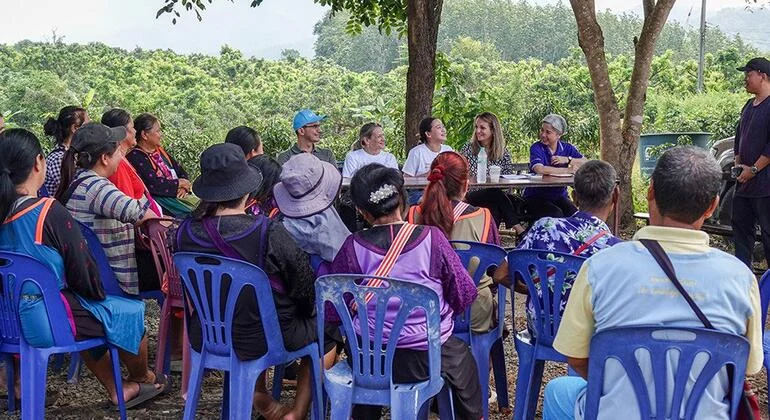
Non-permanent members, often representing regional blocs, would have likely championed the role of regional organizations and locally-owned solutions. They would have emphasized the unique insights and legitimacy that regional bodies bring to conflict resolution, advocating for enhanced cooperation between the UN and regional mechanisms such as the African Union, the European Union, the Organization of American States, and ASEAN. Many would have underscored the importance of inclusive peace processes, ensuring that women, youth, and indigenous communities (as subtly hinted by the background image context from OHCHR) are active participants in prevention and peacebuilding efforts, as their perspectives are crucial for sustainable peace.
Challenges to Effective Preventive Diplomacy
Despite the widespread acknowledgment of its importance, several significant challenges impede the effective implementation of preventive diplomacy:
- Political Will and Sovereignty: The primary obstacle remains the political will of Member States, particularly when preventive action touches upon issues considered to be within a state’s domestic jurisdiction. The principle of non-interference in internal affairs, while fundamental, can sometimes be invoked to resist early intervention, even when humanitarian crises are looming.
- Resource Allocation: Preventive diplomacy often struggles to compete for resources against more visible and immediate crisis response operations. Dedicated funding for mediation, early warning systems, and capacity building remains relatively low compared to peacekeeping budgets.
- Information Sharing and Early Warning Credibility: While early warning systems exist, challenges persist in ensuring timely, accurate, and actionable information sharing among Member States and within the UN system. Credibility of early warning signals can also be debated, leading to delays in response.
- Complexity of Modern Conflicts: Contemporary conflicts are multifaceted, involving a diverse array of state and non-state actors, transnational organized crime, terrorism, and proxy interventions. This complexity makes it challenging to identify clear "parties to a dispute" in the traditional sense, complicating the application of Chapter VI mechanisms designed for inter-state disputes.
- Lack of Cohesion within the Security Council: Divisions among the P5 members, particularly through the use or threat of the veto, can paralyze the Council, preventing timely and decisive action, even when early warning signals are clear.
Pathways to Action: Recommendations and Future Outlook
The Security Council debate aimed to translate these challenges into actionable recommendations. Expected outcomes include:
- Strengthening Analytical Capabilities: Enhancing the UN’s capacity for conflict analysis, foresight, and data-driven early warning, including leveraging artificial intelligence and big data to identify emerging risks.
- Empowering the Secretary-General’s Envoys: Providing greater political and financial backing for the Secretary-General’s Special Envoys and mediators, ensuring they have the necessary resources and diplomatic space to operate effectively.
- Developing Mediation Capacities: Investing in training and capacity-building programs for mediators, both within the UN system and among Member States and regional organizations, with a focus on inclusive mediation that involves diverse stakeholders.
- Formalizing UN-Regional Partnerships: Establishing more structured and predictable partnerships with regional and subregional organizations, including joint conflict analysis, regular consultations, and coordinated response strategies.
- Promoting Human Rights and Development: Recognizing that human rights violations and development deficits are often precursors to conflict, integrating human rights monitoring and sustainable development goals into preventive strategies. This holistic approach, as illustrated by the OHCHR and EU engagement with indigenous communities, is vital for long-term peace.
- Regular Review of Chapter VI Implementation: Instituting regular reviews by the Security Council of its own use of Chapter VI, assessing successes, failures, and areas for improvement, to ensure greater consistency and effectiveness.
Broader Implications
The outcome of this Security Council debate holds significant implications for the future of international peace and security. A renewed commitment to preventive diplomacy could herald a shift in the global approach to conflict, moving from a costly cycle of reaction and intervention to a more sustainable paradigm of proactive engagement and peaceful resolution. It reinforces the UN’s founding purpose and its continued relevance in a turbulent world.
By embracing the recommendations emerging from this debate, the international community has the opportunity to strengthen the multilateral system, uphold the principles of the UN Charter, and ultimately save countless lives and resources. The challenge now lies in transforming the rhetoric of preventive diplomacy, however compelling, into consistent, courageous, and collaborative action. The global community will be watching to see if the Security Council can truly turn its collective intent into tangible peace.