The Alfa Romeo Giulia, a vehicle that has long been hailed as the standard-bearer for Italian sports sedan dynamics, is entering the twilight of its current production cycle. While the automotive world looks toward the brand’s electrified future, a Croatian tuning firm named Gelvato has stepped into the void left by the manufacturer’s conservative update schedule. By introducing the "Hawk Edition" styling package, Gelvato aims to provide owners of the aging sedan with a visual overhaul that the factory in Cassino, Italy, has declined to implement. This aftermarket intervention arrives at a critical juncture for the Giulia, which remains the oldest model in Alfa Romeo’s current global portfolio, having first debuted to international acclaim in 2015.
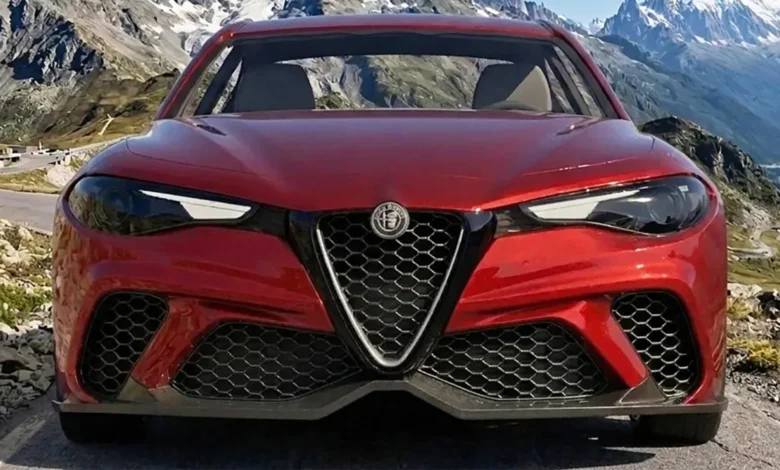
The centerpiece of this independent refresh is a comprehensively redesigned front bumper assembly. According to technical specifications released by the tuner, the Hawk Edition front end is engineered to fit almost every variant of the Giulia currently on the road, including the standard 2.0-liter turbocharged models and the diesel variants popular in European markets. However, the kit is notably incompatible with the range-topping Quadrifoglio, as well as the ultra-limited GTA and GTAm editions, which utilize different aerodynamic profiles and cooling requirements. The move by Gelvato highlights a growing trend in the automotive aftermarket where third-party firms extend the aesthetic relevance of "legacy" internal combustion engine (ICE) platforms as manufacturers shift their research and development budgets toward battery electric vehicles (BEVs).
The Evolution of the Giulia and the 2023 Factory Update
To understand the significance of the Gelvato Hawk Edition, one must examine the timeline of the Giulia’s development. Launched in 2015 as the spearhead of a multi-billion dollar "Giorgio" platform initiative, the Giulia was designed to compete directly with the BMW 3 Series, Mercedes-Benz C-Class, and Audi A4. While it won numerous awards for its handling and steering precision, its lifecycle has been characterized by minimal visual changes.
In 2023, Alfa Romeo released what was termed a "facelift," though many critics and enthusiasts felt the changes were underwhelming. The 2023 update primarily introduced "3+3" Matrix LED adaptive headlights—a design cue borrowed from the Tonale SUV—along with a digital instrument cluster and minor tweaks to the Trilobo grille mesh. While these changes modernized the car’s technology, the fundamental sheet metal and bumper designs remained largely identical to the 2015 original.
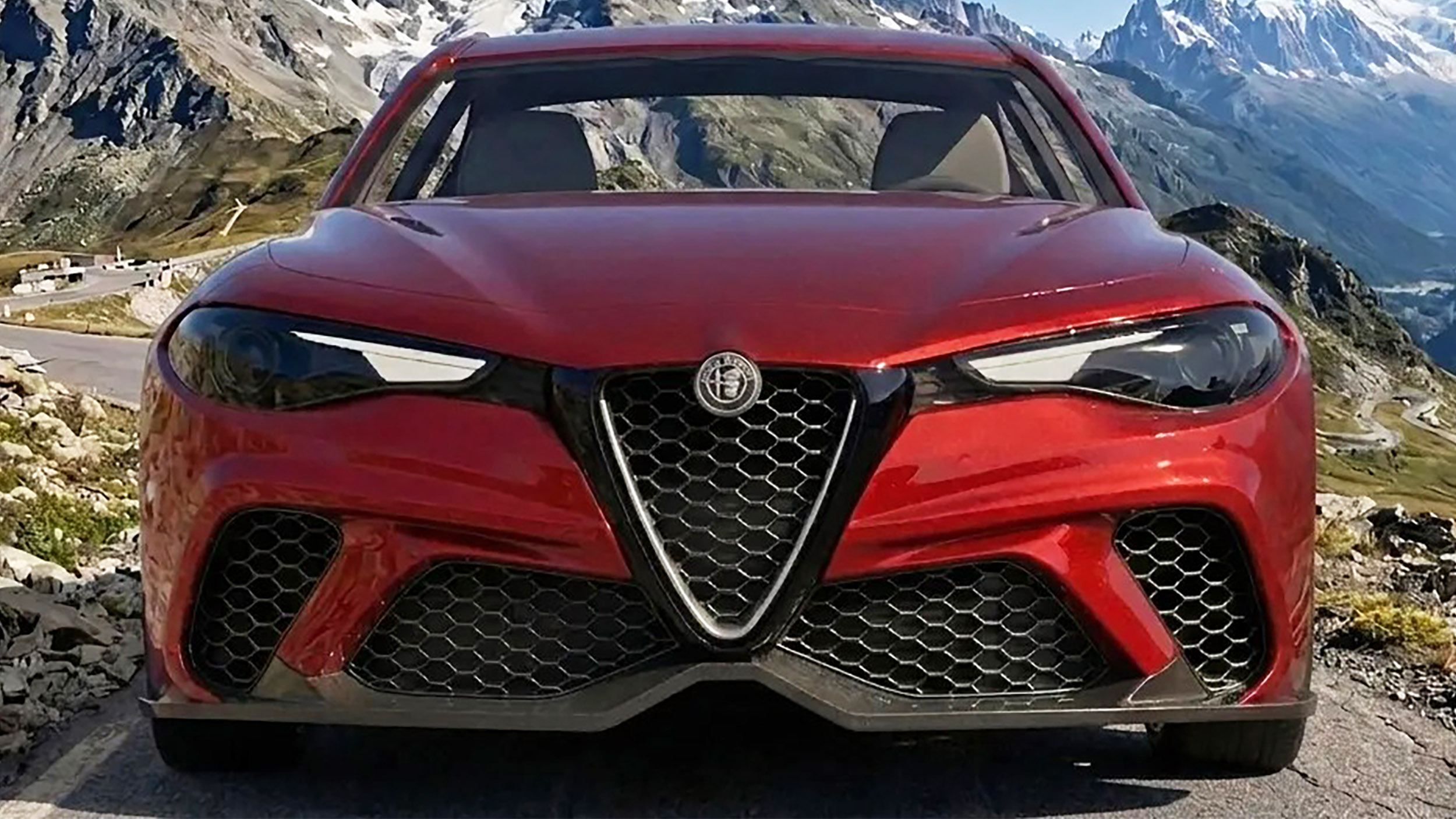
With Alfa Romeo CEO Jean-Philippe Imparato recently confirming that the Giulia and its sibling, the Stelvio SUV, will have their lifecycles extended until their respective EV-only successors arrive (slated for 2026 and 2027), the car faces the challenge of remaining competitive in a segment that prioritizes fresh design. Gelvato’s intervention addresses this by offering a more radical departure from the original aesthetic than Alfa Romeo’s own designers were permitted to execute.
Technical Specifications of the Hawk Edition
The Gelvato Hawk Edition bumper is constructed using fiber-reinforced plastic (FRP), a material chosen for its balance of weight, durability, and cost-effectiveness in low-volume production. The accompanying front splitter is manufactured from ABS plastic, which offers higher impact resistance against road debris and curb strikes.
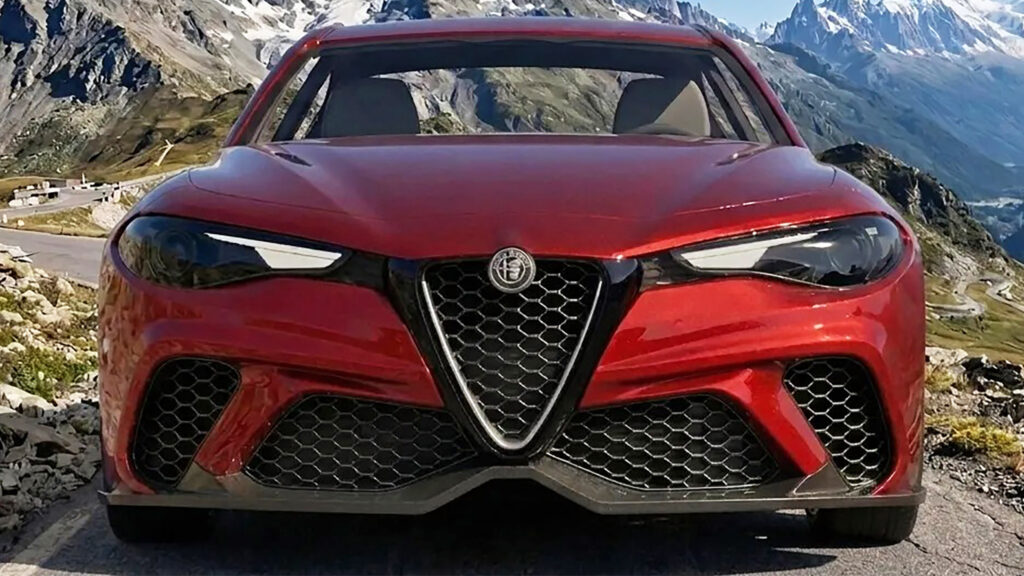
The design philosophy of the Hawk Edition draws heavy inspiration from Alfa Romeo’s "Golden Era" of the mid-2000s. Specifically, the custom bumper features faux air vents positioned adjacent to the stock headlight housings. These vents are connected by a black garnish that wraps around the central "Scudetto" (shield) grille. This horizontal emphasis creates a visual link to the Alfa Romeo 159 and the Brera coupe, cars designed by Giorgetto Giugiaro that were famous for their aggressive, triple-lens front-end signatures.
Beyond the front bumper, Gelvato has developed a secondary "Stage 2" kit and a comprehensive aerodynamic package. The aero kit includes:
- A more aggressive front splitter for improved downforce.
- Sharpened side skirts that lower the visual profile of the car.
- A rear diffuser designed to accommodate dual exhaust tailpipes.
- A subtle rear lip spoiler to enhance the sedan’s trunk line.
Importantly, the Gelvato kit is designed to be "plug-and-play" regarding the vehicle’s existing hardware. The vehicle retains its original hood, fenders, and expensive LED or Bi-Xenon headlight units, reducing the complexity and cost of the installation for the end-user.

Pricing Structure and Market Availability
Gelvato has positioned the Hawk Edition as an accessible upgrade for the enthusiast market. Pre-orders for the components are currently open, with official availability and shipping scheduled to commence on October 1st. The pricing reflects a tiered approach to customization:
- Hawk Edition Front Bumper (Basic): Priced at €670 (approximately $760), this includes the unpainted bumper and the ABS splitter.
- Hawk Edition Stage 2: Priced at €770 (approximately $880), this adds the specific honeycomb mesh inserts for the cooling intakes, providing a more finished, factory-like appearance.
- Full Aero Kit Bundle: For owners seeking a total transformation, the complete kit—including the splitter, side skirts, rear diffuser, and spoiler—is available for €950 (approximately $1,100).
Individual components can also be purchased separately. The side skirts are listed at €280 ($320), the rear diffuser at €480 ($550), and the rear spoiler at €205 ($230). These prices exclude shipping, painting, and installation, which are significant factors in the total cost of ownership for such modifications.
Analysis of the Aftermarket Facelift Trend
The emergence of the Gelvato Hawk Edition is indicative of a broader shift in the automotive landscape. As the industry moves toward electrification, the "Golden Age" of internal combustion sports sedans is reaching its conclusion. The Giorgio platform, which underpins the Giulia, is widely considered one of the best-handling rear-wheel-drive architectures ever produced. Consequently, many owners are choosing to keep their vehicles longer rather than trade them in for newer, often heavier, hybrid or electric alternatives.
By offering a facelift kit, tuners like Gelvato allow these long-term owners to "reset" the visual clock on their cars. This is particularly relevant for the Giulia, as its timeless proportions remain attractive, but its front-end styling has been surpassed by the more aggressive design languages of competitors like the BMW M3 or the latest offerings from Lexus and Cadillac.
Furthermore, the use of AI-generated renders in Gelvato’s marketing materials reflects the modern reality of the tuning industry. Digital prototyping allows smaller firms to gauge market interest and secure pre-orders before committing to expensive tooling and large-scale manufacturing runs. While some purists may scoff at the use of "faux" vents, the commercial success of such kits often depends on their ability to mimic the "high-performance" look of limited-edition models like the GTAm without the six-figure price tag.
Strategic Context: Alfa Romeo’s Road to 2027
Alfa Romeo is currently in the midst of a radical transformation under the stewardship of the Stellantis group. The brand has committed to becoming 100% electric by 2027 in its core markets. This transition requires immense capital investment, which explains why the current Giulia has received only incremental updates.
The successor to the Giulia is expected to be built on the STLA Large platform, which will support 800V architecture and potentially offer up to 1,000 horsepower in Quadrifoglio guise. However, until that car arrives in late 2026 or early 2027, the current ICE Giulia must remain the brand’s primary representative in the sedan segment.
Independent tuners essentially act as a decentralized R&D department for the brand, maintaining enthusiast interest and keeping the model visible on social media and at automotive gatherings. While Alfa Romeo corporate does not officially endorse third-party body kits, the existence of a vibrant aftermarket is generally seen as a sign of a healthy and passionate owner base.
Broader Implications and Consumer Considerations
For the average Giulia owner, the decision to install a Gelvato Hawk Edition kit involves several considerations. From a financial perspective, a $1,100 investment (plus painting and labor) is a fraction of the cost of the depreciation incurred when trading in for a newer model year that offers very similar mechanical performance.
From a technical standpoint, the choice of materials is crucial. While FRP is common in the tuning world, it lacks the flexibility of the polyurethane plastics used in factory bumpers. Owners must be aware that aftermarket kits may require more precise fitment work by a professional body shop to ensure that panel gaps remain consistent with Alfa Romeo’s factory standards.

Additionally, the Hawk Edition’s design, which evokes the 159 and Brera, serves a specific niche of "Alfisti" who feel that the current brand design language has become too soft. By reintroducing the aggressive, multi-layered look of the 2000s, Gelvato is tapping into a sense of nostalgia while providing a modern interpretation of Italian sportiness.
Final Outlook
The Alfa Romeo Giulia remains a masterpiece of automotive engineering, a car that saved the brand’s reputation for driving dynamics. As it nears the end of its production run, the "Hawk Edition" by Gelvato represents a tribute to the car’s longevity. It provides a bridge between the analog past of the 159/Brera and the digital, electrified future that Alfa Romeo is currently building.
While the factory in Cassino may be done with the Giulia’s exterior design, the global community of tuners and enthusiasts is clearly not. The October 1st release of the Hawk Edition will likely see a resurgence of interest in the pre-facelift 2016-2022 models, as owners realize they can achieve a modern, aggressive look for a relatively modest investment. In the world of Italian automobiles, where style is often as important as substance, Gelvato has provided a second wind for one of the most beloved sedans of the 21st century.