Senate Bipartisan Coalition Nears Landmark Energy Permitting Reform Amid Surging Power Demand and Data Center Backlash

Capitol Hill is bracing for an imminent exodus as lawmakers prepare to leave Washington to campaign for the upcoming midterm elections. Yet, behind closed doors, a bipartisan group of senators has been racing against the clock to finalize a legislative breakthrough. Negotiators are closing in on a comprehensive permitting reform bill designed to overhaul how energy projects are approved across the United States. Analysts across the political spectrum view this potential legislation as a critical threshold for meeting the nation’s skyrocketing electricity needs, balancing the competing demands of climate goals, economic competitiveness, and public sentiment.
For years, the U.S. energy landscape has been constrained by a labyrinthine federal permitting process. Complicated impact studies, prolonged multi-agency reviews, and perpetual legal challenges from environmental advocacy groups and local opponents have routinely crippled infrastructure development. Industry leaders argue that these structural bottlenecks threaten the stability of the modern grid. While lawmakers have repeatedly attempted to fix the broken system—most notably through the failed Energy Permitting Reform Act of 2024, which cleared committee lines but stalled before reaching a full floor vote—the current legislative push carries unprecedented momentum. The driving force behind this renewed urgency is an explosive, unprecedented surge in national power demand.
The Perfect Storm: Drivers of Unprecedented Energy Demand
The American electrical grid is facing a demand shock not seen in generations. This acceleration is driven by a convergence of technological, industrial, and societal shifts. For the better part of the 2010s, widespread adoption of energy-efficient lighting and appliances kept national electricity consumption relatively flat. However, those efficiency gains have largely matured, and the country has entered an era of aggressive electrification.
Driven by federal incentives and state-level mandates, Americans are increasingly electrifying their households and transit networks. The rapid deployment of heat pumps, electric appliances, and electric vehicles (EVs) is steadily reshaping domestic power consumption. Simultaneously, federal industrial policy aims to reshore advanced manufacturing, bringing factories and supply chains back to domestic soil. These industrial facilities demand reliable, continuous power to operate at scale.
Compounding these factors is the exponential growth of the digital economy. The artificial intelligence boom has triggered a massive nationwide build-up of energy-hungry data centers. Industry projections indicate that data centers will consume unprecedented volumes of electricity over the coming decade, placing severe strain on local grids and existing supply chains. Consequently, major technology firms, including Google, have actively lobbied lawmakers to streamline the permitting process to ensure sufficient power generation can come online to support their operations.
Political Alignment and the Renewable-Fossil Nexus
The draft permitting reform bill represents a rare area of consensus in a deeply polarized Washington: the shared recognition that the federal energy permitting regime is fundamentally broken. The highest-ranking members of both parties on the Senate’s key energy committees have been actively negotiating the legislative language, attempting to forge a compromise that satisfies both traditional energy advocates and clean-energy proponents.
The proposed text is expected to ease construction requirements by narrowing the scope of environmental and social impacts that agencies must evaluate. It would likely loosen stringent regulatory hurdles under the Clean Water Act and the Endangered Species Act, which frequently paralyze transmission line and pipeline projects. Furthermore, the legislation aims to insulate successfully issued permits from protracted post-approval litigation.
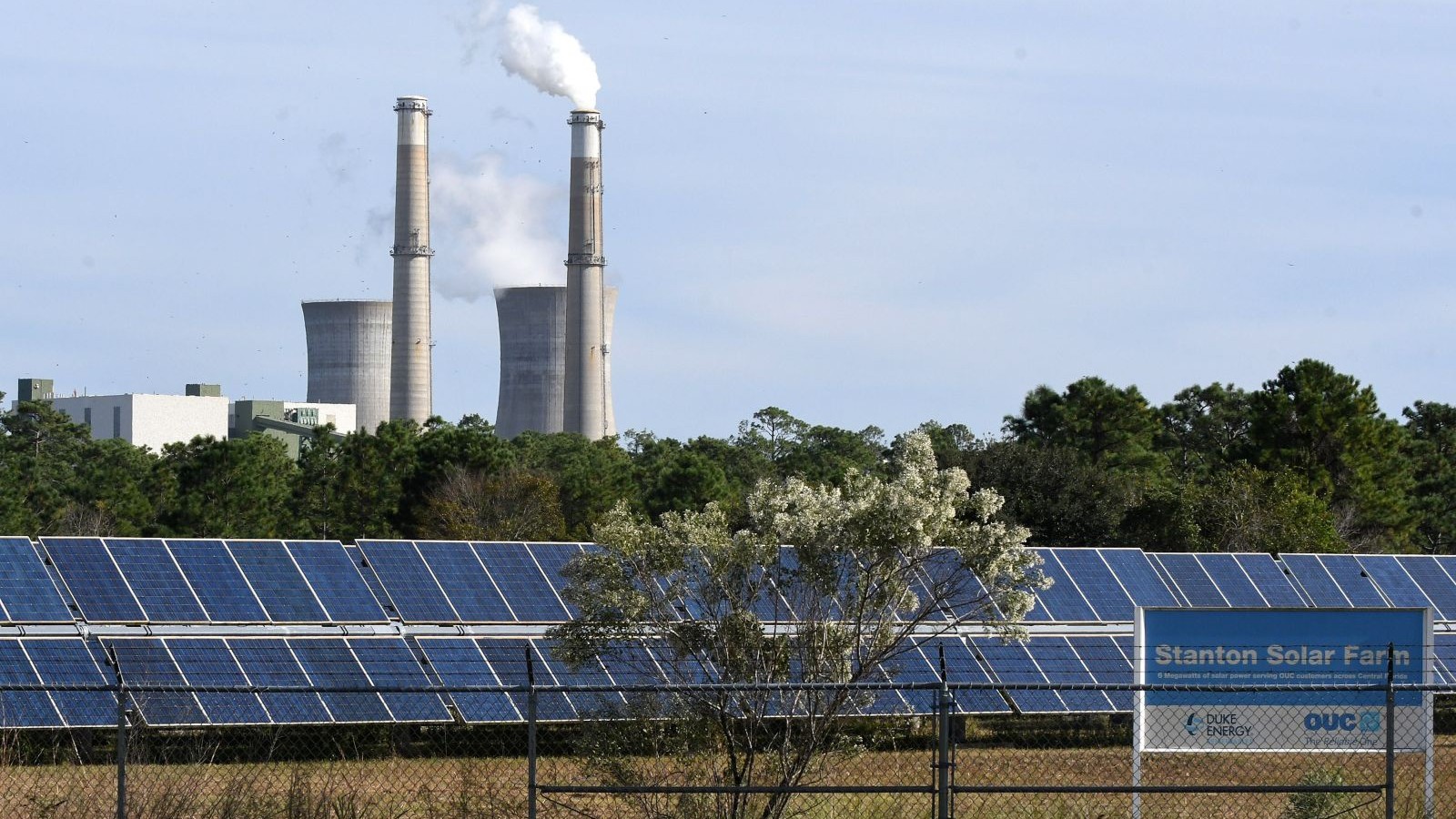
This framework is expected to accelerate construction across both renewable and fossil fuel sectors, providing targeted relief to solar, wind, and natural gas developments. Solar power and battery storage installations represent nearly 80 percent of all new power generation capacity slated for construction in the United States. Meanwhile, natural gas remains the single largest source of domestic electricity generation, serving as a primary baseline fuel for the rapidly expanding data center fleet. Trade organizations, including the Solar Energy Industry Association, have strongly advocated for the reforms, warning that without administrative relief, the domestic energy pipeline risks severe stagnation.
The Geopolitical Dimension: Competition with China
Underpinning the legislative urgency in Washington is a profound geopolitical anxiety regarding the United States’ standing relative to foreign rivals, particularly China. Policymakers across the aisle, along with figures within the administration, frequently frame energy independence and infrastructure build-out as vital components of national security.
Proponents of the bill argue that protracted bureaucratic red tape places the United States at a severe strategic disadvantage in the global race for artificial intelligence and advanced manufacturing dominance. During the Clean Energy Week conference in Washington, D.C., lawmakers and industry stakeholders warned that failure to modernize permitting frameworks will cede technological leadership to foreign adversaries who operate unburdened by similar regulatory constraints.
However, public opinion researchers note that messaging centered entirely on geopolitical competition with Beijing has begun to lose resonance with the American electorate, highlighting a growing disconnect between Washington priorities and local voter concerns.
The Public Relations Dilemma: The Data Center Backlash
Despite broad support from industry and federal policymakers, the permitting reform push faces a major political obstacle: public antipathy toward data centers. While lawmakers view data centers as essential engines of economic growth and national security, polling indicates that they have become deeply unpopular among everyday voters.
Public opinion research conducted by firms such as Redbud Consulting reveals that voters across the political spectrum—Democrats, Republicans, and independents alike—strongly oppose the construction of data centers within their local communities. When permitting reform is explicitly linked to facilitating data center expansion, public support for the legislation plummets. This dynamic places lawmakers, many of whom face competitive reelection bids in the upcoming midterms, in a precarious political bind. They recognize the economic necessity of expanding electrical infrastructure, yet they are acutely aware of the electoral backlash associated with favoring Big Tech data hubs.
Recognizing this public sentiment, pollsters advise reframing the narrative. Data indicates that messaging emphasizing the expansion of renewable energy and the reduction of consumer utility bills yields significantly higher public approval. With roughly 70 percent of Americans reporting increased household energy bills over the past year, cost-of-living metrics remain a potent political flashpoint.
Legislative actions in the House of Representatives reflect this heightened awareness of voter anxiety. Shortly before the Senate negotiations neared their current phase, the House passed a bill urging states to compel data center operators to finance their own dedicated power generation, thereby shielding everyday ratepayers from the costs associated with surging grid demand. That measure, however, remains stalled in the Senate, where some Democratic lawmakers argue it does not go far enough to protect consumers.
Executive Action and Remaining Hurdles
Complicating the legislative path is the role of the executive branch. President Donald Trump has signaled a willingness to lift roadblocks on renewable energy projects to secure a broader bipartisan permitting deal. However, congressional Democrats remain cautious, demanding greater clarity on how the administration intends to implement these assurances in practice.
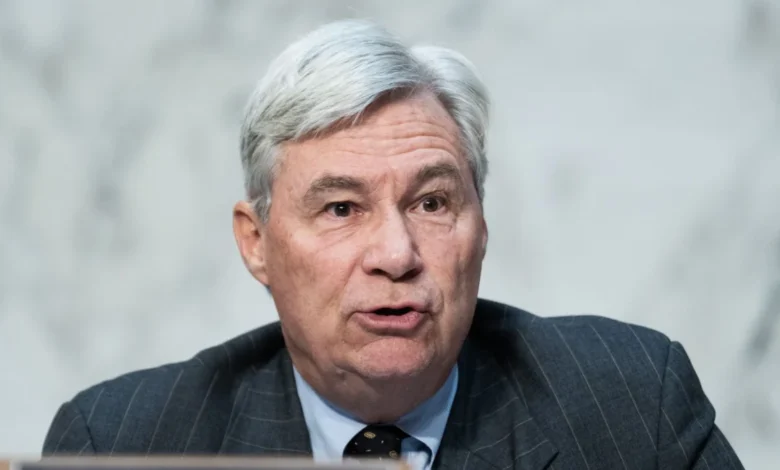
Senator Sheldon Whitehouse, a leading Democratic negotiator on the Senate Environment and Public Works Committee, emphasized the need for administrative transparency regarding the future of wind and solar developments. Until those operational guarantees are established, final agreement on the package remains fluid.
According to recent congressional reporting, lawmakers intend to continue refining the legislative text following the midterm elections. As the Senate prepares to recess for the campaign trail, the future of the permitting reform package hangs in the balance. Whether legislators can successfully navigate the delicate intersection of technical energy demands, geopolitical competition, and voter skepticism before the end of the session remains one of the central policy questions facing Washington.