A Comprehensive Overview of Southwest Airlines Credit Card Welcome Offers and Rapid Rewards Valuations

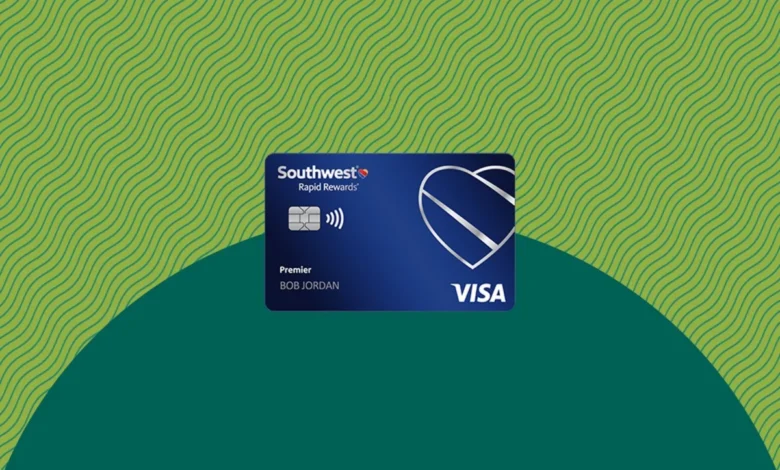
Southwest Airlines and its co-branded credit card issuer, Chase, continue to maintain a prominent fixture in the travel rewards landscape through their ongoing suite of personal and business credit card offerings. For frequent flyers and business owners alike, these financial products serve as a primary vehicle for accumulating Rapid Rewards points, which can be deployed toward future domestic and international travel. As prospective cardholders weigh their options, evaluating the current welcome bonuses, spending thresholds, and annual fees provides critical insight into maximizing travel value.
Current Landscape of Southwest Credit Card Welcome Offers
The airline currently fields a robust lineup consisting of two business credit cards and three personal credit cards. Each product is tailored to specific spending habits, travel frequencies, and budgetary constraints. Notably, the carrier’s business credit card portfolio has drawn significant attention due to parallel bonus point structures coupled with differing expenditure requirements.

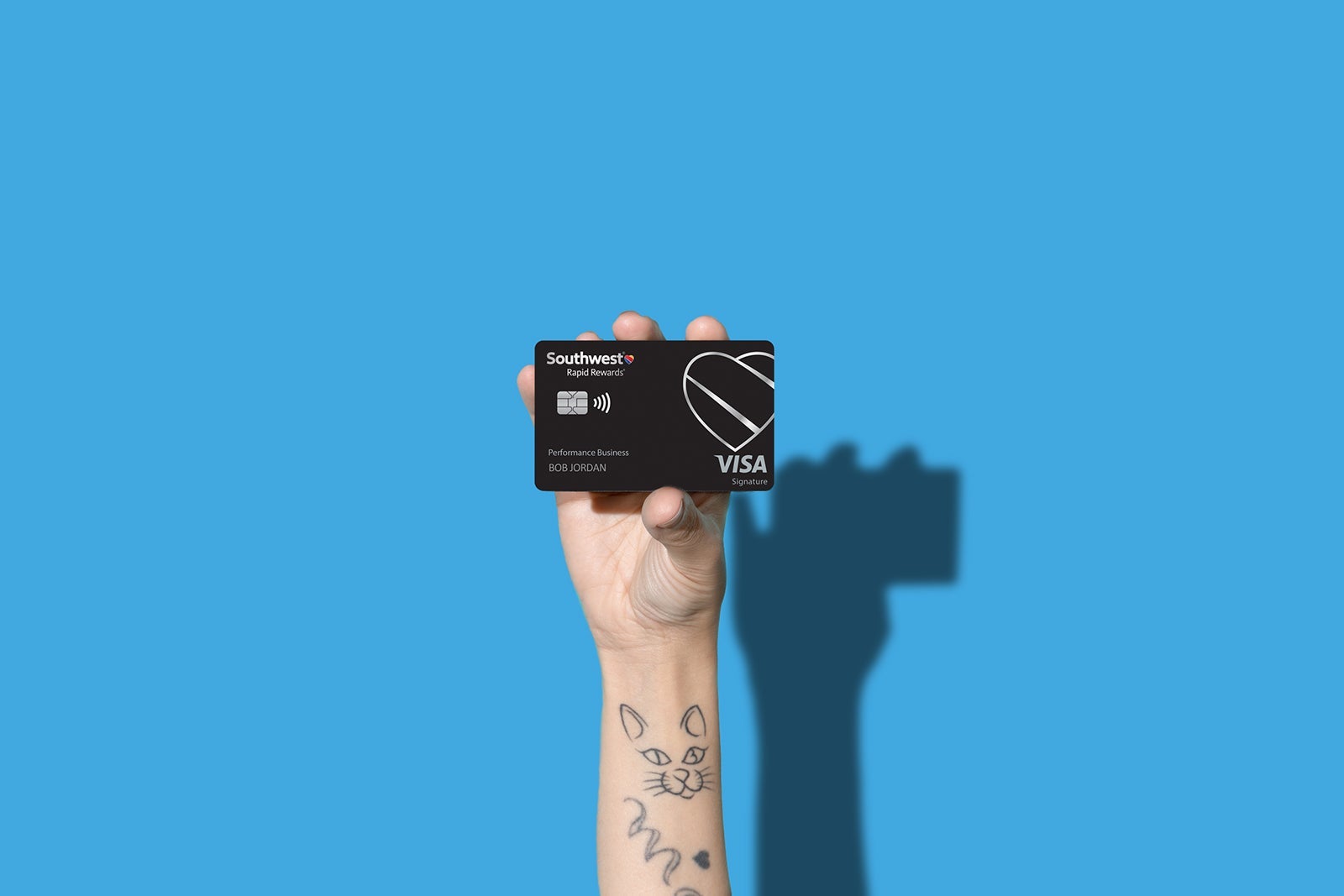
The premier tier of the business portfolio features the Southwest Rapid Rewards Performance Business Credit Card, which commands a $299 annual fee. This card currently offers 80,000 bonus points after a cardholder meets a spending requirement of $5,000 within the first three months of account opening. Based on independent industry valuations, such as those maintained by travel and credit analysts, this bonus holds an approximate value of $1,000.
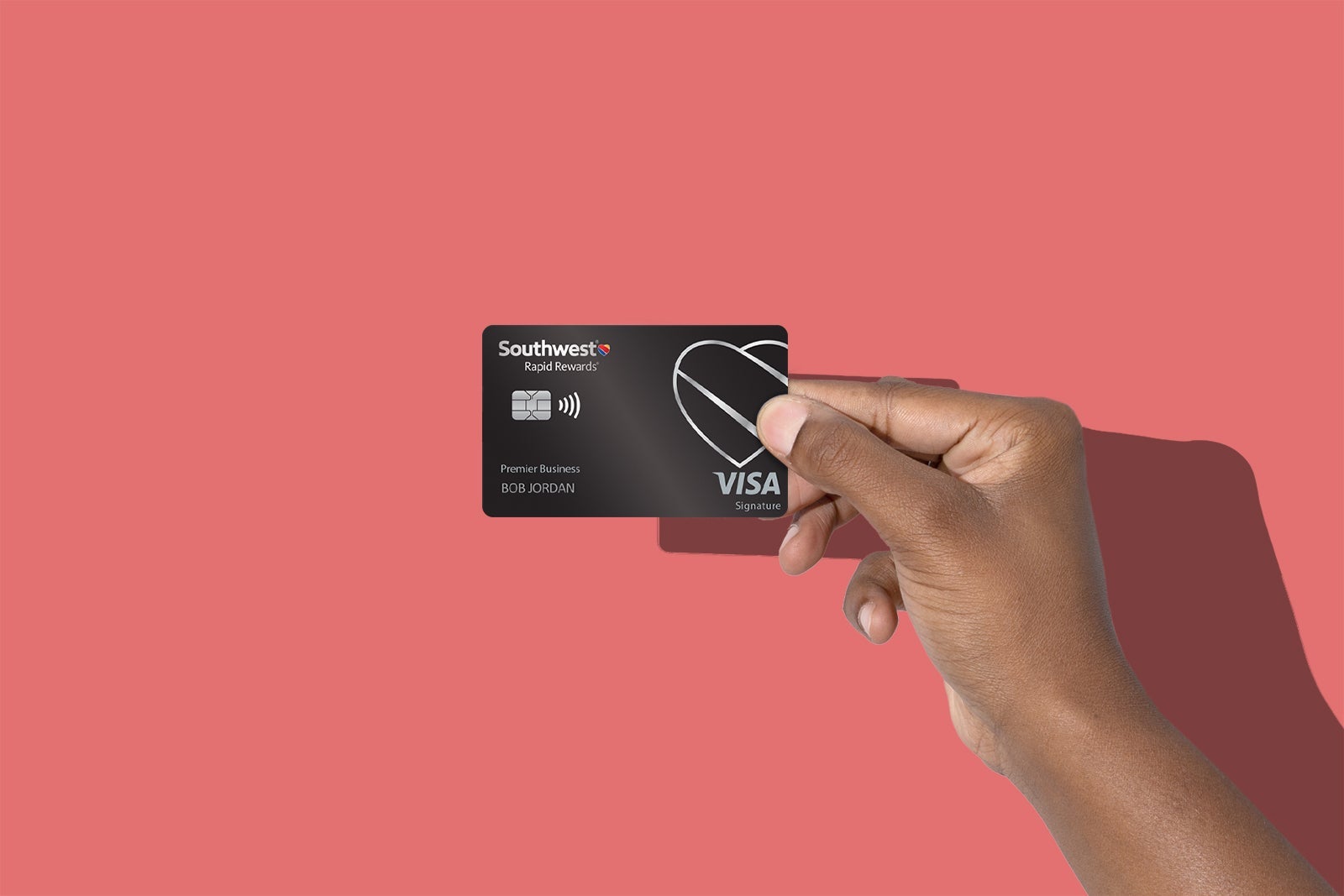
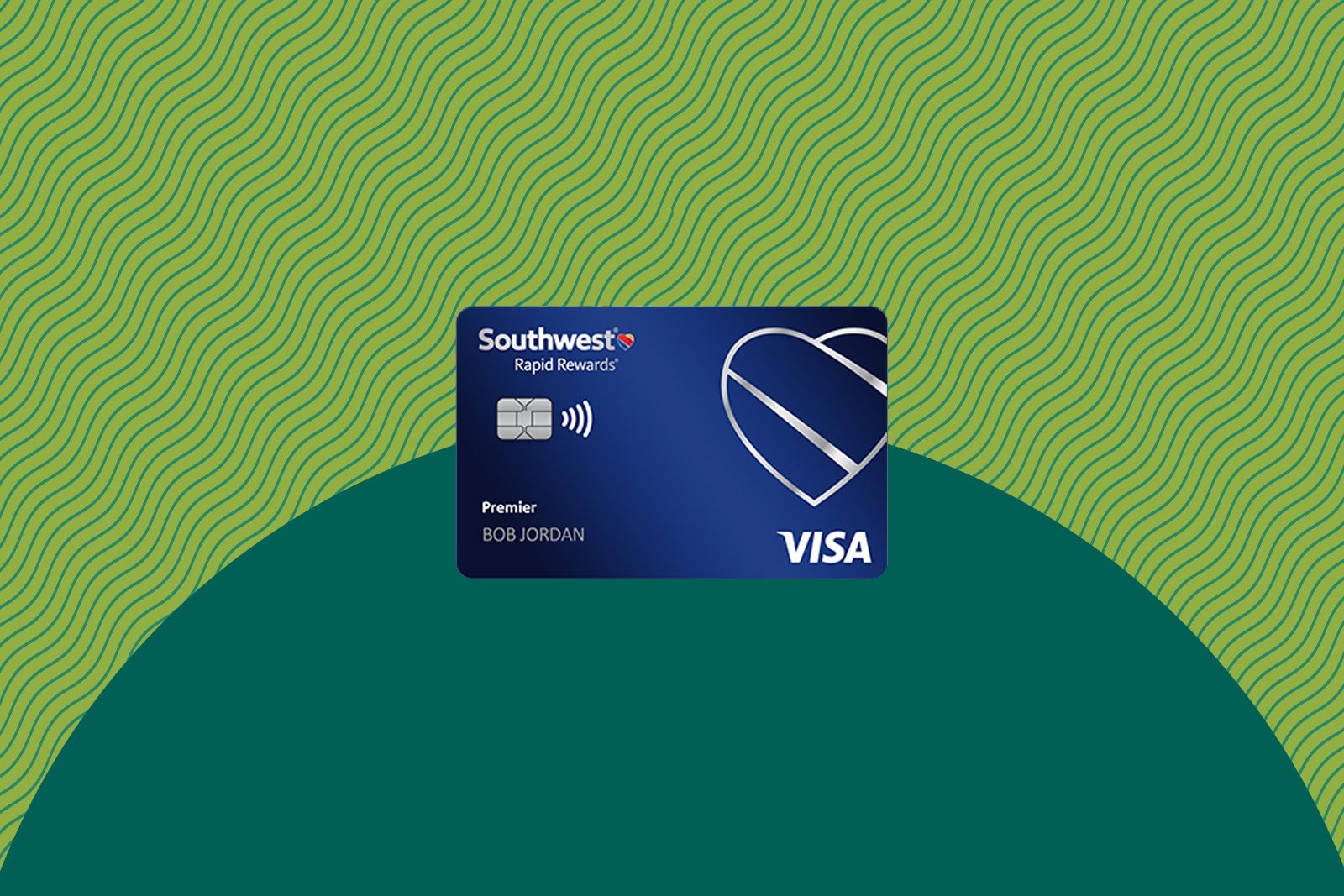
Similarly, the Southwest Rapid Rewards Premier Business Credit Card offers an identical bonus of 80,000 points. However, the spending requirement for the Premier Business card is lowered to $3,000 within the first three months, and the annual fee is set at a more modest $149. According to historical analyses, this specific iteration represents an exceptionally strong promotional window, matching some of the most lucrative incentives observed for this particular product over a multi-year period.
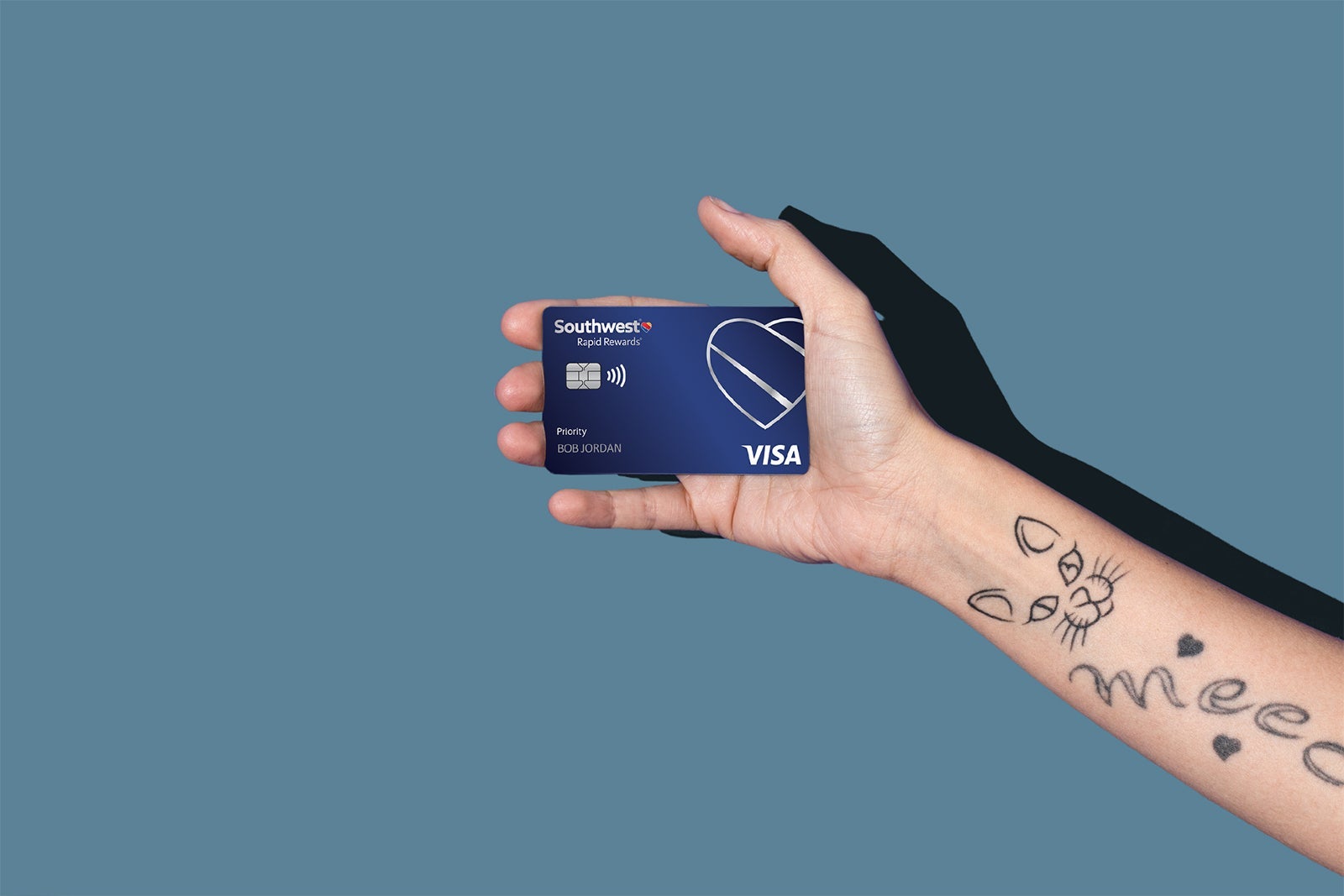
On the consumer side, personal card options cater to a wider spectrum of travelers, ranging from occasional flyers to dedicated loyalists. The Southwest Rapid Rewards Priority Credit Card carries a $229 annual fee and extends a welcome bonus of 60,000 points after $2,000 in qualifying purchases during the initial three months. Industry models value this introductory package at approximately $750.
Stepping down in cost and point yields, the Southwest Rapid Rewards Premier Credit Card features a $149 annual fee, offering 55,000 bonus points—valued at roughly $688—following $1,500 in purchases over the same three-month window. Finally, the entry-level Southwest Rapid Rewards Plus Credit Card is structured for beginners or infrequent travelers, requiring a $99 annual fee. It provides a welcome bonus of 50,000 points after $1,000 in spending within the first three months, carrying an estimated value of $625.
Historical Context and Evolution of Co-Branded Airline Cards
Co-branded airline credit cards emerged in the late 20th century as legacy and low-cost carriers sought to diversify revenue streams while fostering deeper consumer loyalty. By partnering with major financial institutions like JPMorgan Chase, airlines transformed frequent flyer miles from simple flight-based tallies into complex financial ecosystems.
Over the past decade, the market for airline credit cards has experienced intense competition. Issuers frequently adjust welcome bonuses, annual fees, and day-of-travel perks to capture market share among consumers prioritizing travel rewards over cash-back alternatives. Southwest Airlines, known for its distinct operating model—including open seating policies historically, point-to-point routing, and straightforward baggage policies—has historically utilized aggressive credit card sign-up bonuses to rapidly expand its customer base and incentivize customer retention.
The cyclical nature of these offers means that card issuers frequently alternate between standard bonuses and elevated promotional packages. For instance, while certain current offers align with historical baselines, others represent rare high-water marks for specific cards. Industry analysts often advise consumers to monitor historical trends before submitting an application, as timing an application to coincide with a peak promotional period can yield hundreds of dollars in additional travel value.
Analysis of Business Versus Personal Card Utility
When selecting between business and personal credit cards within the Southwest ecosystem, several structural differences emerge. Business credit cards typically offer higher earning potentials across category spends tailored to commercial operations, such as internet, cable, phone services, and advertising, while keeping personal credit utilization metrics separate from corporate liabilities.
Furthermore, acquiring a business credit card allows sole proprietors, freelancers, and incorporated business owners to accumulate substantial point balances without impacting personal debt-to-income ratios in the same manner as consumer credit lines. The matching 80,000-point bonuses on both the Performance Business and Premier Business cards present a strategic opportunity for qualifying applicants, particularly given that the Premier Business card achieves the threshold with a lower overall spending requirement and a reduced annual fee.
Conversely, consumer cards are more accessible to individuals who do not operate a registered business or side enterprise. Cards like the Priority Credit Card offer tangible day-of-travel benefits, including annual travel credits and anniversary point allotments, which help offset the higher yearly cost for dedicated Southwest flyers.
Financial Implications and Valuation Methodology
Evaluating the true worth of airline credit card bonuses requires understanding the underlying valuation models used by travel experts. Valuations are typically derived by examining the average redemption value of points when applied toward standard fare classes, factoring in taxes, fees, and dynamic pricing shifts implemented by the airline.
Southwest operates on a dynamic award pricing model, meaning that the cost of a flight in Rapid Rewards points correlates directly with the cash price of the ticket. Because point requirements fluctuate based on market demand, route popularity, and booking windows, the purchasing power of an 80,000-point or 60,000-point bonus can vary significantly from one itinerary to another.
When factoring in annual fees against the projected value of welcome bonuses and ongoing perks—such as checked bag fee waivers, which save travelers $45 each way per bag for the cardholder and up to eight companions—cardholders must calculate their net return. For frequent flyers who routinely check luggage and utilize priority boarding features, the cumulative savings often outweigh the cost of the annual fee within the first few trips of the membership year.
Strategic Considerations for Prospective Cardholders
Deciding whether to apply for a Southwest credit card involves a careful assessment of personal travel patterns, upcoming expenditures, and alternative rewards programs. Consumers who fly predominantly on Southwest find immense utility in the co-branded card portfolio due to the seamless integration of Rapid Rewards points and elite qualifying status tracking.
However, financial advisors and travel experts frequently emphasize the opportunity cost associated with co-branded airline cards compared to flexible general-purpose travel rewards cards. Flexible currencies can be transferred across multiple airline and hotel partners, offering greater versatility for travelers whose plans are not anchored to a single carrier.
Additionally, prospective applicants must consider the overarching rules governing credit card approvals, such as issuer-specific velocity restrictions. For instance, major card issuers generally limit the frequency at which sign-up bonuses can be earned on specific card families, requiring consumers to plan their applications strategically over multi-year horizons.
For travelers firmly rooted in the Southwest network who can comfortably meet the minimum spending requirements without incurring interest charges, the current wave of welcome bonuses offers a viable pathway to discounted or fully covered travel. Whether opting for the high-end business card or a budget-conscious personal option, aligning card selection with actual travel frequency remains the cornerstone of maximizing the utility of airline credit products.
Related posts: