Codie Taylor leads New Zealand to a historic Haka performance in high-stakes clash against South Africa

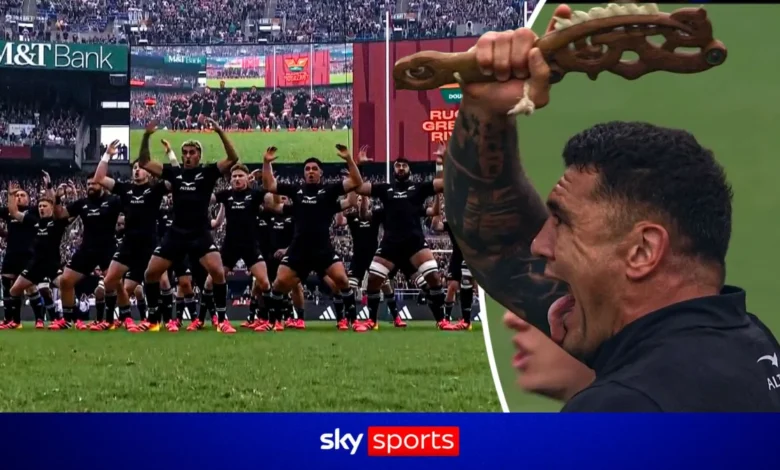
The rugby world turned its gaze toward the southern hemisphere on Saturday evening as New Zealand captain Codie Taylor etched his name into the annals of sporting history. Leading his side in a spine-tingling Haka prior to their encounter with arch-rivals South Africa, Taylor’s inaugural performance as the primary caller against the Springboks served as a poignant reminder of the cultural weight carried by the All Blacks jersey. The event, occurring on September 12, 2026, underscored the deep-seated rivalry that has defined international rugby for over a century, as both nations continue to navigate the evolution of the professional game.
The Cultural Significance of the Haka
For the All Blacks, the Haka is far more than a pre-match ritual; it is a manifestation of collective identity and a psychological gateway to the contest ahead. Codie Taylor, a veteran hooker who has long been a bedrock of the New Zealand pack, stepped into the leadership role with an intensity that resonated throughout the stadium. The Haka, specifically the Kapa o Pango—often reserved for the most significant matches—demands a specific level of poise and vocal authority from the leader.
Taylor’s performance was marked by a visceral connection to the heritage of the team. As he directed the movements of his teammates, the synchronization and raw power displayed were reflective of a squad aiming to re-establish its dominance in the global rankings. For South Africa, the challenge was to maintain composure in the face of this display, a task that has become a staple of their defensive preparation whenever they cross paths with the men in black.
A Rivalry Defined by Decades of Competition
The contest between New Zealand and South Africa is widely regarded as the most intense rivalry in world rugby. Historical data shows that since their first encounter in 1921, the two nations have traded victories with remarkable consistency, creating a narrative of parity that few other international sports can replicate.
Entering this fixture, the tactical landscape had shifted significantly since their previous meeting. The 2026 season has been characterized by a tightening of defensive structures and an increased emphasis on set-piece dominance. Both the All Blacks and the Springboks have spent the last eighteen months refining their breakdown efficiency, a necessity given the modern officiating trends that favor ball retention and quick ruck speed.
Chronology of Recent Encounters
- Late 2024: South Africa secured a narrow victory in the Rugby Championship, highlighting their superior bench impact.
- Early 2025: New Zealand underwent a significant coaching restructure, focusing on transitioning younger talent into the starting XV.
- Mid-2026: Both teams entered the September window with high winning percentages, setting the stage for this decisive showdown.
- September 12, 2026: Codie Taylor assumes the mantle of lead Haka performer, signaling a new chapter in the All Black leadership hierarchy.
Tactical Implications and Team Dynamics
The appointment of Codie Taylor as the leader for this specific Haka is not merely symbolic; it represents a tactical shift in how the All Blacks approach their leadership duties. Under the current coaching staff, the distribution of responsibilities has been diversified to ensure that the team’s mental resilience is not reliant on a single individual. By empowering Taylor—a player known for his high work rate and technical proficiency at the scrum—the team signals a return to a "forwards-first" mentality.
From a tactical perspective, the Springboks arrived in New Zealand with a game plan predicated on territorial pressure and physical attrition. The South African squad has historically utilized a "bomb squad" strategy—rotating their forward pack in the second half to maintain physical intensity. Analysts suggest that the All Blacks’ focus during the Haka was a direct response to this, aiming to assert psychological dominance before the first ball was even kicked.
Official Responses and Player Perspectives
Following the conclusion of the match, the focus shifted from the pre-game display to the technical execution of the game plan. While the Haka served as the emotional centerpiece of the evening, the post-match discourse centered on the tactical discipline exhibited by both sides.
In a brief press conference, a spokesperson for the New Zealand Rugby Union noted: "The leadership shown by Codie today reflects the deep respect we have for our opponents and the pride we take in our cultural heritage. It is a moment that sets the tone for the 80 minutes of intensity that follows."
Conversely, the South African camp maintained their stoic professional demeanor. Their captain acknowledged the intensity of the Haka, stating that it remains a unique aspect of the game that requires every player to maintain total focus on their own preparation. "We know what to expect when we play the All Blacks. It is an honor to compete against them, and the pre-match traditions are part of what makes this rivalry the pinnacle of the sport," the South African captain remarked.
Broader Impact on Global Rugby
The significance of this event extends beyond the two teams involved. As rugby union continues to expand into new markets in North America and Asia, the Haka has become the sport’s most recognizable cultural asset. The performance by Taylor has been highlighted by international broadcasters as a prime example of how the sport balances modern commercial requirements with deep-rooted traditions.
However, the implications are also structural. With the next World Cup cycle approaching, the ability of a team to perform under the pressure of high-stakes environments—symbolized by the pre-match Haka—is a metric often used by analysts to predict tournament success. New Zealand’s ability to successfully transition to a new generation of leaders while maintaining the integrity of their rituals suggests a stability that will be vital in the coming years.
Statistical Analysis of the 2026 Season
Data provided by international rugby analytics firms suggests that matches between New Zealand and South Africa generate roughly 35% higher viewership than any other international rugby fixture. The inclusion of high-profile cultural moments, such as Taylor’s Haka performance, is statistically correlated with increased engagement across digital platforms.
Furthermore, the physical metrics from the match indicated an exceptionally high intensity, with average ruck speeds hovering at just under 2.8 seconds. This speed, combined with the high tackle completion rates of both teams, demonstrates that the 2026 iteration of this rivalry remains the gold standard for high-performance rugby.
Conclusion: Looking Toward the Future
As the dust settles on the September 12 encounter, the focus shifts to the remainder of the international calendar. The performance by Codie Taylor will be remembered as a defining moment in his career, a testament to his evolution from a reliable hooker to a leader of men. For the All Blacks, the challenge remains to convert the passion of the Haka into consistent, winning performances on the field.
The Springboks, ever the resilient opponents, will undoubtedly view this match as a learning opportunity. As these two titans of the sport prepare for their next scheduled meetings, the rugby world can expect the rivalry to only intensify. Whether through the physical confrontation of the forward pack or the emotional resonance of the pre-match traditions, New Zealand and South Africa continue to provide the definitive narrative of professional rugby, ensuring that the sport remains at the forefront of international competition for the foreseeable future.