Glasgow Welcomes the Commonwealth Games 2026: A Resilient City Embraces a Global Sporting Spectacle

Glasgow, Scotland – The vibrant city of Glasgow is set to host the Commonwealth Games 2026, a testament to its enduring spirit and capacity for celebration. This international sporting event, often described as a much-needed tonic in the sporting calendar, arrives in Scotland following unexpected shifts in its original planned locations. Originally slated for Victoria, Australia, the Games faced significant logistical and financial hurdles, leading to the withdrawal of both Victoria and its subsequent replacement, Gold Coast, Queensland. This turn of events has brought the quadrennial event to Glasgow, promising a condensed yet intense spectacle of athletic prowess and cultural exchange.
The Games, now scaled back to 10 core events, will feature a fully integrated program of para-sport and able-bodied competitions. This inclusive approach underscores the modern ethos of the Commonwealth Games, emphasizing unity and shared experience across diverse athletic disciplines. The atmosphere in Glasgow is palpable, a city renowned for its storytelling, resilience, and a unique blend of wit and passion. This inherent character is expected to infuse the Games with an unparalleled energy, offering a captivating fortnight of triumphs and tribulations for athletes and spectators alike.

A City Defined by Spirit and Resilience
Glasgow’s identity is deeply etched in its history of industrial might, artistic expression, and a fierce sense of community. Known for its "poetic profanity" and an unyielding spirit, the city has time and again demonstrated its ability to overcome adversity. This characteristic resilience makes it an ideal host for an event that, while scaled down, carries significant weight in the global sporting narrative. The absence of major sporting fixtures like Wimbledon, the World Cup, and the golfing majors creates a void that the Commonwealth Games are poised to fill, offering a much-anticipated dose of international competition and camaraderie.
The decision to host the Games in Glasgow was not without its challenges. The withdrawal of Australian states presented a sudden opportunity, requiring swift organizational responses. The scaled-back format reflects a pragmatic approach, focusing on delivering a high-quality experience within adjusted parameters. This leaner model emphasizes the core values of the Commonwealth Games: fostering goodwill, promoting healthy lifestyles, and celebrating the shared heritage of member nations.
The Genesis of Glasgow 2026
The journey to Glasgow hosting the 2026 Commonwealth Games is a narrative of unexpected turns and adaptability. The initial plans for the Games to be held in Victoria, Australia, were ambitious. However, escalating costs led to the state government’s withdrawal, creating uncertainty. Gold Coast, Queensland, stepped in as a potential replacement, but ultimately, the baton passed to Glasgow. This series of events highlights the complex nature of organizing mega-sporting events and the critical role of host cities in demonstrating both capacity and commitment.
The revised program, featuring 10 events, signifies a strategic recalibration. While fewer disciplines are on display, the intensity and quality of competition are expected to remain high. The integration of para-sports alongside able-bodied events is a significant step forward, ensuring that athletes with disabilities receive the same platform and recognition as their counterparts. This inclusive vision is central to the modern Commonwealth Games movement.
Opening Ceremony: A Tapestry of Culture and Celebration
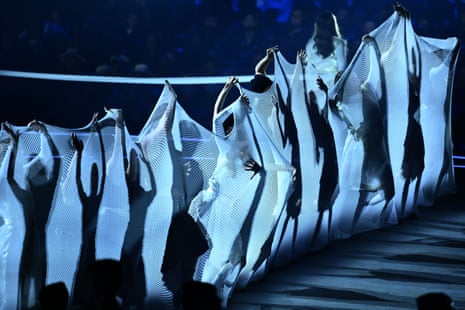
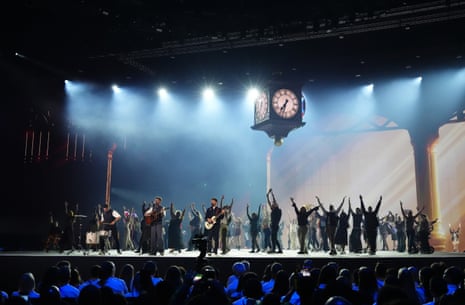
The opening ceremony in Glasgow was a vibrant showcase of Scottish culture, heritage, and the spirit of the Commonwealth. The event, held against the backdrop of the city’s iconic architecture, celebrated the unique character of Glasgow and its people. Performances by local and international artists aimed to capture the essence of the host city and the diverse nations participating.
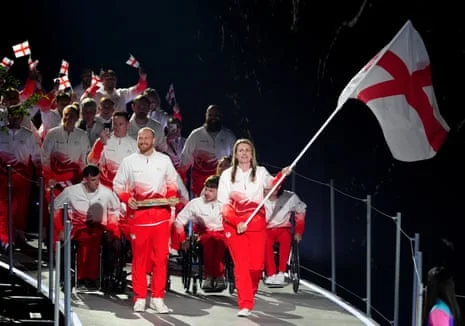
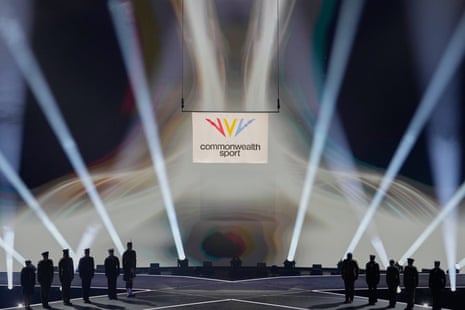
The ceremony commenced with a palpable sense of anticipation. A key moment included the arrival of the Commonwealth Games flag, a symbol of unity and shared values. Athletes from across the Commonwealth paraded, each contingent led by their flag bearers, creating a visually stunning spectacle of national pride. The diverse array of nations, from the larger delegations of Australia and England to smaller island nations, underscored the vast reach and inclusivity of the Commonwealth.
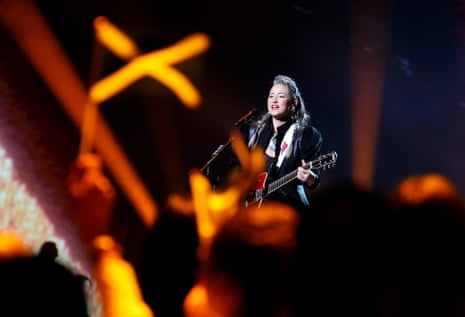
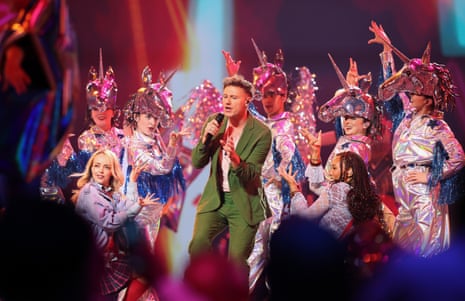
Performances highlighted Glasgow’s industrial past, its renowned music scene, and its welcoming nature. The inclusion of "Yes Sir, I Can Boogie," a song that has become an unofficial anthem of celebration in Scotland, immediately set a festive tone. Musical acts like Callum Beattie and KT Tunstall energized the crowd, embodying the city’s reputation for lively entertainment. The rapper Eve delivered a powerful message of diversity, resonating with the theme of "THESE ARE OUR NEIGHBOURS," displayed prominently.
The formal proceedings included speeches from key figures, emphasizing the significance of the Games and the principles they represent. Dr. Donald Rukare, President of Commonwealth Sport, delivered a poignant address, highlighting the "unique and extraordinary family of nations" and the importance of protecting the environment. He thanked Glasgow for its commitment and expressed hopes for a harmonious future. The Chairman of the Games, George Black, lauded Glasgow’s confidence and capability in delivering the event, stating, "You will see Glasgow deliver, again."
A particularly moving segment involved the passage of the Queen’s Baton. This symbolic journey, culminating in its arrival at the stadium, represents the collective aspirations of the Commonwealth. The baton, having traveled extensively, finally reached its destination, marking the official commencement of the Games.
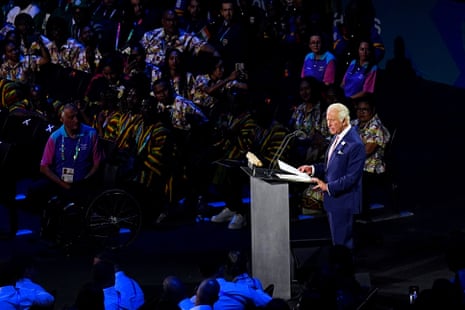
King Charles III officially declared the Games open, his words echoing the spirit of competition, generosity, and friendship. His address emphasized the unifying power of sport in a world often perceived as divided, celebrating the connection that the Commonwealth Games foster. The declaration was met with widespread applause, signaling the official start of Glasgow 2026.
The Parade of Nations: A Global Gathering
The traditional Parade of Nations is always a highlight of any Commonwealth Games opening ceremony, and Glasgow 2026 was no exception. The athletes, representing over 70 member states and territories, marched into the stadium, showcasing a vibrant display of national colours and sporting ambition.
The procession began with delegations from the Caribbean and the Americas, including Antigua and Barbuda, Barbados, Jamaica, and Trinidad and Tobago. Each nation’s entry was met with enthusiastic cheers, a testament to the global support for the event. The visual diversity of the athletes’ attire, from formal blazers to traditional dress, added to the pageantry.
Moving through Oceania, nations like Australia, New Zealand, Fiji, and Samoa showcased their unique cultural identities. The Samoan team’s energetic haka performance was a standout moment, reflecting their strong cultural traditions. The inclusion of smaller island nations, often overlooked in global sporting narratives, underscored the inclusive nature of the Commonwealth Games.
The European contingent followed, with England, Wales, Scotland, and Northern Ireland taking center stage. Alex "Tattie" Marshall, a seasoned bowler, led out the Scottish team, his presence symbolizing the deep connection between the host nation and the Games. The arrival of the home nations always generates a surge of excitement and pride among the local spectators.
The parade concluded with the host nation, Wales, receiving a particularly warm reception. This order of procession, with the host nation entering last, is a long-standing tradition that builds anticipation for the official opening.
The Significance of Glasgow 2026
The Commonwealth Games 2026 in Glasgow carries a unique significance. It represents a testament to the adaptability and resilience of both the city and the Commonwealth Games Federation. In a post-pandemic world, where large-scale events have faced unprecedented challenges, Glasgow’s commitment to hosting demonstrates a strong belief in the power of sport to unite and inspire.
The integrated approach to para-sports sets a precedent for future events, signaling a move towards greater inclusivity and equality in international athletics. The focus on 10 core events allows for a streamlined yet impactful competition, potentially influencing the future structure of the Games.
Furthermore, the Games provide a platform for Glasgow to showcase its revitalized image as a dynamic cultural hub and a welcoming destination. The economic benefits, though perhaps moderated by the scaled-back format, are still significant, stimulating local businesses and tourism.
Looking Ahead: A Sporting Feast
As the opening ceremony concludes, the focus now shifts to the athletic competitions that will unfold over the coming days. Athletes will compete across various disciplines, striving for personal bests and Commonwealth glory. The spirit of sportsmanship, friendship, and dedication that defines the Commonwealth Games is now fully unleashed in Glasgow.
The Games are not just about medals; they are about the shared human experience of striving, overcoming, and connecting. Glasgow 2026 promises to deliver a memorable fortnight, reinforcing the enduring appeal of the Commonwealth Games as a unique celebration of sport and unity. The city’s inherent warmth and spirited character are sure to make these Games a truly special event.
The legacy of Glasgow 2026 is expected to extend beyond the sporting arenas, leaving a lasting impact on the city and its people, and reinforcing the bonds of the Commonwealth for years to come. The Games serve as a powerful reminder of what can be achieved when nations come together in the spirit of sport and mutual respect.
Related posts: