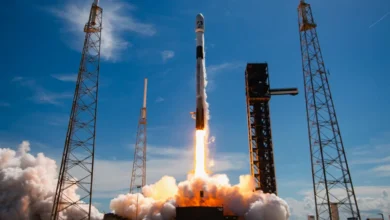
SpaceX to Launch Critical U.S. Spy Satellite Mission, NROL-179, from Vandenberg Space Force Base

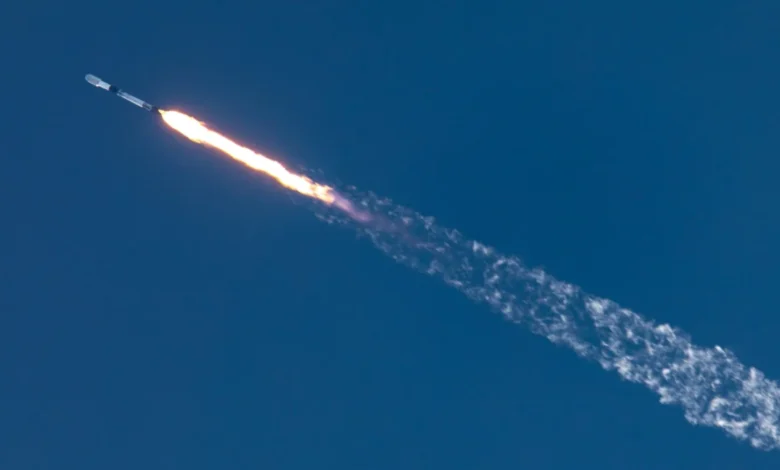
SpaceX is poised to conduct a pivotal launch for the United States government early Friday morning, June 19, deploying a new constellation of sophisticated spy satellites for the National Reconnaissance Office (NRO). The Falcon 9 rocket, a workhorse of modern spaceflight, is scheduled to ascend from Vandenberg Space Force Base in California, marking another significant contribution to America’s national security space architecture. The launch window opens at 4:40 a.m. EDT (0840 GMT; 1:40 a.m. local California time) and extends for 35 minutes, offering a crucial opportunity to place the NROL-179 mission payload into its designated orbit.
The Genesis of a Modernized Reconnaissance Fleet
The NROL-179 mission is an integral part of the NRO’s ambitious initiative to develop a "proliferated architecture," a strategic overhaul designed to enhance the United States’ intelligence-gathering capabilities in an increasingly complex global landscape. This new architecture represents a fundamental shift from traditional, larger satellite systems to a more distributed network of numerous, smaller satellites operating in various orbits. The rationale behind this modernization, as outlined by NRO officials, is to maintain a decisive advantage in a competitive geopolitical environment and to ensure continuous operation even under heightened threat conditions.
"To stay ahead of the competition and ensure it can continue to operate in a heightened threat environment, the NRO is modernizing its architecture in space and on the ground — delivering more capability faster with increased resilience," agency officials stated in the NROL-179 press kit. This proactive approach aims to counter potential adversaries and ensure unimpeded access to vital intelligence. The agency emphasizes that this expanded constellation will provide an "order of magnitude more signals and images than is available today," significantly augmenting the nation’s ability to monitor global activities.
A Collaborative Effort in Satellite Development
The development of these cutting-edge satellites for the proliferated architecture is a collaborative endeavor involving key players in the aerospace industry. SpaceX and Northrop Grumman are both contributing to the construction of these sophisticated spacecraft. However, details regarding the specific capabilities, operational characteristics, and orbital deployments of the NROL-179 satellites remain classified, underscoring the sensitive nature of national security space assets. This inherent secrecy is standard practice for missions involving the NRO, which operates the United States’ fleet of reconnaissance satellites.
The Falcon 9: A Proven Launch Vehicle
The SpaceX Falcon 9 rocket has become synonymous with reliable and frequent access to space. For the NROL-179 mission, this powerful launch vehicle will lift off from Vandenberg Space Force Base, a critical West Coast launch site that plays a vital role in U.S. national security space operations. Vandenberg’s strategic location allows for polar and low Earth orbit launches, making it ideal for many reconnaissance and scientific missions.
This mission represents the 14th dedicated launch for the NRO’s proliferated architecture, and all previous launches of this nature have successfully utilized Falcon 9 rockets from Vandenberg. The first satellite deployment for this initiative occurred in May 2024, initiating a sustained cadence of launches designed to rapidly build out the new constellation.
A Glimpse into the Launch Sequence and Recovery
Following its ascent into space, the Falcon 9 rocket’s first stage is programmed to execute a propulsive landing on Vandenberg’s Landing Zone 4, approximately eight minutes after liftoff. This maneuver is a hallmark of SpaceX’s reusable rocket technology, significantly reducing launch costs and increasing launch frequency. According to SpaceX’s mission description, this particular booster will be undertaking its third flight, highlighting the durability and reliability of the Falcon 9’s reusability program.
SpaceX’s live broadcast of the launch will conclude shortly after the first stage’s successful landing, a decision made at the request of the NRO to maintain operational security. This demonstrates the close coordination between commercial launch providers and government agencies to ensure mission success and national security.
A Busy Year for Falcon 9
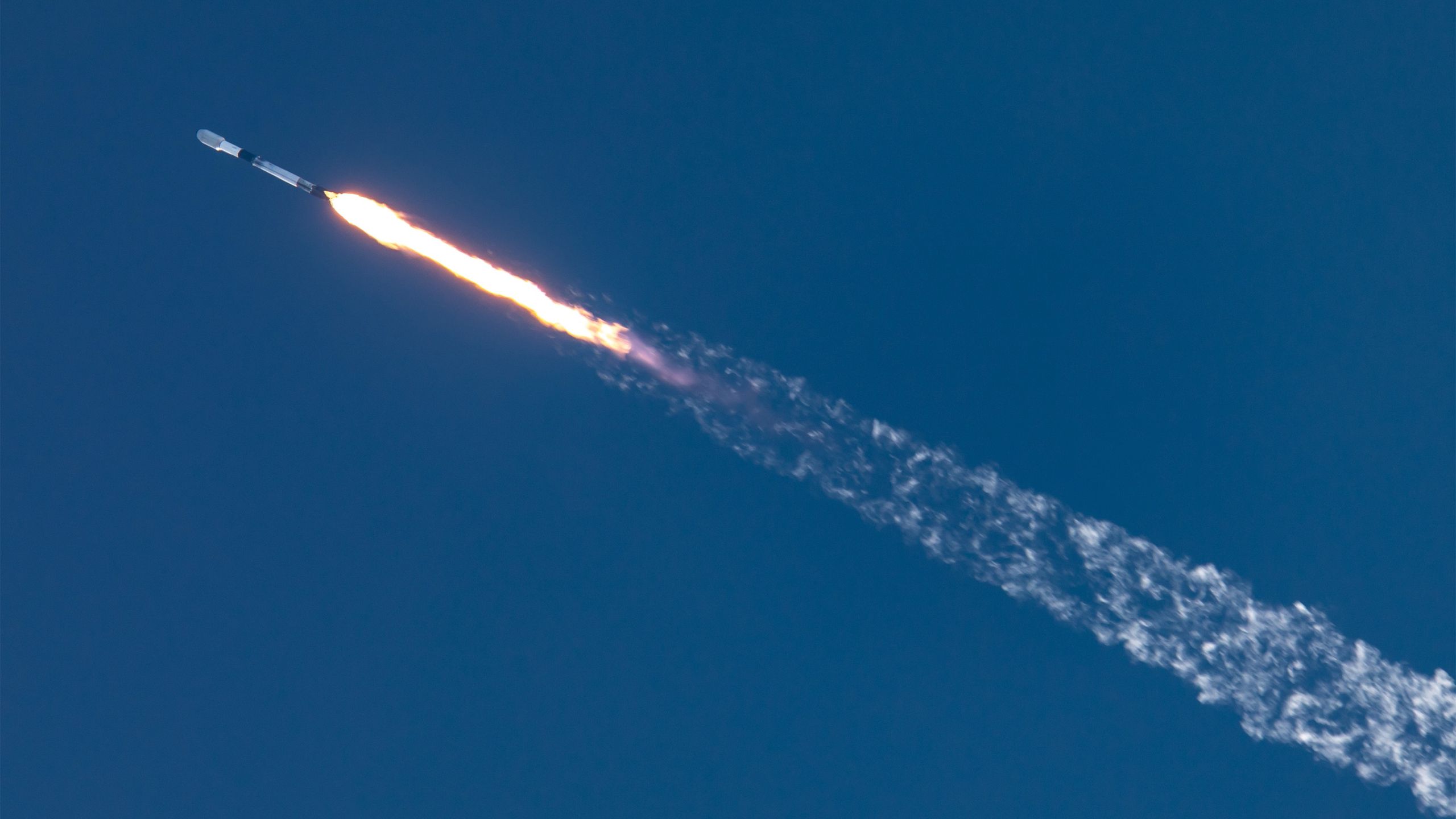
The NROL-179 launch will mark the 71st mission for the Falcon 9 rocket in 2026. This remarkable launch tempo underscores the increasing demand for space access and SpaceX’s dominant position in the global launch market. A substantial portion of these missions, 57 out of the 70 conducted prior to NROL-179, have been dedicated to deploying SpaceX’s Starlink broadband constellation into low Earth orbit. This massive undertaking aims to provide global internet coverage, showcasing SpaceX’s dual role as both a national security launch provider and a key player in the commercial space sector.
The Strategic Importance of the Proliferated Architecture
The NRO’s decision to invest heavily in a proliferated architecture is a response to evolving global threats and the increasing sophistication of potential adversaries. By dispersing intelligence-gathering assets across multiple satellites and orbits, the NRO aims to create a more resilient and robust system that is less vulnerable to single points of failure or targeted attacks. This approach also allows for more frequent updates and upgrades to the constellation, ensuring that the U.S. maintains a technological edge.
The inclusion of both government-built and commercially sourced satellites within this architecture reflects a broader trend in space operations, where public-private partnerships are becoming increasingly crucial for achieving ambitious national objectives. This collaboration not only leverages the innovation and efficiency of the private sector but also ensures that critical national security needs are met with cutting-edge technology.
The NRO: Guardian of National Space Intelligence
Established in 1961, the National Reconnaissance Office is a clandestine intelligence agency within the U.S. Department of Defense and the intelligence community. Its primary mission is to design, build, launch, and operate the United States’ intelligence-gathering satellites. The NRO is responsible for providing critical intelligence to policymakers, the intelligence community, and military branches, enabling them to make informed decisions on national security matters. The agency’s operations are vital for monitoring global events, verifying arms control treaties, supporting military operations, and responding to natural disasters. The NROL-179 mission directly contributes to this overarching mandate, ensuring that the U.S. has unparalleled insight into global activities.
Broader Implications for Space Security and Competition
The NROL-179 launch is not merely a single mission but a significant step in a larger strategic evolution of U.S. space capabilities. The emphasis on a proliferated architecture suggests a recognition of the increasingly contested nature of space. As more nations develop advanced space technologies, the ability to maintain a persistent and resilient intelligence presence becomes paramount. This strategy aims to ensure that the U.S. can continue to gather critical intelligence in any environment, even amidst potential disruptions or conflicts in space.
Furthermore, the reliance on commercial launch services like SpaceX’s Falcon 9 highlights the growing synergy between government and private space sectors. This partnership fosters innovation, drives down costs, and provides the nation with flexible and responsive access to space. The success of missions like NROL-179 is a testament to the effectiveness of this collaborative model and its importance in maintaining U.S. leadership in space.
The continued development and deployment of sophisticated satellite constellations also have implications for global space traffic management and the responsible use of space. As the number of satellites in orbit increases, international cooperation on issues such as orbital debris mitigation and collision avoidance becomes ever more critical. The NRO’s advancements, while focused on national security, are part of a broader global trend that necessitates careful consideration of the long-term sustainability of the space environment.
The NROL-179 mission, therefore, represents a convergence of technological prowess, strategic foresight, and inter-agency collaboration. It underscores the United States’ commitment to maintaining its preeminent position in intelligence gathering and national security, leveraging the capabilities of both its government agencies and its burgeoning private space industry. The successful deployment of these satellites will undoubtedly bolster the nation’s ability to navigate the complexities of the 21st-century global landscape.
Related posts: