The Global Rise of Express Wildlife Tourism: Six Rapid Itineraries for Time-Crunched Travelers

The modern tourism landscape is undergoing a structural shift, driven by travelers seeking high-impact, immersive experiences within compressed timeframes. While traditional safaris and wildlife expeditions historically required multi-week commitments and substantial logistical planning, a new market segment has emerged: the compressed, high-intensity weekend wildlife excursion. Industry analysts attribute this trend to the proliferation of regional flight routes, improved conservation-linked infrastructure, and the growing demand among professionals for efficient micro-vacations.
Recent data from adventure travel syndicates indicate a 35% year-on-year increase in inquiries for itineraries lasting 72 hours or less. Tour operators across Africa, South America, and North America have responded by engineering meticulously timed logistical frameworks that maximize wildlife encounters while minimizing transit downtime. To examine the operational realities and implications of this trend, an analysis of six distinct short-form wildlife itineraries—spanning the Virunga Mountains of Rwanda to the ranchlands of British Columbia—reveals how modern tourism successfully collapses vast geographical distances into single-weekend adventures.
Rwanda: A 72-Hour Cultural and Primate Odyssey
The East African nation of Rwanda has long served as a benchmark for high-value, low-impact ecotourism. Its three-day gorilla trekking itinerary exemplifies the precision required to execute a complex wildlife expedition within a standard 72-hour window.
The journey commences upon arrival in the capital city of Kigali on Friday evening, establishing a baseline of urban accommodation at the Flame Tree Village. Rather than bypassing the nation’s complex history to rush tourists directly to the wildlife reserves, operators intentionally ground the second day in historical context. Travelers tour the Kigali Genocide Memorial alongside sites reflecting pre-colonial and colonial epochs, providing a socioeconomic framework for understanding contemporary Rwanda. Conservation economists note that integrating cultural heritage into wildlife tourism significantly increases tourist spend retention within local communities.
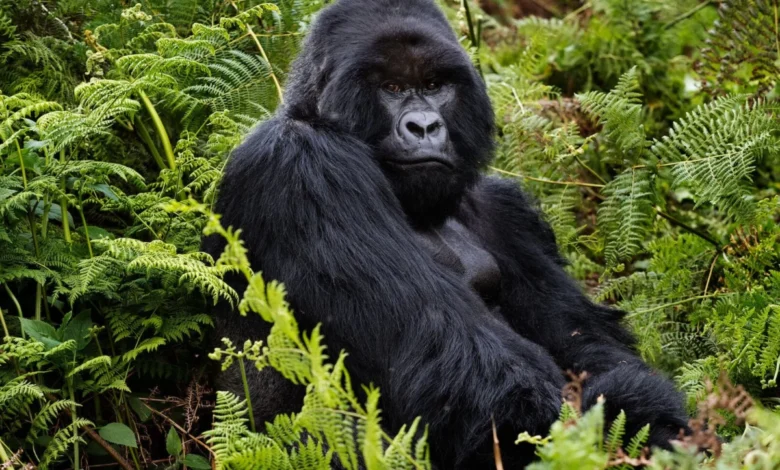
The expedition culminates on the third day with a 6:30 AM departure for Volcanoes National Park, situated in the Virunga Mountains. Park authorities conduct mandatory physical assessments before assigning visitors to specific habituated gorilla families. Treks through the densely forested volcanic slopes typically yield a regulated one-hour observation window with the primates—a strict protocol enforced by the Rwanda Development Board to mitigate human-animal pathogen transmission and behavioral disruption. By evening, participants are transferred back to Kigali International Airport, demonstrating an exceptionally tight turnaround that bridges metropolitan infrastructure with critically endangered alpine habitats.
Peru: Navigating the Madre de Dios River to the Amazonian Interior
Translating the concept of a rapid safari to the South American rainforest requires shifting logistical strategies from alpine tracks to fluvial waterways. A three-day Peruvian itinerary pairs the cultural altitude of Cusco with the tropical biodiversity of Puerto Maldonado.
Beginning with a morning flight descending from the Andes to the Amazon basin, travelers embark on a three-hour motorized boat journey down the Madre de Dios River. The operational hub of the expedition is a jungle wilderness lodge, which serves as a staging ground for aquatic excursions to Monkey Island. This protected pocket of riverine forest hosts robust populations of black spider monkeys, squirrel monkeys, capuchin monkeys, tamarins, and coatis.
Day two escalates the physical demands of the itinerary with a four-hour jungle trek toward the Lost Lagoon. Navigating the dense understory offers encounters with giant river otters, broad-snouted alligators, freshwater turtles, and an expansive census of avifauna. Ascending a spiral staircase to a canopy watchtower provides researchers and eco-tourists alike with an elevated perspective of the Amazonian basin. The afternoon transitions to traditional dugout canoes, navigating blackwater channels alongside resident reptiles. Following a swift return for lodge-based dining and community engagement downriver, day three executes a multi-modal transit chain—riverboat, domestic aircraft, and international connection—illustrating the intricate coordination necessary to extract travelers from remote jungle interiors on schedule.
Tanzania: The High-Velocity Circuit of Mikumi National Park
In East Africa, Tanzania offers some of the most aggressive safari turnarounds in the industry. The 48-hour excursion to Mikumi National Park challenges traditional notions of leisure travel, favoring endurance and high-frequency game viewing.
Departing Dar es Salaam at
5:00 AM, the itinerary involves a two-and-a-half-hour overland transit to the agricultural and administrative hub of Morogoro for breakfast, followed by a secondary vehicular push into Mikumi National Park. The park, which abuts the Selous Game Reserve ecosystem, forms a continuous wildlife corridor that supports substantial populations of lions, leopards, giraffes, and migrating herds.
Operating out of the Mikumi Tourist Cottage for a truncated overnight stay, guests maintain a rigorous schedule dominated by successive game drives. The structured cadence—comprising morning drives, abbreviated breakfast breaks, and mid-morning transits back to Morogoro—reflects a highly optimized model designed for travelers seeking maximal wildlife exposure within a standard two-day weekend. Regional transportation coordinators emphasize that such itineraries rely entirely on predictable road infrastructure and well-maintained 4×4 fleets to maintain adherence to strict airport transfer schedules.
Kenya: Urban Proximity and Aerial Perspectives in Nairobi and the Maasai Mara
Kenya presents a dual paradigm in short-form safari tourism, offering both the hyper-accessible urban wildlife reserve and the expansive, cinematic ecosystems of the Maasai Mara.
Nairobi National Park demonstrates the viability of integration between metropolitan development and wildlife conservation. Located merely 30 minutes from Jomo Kenyatta International Airport and directly adjacent to the city’s southern boundary, the park functions as a unique ecological island. Visitors can observe endangered black rhinos, lions, and giraffes with the physical skyline of a major capital city serving as the backdrop. The inclusion of educational facilities and the David Sheldrick Wildlife Trust elephant orphanage transforms the excursion from a purely recreational drive into an active conservation awareness initiative.
Conversely, the three-day Maasai Mara safari demands a more comprehensive logistical effort. Initiated by an early morning ascent through the Great Rift Valley Escarpment, the journey routes through Narok Town to tented encampments such as the Miti Mingi Eco Camp. The proximity of accommodations to the Oloolaimutia River underscores the raw, unfiltered nature of East African bush camps, where wildlife frequently traverses human-occupied spaces after dark.
The apex of the Maasai Mara short itinerary is the deployment of all-day game drives—synchronized with the annual Great Wildebeest Migration when seasonal conditions align—or pre-dawn hot air balloon safaris operating 1,000 feet above the savanna. By completing major predatory tracking expeditions and aerial surveys before 9:00 AM, operators deliver a density of experience that rivals traditional week-long packages.
Canada: Sub-Arctic and Mountain Valleys in Manitoba and British Columbia
North America’s approach to the short-form safari leans into rugged, self-reliant terrain and horseback exploration, trading tropical heat for temperate mountain ranges.
While Churchill, Manitoba, commands global attention for multi-day polar bear and beluga whale expeditions, the British Columbian interior offers accessible weekend alternatives for encountering large North American fauna. Operating out of the Chilcotin Mountains—approximately five hours north of Vancouver—Chilcotin Ranch utilizes working mountain ranch infrastructure to conduct equine-based safaris.
Riders traversing sub-alpine terrain regularly encounter Canadian moose and bighorn sheep, with high probability indices for tracking grizzly bears in their native ranges. The operational framework allows for independent exploration via snowmobiles and 4×4 all-terrain vehicles, reflecting a more autonomous style of wildlife tourism compared to the heavily regulated vehicle convoys of East Africa. By integrating regional van transfer services with scenic highway routing, the itinerary bridges urban departure points with remote wilderness efficiently.
Implications and Future Outlook of Rapid Wildlife Tourism
The proliferation of these six distinct itineraries highlights a fundamental evolution in consumer behavior. While conservation purists occasionally debate the ecological footprint of high-turnover tourism, protected area authorities increasingly rely on the revenue generated by short-stay visitors to fund anti-poaching units, habitat restoration, and community-based conservation programs.
Economists and tourism board officials note that the expansion of regional aviation, coupled with stricter enforcement of carrying capacities in parks like Volcanoes National Park and the Maasai Mara, will likely dictate the future ceiling of this market. As operators refine their scheduling and emphasize low-impact, sustainable logistics, the weekend safari is cementing its status not as a fleeting novelty, but as a permanent, highly sophisticated pillar of the global travel economy.