Unchecked AI Infrastructure Boom Threatens Public Health as Trump Administration Dismantles EPA Safeguards

The rapid, unprecedented expansion of artificial intelligence infrastructure across the United States has ignited a fierce debate concerning national priorities, pitting technological dominance against public health and environmental safety. While prominent tech executives and venture capitalists continue to grandstand about the distant, theoretical risks of artificial intelligence superintelligence and existential doom, a coalition of former Environmental Protection Agency officials is sounding the alarm over a far more immediate and tangible threat: the physical data centers powering these complex AI models.
According to a comprehensive new report released by the nonprofit Environmental Protection Network and spearheaded by veteran environmental scientists, the administration of Donald Trump has systematically dismantled crucial environmental guardrails since January 2025. This coordinated regulatory rollback encompasses at least 30 distinct administrative actions designed to weaken pollution safeguards, streamline permitting processes, and reduce inspection norms. Critics argue these changes are directly accelerating health hazards associated with the massive data center boom by removing oversight just as the industry scales up its energy consumption to historic levels.
The Scope of the Crisis: A Nationwide Infrastructure Boom Meets Regulatory Erasure
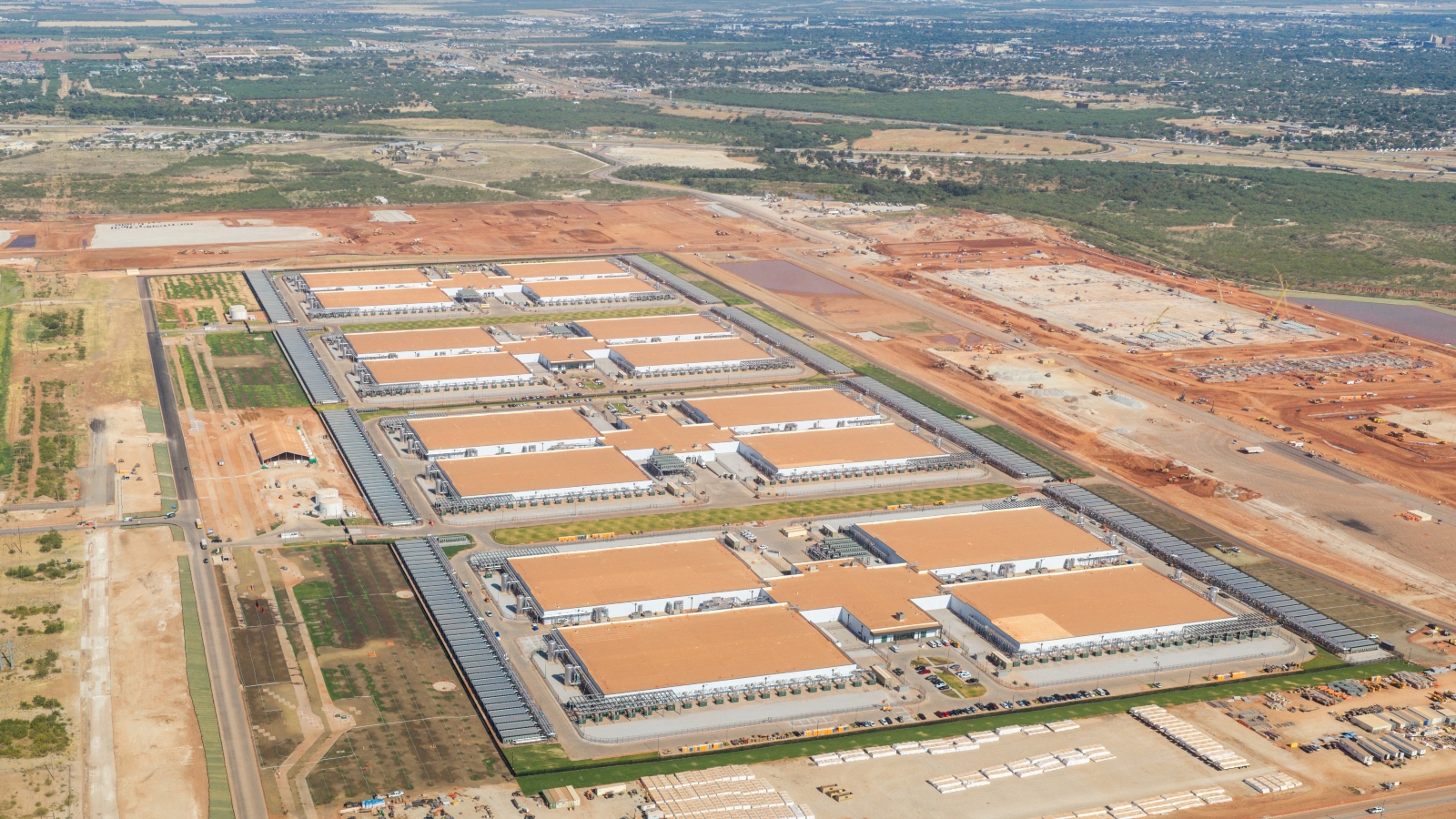
The United States currently hosts approximately 3,000 active data centers, with more than 1,500 additional facilities currently in various stages of planning and construction. The vast majority of these new installations are targeting rural areas, where land is cheap, access to high-voltage transmission lines is theoretically available, and local opposition can sometimes be bypassed more easily than in densely populated metropolitan regions. However, as developers rush to construct this vast, energy-hungry digital footprint, the nation is simultaneously stripping away the federal regulatory safeguards historically relied upon to ensure that heavy industrial and energy-intensive expansion is conducted safely.
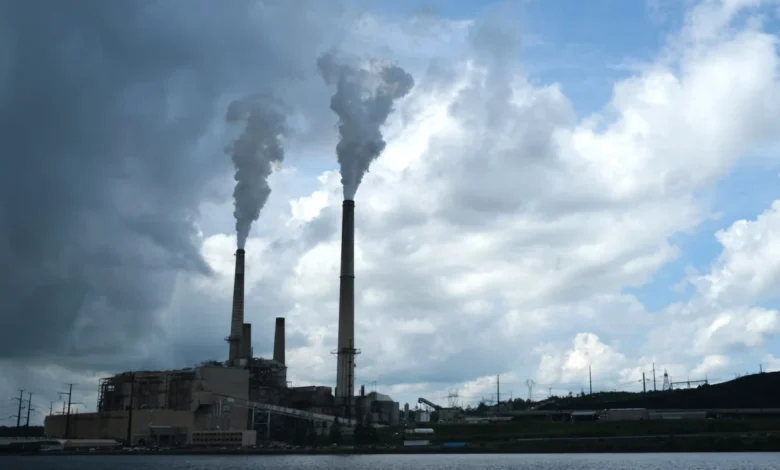
The consequences of this regulatory vacuum are already materializing. To meet the insatiable power demands of hyperscale data centers, utility companies and tech conglomerates are increasingly turning to fossil fuels. In various regions across the country, deregulation has manifested as keeping aging, highly polluting coal-fired power plants online years past their scheduled decommissioning dates. Elsewhere, companies are utilizing onsite, fossil-fuel-powered gas turbines—such as those powering xAI’s massive Colossus data center—under looser regulatory frameworks that bypass stringent Clean Air Act reviews.
The EPA has also proposed sweeping rule changes that would permit developers to begin construction on data centers and their associated backup or primary power plants before securing final air pollution permits. Furthermore, internal directives have instructed agency enforcement staff to actively avoid taking any compliance actions that might "unduly burden or significantly disrupt" domestic energy production or power generation.
The Gutting of the Environmental Protection Agency
The dismantling of federal environmental oversight is not merely a matter of policy shifts; it represents a fundamental structural transformation of the agency charged with protecting American public health. Established in December 1970 under President Richard Nixon, the EPA historically relied on a dedicated cadre of scientific researchers to investigate emerging sources of pollution and protect communities from toxic industrial emissions.
Dan Costa, who dedicated 35 years of his career to studying air pollution at the EPA, detailed the historic mission of the agency during a recent press briefing. For decades, Costa noted, toxicologists, chemists, atmospheric scientists, modelers, and engineers collaborated closely with academic institutions to serve the public interest rather than industrial lobbyists.
"We wanted to carry out EPA’s mission of protecting people’s health from industrial air pollution," Costa stated. Today, however, that workforce has been severely gutted. The Trump administration has dismantled the EPA’s main research office, and the agency’s strategic priorities have shifted decisively away from the strict enforcement of environmental pollution standards toward a philosophy of compliance assistance and deregulation.
"Transforming the nation’s energy system, while diminishing its scientific capacity to understand what the impacts are going to be, makes no sense," Costa warned.
Official Policy and the Push for AI Supremacy
The systematic dismantling of environmental regulations is a deliberate strategy aimed at cementing American leadership in the global technology sector. When Donald Trump returned to the White House, data center developers and tech oligarchs immediately seized the opportunity to lobby for accelerated expansion, finding a receptive audience within the executive branch.
In a landmark policy memo released late last year, EPA Administrator Lee Zeldin outlined the agency’s primary objective regarding the technology sector. Asserting that President Trump is firmly "positioning America as the global leader in AI," Zeldin wrote that the agency is fully "committed to bolstering" those efforts by "cutting heavy-handed regulations to ensure America can build and power the data centers essential to Making America the AI Capital of the World."
This directive has transformed the EPA from an independent regulatory watchdog into an active facilitator of industrial expansion. By prioritizing speed-to-market for tech infrastructure over environmental quality, the administration has signaled that local communities must bear the externalized costs of the digital revolution.
Direct Health Impacts: The Hidden Toll of the AI Boom
The environmental cost of powering artificial intelligence models is not theoretical; it translates directly into increased morbidity and mortality. Data centers require monumental quantities of electricity, often drawing power from grids heavily reliant on natural gas and coal. When these facilities operate their own onsite backup generators—typically diesel or natural gas turbines—during peak demand periods or emergencies, they release vast quantities of nitrogen oxides, sulfur dioxide, volatile organic compounds, and fine particulate matter (PM2.5) directly into surrounding neighborhoods.
A prominent scientific study cited by former EPA researchers in their report estimates that the air pollution associated with the nationwide artificial intelligence and data center boom could lead to approximately 1,300 additional premature deaths per year in the United States.
Dr. Lynn Goldman, a pediatrician, epidemiologist, and former EPA administrative official, emphasized the profound health implications during the recent press briefing. Goldman pointed out that the health impacts of increased industrial pollution near data centers vary in onset. Some acute health effects can occur almost immediately following exposure to elevated levels of particulate matter and smog, including severe asthma attacks, cardiovascular events, and premature births. Other chronic conditions, such as long-term respiratory diseases and various forms of cancer, may take years or even decades to manifest within exposed populations.
"The AI industry’s race for advantage should not be a matter of life or death," Goldman declared. "Families shouldn’t have to pay for the AI boom with their health."
Chronology of Regulatory Rollbacks (2025–2026)
To understand how the current public health crisis unfolded, it is necessary to examine the rapid chronology of policy changes implemented since the beginning of 2025:
- January 2025: Following the inauguration of Donald Trump, the administration initiates a comprehensive review of federal environmental rules, targeting energy-intensive industrial sectors for immediate deregulation.
- Spring 2025: EPA Administrator Lee Zeldin issues internal guidance prioritizing energy sector expansion and ordering enforcement staff to avoid actions that could disrupt power generation.
- Summer 2025: The Trump administration officially dismantles the EPA’s primary scientific research office, cutting back funding and personnel dedicated to atmospheric modeling and long-term toxicological studies.
- Late 2025: Utility companies across several regional transmission organizations announce delays in the planned retirements of coal-fired power plants, explicitly citing the surging electricity demand from newly approved data centers.
- Early 2026: Independent studies, including research from University of California researchers, highlight the escalating toll of air pollution driven by unmitigated data center power generation, estimating over 1,000 annual excess deaths.
- Mid 2026: The EPA proposes new rule changes allowing hyperscale tech companies and energy providers to commence physical construction on data centers and associated power infrastructure prior to receiving final Clean Air Act permits.
- Fall 2026: Former EPA officials, operating through the Environmental Protection Network, publish "The Hidden Costs of AI Data Centers," cataloging at least 30 distinct regulatory rollbacks that heighten public health risks.
Socioeconomic and Environmental Justice Implications
Beyond the general public health toll, the siting of data centers and their associated power generation infrastructure frequently follows patterns of environmental injustice. Rural communities and low-income urban neighborhoods—historically possessing fewer economic and political resources to mount legal challenges against major corporations—are disproportionately selected as hosts for these industrial facilities.
These communities are left to absorb the localized burdens of degraded air quality, strained local water resources used for cooling massive server banks, and significantly higher electricity rates. While the immense financial windfalls generated by advanced artificial intelligence models accrue to a handful of multinational technology firms and wealthy investors, the fundamental costs—measured in clean air, public health, and human lives—are distributed unevenly across American society.
Broader Implications for the Climate Crisis
The unconstrained growth of AI data centers also threatens to derail national and international climate commitments. For years, major technology companies publicly pledged to achieve net-zero carbon emissions, often investing in renewable energy purchase agreements. However, the sheer scale and velocity of the generative AI boom have fundamentally overwhelmed these corporate targets.
Faced with the physical impossibility of constructing sufficient wind and solar generation capacity fast enough to meet 24/7 baseload power requirements, tech giants have increasingly turned back to fossil fuels. By encouraging this regression—facilitated by the EPA’s active dismantling of pollution controls—the federal government is effectively locking in decades of high greenhouse gas emissions at precisely the historical moment when global scientific consensus dictates rapid decarbonization.
Conclusion: A Critical Crossroads for Policy and Society
The escalating conflict between the technological ambitions of Silicon Valley and the environmental protections enforced by the federal government highlights a profound governance dilemma. As the United States races to establish dominance in the artificial intelligence landscape, the institutional structures designed to protect the air Americans breathe and the water they drink have been systematically weakened.
The warnings issued by former EPA officials and public health advocates underscore an urgent reality: the technological progress of the twenty-first century cannot be ethically sustained at the direct expense of human life. Without a significant reversal in regulatory policy, increased transparency from the technology sector, and a renewed commitment to rigorous environmental science, the true cost of the artificial intelligence revolution will be paid by the most vulnerable communities across the nation.
Related posts: