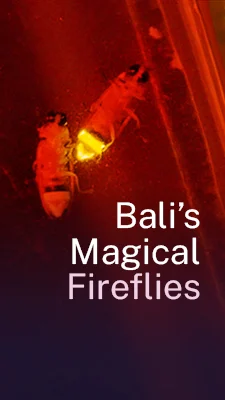
The bioluminescent displays of fireflies, once a ubiquitous feature of the Balinese nightscape, are facing an unprecedented decline as the Indonesian island grapples with the pressures of rapid modernization, agricultural intensification, and climate volatility. Amidst this environmental retreat, a grassroots conservation effort led by Wayan Wardika—the founder of "Bring Back the Light"—has emerged as a critical intervention. As the only dedicated firefly conservation initiative in Indonesia, the project represents a multi-faceted approach to biodiversity preservation, combining laboratory-based breeding programs with community-led habitat restoration strategies.
The Ecological Crisis in Southeast Asia
Fireflies, belonging to the family Lampyridae, are more than mere aesthetic icons of the tropical night; they serve as vital bio-indicators of ecosystem health. Their presence—or absence—reflects the integrity of their immediate environment, particularly the quality of water and the levels of chemical pollutants in the soil. Across Southeast Asia, these insects are vanishing at an alarming rate. Scientists point to four primary drivers of this collapse: habitat fragmentation due to urban sprawl, the proliferation of artificial light at night (ALAN), the indiscriminate use of synthetic pesticides, and the escalating impacts of climate change, which disrupt the delicate moisture levels required for larval development.
In Bali, a region characterized by its high-density tourism and traditional subak irrigation systems, these stressors have converged. The rapid conversion of wetlands and forested margins into commercial infrastructure has decimated the breeding grounds necessary for the firefly’s lifecycle. Furthermore, the light pollution emitted by expanding resort corridors disrupts the bioluminescent signaling necessary for mating, effectively rendering large swaths of the island "dark" to the species even if the habitat remains physically intact.
Chronology of an Intervention: Bring Back the Light
The genesis of the Bring Back the Light initiative can be traced to 2020, a year that marked a turning point in local awareness regarding the loss of nocturnal biodiversity. Recognizing that the silent disappearance of fireflies signaled a broader decay in the island’s ecological resilience, Wayan Wardika mobilized a small team of researchers and conservationists to address the problem at its source.
- 2020: Official launch of Bring Back the Light. The project began with baseline surveys to determine which firefly species were still present in the region and to identify the specific environmental stressors affecting their populations.
- 2021: The team established a specialized breeding facility. By simulating the precise humidity, temperature, and vegetation requirements of indigenous Lampyridae, the team began the process of captive rearing, with the ultimate goal of reintroducing mature adults into protected sites.
- 2022-2023: A strategic pivot occurred as the team realized that reintroduction without habitat security was futile. The project shifted its focus toward landscape-level conservation, engaging local farming communities to address the root causes of habitat degradation.
- 2024: Current efforts are concentrated on policy advocacy and educational outreach, urging farmers to transition away from neonicotinoid pesticides, which have been scientifically linked to the decline of various insect populations, including fireflies.
The Science of Restoration: Breeding and Habitat Connectivity
The conservation methodology employed by Wardika’s team is bifurcated. The first pillar involves ex-situ breeding. Fireflies undergo a complex life cycle—egg, larva, pupa, and adult—each stage requiring specific environmental conditions. In the lab, researchers must ensure that larval stages have access to sufficient prey, such as snails and earthworms, which are often the first victims of chemical pesticide runoff in rice paddies.
The second, and perhaps more significant pillar, is in-situ habitat management. Wardika has noted that fireflies are highly sensitive to "edge effects," where the quality of the environment at the boundary of a farm or forest is compromised by human activity. By working with neighboring farmers to promote organic agricultural practices, the initiative aims to create "biological corridors." These corridors allow firefly populations to migrate, mate, and thrive across larger areas, rather than remaining isolated in shrinking pockets of forest.
Implications of Pesticide Use and Chemical Agriculture
The heavy reliance on synthetic pesticides in Balinese rice cultivation poses a direct threat to the survival of the firefly. Research from the International Union for Conservation of Nature (IUCN) suggests that pesticides do not only kill target pests; they create a ripple effect through the food chain. For fireflies, the consumption of tainted prey leads to bioaccumulation, which can reduce fertility and survival rates in subsequent generations.

Wardika’s advocacy for organic farming is rooted in the understanding that fireflies are a "canary in the coal mine." If a rice paddy can support a healthy population of fireflies, it is almost certainly producing food in a manner that is safer for human consumption and less damaging to the local water table. The shift toward organic certification for local farmers is, therefore, a dual-purpose strategy: it recovers biodiversity while potentially increasing the market value of local produce.
Broader Environmental Impact and Official Perspectives
While local government authorities have been increasingly vocal about the need for "Green Bali" initiatives, the practical implementation of biodiversity protection often lags behind development goals. Conservation biologists argue that the case of the Balinese firefly should serve as a template for other rapidly developing regions.
"The loss of fireflies is a symptom of a larger disconnection from natural cycles," says an independent ecologist familiar with the project. "What Wayan Wardika is doing is essentially recreating the ecological infrastructure that existed before intensive industrial farming became the norm. It is not just about the insects; it is about restoring the health of the soil and the water upon which the entire Balinese agricultural economy relies."
The broader implications of this project are significant. As climate change threatens the stability of monsoon patterns in Southeast Asia, the ability of local ecosystems to adapt is paramount. Diverse, healthy insect populations are essential for pollination and pest control, services that are currently being undervalued in the pursuit of short-term agricultural yield increases.
Challenges to Sustainable Recovery
Despite the dedication of the Bring Back the Light team, the obstacles to success remain formidable. The primary challenge is the economic pressure on farmers. Converting to organic farming requires a transition period during which yields may temporarily decrease, and the costs of certification can be prohibitive for smallholders. Furthermore, the relentless pace of tourism development often overrides environmental considerations in zoning decisions.
For the firefly population to rebound to historical levels, a systemic change is required. This would include:
- Zoning Protections: Establishing "no-light" zones in areas known to be firefly habitats to mitigate the impact of artificial light.
- Subsidies for Organic Transitions: Providing financial support for farmers who switch to organic methods to offset the initial risks.
- Public Awareness: Educating both locals and the tourist population about the importance of protecting nocturnal ecosystems.
Conclusion: A Beacon of Hope
Wayan Wardika’s initiative is a testament to the power of community-led conservation. By shifting the focus from simply counting the decline to actively participating in the restoration of the species, the Bring Back the Light project provides a roadmap for environmental stewardship. While the path ahead is fraught with the challenges of development and ecological change, the efforts in Bali offer a vital reminder that even the smallest organisms can play a central role in the health of a landscape. As the project moves into its next phase, the success of these fireflies will likely be viewed as a definitive metric for the island’s commitment to a sustainable future. The flickering light of the firefly, once synonymous with the Balinese night, is currently being kept alive by a small team of dedicated individuals, but its long-term survival remains a responsibility that rests with the entire community.
Related posts: