Metallica to Ignite the Sphere Las Vegas with Extended "Life Burns Faster" Residency This Fall

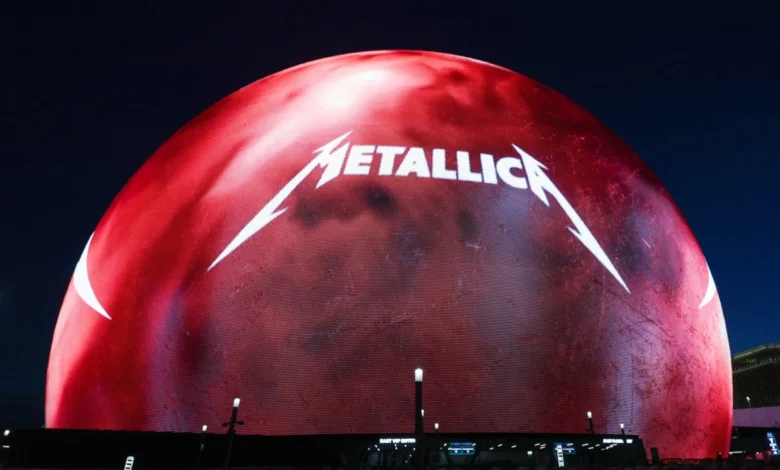
Metallica, the titans of heavy metal, are poised to embark on an unprecedented residency at the state-of-the-art Sphere in Las Vegas, marking a significant expansion of their live performance ambitions. Initially slated for a limited run, the "Life Burns Faster" residency, a powerful nod to a lyric from their iconic track "Master of Puppets," has been dramatically extended due to overwhelming fan demand. The band will now deliver a staggering 24 nights of electrifying performances, unfolding in two-night increments from October 2026 through March 2027. This ambitious schedule solidifies Metallica’s commitment to pushing the boundaries of live music experiences within the immersive technological landscape of the Sphere.
The genesis of Metallica’s monumental residency can be traced back to the awe-inspiring opening nights of the Sphere itself. Drummer Lars Ulrich, a keen observer of musical innovation, was present for U2’s historic debut at the venue. This experience, which revitalized the Irish rock band after a prolonged hiatus and redefined the concert spectacle, profoundly impacted Ulrich. In a candid conversation with U2 guitarist The Edge on SiriusXM’s "Close To The Edge" show, Ulrich described the profound effect the opening night had on his own perspective. "I was there opening night and was so just fucking awestruck, inspired, energized – all of it," Ulrich revealed. "It was just, like, ‘Holy shit, this is somehow another frontier.’" He further elaborated on the transformative nature of the event, acknowledging U2’s pioneering role: "Obviously, you guys were the first ones in and it was just so incredible to see that night." This firsthand encounter with the Sphere’s groundbreaking capabilities clearly ignited a spark within Metallica, setting the stage for their own ambitious undertaking.
A New Frontier: Metallica’s Sphere Residency
The decision to bring Metallica’s legendary live show to the Sphere is a testament to the venue’s transformative potential. The Sphere, renowned for its colossal wraparound 16K LED screens and sophisticated, multi-sensory audio system, offers an unparalleled immersive environment. This technological marvel has already proven its ability to elevate live performances, as demonstrated by U2’s record-breaking residency. Following in the footsteps of pioneers like U2, a host of other prominent artists have recognized the Sphere’s unique appeal. The Eagles are currently gracing the venue with their performances, and previous residencies have featured an eclectic mix of musical giants including Phish, Dead & Company, No Doubt, Kenny Chesney, the Zac Brown Band, and the Backstreet Boys. Metallica’s inclusion in this elite roster underscores their status as a global entertainment force capable of commanding such a prestigious and technologically advanced platform.
For Metallica, a band known for its meticulously crafted and high-octane live performances, the Sphere presents both an exhilarating opportunity and a significant challenge. Ulrich openly acknowledged the daunting nature of the endeavor. "It’s gonna be challenging. And obviously, like everybody else I’ve talked to about it, it’s overwhelming and fucking intimidating," he admitted. "But hopefully when we step out on stage that first night, we’ll have it somewhat together." This candid admission highlights a core aspect of Metallica’s artistic ethos: a willingness to embrace new and potentially uncomfortable environments to foster growth and innovation. Ulrich elaborated on this by contrasting the Sphere with their usual comfort zones: "And as you know, that’s a place maybe we don’t end up in often enough, because we have a tendency to put ourselves in environments that we completely control and know. And so I think it’s really good to be able to throw yourself for a loop like that." This deliberate pursuit of challenging environments suggests that Metallica aims to leverage the Sphere’s unique capabilities to deliver a show that is not only spectacular but also artistically daring.
The "Life Burns Faster" Residency: A Deep Dive
The "Life Burns Faster" residency title itself is a deliberate choice, drawing from the lyrical landscape of "Master of Puppets," a song that has become synonymous with Metallica’s enduring power and thematic depth. The initial announcement of eight dates quickly escalated to a monumental 24 performances, a clear indicator of the immense and sustained interest from their global fanbase. This expansion speaks volumes about Metallica’s continued relevance and the fervent desire of their audience to experience their music in a setting that promises to be unlike anything they have offered before. The logistical undertaking of organizing 24 dates at a single venue is substantial, requiring extensive planning from both the band’s management and the Sphere’s operational team. This extended run also signifies a significant commitment of time and resources for the band, who are known for their rigorous touring schedules.
The chronological unfolding of the residency is as follows:
- Initial Announcement: A limited number of dates are revealed, sparking immediate excitement.
- Overwhelming Demand: Fan response leads to a rapid expansion of the schedule.
- Extended Run: The residency grows to 24 nights, solidifying its status as a major event.
- Scheduled Performances: The residency is set to commence in October 2026 and conclude in March 2027.
- Weekly Increments: Performances will occur weekly, in two-night blocks, providing a consistent presence at the venue.
This phased approach, from initial announcement to the final performance dates, underscores the dynamic nature of concert promotion and the powerful influence of fan engagement in shaping major live events.
Supporting Data and Fan Engagement
The surge in demand for Metallica’s Sphere residency can be contextualized within broader trends in the music industry. The live music sector has seen a robust recovery and continued growth post-pandemic, with fans demonstrating a strong appetite for unique and memorable concert experiences. The average ticket price for major arena and stadium tours has also seen an increase, reflecting both rising production costs and the perceived value of premium live entertainment. For a band of Metallica’s caliber, with a dedicated global fanbase cultivated over four decades, a residency at a groundbreaking venue like the Sphere was always likely to generate significant interest. The sheer volume of demand that led to the expansion from eight to 24 dates is a powerful data point, indicating that Metallica could potentially sell out even more nights if the Sphere’s calendar allowed.
Furthermore, the phenomenon of "residency tours" has become increasingly popular, particularly in entertainment hubs like Las Vegas. These extended engagements allow artists to create a more elaborate and curated show, often incorporating unique production elements that might be impractical for standard touring. For fans, residencies offer the opportunity to see their favorite artists perform multiple times, potentially experiencing variations in setlists or special guest appearances. The fact that Metallica, a band historically associated with raw, energetic stadium shows, is embracing this format suggests a strategic evolution in their approach to live performance, aiming to capitalize on the immersive potential of the Sphere.
Broader Impact and Implications
Metallica’s "Life Burns Faster" residency at the Sphere is more than just a series of concerts; it represents a significant cultural moment and a forward-looking statement about the future of live music. The band’s decision to commit to such an extended run in a technologically advanced venue signals their willingness to adapt and innovate, even after decades of dominating the music scene. This move has several implications:
- Influence on Future Residencies: Metallica’s success at the Sphere could inspire other major artists to explore similar extended engagements at cutting-edge venues, further solidifying the trend of unique, location-specific concert experiences.
- Technological Integration in Music: The residency will undoubtedly showcase how Metallica plans to integrate the Sphere’s advanced visual and audio capabilities into their performance. This could set new benchmarks for how bands utilize technology to enhance fan engagement and artistic expression.
- Economic Impact on Las Vegas: A 24-night residency by one of the world’s biggest bands will have a substantial economic impact on Las Vegas, drawing fans from around the globe and boosting tourism, hospitality, and related industries.
- Artist Evolution: For Metallica, this residency presents an opportunity to reimagine their iconic catalog within a new sonic and visual context. It’s a chance to offer a deeply immersive experience that complements the raw power of their music, potentially reaching both long-time fans and new audiences in a profound way.
The initial inspiration drawn from U2’s pioneering performance at the Sphere has clearly fueled Metallica’s ambition. As Lars Ulrich stated, the experience was "another frontier." By committing to an extensive residency, Metallica is not just performing; they are actively participating in the evolution of the concert experience, aiming to create a truly unforgettable chapter in their storied career and in the history of live music. The "Life Burns Faster" residency is poised to be a landmark event, a testament to Metallica’s enduring legacy and their bold embrace of the future.